
What Causes Ice Drip Coffee to Stop Dripping? | Why Isn't Ice Drip Coffee Bitter?

Some people wonder why cold drip coffee from a cafe tastes so delicious while a homemade version can come out somewhat bitter. The answer is often that a single small difference in the process changes the final taste. Cold drip is a brewing method, and compared with pour-over it is relatively simple. The operation is straightforward, but it still takes practice to brew an exceptionally delicious cup.
The Art of Coffee Brewing
Some say brewing coffee is like steeping tea. FrontStreet Coffee believes that brewing coffee involves more meticulous details than tea. Temperature, time, and grind size all play crucial roles. Even without any change to the recipe, coffee flavors will differ, because temperature affects the rate at which oils, acids, and sugars in the coffee break down. Depending on how quickly those processes unfold, the aroma, taste, and texture of the coffee can vary significantly. FrontStreet Coffee therefore recommends tasting coffee from hot to cold to experience the different flavor profiles at each temperature.

High-Temperature vs. Low-Temperature Extraction
Pour-over brewing uses high-temperature extraction. High temperatures cause the tannic acid in coffee to break down rapidly into pyrogallic acid, creating sour, sweet, and bitter notes, which is what FrontStreet Coffee often calls the flavor release process. Extract too long with very hot water and the flavor release goes too far, after which woody fibers from the beans are drawn out and the cup turns unpleasant, commonly described as a miscellaneous or woody taste.
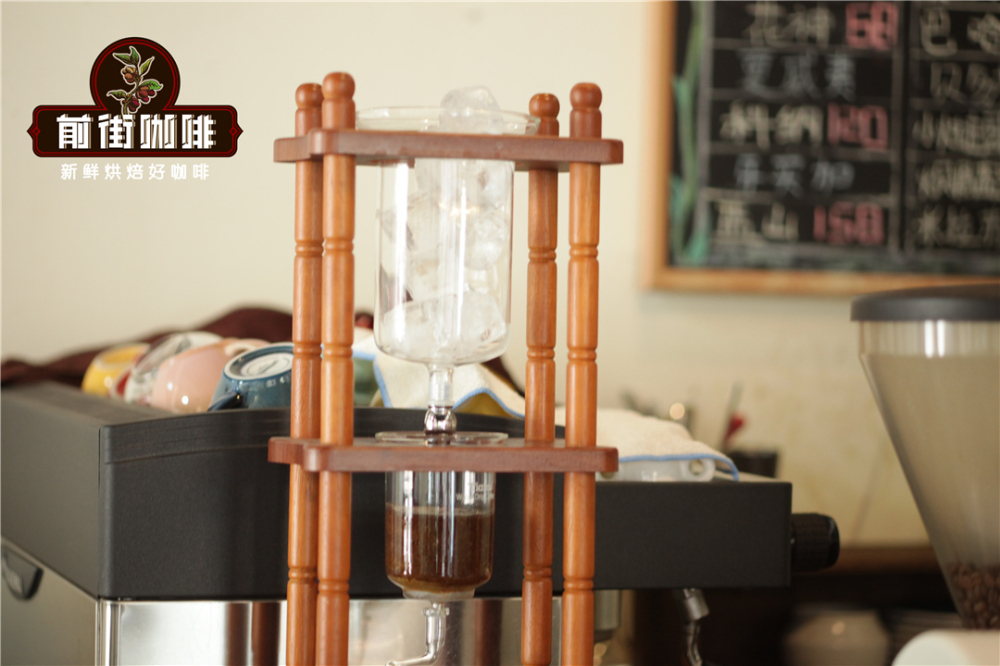
Cold drip uses low-temperature extraction. Water and coffee grounds interact for extended periods at low temperature, extracting mainly the smaller flavor molecules such as floral and fruity notes. Larger flavor molecules like smoky and roasted notes are hard to extract under these conditions. As a result, cold brew better preserves the inherent flavors of the beans, delivering a smooth mouthfeel with distinct layers and a pleasant aftertaste.
People who enjoy cold drip coffee usually love its rich, smooth texture and its balanced acidity and sweetness, without astringency or bitterness. Made with fermented coffee beans, cold drip can show rich wine-like aromas, reminiscent of chilled fruit wine. Especially as summer approaches, more and more people find themselves falling in love with cold drip coffee.

What is Cold Drip Coffee?
Cold drip coffee originated in Europe. Because the coffee distiller was invented by the Dutch, some call it Dutch Coffee, distilled coffee, or water-drip coffee. As early as the 17th century, the Dutch were already drinking this type of coffee. With the expansion of Dutch colonialism it was introduced to Korea and Japan, where it became popular, which is the other reason it is known as Dutch coffee.
Cold drip coffee relies on the natural compatibility between coffee and water, mainly using condensed natural water pressure over about 8 hours and extracting drop by drop. It is a coffee that brews through time, and different water temperatures produce different flavors. At low temperatures, astringent substances in the coffee dissolve less readily. Extracted with ice water over a long period and then refrigerated to ferment after completion, cold drip coffee develops subtle fermentation aromas and a richer texture. FrontStreet Coffee's view is simple: place the coffee in the refrigerator at night and enjoy it the next morning. That is instant refreshment.
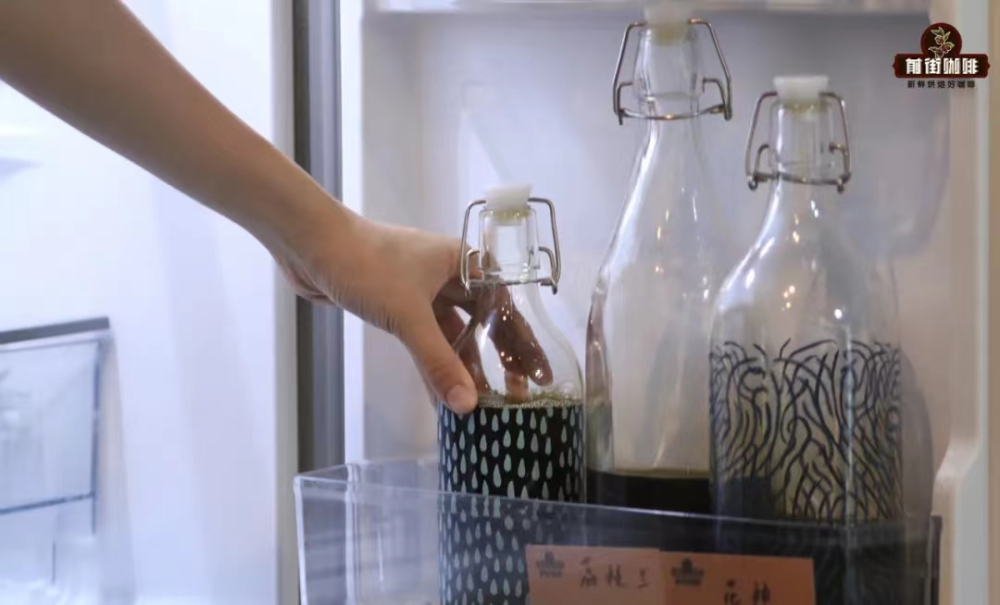
Because cold drip coffee is never heated and involves prolonged extraction, many flavor molecules are extracted but not fully released. That is why, once extraction is complete, placing the coffee in a sealed container in the refrigerator for 12-24 hours lets carbon dioxide pressure build up and helps release those flavor molecules. It also explains why cold drip coffee becomes richer the longer it stays in the refrigerator.
Extracting coffee with ice water reduces acidity, creates red wine fermentation notes, and delivers a smooth, rich flavor with balanced bitterness and a pleasant aftertaste. It is gentle on the stomach, lower in caffeine, and draws out the rich body and complete aroma of the beans. For anyone sensitive to caffeine, cold drip coffee can be an excellent choice.
During cold drip production, tannic acid barely breaks down in cold ice water. Although caffeine does dissolve slightly, it is about 90% less than with hot-water extraction, while the other major coffee components remain intact. Because cold drip coffee has no astringency and only minimal bitterness, its mouthfeel is exceptionally pure.
Basic Cold Drip Coffee Production
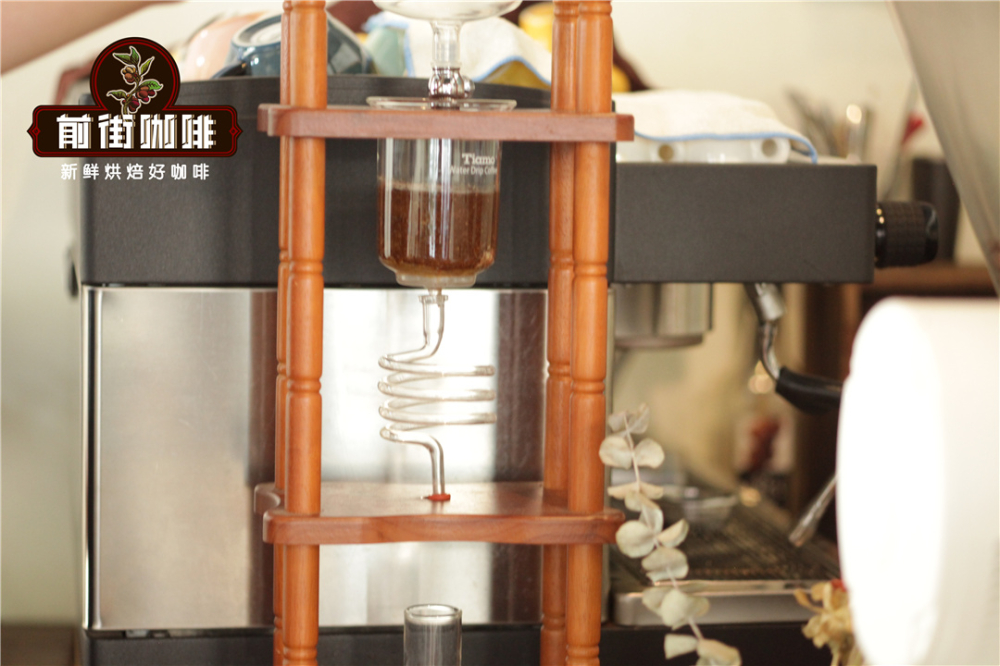
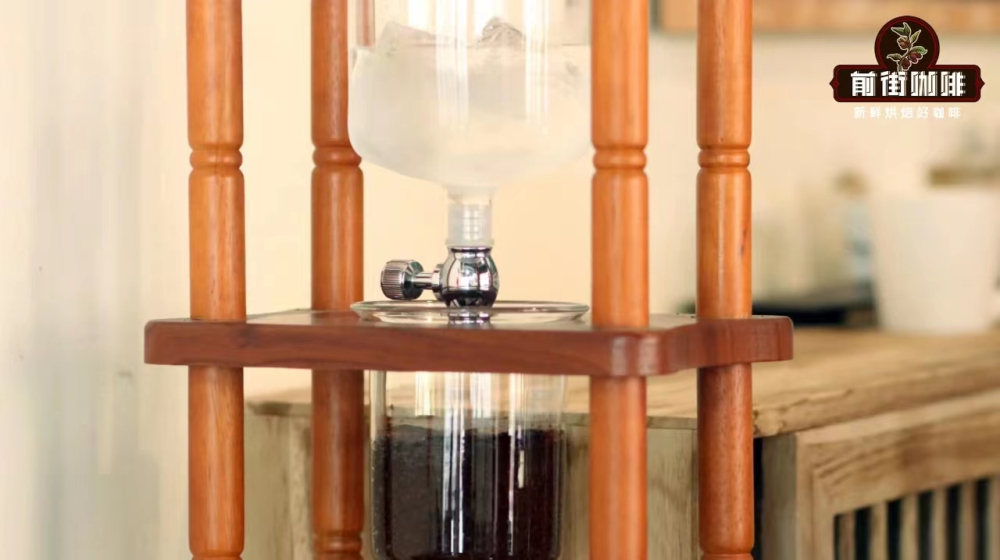
Cold drip equipment has three parts: an upper container for ice water, a middle container for coffee grounds, and a bottom container for the extracted coffee liquid.
Making cold drip coffee is therefore quite simple. Put ice water in the upper container and coffee grounds in the middle container, then control the ice water so it drips drop by drop onto the grounds, completing extraction in about 6 hours. Even so, many details still affect the quality of the flavor.
1. Coffee Beans
Coffee beans are the most important factor, since different beans produce distinctly different flavors. Choosing suitable coffee beans is crucial for cold drip coffee.

Light roast coffee beans are commonly chosen for cold drip, since sweet-and-sour fruit notes are more refreshing when cold. Beans with distinctive, prominent flavors are also excellent for cold drip. Examples include FrontStreet Coffee's Strawberry Candy, Sherry, Mozart, Bach, Rose Valley, and Flower Moon Night.
2. Grind Size
Two things matter about grind size. Too coarse, and the resistance of the coffee bed drops, so water passes through more easily into the lower chamber and the coffee comes out weak because extraction efficiency is low. Too fine is also a problem, because the increased resistance can cause clogging and water accumulation, producing bitterness and astringency from over-extraction. This is also the usual reason a cold drip slows down and eventually stops dripping: the bed has compacted and the water can no longer pass through at the set rate.
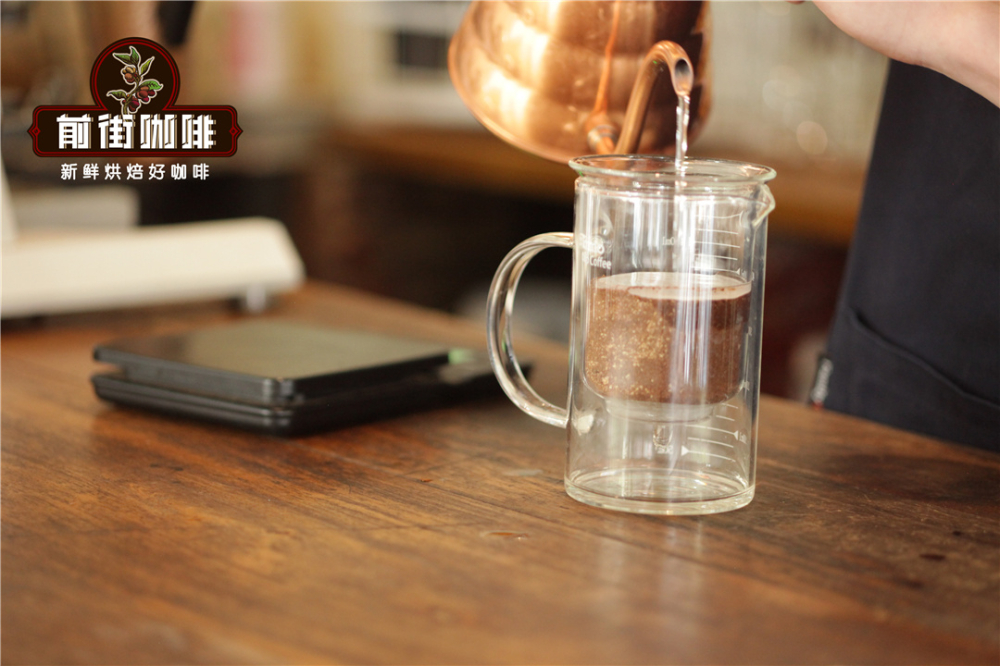
FrontStreet Coffee therefore recommends a grind that passes 80-85% through a #20 standard sieve for cold drip. For richer flavor, choose 85% pass-through; for a cleaner taste, choose 80%.
3. Drip Speed
This is somewhat similar to the pour rate in pour-over coffee. Some prefer 1 drop per second, others 1 drop every 2 seconds. That directly changes the extraction time: the slower the drip, the longer it takes; the faster the drip, the shorter. FrontStreet Coffee typically uses a rate of 7 drops per 10 seconds, which you can use as a reference.
4. Cold Drip Ratio
The ratio is important too. It is a matter of balancing concentration against extraction rate. FrontStreet Coffee uses 60g of coffee grounds to extract 600ml of coffee liquid, a ratio of 1:10. At FrontStreet Coffee's standard serving of 200ml, one batch of cold drip yields 3 cups.
A 1:10 ratio is relatively concentrated, of course. Cold drip ratios usually range from 1:12 to 1:14.
5. Serving Method
Freshly finished cold drip coffee can be drunk right away, but FrontStreet Coffee recommends refrigerating it for 12 hours before serving, which lets the flavors reach their peak.
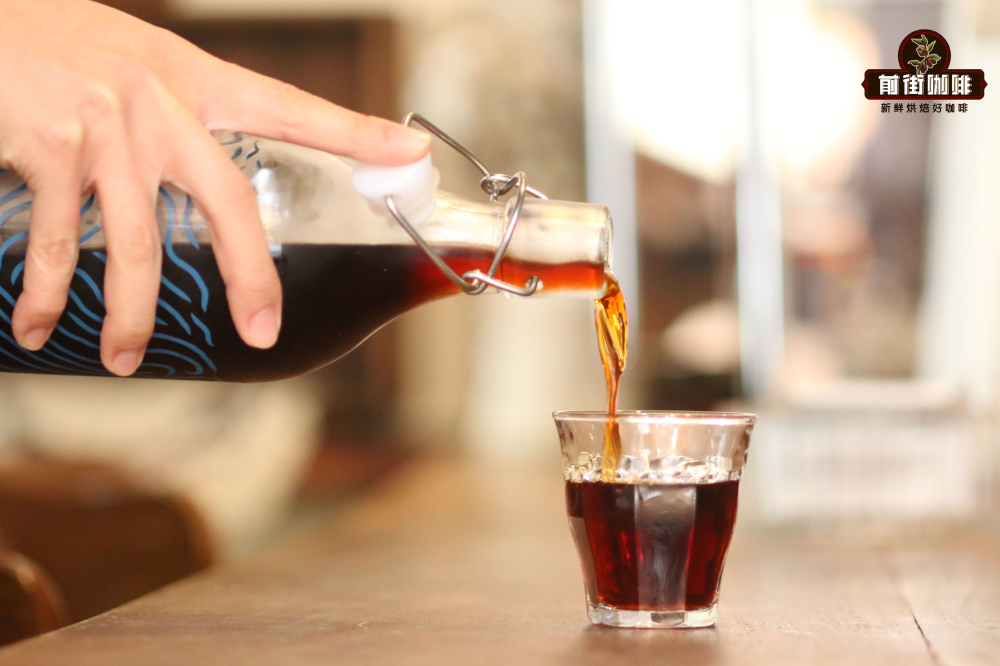
Because FrontStreet Coffee's cold drip made at a ratio of 1:10 is quite concentrated, we add 40g of ice per 200ml when serving, which dilutes the coffee while keeping it chilled.
How Does FrontStreet Coffee's Cold Drip Taste?
At FrontStreet Coffee, baristas typically blend two different beans to make cold drip, aiming to highlight and balance the flavors. The goal is to emphasize a particular characteristic, with one bean providing aroma while the other delivers flavor.
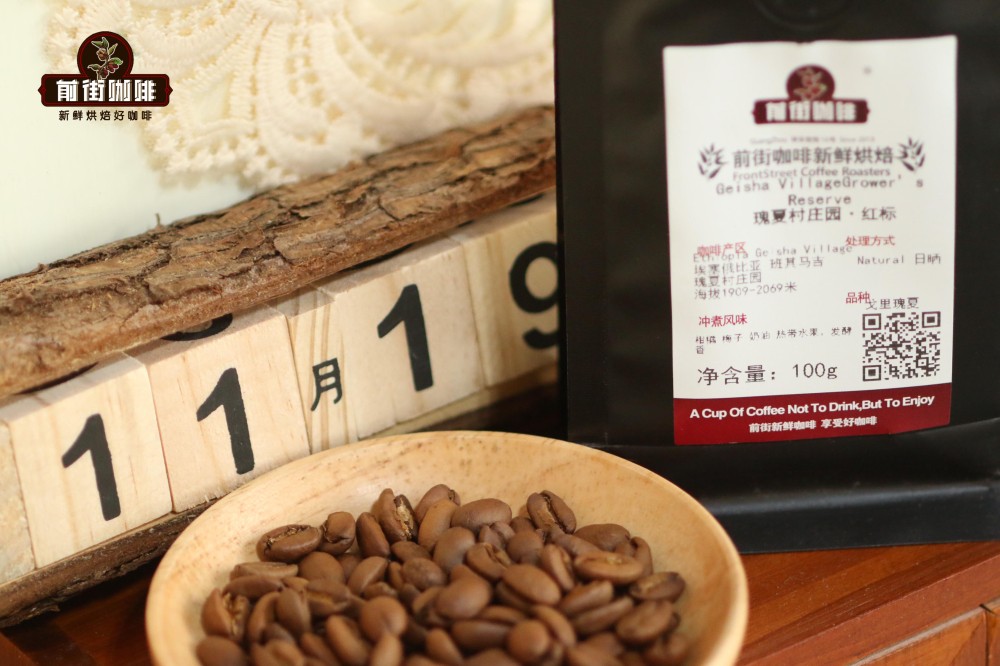
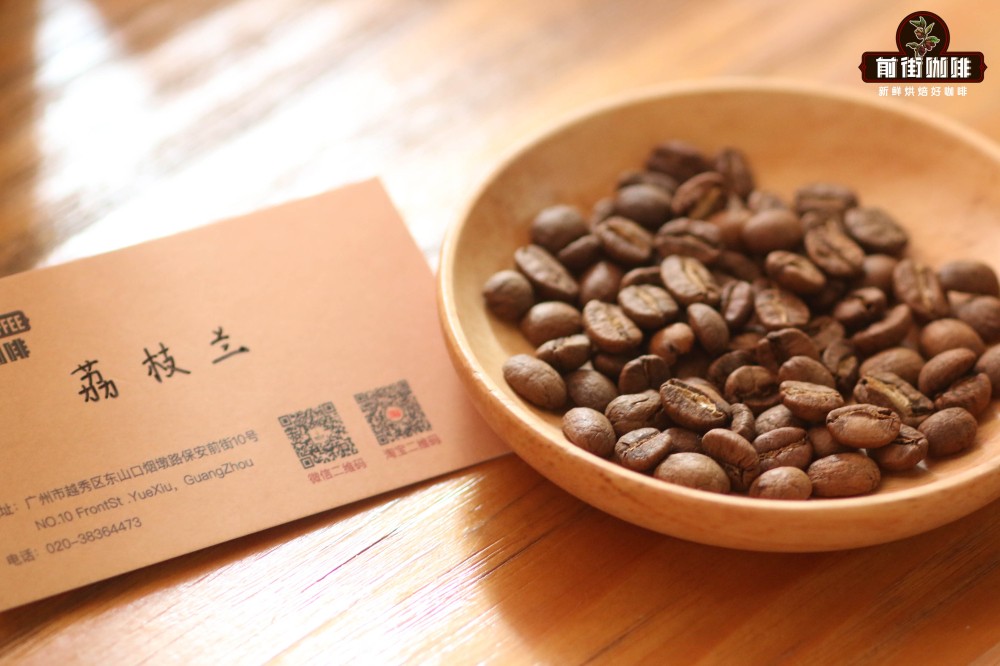
20g FrontStreet Coffee Honduras Lychee Lan plus 40g FrontStreet Coffee Geisha Village Red Label.
The barrel-aged Lychee Lan combined with natural-processed Geisha Village Red Label creates subtle brandy aromas, plum-like acidity, and a maple sweetness.
The brandy barrel-aged Lychee Lan offers rich brandy aromas, a chocolate finish, and a honey aftertaste.
The natural-processed Geisha Village Red Label supplies plum and citrus fruit acidity, with maple sweetness and a creamy smooth mouthfeel. Made into cold drip, it brings subtle brandy aromas, a rich fruit acidity that leads into honey sweetness, and a creamy smooth texture.
FrontStreet Coffee's Brewing Recommendations:
Whatever type of coffee you are brewing, the freshness of the beans is crucial. FrontStreet Coffee has always believed that bean freshness has a major impact on flavor, so all beans shipped from FrontStreet Coffee are roasted within 5 days. Its roasting philosophy is "Freshly Roasted Quality Coffee," ensuring every customer receives the freshest coffee possible. The optimal resting period for beans is 4-7 days, so by the time customers receive them they are at peak flavor.

For those who need pre-ground coffee, FrontStreet Coffee offers a gentle reminder: once beans are ground in advance they no longer need additional resting time, because the carbon dioxide pressure built up during shipping helps mellow the flavor, so you can brew and enjoy ground coffee right away. Ground coffee should be used promptly, however, because it oxidizes quickly in air and its flavor fades fast. FrontStreet Coffee recommends buying whole beans and grinding fresh before brewing so you can appreciate the flavor at its best.
FrontStreet Coffee Recommendation
For a cold drip with dark berry depth, FrontStreet Coffee's Costa Rica Mozart is a strong choice. It is processed as an anaerobic honey and carries a distinctive raisin aroma. Made as cold drip it shows clear blueberry, black grape, and wine fermentation notes, with a clean, refreshing finish that lingers on the palate.
If you prefer something light and clean, FrontStreet Coffee's Kenya Small Tomato is a classic washed Kenyan coffee processed with a 72-hour wash, including 48 extra hours of rinsing and soaking. Its acidity is very lively, more like fruit juice than coffee, and as cold drip it brings out cherry tomato and grapefruit aromas with a crisp, light acidity that is especially welcome in summer.
For a sweeter, rounder cup, FrontStreet Coffee's PWN Golden Mandheling proves that a medium-dark roast can work beautifully as cold drip. The longer caramelization gives it plenty of dark chocolate, cocoa, and toasted bread aroma, and when brewed following the method above and left in the refrigerator for 24 hours before serving over ice, it tastes sweet with just a hint of chocolate bitterness, very clear in the mouth, and full of a rich, pleasant fermented character. FrontStreet Coffee's Ethiopia Huakui, sun-dried from Hambella in Guji above 2,200 meters, is the floral option: cold-brewed, it layers cream strawberry and guava sweet-and-sour, dried mango, delicate floral notes, and a black tea finish.
Important Notice :
FrontStreet Coffee is a long-established specialty coffee roaster in Guangzhou China, selling freshly roasted beans from its own farm in Yunnan as well as dozens of carefully selected single-origin beans from around the world for both pour-over and espresso. The products deliver consistently excellent quality and great value, with shipping within 24 hours. Guangzhou's FrontStreet Coffee shop is recommended by many coffee lovers, and the beans are now available online at the Tmall 。
FrontStreet Coffee has moved to a new address:
FrontStreet Coffee Address: 315,Donghua East Road,GuangZhou
Tel:020 38364473
 Scan and follow the En Gafei WeChat official account. Please indicate that the reprint comes from "En Gafei".

