
How to Use a Drip Coffee Maker | What Type of Coffee Grind Works Best for Drip Coffee Machines?

Why Grind Size Matters for Different Brewing Methods
Some customers buying beans at FrontStreet Coffee don't own a grinder, so they ask us to grind the beans in advance. Whenever that happens, our barista asks one important question first: what equipment will you brew with? The answer is almost always "an American drip coffee maker" - and on hearing it, the barista sets the grinder to the same setting used for pour-over coffee. Many people wonder why grind size should depend on the brewing equipment at all.
The Science Behind Coffee Grind Size
FrontStreet Coffee's view is simple: different brewing methods call for different grinds because grind size is crucial to extraction. Coarseness directly affects both extraction time and extraction rate. Here's the principle in plain terms: the finer you grind, the larger the surface area of the coffee, which speeds up extraction and pulls out more flavor compounds. The coarser the grind, the smaller the surface area, so extraction is slower and noticeably fewer compounds dissolve in the same amount of time.
But when the grind is too fine - all else being equal - too much flavor is extracted, and the cup turns intensely strong and unpleasant: classic over-extraction. Too coarse, and you get under-extraction, because not enough flavor dissolves. Under-extracted coffee tends to taste watery and thin, or sharply acidic.

Understanding Grind Size Categories
Internationally, grind size is divided into 7 categories: extra coarse, coarse, medium-coarse, medium, medium-fine, fine, and extra fine - suited respectively to cold brew, French press, pour-over, drip coffee makers, AeroPress, moka pot, espresso machine, and Turkish coffee.
FrontStreet Coffee keeps it simpler with three grinds - fine, medium, and coarse - measured on the #20 standard sieve with pass rates of 80%, 75%, and 70% respectively. Espresso machines and moka pots use a fine grind for a simple reason: under high temperature and pressure, water passes through the puck very quickly, so fine grinding slows the flow, extends contact time, and extracts as much flavor as possible. For pour-over and drip machines, we use medium to coarse grinds, matched to the roast level of the beans.

Coffee Bean Recommendations by Roast Level
Customers often ask how roast level changes the cup. The short version: light roasts highlight florals and fruit acidity, medium roasts are more balanced with prominent nuttiness, and dark roasts emphasize body and chocolate. So which beans suit a drip machine? The good news is that drip machines handle any roast level - it just depends on the flavor you prefer. For a light roast, FrontStreet Coffee first suggests our Sun-dried Red Cherry from Yirgacheffe, Ethiopia: high sweetness with distinct Ethiopian citrus-berry character.

FrontStreet Coffee's Blue Mountain has always been a point of pride. Thanks to an exceptional growing environment and strict export standards, authentic Blue Mountain is exceptionally rare. The lot we source comes from Jamaica's Clifton Manor Estate, which holds Rainforest Alliance certification, and its sweet, sour, and bitter notes are beautifully balanced. We roast it medium to bring out its smooth, creamy texture and dark chocolate flavors.

For dark roasts, our top pick is the PWN Golden Mandheling, a classic of the dark-roast lineup. The beans are uniform, around 19 mesh, and the screening process - one machine pass plus three rounds of hand sorting - makes them exceptionally precious. A friendly tip: if a "Golden Mandheling" tastes disappointing to you, either Mandheling's style simply isn't your cup, or you bought a fake. The Golden Mandheling on FrontStreet Coffee's list is backed by PWN factory certificates and burlap bags printed with the PWN logo - ask any other merchant for the same proof before you buy.

How to Use an American Drip Coffee Maker
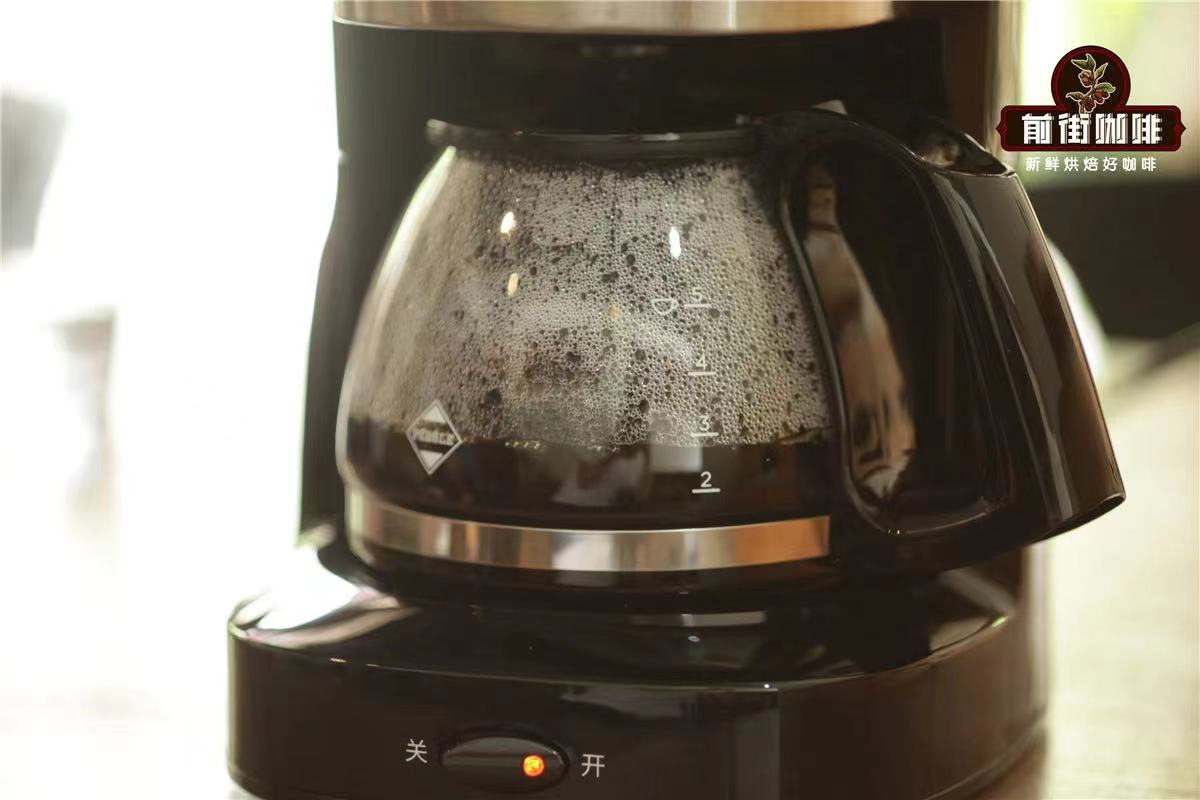
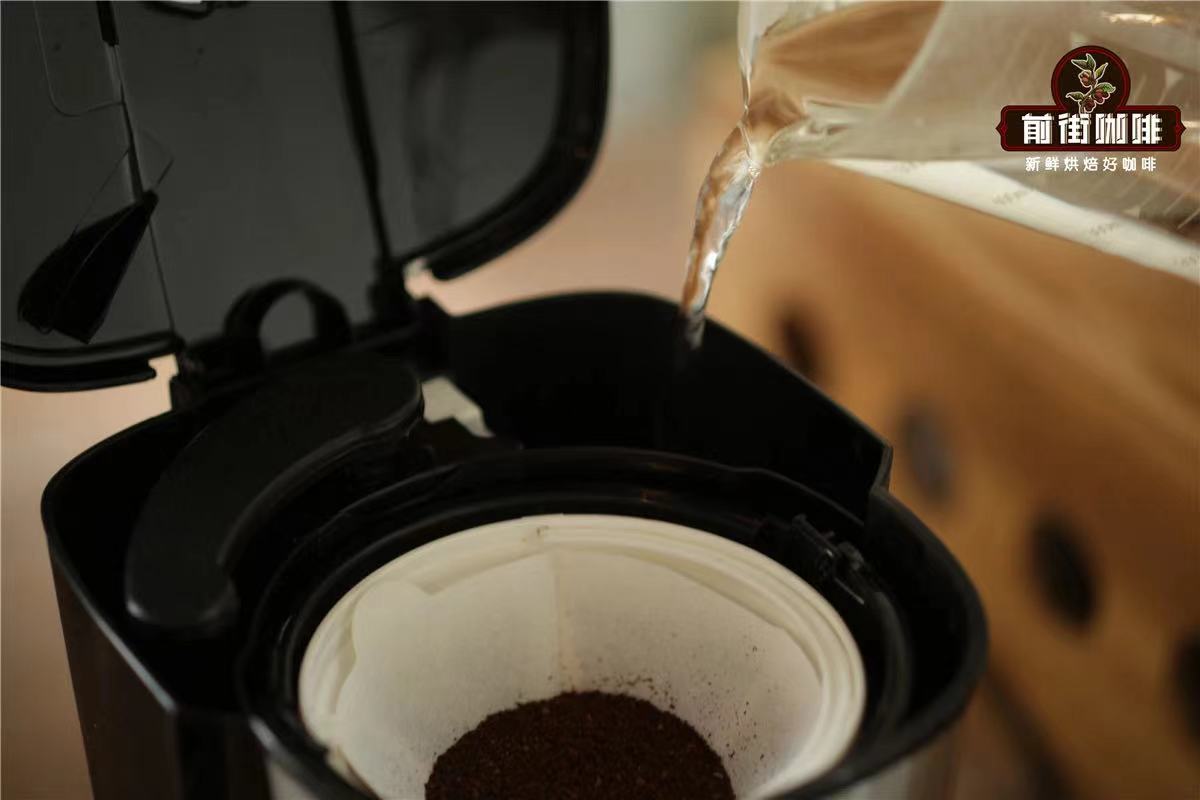
Now for the machine itself, using a De'Longhi drip coffee maker as an example. Plug it in, then add ground coffee to the filter basket with the scoop, to taste. A general guide is 5 grams of coffee per 100 grams of water, adjustable to your preference. Fill the water tank, close the lid, press start, and the machine does the rest. It really is that simple.
Americano vs. Drip Coffee: What's the Difference?
American coffee can also be made by diluting espresso with water. So which tastes better - an espresso-based Americano or drip coffee? It comes down to preference. FrontStreet Coffee finds the espresso version richer and fuller, with the crema adding texture and complexity, while drip coffee comes out relatively cleaner.

Understanding Espresso vs. Americano
At this point many readers will ask: what's the difference between espresso and Americano? Simply put, espresso = Italian-style coffee = European-style coffee, while Americano = American-style coffee. How are they connected? Americans once drank mostly drip coffee, but during World War II, soldiers unaccustomed to the intensity of Italian espresso diluted it with water. To cater to that taste, the "Americano" - espresso plus water - gradually emerged. Traditional Italian coffee, beyond espresso, also welcomes sugar and milk, giving rise to drinks like the latte and cappuccino.
FrontStreet Coffee Recommendation
Whether you drip or pour over, bean choice makes the biggest difference. For clean, floral cups in a drip machine, FrontStreet Coffee's washed Yirgacheffe is a classic: jasmine florals, bright citrus and lemon acidity, and a gentle tea-like finish. If you prefer something fuller after espresso-based drinks, the PWN Golden Mandheling brings low-acid, herbal dark-chocolate richness that suits both pour-over and the drip machine alike.
Important Notice :
FrontStreet Coffee is a long-established specialty coffee roaster in Guangzhou China, selling freshly roasted beans from its own farm in Yunnan as well as dozens of carefully selected single-origin beans from around the world for both pour-over and espresso. The products deliver consistently excellent quality and great value, with shipping within 24 hours. Guangzhou's FrontStreet Coffee shop is recommended by many coffee lovers, and the beans are now available online at the Tmall 。
FrontStreet Coffee has moved to a new address:
FrontStreet Coffee Address: 315,Donghua East Road,GuangZhou
Tel:020 38364473
 Scan and follow the En Gafei WeChat official account. Please indicate that the reprint comes from "En Gafei".

