
Flavor Profile Introduction of Costa Rica Tarrazu Coffee Bean Region - Honey Process Pour-Over Coffee Taste
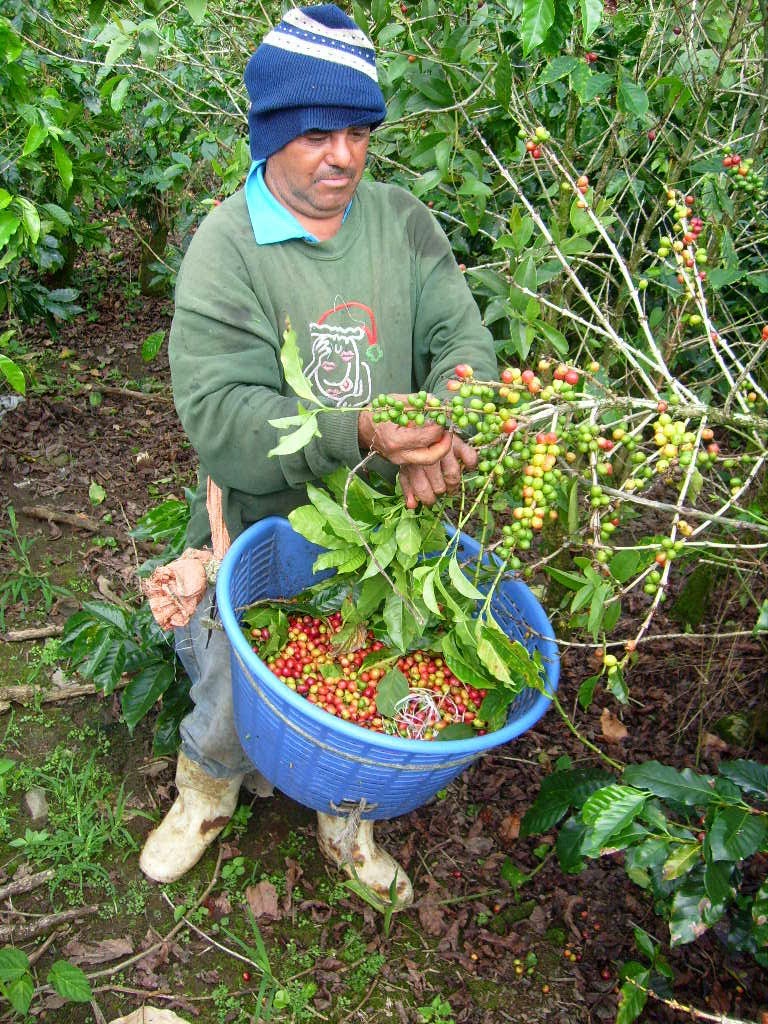
Although many baristas at FrontStreet Coffee adore the clean, refined, unadorned qualities of washed coffee, we have to admit that current drinking trends lean toward sweetness. Costa Rican coffee, world-renowned for honey processing, has become FrontStreet Coffee's signature attraction: a balanced sweet-sour profile wrapped in intense fermented aromas. FrontStreet Coffee's Strawberry Sugar and Mozart coffees, both famous names among coffee lovers, shine through every brewing method—pour-over, cold brew, moka pot, or drip machine.

FrontStreet Coffee's Signature: Costa Rican Coffee
Let's take a closer look at this signature. By FrontStreet Coffee's research, Costa Rica's coffee history is not especially long—about three hundred years—but its farmers cherish the craft, and a distinctive coffee culture has grown around it. Costa Rica manages its coffee with meticulous care and strict regulation while continually refining its processing methods, which has made its coffee industry one of the best-organized in the world.
In 1830, Costa Rica adopted washed processing, and the quality of washed coffee improved steadily. Looking to raise quality and sales further, farmers began experimenting—and in that process discovered a method halfway between natural and washed that cut drying time dramatically. That is how honey processing was born.

In honey processing, selected cherries go into a depulper to strip skin and pulp while the mucilage stays on, then the beans dry naturally in shaded, ventilated areas for typically 12-14 days. Finally, moisture content and fermentation level are checked. Retaining the mucilage makes honey-processed beans sweet as honey—the reason Costa Rican coffee commands such loyalty. Mucilage retention and fermentation time also shape the beans' appearance and flavor, so Costa Rica grades its honey coffees into black honey, gold honey, red honey, yellow honey, and white honey.
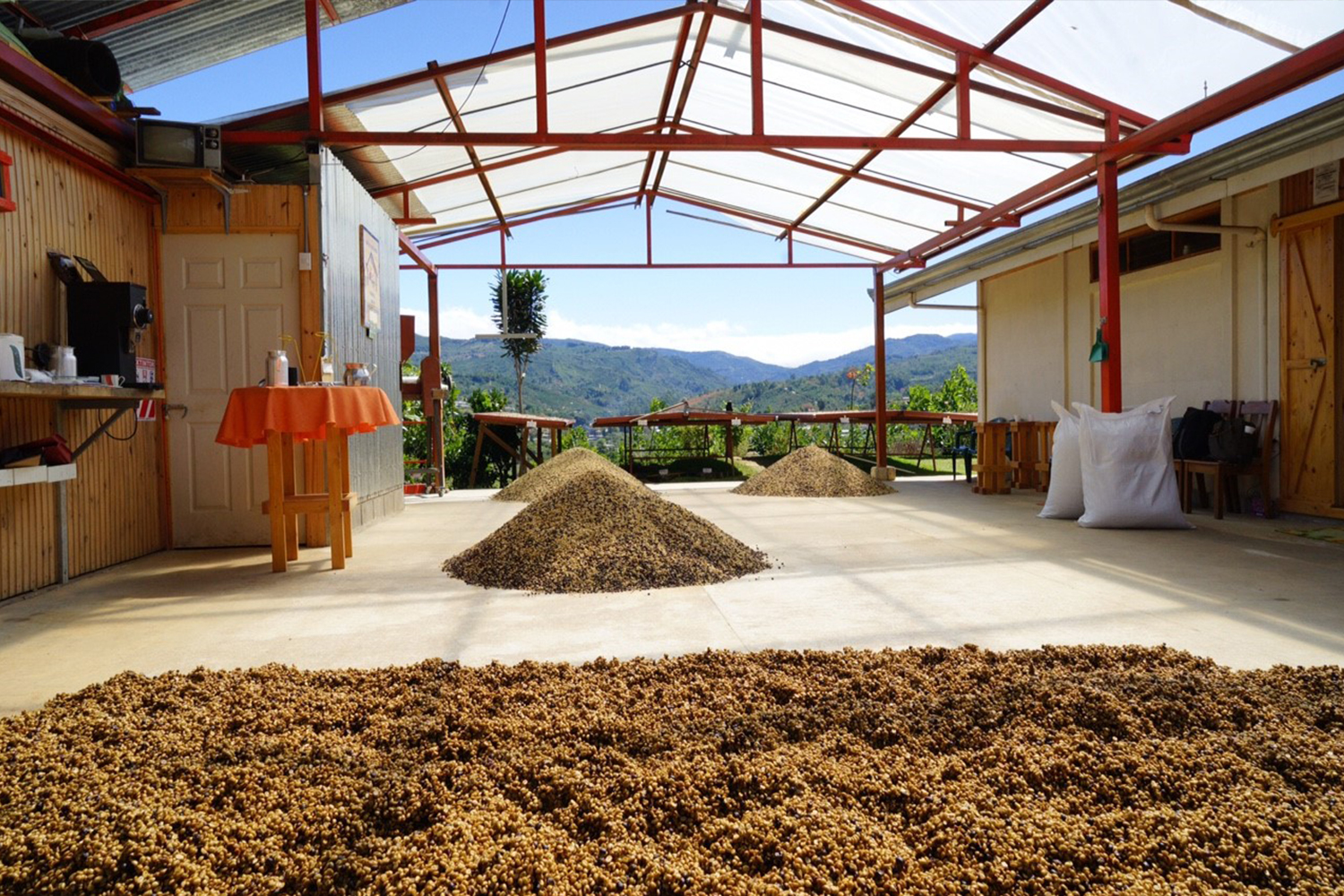
Among FrontStreet Coffee's Costa Rican beans, raisin honey processing predominates, and it differs from the conventional method above: raisin honey processing first sun-dries whole cherries until they wrinkle like raisins, then removes skin and pulp while preserving 100% of the mucilage, and dries the beans a second time until moisture reaches 11%.
FrontStreet Coffee's Classic: Costa Rican Milasú
Take FrontStreet Coffee's most classic Costa Rican lot, Milasú, as an example:

FrontStreet Coffee Costa Rican Milasú Coffee Beans
- Origin: Costa Rica
- Region: Tarrazú
- Estate: Milasú Estate
- Altitude: 1700 meters
- Processing: Raisin Honey Process
- Varieties: Geisha, ET47, SL28, MAICO
This Geisha-blend coffee comes from the Tarrazú region. Costa Rica has eight producing regions—West Valley, Central Valley, Tarrazú, Tres Rios, Orosi, Brunca, Turrialba, and Guanacaste—but Tarrazú alone accounts for approximately 35% of the country's total production.
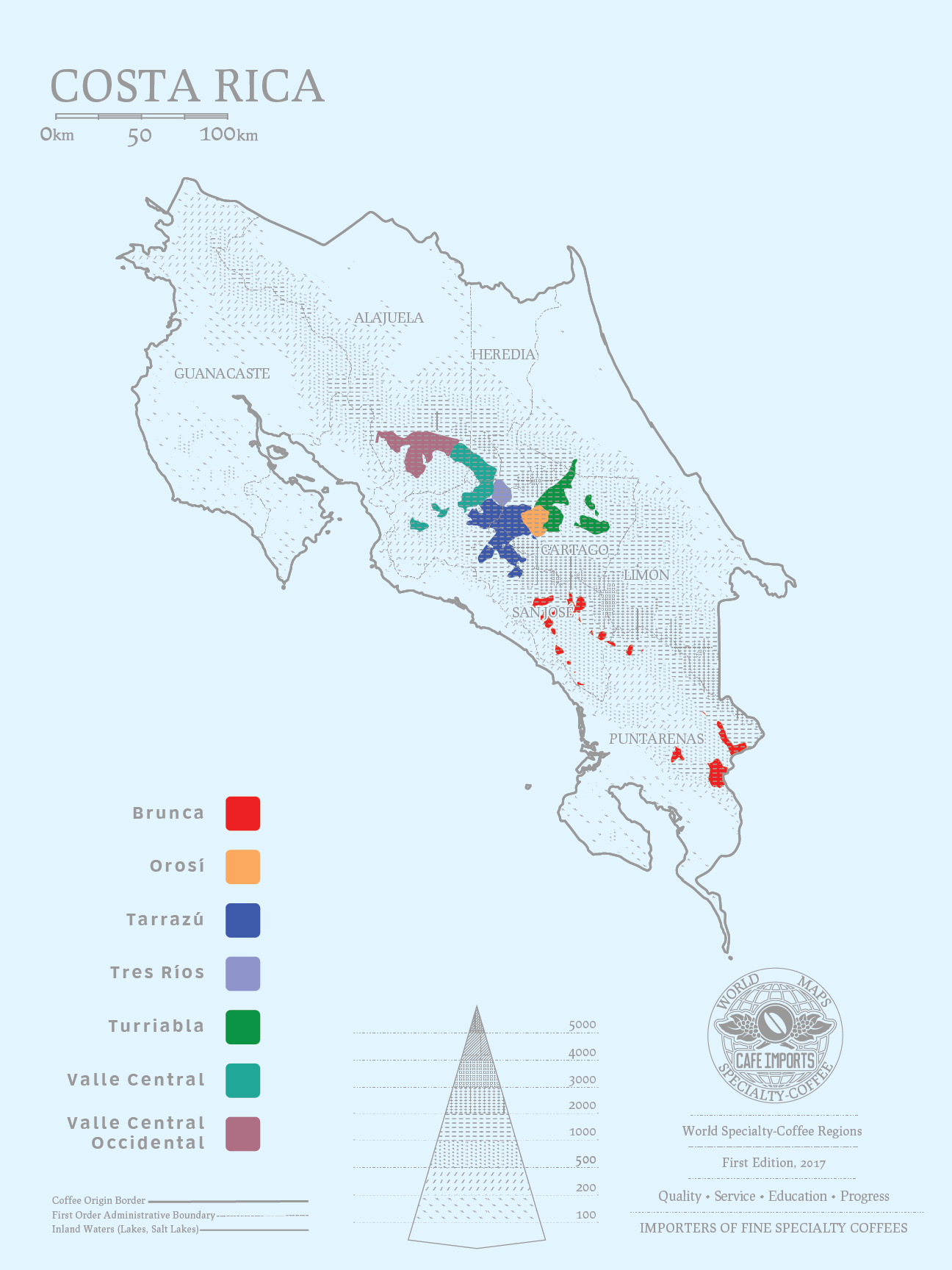
Notice, then, that nearly half of FrontStreet Coffee's Costa Rican lineup comes from Tarrazú, including the famous Musician Series: Mozart, Beethoven, and Bach. Tarrazú is Costa Rica's most important and highest-quality specialty region. Beyond micro-lots it also produces large quantities of exceptional bulk coffee. Set in Costa Rica's picturesque Central Valley, Tarrazú enjoys distinct dry and rainy seasons, superb soil and topography, and elevations between 1200-1800 meters—all of which make it a truly ideal home for Arabica. The name "Tarrazú" comes from the ancient Huetar indigenous people who once settled here.
Costa Rican green coffee is typically graded on both altitude and defects. Altitude grades include SHB (Strictly Hard Bean) and HB (Hard Bean); defect grades include EP (European Preparation) and USP (U.S. Preparation), with EP demanding the lower defect rate. A Costa Rican SHB EP lot therefore represents high-grade bulk coffee—and most coffee on the market today is high-grade, since better quality brings better margins to suppliers and farmers while burnishing Costa Rica's reputation.

Why Costa Rican Coffee Excels
Why does coffee thrive so well in Costa Rica? The country offers a mild climate, abundant mountain rainfall, and fertile volcanic soil—an ideal growing environment. On top of that, the government showed real foresight in the early 19th century by developing coffee cultivation aggressively; coffee has since overtaken cacao, tobacco, and sugar to become a key economic crop and a primary source of fiscal revenue. Tarrazú beans, grown high up with wide day-night temperature swings, accumulate rich flavor compounds: good acidity that stays smooth and balanced. The local volcanic soil is exceptionally fertile and well-draining—the essential foundation of quality.
The Milasú Estate Story
And what about Milasú itself? These beans from the Tarrazú Milasú Estate grow at approximately 1,700 meters. Estate owner Esteban is a coffee doctor and a member of the renowned La Candelilla estate family, with particular expertise in cultivation and green-bean processing R&D.

From the green-bean information above, you can see this is a blended-variety coffee. FrontStreet Coffee will introduce the most famous of them—Geisha: it was discovered in 1931 in the Geisha forest of Ethiopia, sent to Kenya's Coffee Research Institute, introduced to Uganda and Tanzania in 1936, and brought to Costa Rica in 1953. Geisha is an original variety within Arabica, and it is fussy: high altitude, cloud shade, fertile soil, and abundant accumulated heat are all required. Unlike many lots that carry obvious grassy notes, these raisin honey-processed beans burst with floral aroma and abundant sweet berry flavors. Brew some with FrontStreet Coffee and taste for yourself!

Brewing Parameters
- Dripper: V60
- Water Temperature: 90°C
- Dose: 15 grams
- Ratio: 1:15
- Grind Size: 78% pass-through rate on Chinese standard #20 sieve
Multi-stage Extraction:
Use 30g of water for 30-second blooming, then continue with small circular pours to 125g for the first stage. When the water level drops to just expose the coffee bed, continue pouring to 225g and stop. When the water level drops to just expose the coffee bed again, remove the dripper. (Timing starts from the beginning of blooming) Total extraction time: 2 minutes.
FrontStreet Coffee Recommendation
Coffee like this is sweet enough to enjoy black, but Costa Rican beans also shine through a moka pot. FrontStreet Coffee's Classic Blend was designed specifically for espresso and moka pot brewing: a traditional Mamba recipe (Mandheling plus Brazil) with outstanding, velvety crema that even a novice on a home machine can pull off, and a rich, mellow body that welcomes lattes, cappuccinos, and Dirty drinks alike.
If you prefer single origins in the moka pot, FrontStreet Coffee's Brazil Queen Estate Yellow Bourbon is a beautiful fit: very low acidity, a balanced and smooth cup dense with nut and cocoa aroma and clear caramel sweetness, lingering and warm. FrontStreet Coffee's PWN Golden Mandheling is another moka-pot favorite—deep-roasted, herbaceous, and black-chocolate rich with only a faint earthy note, made for drinkers who love weight and sweetness but not sourness.
Important Notice :
FrontStreet Coffee is a long-established specialty coffee roaster in Guangzhou China, selling freshly roasted beans from its own farm in Yunnan as well as dozens of carefully selected single-origin beans from around the world for both pour-over and espresso. The products deliver consistently excellent quality and great value, with shipping within 24 hours. Guangzhou's FrontStreet Coffee shop is recommended by many coffee lovers, and the beans are now available online at the Tmall 。
FrontStreet Coffee has moved to a new address:
FrontStreet Coffee Address: 315,Donghua East Road,GuangZhou
Tel:020 38364473
 Scan and follow the En Gafei WeChat official account. Please indicate that the reprint comes from "En Gafei".

