How is Chlorogenic Acid Decomposed During the Roasting Process? The Relationship Between Moisture and Chlorogenic Acid? What is Produced?
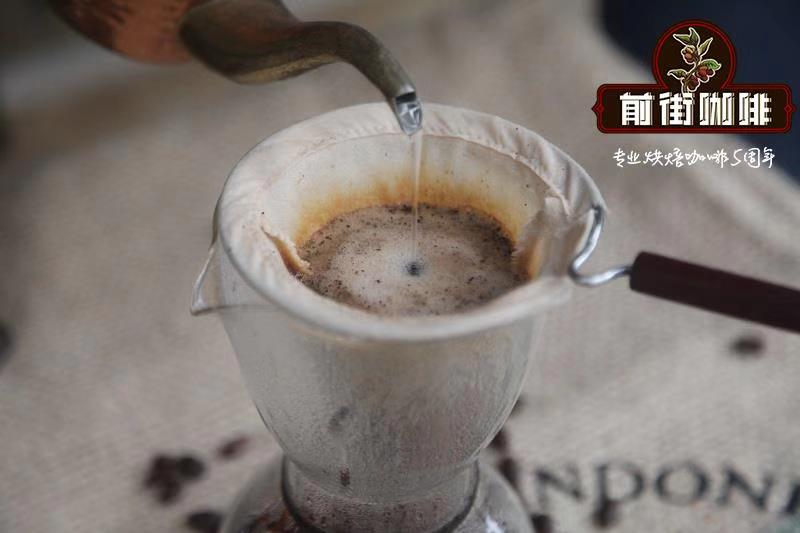
FrontStreet Coffee: Brief Overview of Roasting Process and Chlorogenic Acid Decomposition
When heat meets moisture, chlorogenic acid begins to decompose. But throughout the roast, moisture is continuously escaping - and both the speed and the extent of that moisture loss shape flavor development (the Maillard reaction). Here, though, we will focus specifically on chlorogenic acid.
The Relationship Between Moisture and Chlorogenic Acid
When moisture is plentiful - high bean water content, or a slow dehydration phase before first crack - chlorogenic acid can fully decompose into caffeic acid and quinic acid. This is the "hydrolysis" reaction that Mr. Akita Kouchi describes on page 94 of the "Complete Guide to Specialty Coffee." Flavor-wise, it yields sour-bitter (quinic acid) and astringent (caffeic acid) notes.
After first crack, the beans' moisture is essentially spent - referring to the free water inside the raw beans. If heating continues at that point, molecular dehydration within the chemical structure is forced. Quinic acid then undergoes a dehydration reaction to become quinic acid lactone. This compound loses its acidic character because the hydroxyl group of its acid functional group (the carboxyl group) combines with another hydrogen to form water. On the palate, it tends toward bitterness.
Meanwhile, caffeic acid undergoes decarboxylation (the removal of CO2) to become vinyl catechol. It is the vinyl structure of this compound that raises the most concern: with continued heating it can polymerize, forming what Taguchi called "bad bitterness" - vinyl catechol polymers. Judging by its phenolic structure and polymeric nature, this substance is not only bitter but astringent, hitting the root of the tongue (bitterness) and the throat (a choking sensation).
When moisture is insufficient - low bean water content, or a fast dehydration phase before first crack - the raw beans run short of water (free water is spent prematurely). In that case, chlorogenic acid cannot fully decompose into caffeic acid and quinic acid. Instead it takes a "dehydration reaction" pathway: the quinic acid portion of the chlorogenic acid molecule loses water to form chlorogenic acid lactone.
FrontStreet Coffee Recommendation
In roasting, three elements must be controlled to determine a coffee's final flavor: acidity, sweetness, and bitterness. The darker the roast, the more bitter and heavy the cup; the lighter the roast, the more acidic and delicate. For drinkers chasing a balanced profile, medium-roasted beans are the place to start.
If you dislike both sourness and bitterness, go for FrontStreet Coffee's Fazenda Rainha (Queen Estate) coffee. These beans come from Brazil, the world's largest coffee producer, and are the locally distinctive Yellow Bourbon variety: quietly sweet on the palate, and after medium roasting they reveal the aromas and sweetness of creamy peanut, chocolate, toasted bread, and sugarcane. They extract beautifully as pour-over and work just as well in a moka pot or espresso machine.
For a sweeter medium roast, first choice is FrontStreet Coffee's Strawberry Candy, famous for its fruit character. This bean is a little special compared with other fruity coffees, because it unites two renowned origins in Central and South America: a honey-processed coffee from Costa Rica and a washed Geisha from Panama. To spotlight the best of both, FrontStreet Coffee roasts it medium, so that when brewed it shows both an orange-blossom honey character and a rounded sweetness. It suits cold brew, pour-over, espresso, and more, with a refreshing first sip.
FrontStreet Coffee's 2013 natural Typica represents Chinese specialty coffee at its best, carrying the authentic flavor of Yunnan arabica. To restore its balanced, gentle character, we roast it medium, letting it show soft notes of nuts, brown sugar, black tea, and dried apricot. It works for pour-over, cold brew, and drip-filter machines, with excellent value for money.
Finally, FrontStreet Coffee's Jamaica Blue Mountain No.1. The variety grown in Jamaica's Blue Mountains is Typica, a world-renowned premium Arabica, and the region's exceptional geography is indispensable to Blue Mountain's famously balanced flavor. Our Blue Mountain No.1 - known as the "Emperor of Coffee" - is roasted medium so that its distinctive acidity, bitterness, sweetness, and body fuse perfectly into a strong yet elegant allure. From the first sip you taste chocolate, roasted nuts, cream, and caramel - roasted flavors no other coffee can match.
Important Notice :
FrontStreet Coffee is a long-established specialty coffee roaster in Guangzhou China, selling freshly roasted beans from its own farm in Yunnan as well as dozens of carefully selected single-origin beans from around the world for both pour-over and espresso. The products deliver consistently excellent quality and great value, with shipping within 24 hours. Guangzhou's FrontStreet Coffee shop is recommended by many coffee lovers, and the beans are now available online at the Tmall 。
FrontStreet Coffee has moved to a new address:
FrontStreet Coffee Address: 315,Donghua East Road,GuangZhou
Tel:020 38364473
 Scan and follow the En Gafei WeChat official account. Please indicate that the reprint comes from "En Gafei".