African Coffee Origins and Distribution Map: Coffee Regions, Varieties, and Flavor Characteristics
Friends who have visited FrontStreet Coffee's physical stores will notice that on our bean menu, the first column is reserved for African beans. It's not that FrontStreet Coffee favors Africa — it's that African beans are truly numerous, each producing country has its own flavor signature, and there are subtle differences even among growing regions.
Africa lies in the equatorial zone and is one of the world's most famous coffee-producing regions, with Ethiopian and Kenyan coffees the most celebrated. These two countries are the pillars of African coffee; if either stumbled, the losses to the African coffee industry would be incalculable. Their coffees have won recognition from the global coffee industry and gathered legions of fans! Of course, Africa doesn't rest on these two countries alone — there is much more to learn!
Many of the world's finest African beans come from Ethiopia and Kenya in the east through Rwanda, where high-quality Arabica is grown, to West African countries such as Senegal and Cameroon, where most Robusta is cultivated. This article briefly introduces several regions: Ethiopia, Uganda, Kenya, Tanzania, and Malawi. Fair to say, coffee grows widely across the African continent — even wild in many places.

Flavor Characteristics: Captivating Fruit Acidity
As the birthplace of coffee, Africa holds a pivotal position in the entire industry. Although coffee cultivation has spread worldwide over hundreds of years, Africa's countless wild varieties remain the greatest treasure for coffee researchers. African coffee generally shows rich aroma and captivating fruit acidity — bright, invigorating, and refreshing — though the body is often somewhat thin and sweetness not particularly prominent. Because of drought and water scarcity, natural processing is common for green beans, often producing uneven, less beautiful bean shapes with higher defect rates.
Ethiopia
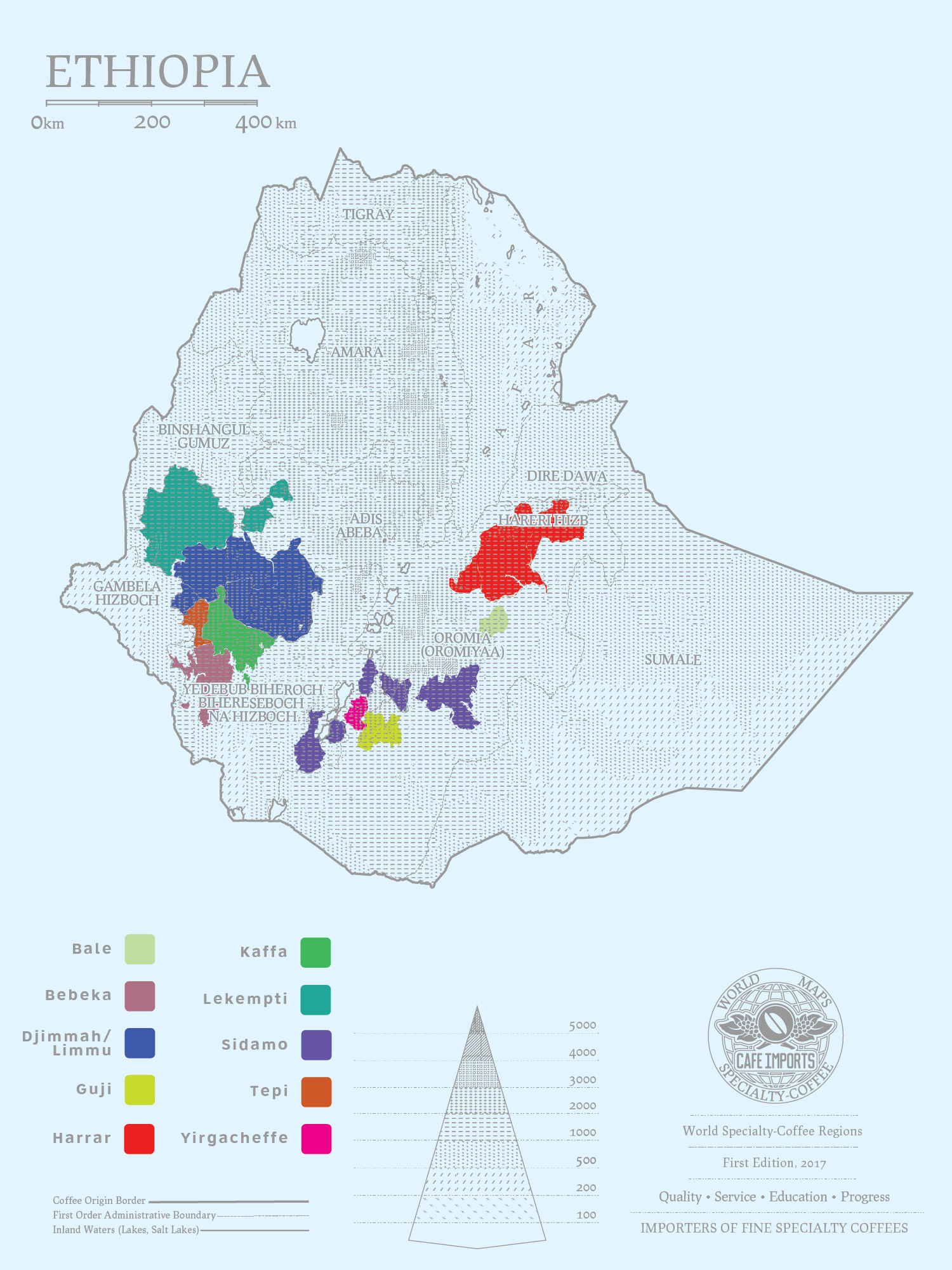
Administratively, all five major states of Ethiopia grow coffee, with four cultivation systems distributed across nine major regions: Jimma, Sidamo, Yirgacheffe, Harar, Limu, Illubabor, Kefa (Lekempti), Teppi, and Bebeka. Among these, Yirgacheffe, Harar, and Sidamo coffees are the best known.

Ethiopia's Coffee Cultivation
Ethiopia's administrative boundaries changed around 1995, and the biggest impact on coffee regions was that the former Sidamo province was split: the new Sidama region occupied a small portion, while most was folded into the Oromia region. Yirgacheffe, once part of Sidamo province, now belongs to the new Gedeo zone. The result is a mixed market where Ethiopian coffees carry both old and new regional names. Here we'll use the new divisions as our basis, reading Ethiopia's coffee map alongside its administrative regions.
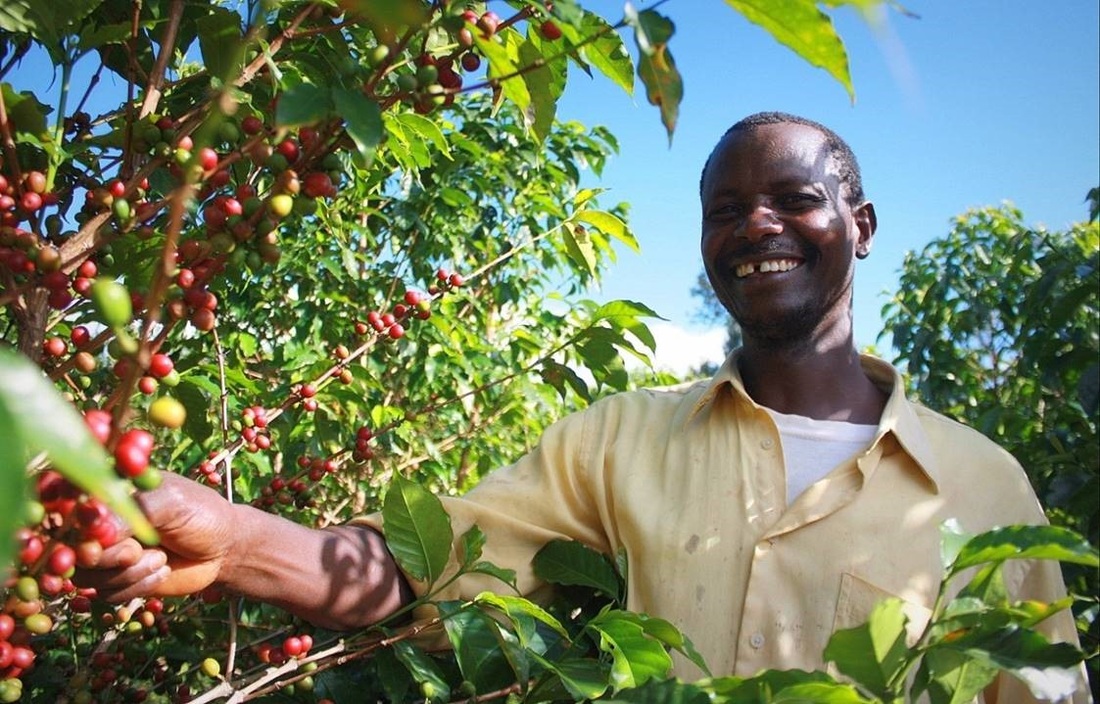
Ethiopian coffee cultivation concentrates in the western and southern regions, with smallholder families accounting for 90% of total cultivation. Nearly 1.2 million smallholder families rely on coffee for their livelihood. Each household farms less than 4 hectares, at an average altitude of 1000-2300 meters, with planting density of 1000-1800 trees per hectare and output of nearly 600kg per hectare.

By scale and pattern, Ethiopian coffee cultivation divides into:
- Forest coffee (8-10%): Coffee trees coexist with other plants in original forests, without any artificial management; farmers regularly harvest the cherries.
- Semi-forest coffee (30-35%): Cultivation areas between forests and farmers' living areas; the trees are the same natural varieties as forest coffee, and farmers manage them while planting other cash crops.
- Garden coffee (50-55%): Coffee trees planted around farmers' homes, mostly self-cultivated.
- Plantation coffee (5-6%): Large private growers with more processing facilities and production capacity.

Ethiopian Coffee Varieties
Ethiopia has nearly 2000 recorded coffee varieties — 1927 native and 128 introduced.
In appearance, Ethiopian varieties are like a "grand garden" with everything: long, short, thin, fat...
Family Tree of Ethiopian Native Varieties
Long-bean varieties appear throughout all Ethiopian coffee regions. By observed proportion, they are more common in the western Jimma region — including Limu and Kaffa — and rarer in Sidama or Yirgacheffe.
Small-bean varieties look relatively round with very small beans, mostly screen size 14-15. These are the most familiar to us, common in Sidama and Yirgacheffe; I've also seen them in a Harar sample and in green coffee sold locally in Jimma. Compared with other regions, Sidama, Yirgacheffe, and the surrounding Arsi and Guji areas cultivate more of these small-bean native varieties.
Processing Methods
Ethiopian coffee processing divides as follows:
- Natural process: the most traditional method. The Harar region is particularly arid and lacks the water for washed processing, so all of its output is natural processed; Sidama, Yirgacheffe, Guji, and Jimma also produce naturals.
- Washed process: more demanding in equipment, water resources, and processing-plant environment, but capable of stably producing high-quality coffee at scale. Every region except Harar uses washed processing.
- Honey process: in recent years, items labeled Kochere honey have gradually appeared on the market — a question mark for now.
Flavor Characteristics
- Washed process: citrus fruits — lemon, tangerine, orange, grapefruit, pomelo. Flavor intensity ranges from obvious citrus-peel aroma to varying levels of fruit acidity, from soft mandarin to medium-strength orange to more refreshing lemon and grapefruit.
- Natural process: ripe yellow, red, and black fruit aromas — apricot, peach, cherry, strawberry, dried cranberry, dried blueberry, plum — accompanied by varying degrees of winey notes, like rum, whiskey, even red wine (Beaujolais).
Ethiopian Coffee Grades
Ethiopian coffee grading is quite complex.
FrontStreet Coffee learned through research that under the Ethiopian Ministry of Agriculture sits a department called the Cupping and Liquoring Unit (CLU), responsible for quality approval of exported coffee — including the crucial task of grade definition. The CLU predates the ECX.
Before ECX, washed coffee exported in grades G1 and G2; natural coffee exported as G3, G4, G5 — meaning the highest natural grade was G3.
After ECX emerged, grading was redefined: washed grade names stayed the same, but G1 appeared for the first time among natural grades. That's why G1 and G2 Ethiopian naturals now exist on the market while G3 is becoming rare.
The Ethiopian coffee carried at FrontStreet Coffee is all G1 grade.

Nine Major Specialty Coffee Regions in Ethiopia
Yirgacheffe (Specialty Region): Altitude 1,800~2,000 meters | Garden coffee system
Yirgacheffe belongs administratively to Sidamo but was separated out for its unique flavor. Besides Yirgacheffe town, it includes three surrounding sub-regions: Wenago, Kochere, and Gelena/Abaya. In the new Yirgacheffe grading system, Yirgacheffe A, Wenago A, Kochere A, and Gelena/Abaya A command higher prices than their B counterparts. Beyond washed and natural, the region has begun producing beans with special processing methods. FrontStreet Coffee's daily series includes a washed Yirgacheffe with a clean taste, strong white florals, and sweet aftertaste that even our baristas love.

Sidamo (Specialty Region): Altitude 1,400~2,200 meters | Garden coffee system
Flavor similar to Yirgacheffe: finely washed or naturally processed Sidamo shows the same florals and citrus, with value no less than Yirgacheffe. The two regions share similar varieties — medium-sized beans but also dwarf small-bean types that farmers often sell separately. Common varieties include Kurmie (poor disease resistance), Wolisho (tall and robust), and Deiga (medium-sized trees); these three form the backbone of the specialty natural series Bilooya and Ariesa. FrontStreet Coffee's Huakui comes from Sidamo: besides its obvious floral aroma, it carries the region's characteristic wild berry acidity, hugely popular with our customers.

Limu (Specialty Region): Altitude 1,200~2,000 meters | Garden, forest, semi-forest, plantation systems
Production is relatively small and flows mainly to European and American markets — not easy to find in Taiwan, but very popular in the West. It comes washed, natural, and semi-washed. Limu's body is noticeably thinner, and its florals and citrus fall short of Yirgacheffe and Sidamo, but it offers a grassy aroma, brown-sugar fragrance, and bright fruit acidity.

Harar (Specialty Region): Altitude 1,500~2,400 meters | Garden coffee system
Harar produces exclusively natural processed coffee. It is an ancient eastern city, though coffee isn't grown in the urban area itself — "Harar coffee" refers to coffee from the Harar Highlands of the greater Harar region. With annual rainfall of only 1,000 millimeters, everything is natural processed. Flavor-wise, Harar is famous for its special "mixed aromas," typical of coffee's ancient early character, and it stands alongside Yirgacheffe as one of the "Twin Stars."
If Harar's defective beans are sorted cleanly, it's easy to taste berry aromas with a pleasant fermented complexity. However, quality has been unstable in recent years and the grading system unreliable, so cupping or trial tasting is essential before buying.
Jimma (Commercial Coffee Region): Altitude 1,350~1,850 meters | Forest/semi-forest system
Jimma is the capital of the Kaffa Forest, or Kaffa Province. The English spelling is inconsistent — mostly "Jimma" on maps, but "Djimmah" on coffee sacks. This is Ethiopia's largest coffee-producing region, accounting for one-third of exports.
The Kaffa Forest is famous for its original wild varieties. Jimma serves as the region's distribution center: farmers habitually transport harvested coffee from forest areas to Jimma, where hundreds or thousands of varieties are mixed and sold as commercial beans — masking the flavors of many delicious ones.
Washed specialty Jimma lacks Yirgacheffe's citrus and floral charm but offers a clean, transparent profile similar to Central American specialty coffees. Commercial-grade specialty Jimma is common in Taiwan. If you're lucky, you can find high-quality, reasonably priced Jimma with a clear lemon-peel fragrance not inferior to Sidamo. Generally, Jimma tastes better than Brazilian commercial Santos, making it a good mid-to-low-priced blend component.

Illubabor (Commercial Coffee Region): Altitude 1,350~1,850 meters | Forest/semi-forest system
Located in western Ethiopia bordering Sudan, this is the westernmost producing region. Its coffee genetic diversity is second only to the Kaffa Forest. The beans are noticeably larger than Yirgacheffe and Sidamo, with lower fruit acidity, good body, and balanced flavor. Most coffee from here is trucked to Jimma for blending and rarely sold independently.
Kefa, Lekempti (Commercial Coffee Region): Altitude 1,500~1,800 meters | Forest/semi-forest system
This region produces both natural and washed beans. The beans resemble Harar's long shapes, and a small amount of specialty grade is quite popular in Europe and America. Most are known as the "poor man's Harar," with fruit acidity and fruit flavors superior to Illubabor and bright overall character.
Teppi, Bebeka (Commercial Coffee Region): Altitude 500~1,900 meters | Garden/forest/semi-forest systems
These two regions sit very close together, Teppi north of Bebeka. There are enterprise-managed plantations, and in recent years garden systems have been promoted to raise farmers' income, with annual output of about 3,000 tons. Both regions have wild coffee of low production and flavors completely different from Harar and Yirgacheffe. Low fruit acidity is the defining trait, suiting them to blend components. Both natural and washed processing are available.
Lake Tana Area (Alternative Region): Altitude 1,840 meters | Forest system
Monastery coffee. Annual production from the surrounding forest coffee is extremely small — less than 10 tons — hardly qualifying as a producing region. The many Eastern Orthodox monasteries, churches, religious murals, and myths around the lake make this the world's most "divine" coffee. European monastery monks established coffee cultivation here, later taken over by coffee communities or cooperatives in villages around the town. There are no dedicated plantations; coffee trees grow scattered in forests and gardens. During harvest season, the Ethiopian Coffee Trading Company comes to town to buy the beans farmers have collected.

FrontStreet Coffee Yirgacheffe Gedeb Coffee Beans
Region: Yirgacheffe region, Ethiopia
Cooperative: Gedeb Cooperative
Altitude: 2000m~2100m
Variety: Local native varieties
Processing method: Washed process
Roasting Suggestions
FrontStreet Coffee's Gedeb suits light-to-medium roasting, which highlights its clean taste, bright fruit acidity, and obvious sweet finish.
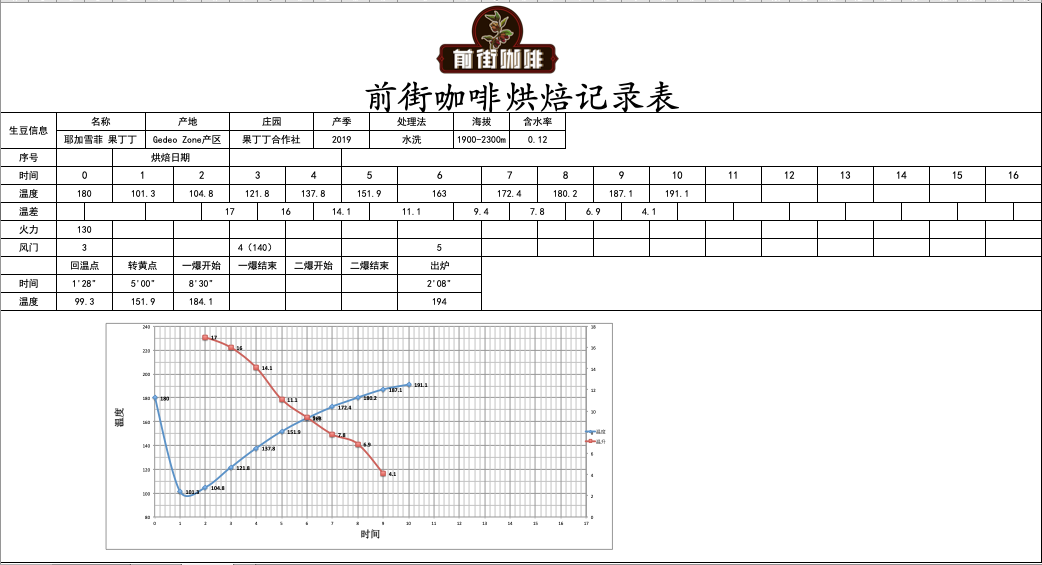
Machine: Yangjia 800N roaster
Charge temperature: 180°C
Yellowing point: 5'00", 149.9°C
First crack: 8'42", 183.8°C
Development after first crack: 1'48", dropped at 193.5°C.
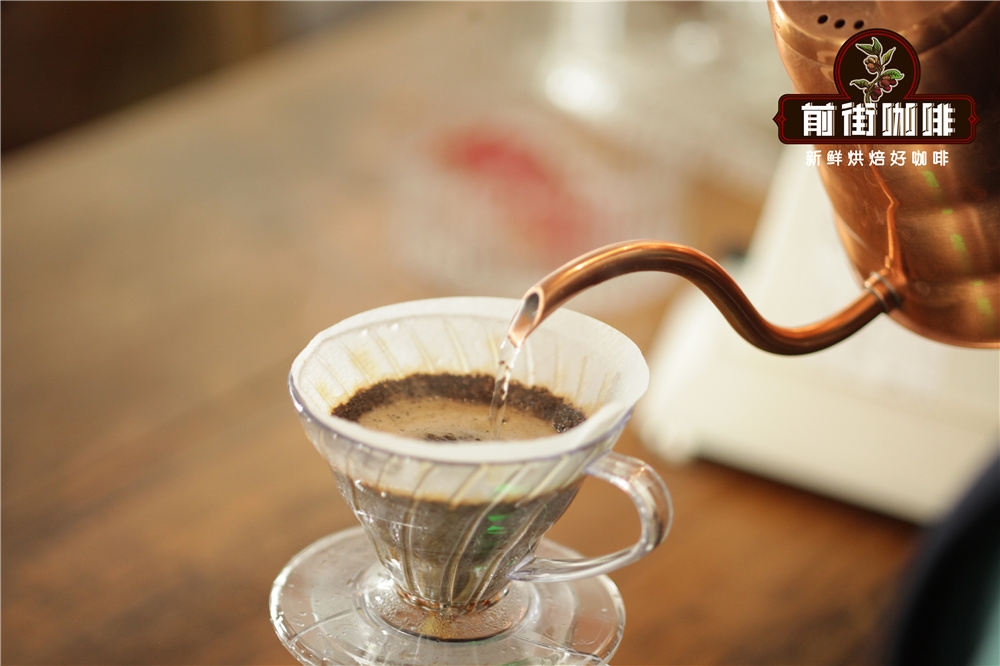
Brewing Suggestions
Filter: Hario V60
Water temperature: 90°C
Coffee-to-water ratio: 1:15
Grind size: Medium-fine
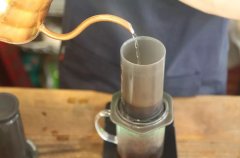
Bloom with 30g of water for 30 seconds. When pouring to 125g with a small circular flow, perform a split. When the water level drops and is about to expose the coffee bed, continue pouring to 225g and stop. When the water level drops again to just above the bed, remove the dripper. (Timing starts from the bloom.) Extraction time is 2'00".
Flavor Description
The entry shows citrus and black tea; as the temperature changes, cream, caramel, and almond notes appear, with an obvious sweet finish and a clean, sweet taste.
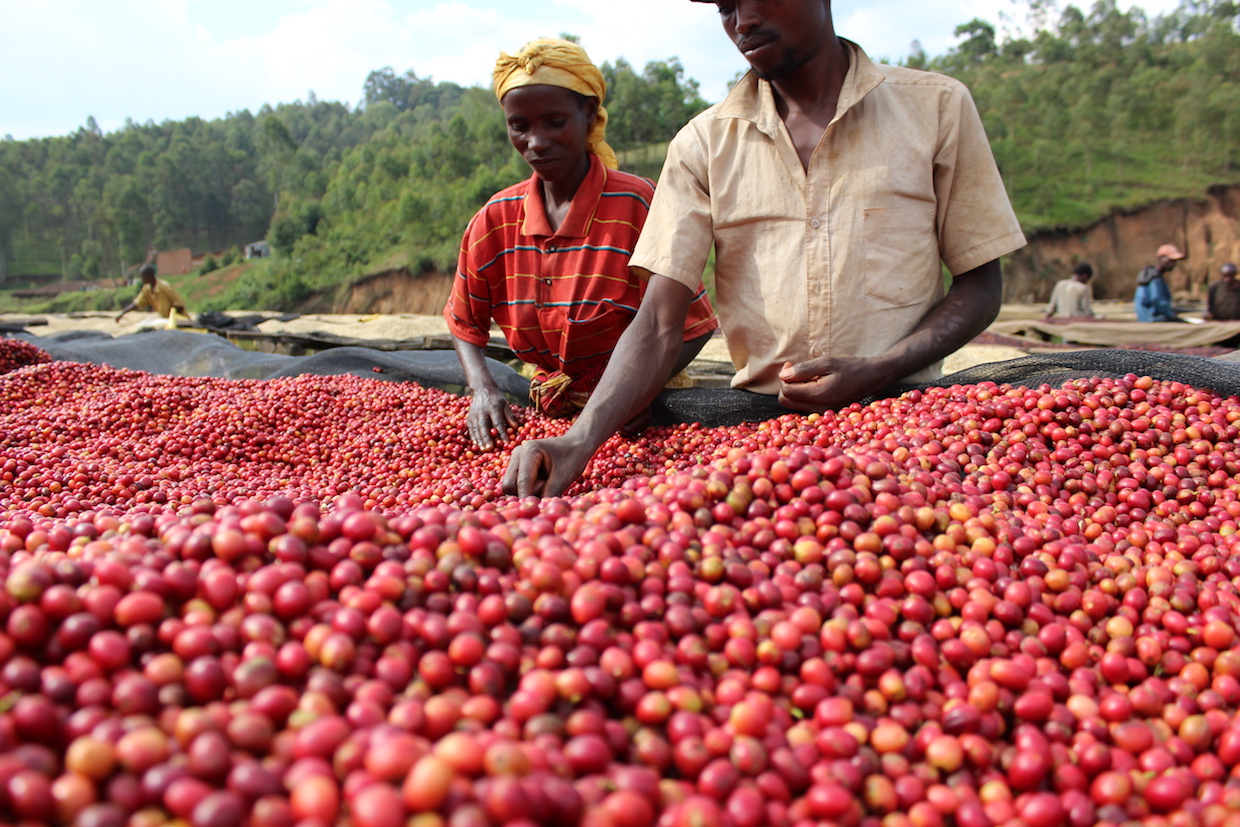
Burundi
Burundi (the Republic of Burundi) lies south of the equator in east-central Africa. It borders Rwanda to the north, Tanzania to the east and south, Congo (DRC) to the west, and Lake Tanganyika to the southwest. The country is mostly highlands and mountains, largely made up of the eastern side of the East African Rift Valley highlands, with a national average altitude of 1,600 meters — hence its nickname, the "Mountain Country." Burundi's mountains, altitude, and climate suit coffee cultivation perfectly. FrontStreet Coffee noticed on the map that the name "Heart of Africa" is no accident — the country's shape resembles a heart.
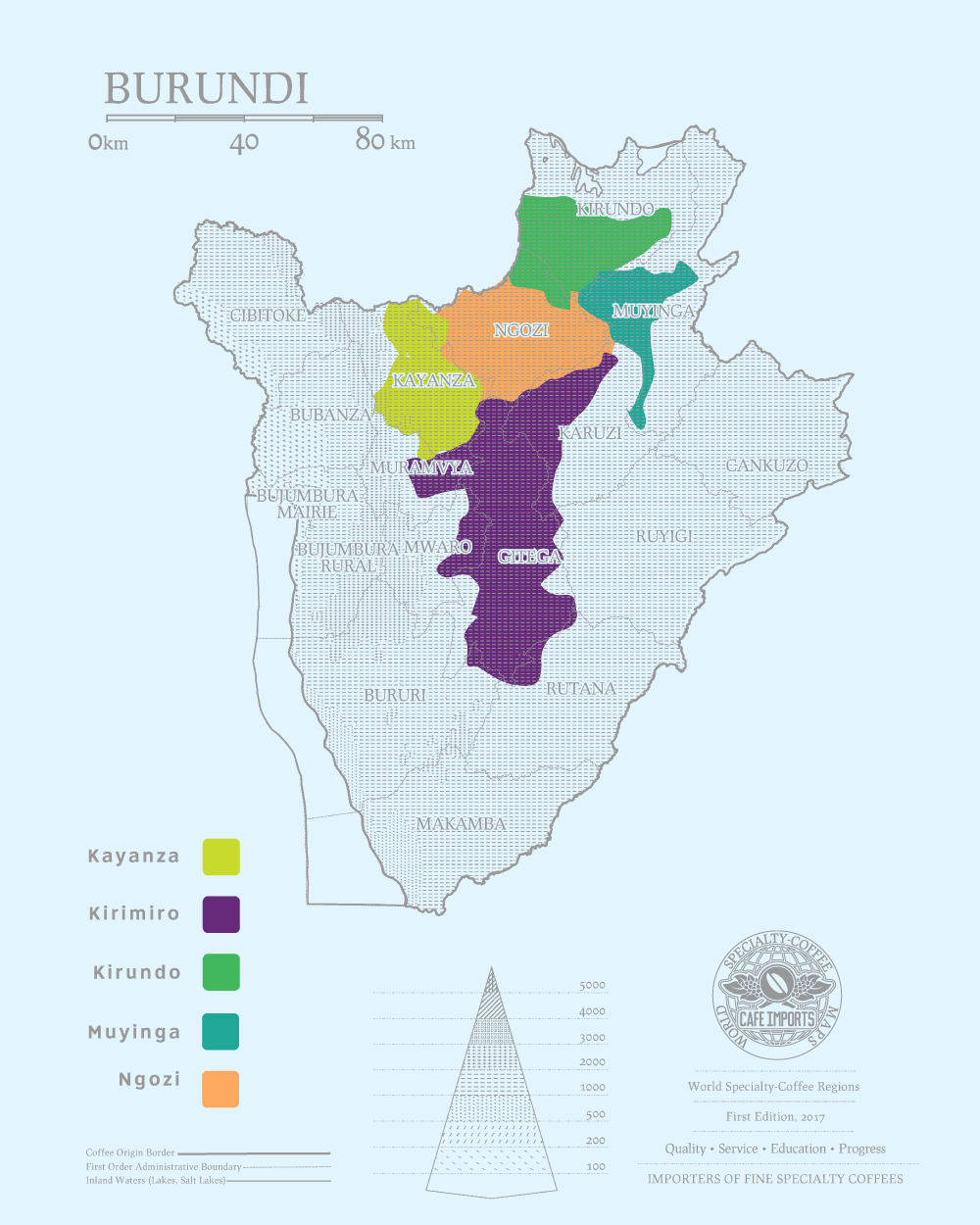
Burundi's coffee comes mainly from numerous smallholder farmers, clustered around the country's wet processing stations. Stations in different regions belong to their own management associations (abbreviated SOGESTAL) — essentially wet-mill management associations whose main function is providing better equipment in their areas, contributing significantly to the improvement of Burundian coffee quality in recent years. The best Burundi coffee is washed processed and mostly Bourbon variety.
Burundi has one of the most diverse and successfully operated coffee industries in the world, with its own character. Coffee was introduced by Belgian colonists in 1930 and today is grown only on small farms. Unfortunately, many farms lie in areas bordering Rwanda that have experienced frequent conflict, pressuring production. Almost all Burundian coffee is Arabica, with Ngozi's trees planted above 1,200 meters. Burundi coffee is aromatic and rich with excellent acidity, exported mostly to the United States, Germany, Finland, and Japan.
Burundi coffee resembles its neighbor Rwanda's so closely that the two are often confused. Burundian cultivation is primarily Bourbon, with cherries washed the traditional way; its specialty coffee shows elegant sweetness and bright citrus aromas.
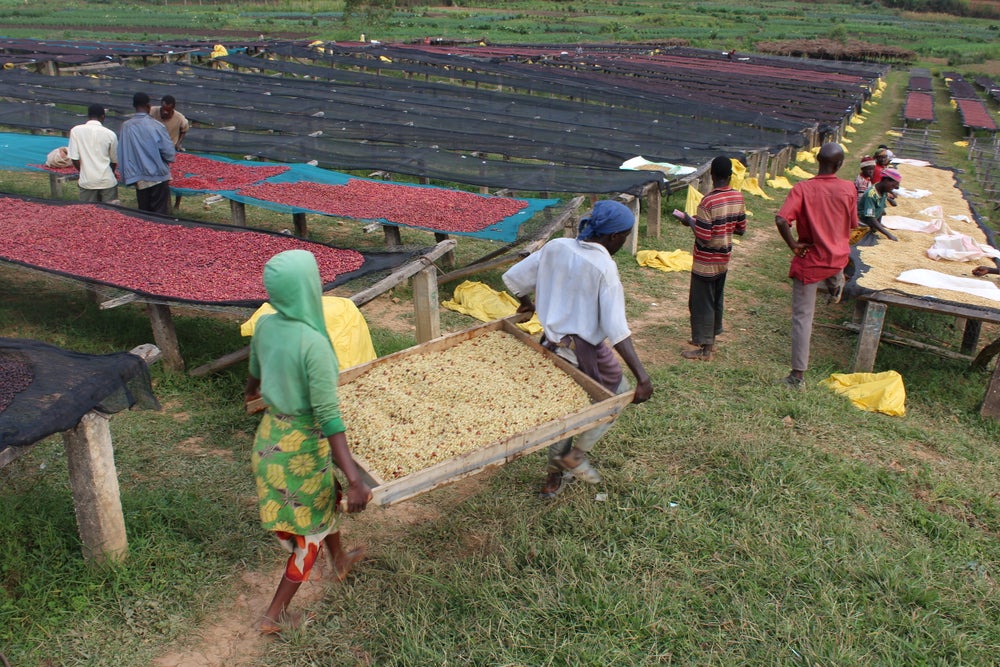
Representative Coffee: [Burundi Heart of Africa]
Grind size: Medium-fine
Filter: Hario V60
Water temperature: 90°C
Coffee-to-water ratio: 1:15
Brewing Suggestions
Bloom with 30g of water for 30 seconds. When pouring to 125g with a small circular flow, perform a split. When the water level drops and is about to expose the coffee bed, continue pouring to 225g and stop. When the water level drops again to just above the bed, remove the dripper. (Timing starts from the bloom.) Extraction time is 2'00".
Flavor Description
Fresh kumquat and lemon aromas, with subtle caramel and custard sweetness filling the cup. The fermentation acidity of washed processing makes the whole coffee very bright.
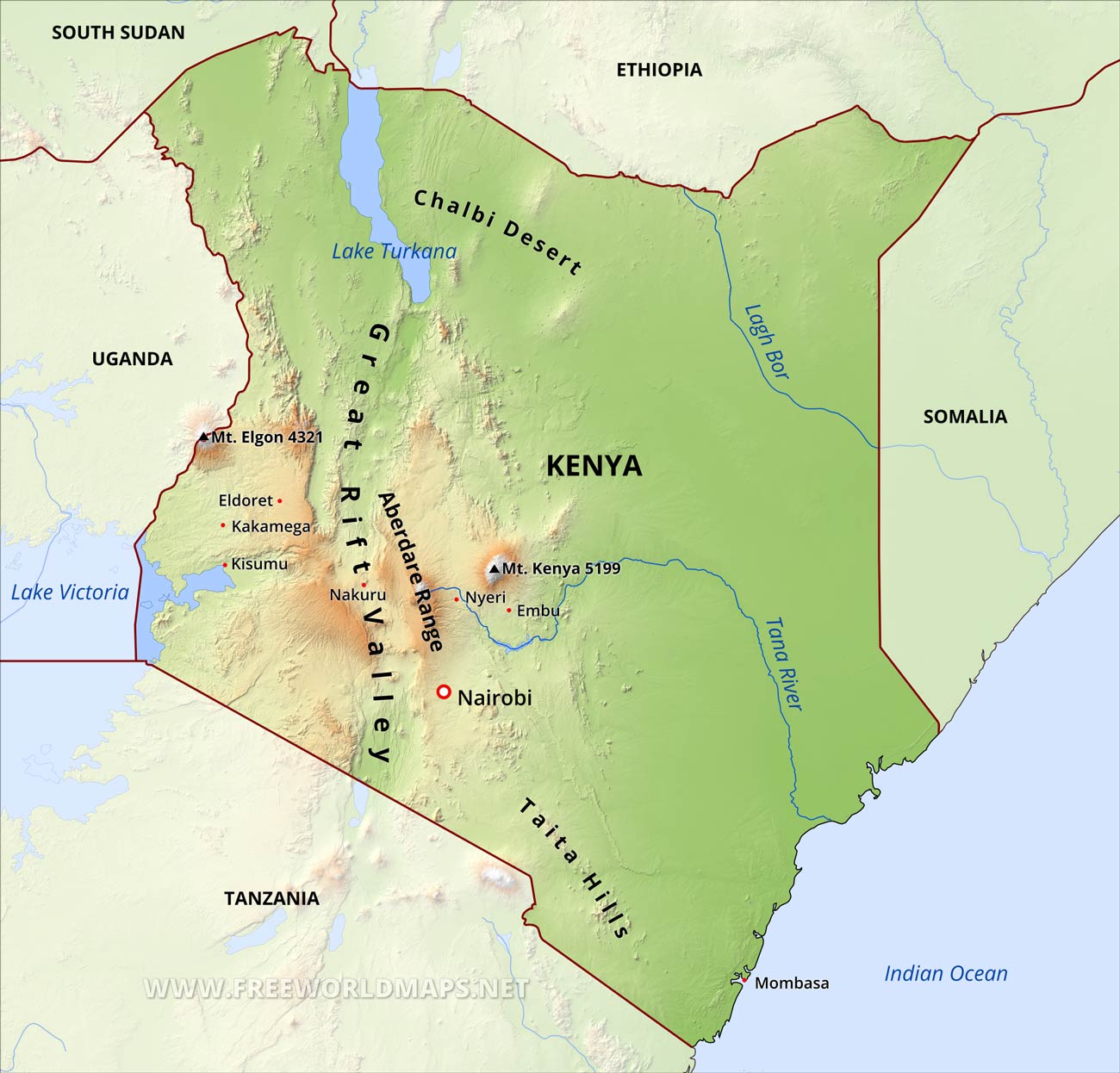
Kenya: Small Cooperatives
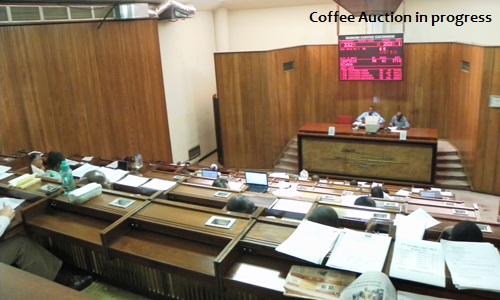
Kenyan coffee shows distinct acidity, sweetness, and a dry, wine-like aftertaste — its finest feature being the taste and aroma of blackcurrant. Auctions are held every Tuesday during harvest season in Nairobi, sparking price wars for the best lots. In recent years Kenyan green coffee prices have been high, and disappointments are easy to find. FrontStreet Coffee's roasters and baristas often work overtime roasting and cupping new Kenyan coffees, striving to present a cup that is cleanly and beautifully acidic.
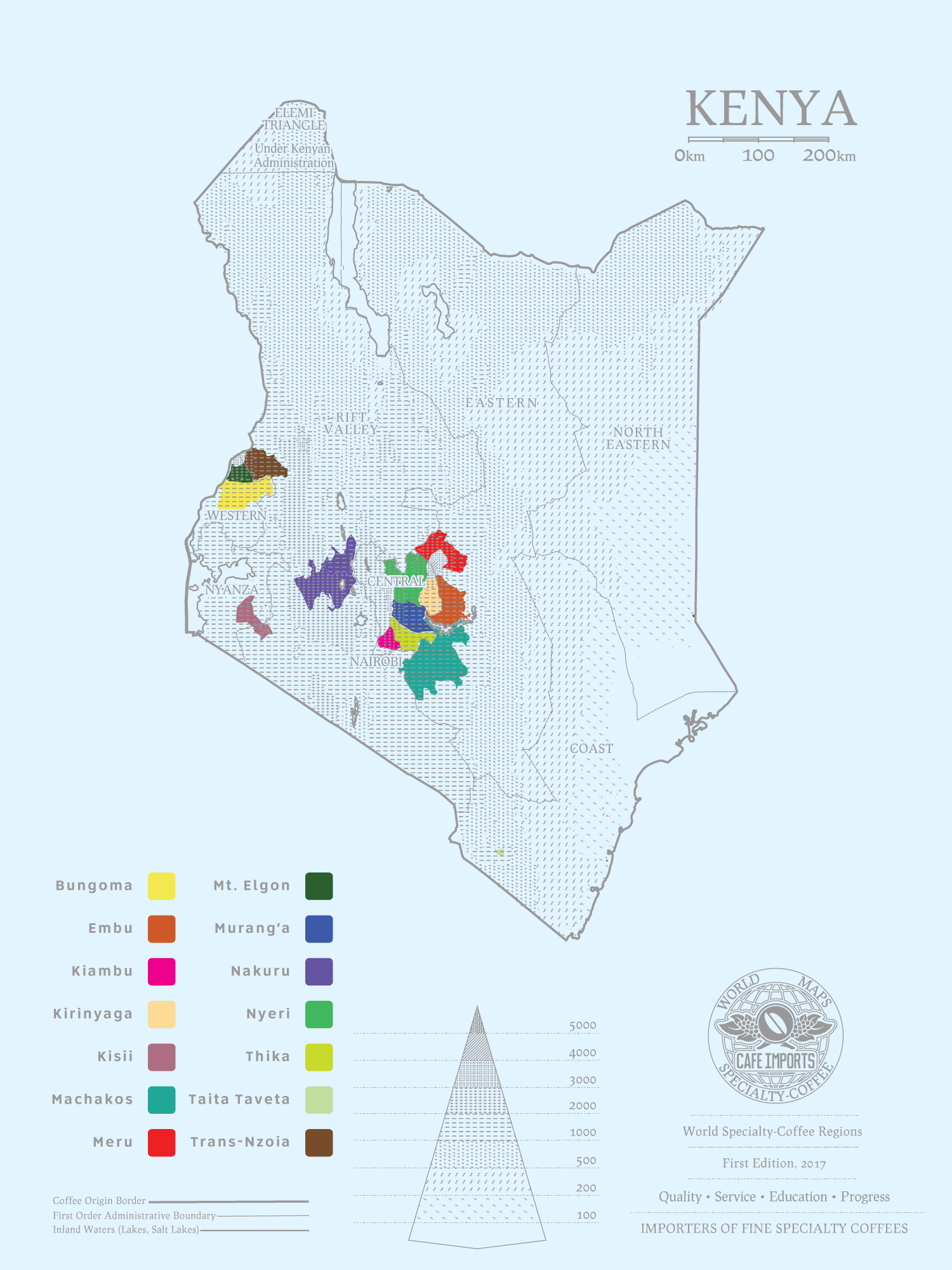
Kenya's 6 Major Regions
Nyambu & Murang'a
These regions have the bright acidity and rich body most people love, and being not far from Nairobi, they draw many foreign buyers during harvest season.
Nyeri
Bright blackberry flavors with rich body, plus citrus and even floral aromas. The specialty beans from this region are a major contributor to Kenya's international fame.
Kirinyaga
Bright fruit acidity with moderate body and delicate sweetness.
Embu Region
Acidity not as strong as Nyeri's, with balanced, clear flavors and mostly good aftertaste performance.
Machakos Region
A region with rising potential, famous for clear fruit acidity, delicate flavors, moderate body, and a delicate fresh aftertaste — attracting many buyers in recent years.
Western Region
Its flavor differs considerably from the central regions, attracting buyers with moderately rich sweetness and milder flavors. Some washed stations here with hazelnut and mild fruit notes are also favored by buyers who don't prefer bright acidity.
Most Kenyan coffee comes from small cooperatives rather than large estates, processed by wet method and graded by bean size. Kenyan coffee is acidic with distinct flavor notes, making the cup vibrant. Depending on the farm, expect berry or citrus flavors, sometimes alternating with spices — some cups bright and clean, others winey.
Kenya produces a disease-resistant hybrid called Ruiru 11, but it lacks some of the best flavor characteristics of traditional varieties and is considered lower grade. Development continues, with the hope of making it as delicious as the natural varieties.
Malawi is a small country between Mozambique and Zambia in southeastern Africa. Its coffee is smooth, full-bodied, and truly distinctive. It rarely reaches the Western Hemisphere, so if you see some, seize the chance to taste it — you'll find a softer, more floral, sweeter, more delicate, and brighter version of the East African style.

FrontStreet Coffee Kenya Small Tomato
Region: Thika, Kenya
Processing station: Asali Honey Processing Station
Altitude: 1550m~1750m
Variety: SL28, SL34
Processing method: K72 process
Brewing Parameters
Recommended method: V60 filter
Water temperature: 90-91°C
Dose: 15g
Coffee-to-water ratio: 1:15
Grind: Medium-fine
Brewing Technique
Bloom with 30g of water for 30 seconds. When pouring to 125g with a small circular flow, perform a split. When the water level drops and is about to expose the coffee bed, continue pouring to 225g and stop. When the water level drops again to just above the bed, remove the dripper. (Timing starts from the bloom.) Extraction time is 2'00".

Flavor Description
The wet aroma carries ripe tomato and floral notes. The entry shows cherry tomato and preserved plum with bright acidity and clean taste. The body is medium, with prominent mid-palate sweetness giving a juice-like sensation; the aftertaste brings berry aromas, brown sugar sweetness, and green tea notes.
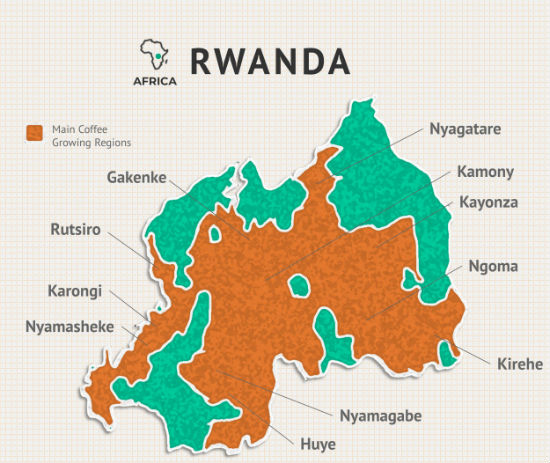
Rwanda: Land of a Thousand Hills
Rwanda (Republika y'u Rwanda) is a country in east-central Africa, officially the Republic of Rwanda, located south of the equator and landlocked. It borders Tanzania to the east, Burundi to the south, Congo (DRC) to the west and northwest, and Uganda to the north, covering an area of 26,338 square kilometers. Most of the country has a tropical highland and savanna climate — mild and cool, with an average annual temperature of 18°C. The year divides into two dry seasons and two rainy seasons: March to May is the major rainy season, October to December the minor one, with average annual precipitation of 1000-1400 millimeters.
Rwanda Coffee and Geography
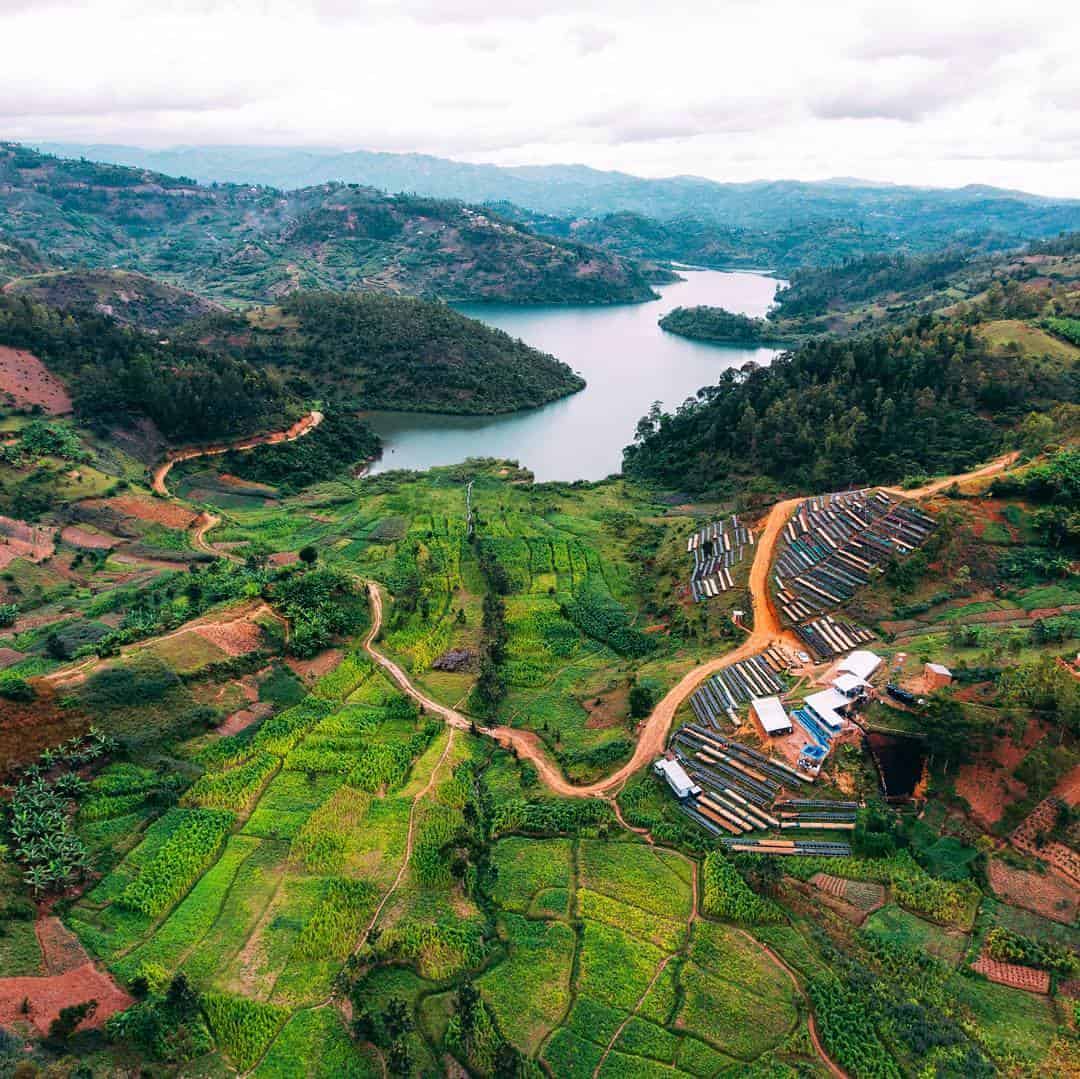
The country is mostly mountainous highlands with more than 1,800 hills of all sizes — hence "Land of a Thousand Hills." The east is hilly with marshes and lakes, dense water networks, and vast natural pastures; the center is lakeside lowland; the northwest is a group of volcanic mountains. Rwanda lies closest to the equator, yet at altitudes above 1,500 meters the average annual temperature is only 18°C. Combined with abundant rainfall and suitable hydrothermal conditions, the picturesque scenery has earned it the names "Land of Eternal Spring" and "Switzerland of Africa."
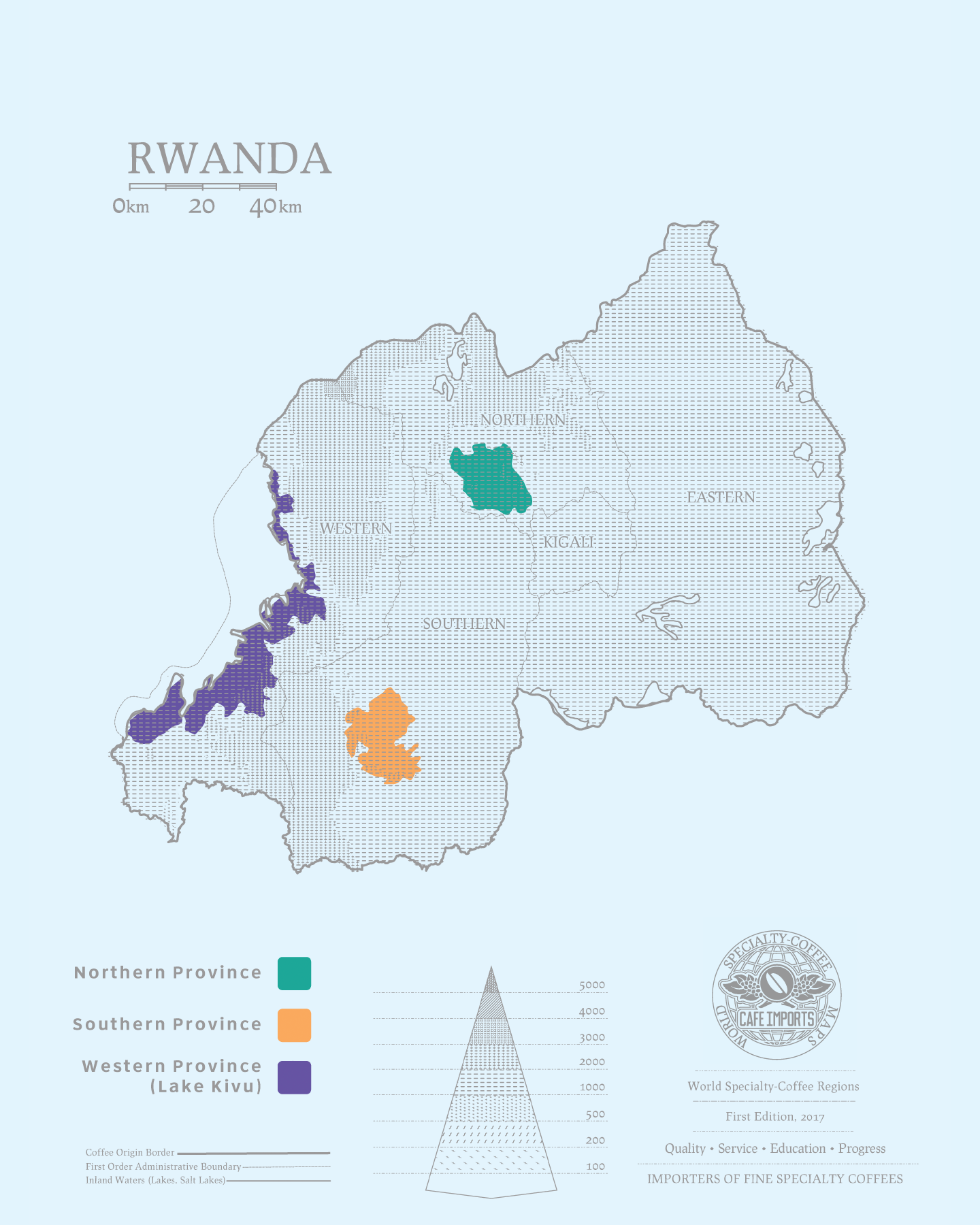
The beautiful Land of a Thousand Hills has a long, rich tradition of growing highland coffee, primarily high-quality Arabica. Rwandan specialty coffee accounts for 20% of total production and is very popular internationally. In this unique environment, Rwanda's fine coffee shows distinctive taste and aroma — precisely why FrontStreet Coffee acquired a Rwandan bean, hoping to share its uniqueness with everyone.
According to Kalulitova, Marketing and Promotion Officer of Rwanda's Coffee Association, Rwanda plans to reach 3,000 tons of coffee exports this year, further increasing production to meet growing demand. Starbucks, the world's largest coffee retailer, has also partnered with the Rwandan government to import Rwandan coffee — as the logo on Rwandan coffee shows, a brown dove flies out of a coffee cup, accompanied by the words "Cup of Hope."
Rwandan coffee is described as having a "grassy aroma" with tropical character. Cupping Rwandan beans, FrontStreet Coffee found that beyond fruit sweetness, this coffee presents a refreshing, bright, fresh feeling. The Bourbon grown in Rwanda astounds with fruit sweetness — rich, full aroma, absolutely no astringency, and a long aftertaste. It shows delicious citrus-like sweetness with deep chocolate, red apple, cherry, cinnamon, and honey notes, excellent sweetness and balance, and a cinnamon, almond, chocolate finish.
Representative Coffee:
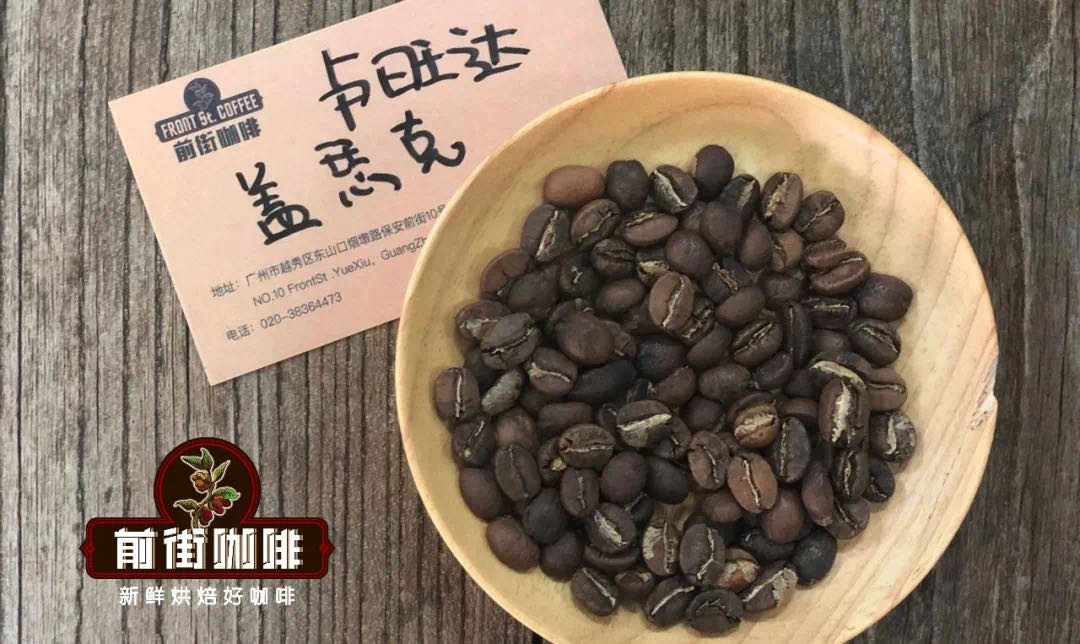
FrontStreet Coffee Rwanda Gisakura
Region: Nyamasheke region, western Rwanda
Altitude: 1500m
Variety: Bourbon
Processing method: Washed process
Grind size: Medium-fine
Filter: Hario V60
Water temperature: 90°C
Coffee-to-water ratio: 1:15
Brewing Suggestions
Bloom with 30g of water for 30 seconds. When pouring to 125g with a small circular flow, perform a split. When the water level drops and is about to expose the coffee bed, continue pouring to 225g and stop. When the water level drops again to just above the bed, remove the dripper. (Timing starts from the bloom.) Extraction time is 2'00".
Flavor Description
Cherry tomato, nuts, cocoa sweetness, mint.
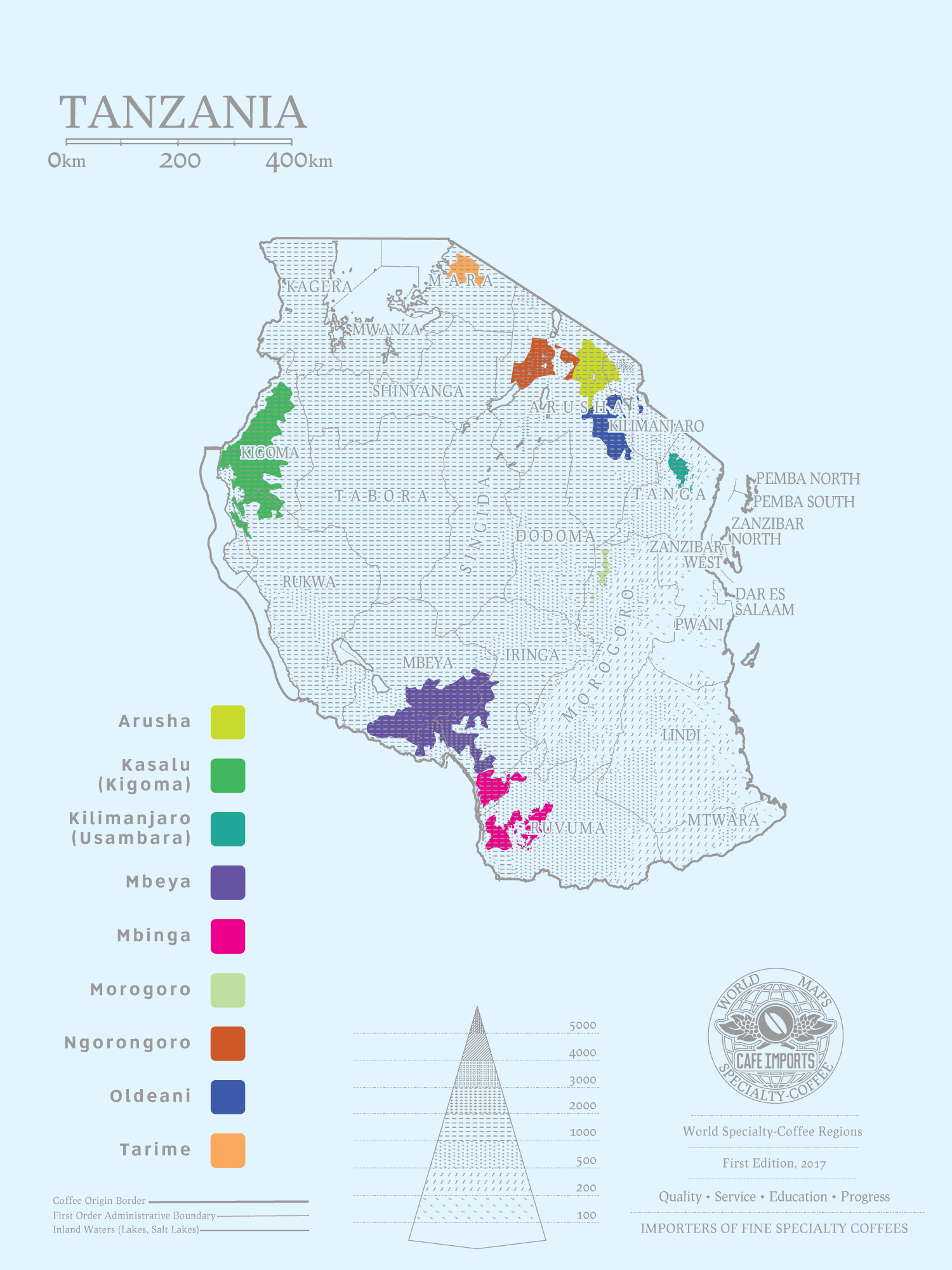
Tanzania
Tanzania is one of the cradles of humankind, trading with Arabia, Persia, and India as early as BC. Its full name is the United Republic of Tanzania. Located in eastern Africa, south of the equator, it is a Commonwealth member, bordering Kenya and Uganda to the north, Zambia, Malawi, and Mozambique to the south, Rwanda, Burundi, and Congo (DRC) to the west, and the Indian Ocean to the east. FrontStreet Coffee's bean menu includes a bean from Tanzania as well.
Tanzania covers 945,087 square kilometers, of which Zanzibar covers 2,657 square kilometers. It consists of the mainland, Zanzibar Island, and more than 20 small islands. On the mainland, the coastline runs 840 kilometers. Terrain is high in the northwest and low in the southeast, in a step-like shape: the eastern coast is lowland, while the western inland plateau accounts for more than half of the interior. The East African Rift Valley runs north-south from Lake Malawi, splitting into eastern and western branches. Kibo Peak of Mount Kilimanjaro in the northeast rises to 5,895 meters — the highest peak in Africa.

Unlike most African producing countries, Tanzania's coffee doesn't ship in common jute bags but in rough fiber bags made from agave leaves — because the government banned jute bags to protect Tanzania's sisal industry.
Cultivated Varieties
FrontStreet Coffee learned that Tanzania's most commonly planted varieties are Bourbon, Typica, and Kent.
Bourbon
When we say "Bourbon," we usually mean Red Bourbon: after the trees flower and set fruit, the cherries change color from green to light yellow, light orange, mature red, and darker red when overripe — hence the name. Bourbon grown at high altitude usually shows better aroma, brighter acidity, even winey notes.
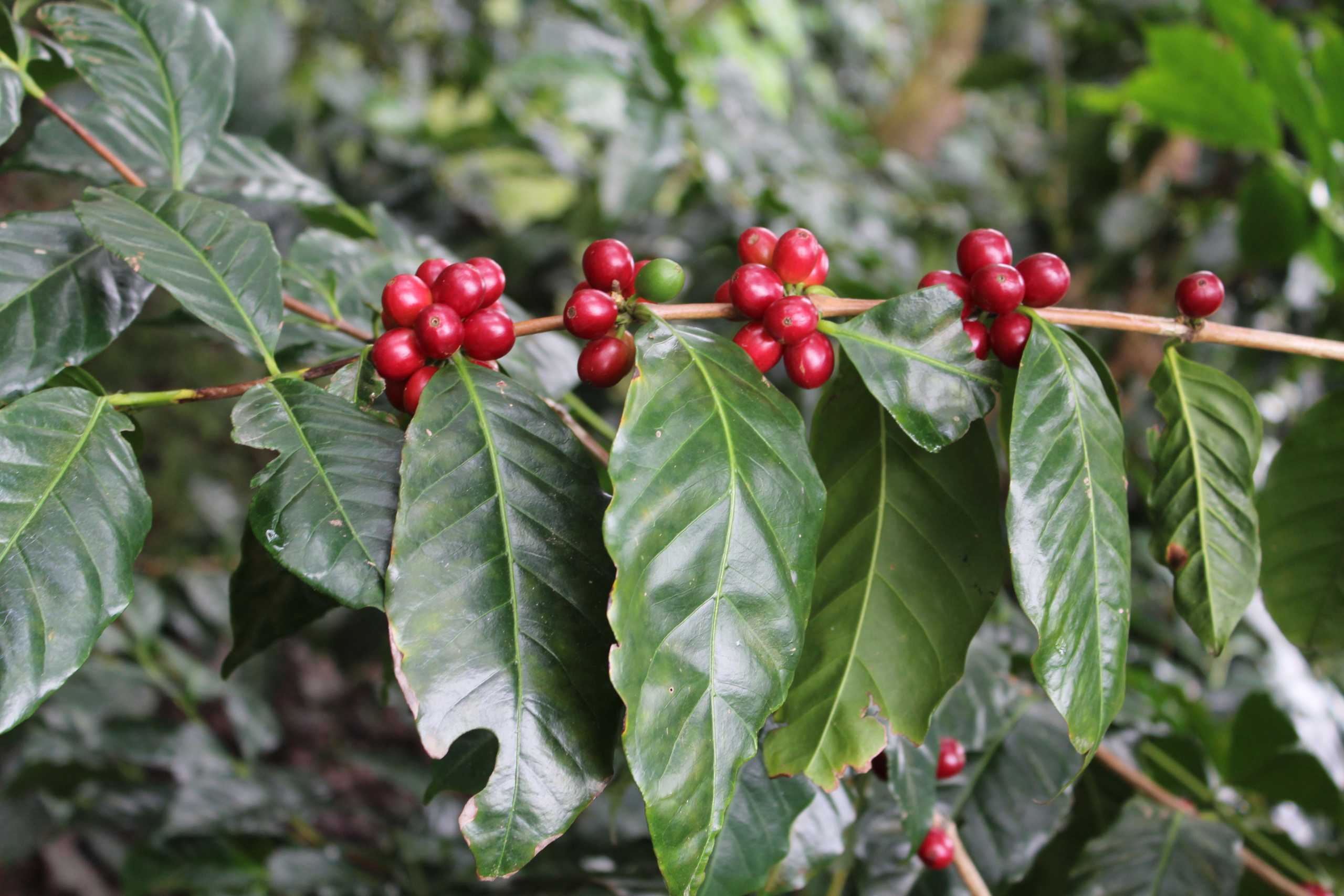
Typica
Excellent flavor performance and recognized as a specialty variety — but with extremely low yield and susceptibility to rust, demanding more careful cultivation. Typica originates from Ethiopia and southeastern Sudan and is the most widely planted variety in the Western Hemisphere. The plant is relatively robust but intolerant of strong light; its top leaves are copper-colored, earning it the name "red-topped coffee."
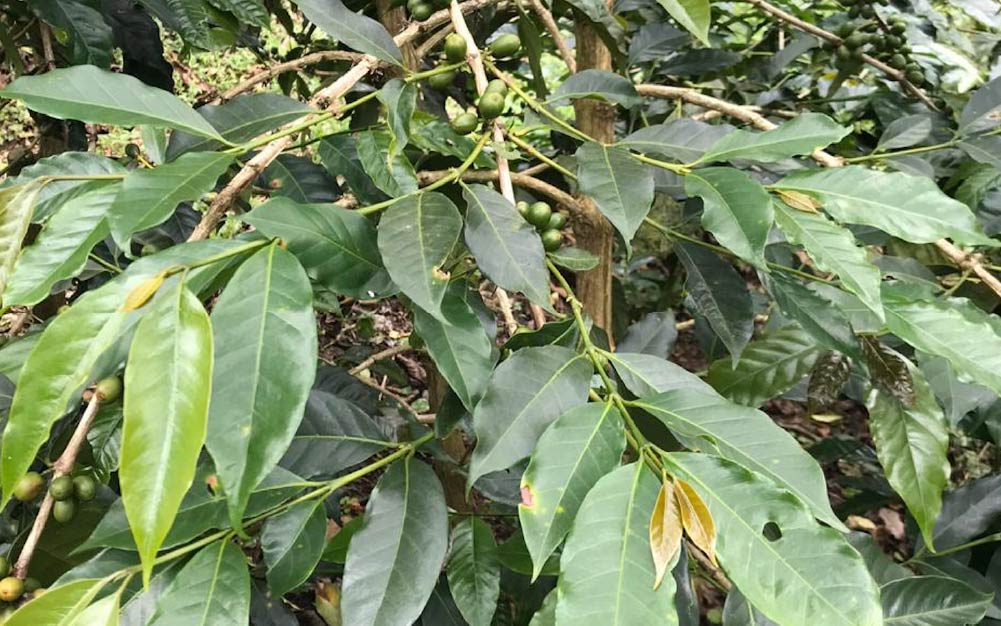
Kent
A Typica hybrid discovered in 1911 at the Kent coffee plantation in the Mysore region of India — a cross of S288 and Typica, with high yield and rust resistance. Its aroma is richer than Bourbon's, and it has been introduced to newer producing countries such as Kenya and Indonesia with outstanding results.
Processing Methods
Tanzanian green beans are mainly washed processed — currently the most widely used method, using washing and fermentation to remove pulp, mucilage, and skin. The sequence: bean selection, pulp removal, fermentation, washing, drying, hulling, sorting and grading.
Grading
Tanzania's grading system mirrors Kenya's, based on bean size and flavor. Bean sizes in order:
- AA Plus (AA+): Exceptional cup quality (flavor, mouthfeel) AA grade
- AA: Bean size (screen size) 17-18
- AB: Bean size (screen size) 15-16, the majority of production
- C: Bean size smaller than AB
- TT: Lighter-weight beans screened from AA and AB by air classifier
- T: Lighter-weight beans screened from C by air classifier
- E: Elephant Bean — large mutant beans where two beans merge, also called elephant ear beans
- UG: Those not meeting the above standards
- PB: Peaberry, classified by shape, unrelated to flavor or weight

Flavor grades in order are: TOP, PLUS, FAQ.
FAQ ("Fair to Average Quality") may contain some slight defects, but FrontStreet Coffee believes this doesn't affect the flavor.
Coffee Taste Profile:
Tanzania is a typical East African country, bordering Kenya and Uganda to the north, Malawi, Mozambique, and Zambia to the south, and Rwanda and Burundi to the west. Many like to compare Tanzanian coffee with neighbor Kenya's: compared with Kenya's finest beans, Tanzanian coffee is less brightly acidic, showing a gentler, more approachable beauty with more sweet fragrance. Rich red-wine notes are also a Tanzanian hallmark.

Mount Kilimanjaro, Africa's highest peak, stands in northeastern Tanzania. After World War I the territory was under trusteeship and once under British colonial rule, gaining independence in 1964. Bourbon coffee was first introduced for cultivation in 1893, with washed processing as the main method for green beans. High-quality, high-altitude Tanzanian coffee, like Kenyan, has active, bright acidity.
Tanzania's northern coffee regions include the highlands around Mount Kilimanjaro, such as Moshi and Mbeya, while the south centers on the Songea-Ruvuma area through which the Ruvuma River flows. The different terrains yield slightly different styles: coffee from the southwestern Ruvuma region shows wine and fruit aromas, distinct from the northern Mount Kilimanjaro style.

The Kilimanjaro volcano area is in northeastern Tanzania and is also Tanzania's largest coffee-producing region, accounting for 75%. Tanzanian beans generally show exceptional quality, with important producing areas in the mountainous north near Kenya. Coffee is grown by smallholders, who account for 85%, at altitudes between 1300-2000m. Their coffee differs from neighboring Ethiopia and Kenya while possessing characteristics of both — good body plus fruit and floral aromas, well worth trying. Coffee is a dicotyledonous plant: normally, a coffee cherry contains a pair (two halves) of seeds, which we call coffee beans.
Compared with flat beans (a pair of flat-sided beans), peaberries — also known as caracol or caracolillo, Spanish for "little snail" — are botanically said to result from uneven pollination (Arabica is self-pollinating; if a flower has only one ovary, or only one ovary is successfully pollinated, only one seed can form) or uneven nutrition during growth (more likely in fruits at branch tips). Nutrients flow to a single cotyledon, and only that one continues to grow into a single small, oval, egg-shaped seed — hence "peaberry." Normally, peaberries make up about 3 to 5% of a plant's output, making them relatively scarce; and because their shape and size differ from flat beans, they are usually graded and sold separately through screen sieving.
Northern coffee has rich aroma, bright acidity, and full body — thanks to fertile volcanic soil, it carries a mineral-water-like sweetness.
Southern coffee shows rich florals with a smooth texture and elegant fruit acidity.
African coffee-growing areas — Tanzanian coffee comes from the fertile soils of the East African Rift Valley and is an outstanding representative of the region's quality coffee. Its refreshing acidity and medium body complement sweet citrus and floral notes. It tastes excellent hot or iced, and pairing with oranges or berries further highlights its brightness. The beans from Mount Kilimanjaro that FrontStreet Coffee acquired are no exception.

FrontStreet Coffee Tanzania Kilimanjaro
Region: Kilimanjaro, Tanzania
Altitude: 1300m~2000m
Variety: Typica
Processing method: Washed process
Grind size: Medium-fine
Filter: Hario V60
Water temperature: 90°C
Coffee-to-water ratio: 1:15
Brewing Suggestions
Bloom with 30g of water for 30 seconds. When pouring to 125g with a small circular flow, perform a split. When the water level drops and is about to expose the coffee bed, continue pouring to 225g and stop. When the water level drops again to just above the bed, remove the dripper. (Timing starts from the bloom.) Extraction time is 2'00".
Flavor Description
Citrus, berries, honey, tea-like sensation.
For more coffee bean information, please follow FrontStreet Coffee on WeChat: kaixinguoguo0925
FrontStreet Coffee Recommendation: Bring Africa Home, One Bean at a Time
If this tour of Africa left you thirsty, FrontStreet Coffee's Ethiopian lineup is the place to start. The Washed Yirgacheffe daily bean offers clear jasmine florals and bright citrus acidity — like a refreshing, clean lemon tea. The Guodingding Cooperative lot, independently established in 2012 by about 300 member farmers in the Worka area, shows citrus, lemon, and elegant white florals in an exceptionally clean cup. The Natural Red Cherry Project — peeled only after two weeks of sun-drying, down to 12% moisture — delivers peach, cacao, honey, and lemon. And for a wild-forest experience, the Kaffa Forest coffee, grown wild at 1400-2100 meters, offers white florals, bright lemon acidity, sweet orange, and bergamot with a green-tea-like finish. Brew pour-over: 15g, 1:15, 90-91°C water — and taste the birthplace of coffee.
Important Notice :
FrontStreet Coffee is a long-established specialty coffee roaster in Guangzhou China, selling freshly roasted beans from its own farm in Yunnan as well as dozens of carefully selected single-origin beans from around the world for both pour-over and espresso. The products deliver consistently excellent quality and great value, with shipping within 24 hours. Guangzhou's FrontStreet Coffee shop is recommended by many coffee lovers, and the beans are now available online at the Tmall 。
FrontStreet Coffee has moved to a new address:
FrontStreet Coffee Address: 315,Donghua East Road,GuangZhou
Tel:020 38364473
 Scan and follow the En Gafei WeChat official account. Please indicate that the reprint comes from "En Gafei".