Costa Rica Father Geisha Rich Fruit Aroma Vera Roaster Father Coffee
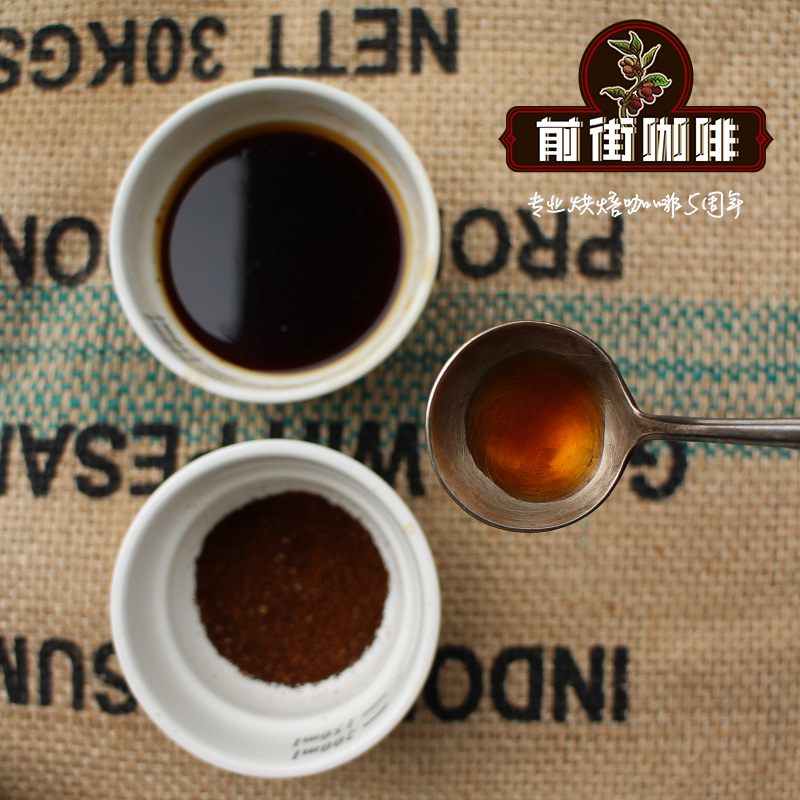
FrontStreet Coffee, Costa Rica Verola Mill "Father" Geisha
Costa Rica has eight principal coffee regions: West Valley, Central Valley, Tarrazu, Tres Rios, Orosi, Brunca, Turrialba, and Guanacaste, and Tarrazu is one of its most productive.
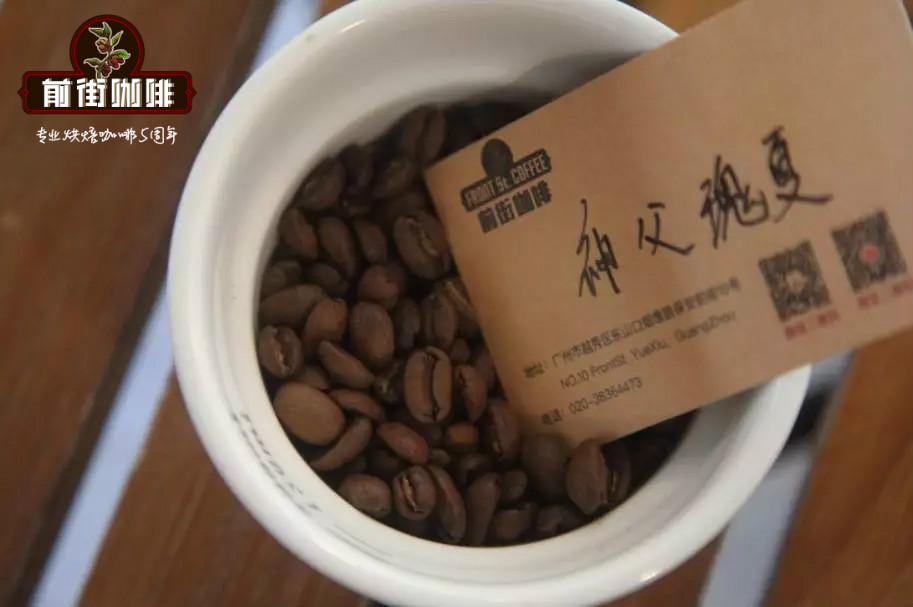
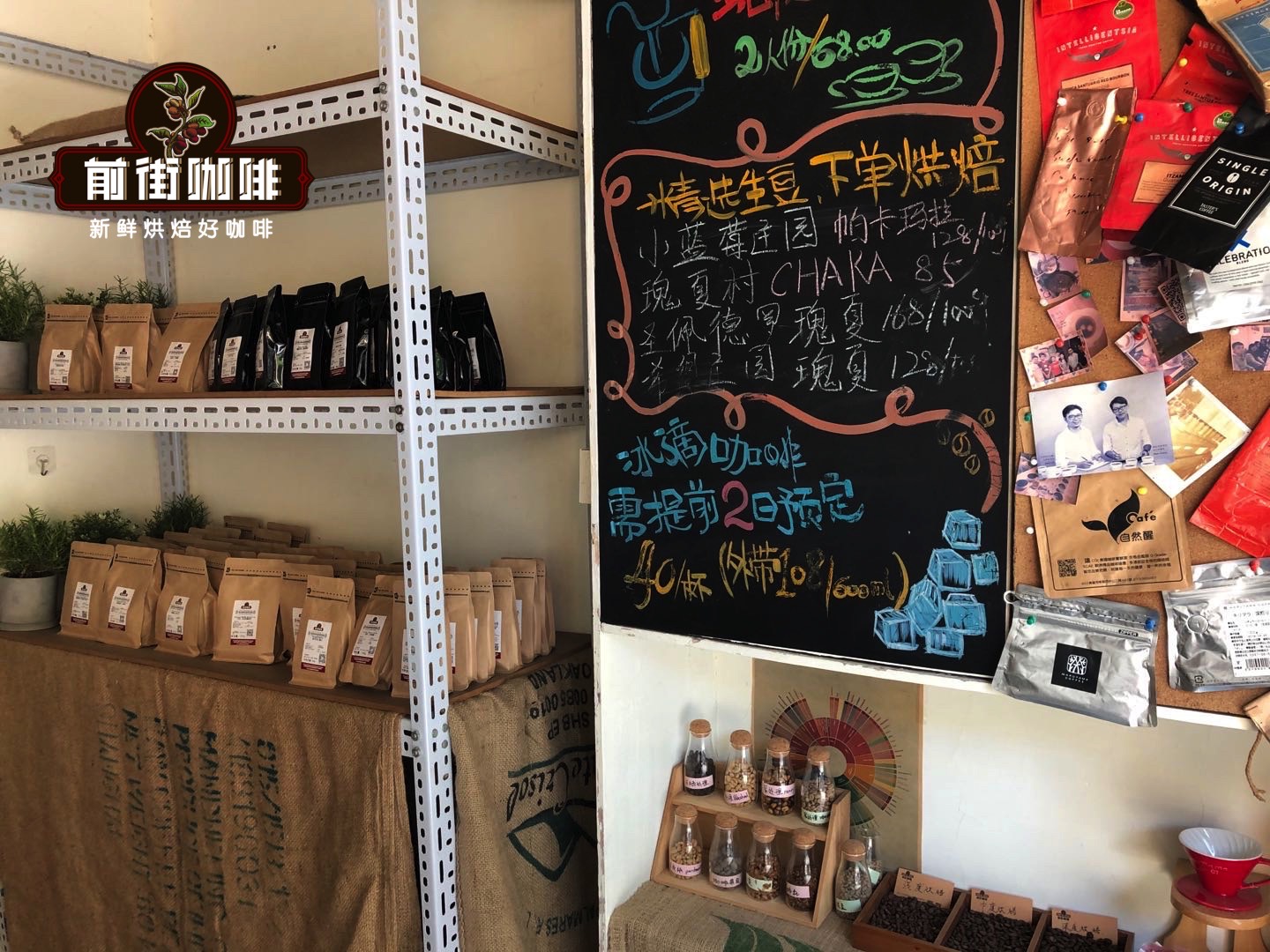
About 40 kilometers south of San José, in Tarrazu, lies an area known as the "Saints Region" at 1,600–1,650 meters. In Tarraz-Frailes, 63 coffee-farming families each tend roughly 1–2 hectares and have traditionally sold their cherries to large companies for slim margins. In this devoutly Catholic community, the parish priest is more than a preacher, he is among the most educated and best-connected figures in the village. Three years ago, the priest decided to put those connections to work: he rented capacity at nearby mills so smallholders could process their cherries into green beans, and helped them find better buyers. Hence the lot's name, "Father."
Farm Introduction
Country: Costa Rica
Region: Tarrazu, Frailes
Altitude: 1,400–1,700 m
Process: Washed
Variety: Geisha
Flavor: rich fruit aroma, citrus, berries, sweetness, cocoa finish
FrontStreet Coffee recommended brew method: pour-over
Brewing With the Origin Cake Dripper
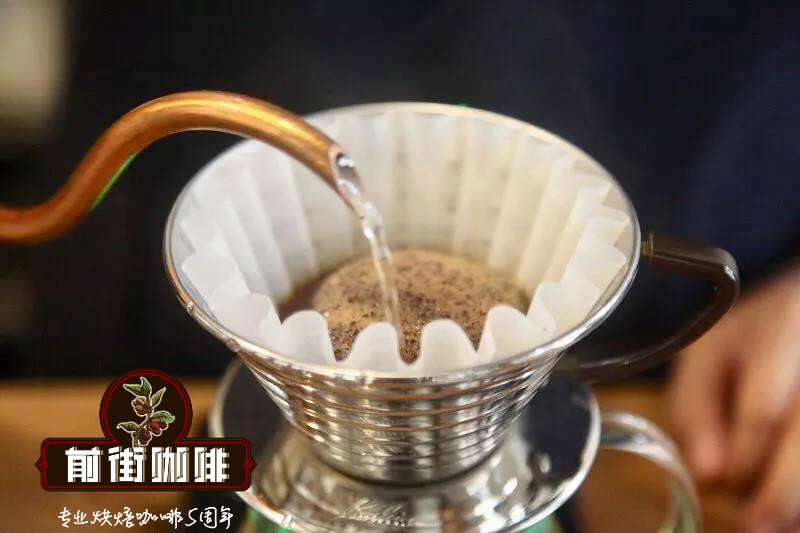
The cake dripper's flat base spreads the coffee bed evenly, which promotes uniform extraction. Its signature design uses the creases of the filter paper in place of ribs: the paper does not lie flush against the cup wall, minimizing contact area while maximizing the extraction surface. Hot water drips through evenly and smoothly, making extraction more efficient, and since the paper is not glued to the wall, the brew also cools more slowly. The flow rate is relatively slow, keeping the grounds mostly immersed, so the resulting cup leans balanced and rounded.
Parameters & technique: grind 5R (58% pass-through on the #20 standard sieve), water at 90°C, ratio 1:15. Bloom with 30 g of water for 30 seconds, pour in stages to 125 g, continue to 226 g once the level drops to just above the bed, and remove the dripper when the bed drains. (Timing from the start of bloom.) Extraction time: 2 minutes 5 seconds.
Flavor: jasmine on the nose; citrus, lime, sweet orange, and plum acidity in the sip; nutty aromatics mid-cup; sucrose sweetness with a green tea finish.
2. V60
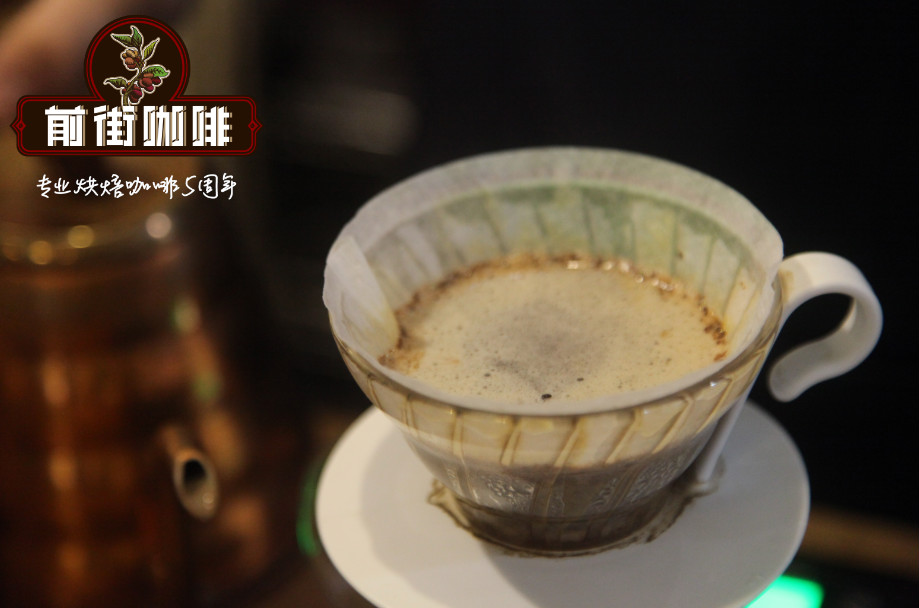
The V60's ribs run continuously from top to bottom in varying lengths, so ventilation is smooth and flow is fast. That speed throws the coffee's flavor layers into sharper relief, and Geisha is already a layered coffee, so the V60 is the natural first choice for this pot. FrontStreet Coffee brews it with segmented pouring to raise the extraction rate.
Parameters & technique: grind 5R (58% pass-through on the #20 standard sieve), water at 90°C, ratio 1:15. Bloom with 30 g of water for 30 seconds, pour in stages to 125 g, continue to 226 g once the level drops to just above the bed, and remove the dripper when the bed drains. (Timing from the start of bloom.) Extraction time: 2 minutes.
Flavor: ginger flower on the nose; lime, citrus, nectarine, and sweet orange acidity; creamy aromatics mid-cup; brown sugar sweetness with cocoa and tea notes in the finish. Richly layered, with florals front and center.
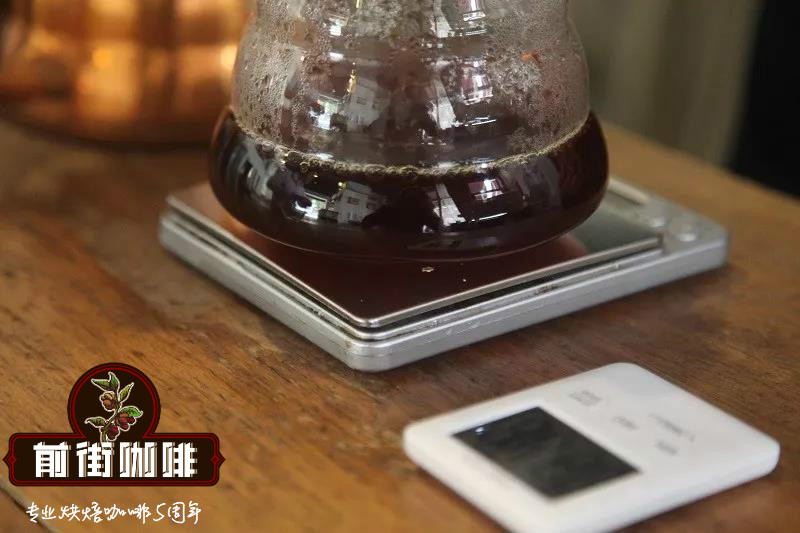
FrontStreet Coffee tips:
For pronounced flavor layering, choose a fast-flow dripper such as the V60 or the strawberry cup; for a fuller body, reach for immersion-leaning gear like a siphon or the cake dripper.
FrontStreet Coffee Recommendation
Geisha translates the English "Geisha," and it is among the most beloved Arabica varieties in the world: unique florals and superb sweet-acid nuance have won over countless coffee lovers, even as low yields, weak disease resistance, and demanding cultivation keep prices high. If you want a great Geisha without an extravagant bill, it pays to know the types on offer and their relative value.
Esmeralda Red Label and Green Label: no estate did more for Geisha than Panama's Hacienda La Esmeralda. The Red Label, officially "Esmeralda Special," grows at 1,600–1,800 meters; each batch must cup above 90 points, carries its own lot number, and comes entirely from a single small plot, FrontStreet Coffee's Red Label is from the Harrymio plot, letting buyers pick the micro-lot that matches their palate. The Green Label, "Private Collection," blends multiple plots to express the estate's signature high-altitude Geisha character; with no single-plot premium, it is the sharper value.
Boquete Geisha: for a newcomer's first taste of the legendary "Geisha flavor," FrontStreet Coffee recommends this entry-level Panama lot, classic orange-blossom honey notes, oolong-tea elegance, delicate fruit acidity, and distinct layers at a friendly price.
Geisha Village Gold and Red Label: in Ethiopia, Geisha's birthplace, Geisha Village farm applies grading as strict as Panama's. It grows three varieties, Gori Gesha, Gesha 1931, and Illubabor Forest, across Gold RARITIES, Red GROWERS RESERVE, Green SINGLE-TERROIR, and Chaka lots. The Gold label (Gesha 1931, 10% of output) is the farm's top non-auction coffee and a frequent competition pick; FrontStreet Coffee's Gold lot is a meticulous natural with complex, lingering flavor. The Red label (Gori Gesha, 15% of output) scores 88+ on the SCA 100-point scale as the single-terroir series, with full traceability from farm block to processing date.
Genlana Gesha: from a station founded in 2014 by Israel Degefa on the Kochere–Genji Abaya border in Yirgacheffe, surrounded by 700 hectares of largely wild, shade-covered land. Fully ripe cherries are hand-picked and sun-dried on raised beds for 14–20 days. Roasted medium-light, it shows bright citrus acidity, elegant ginger-flower aroma, full ripe-fruit sweetness, and a silky finish, the classic Geisha signature.
For brewing, Geisha's hard, dense beans sink easily and clog the dripper, so grind coarser, a 78% pass rate on the #20 standard sieve (about fine granulated sugar), and use 91°C water. FrontStreet Coffee brews 15 g in a small Hario V60 at 1:16, three-stage: 30 g bloom for 30 seconds, a small circling pour to 125 g, then top up to 225 g once the bed drains halfway, for a total of roughly 2:10–2:20.
Important Notice :
FrontStreet Coffee is a long-established specialty coffee roaster in Guangzhou China, selling freshly roasted beans from its own farm in Yunnan as well as dozens of carefully selected single-origin beans from around the world for both pour-over and espresso. The products deliver consistently excellent quality and great value, with shipping within 24 hours. Guangzhou's FrontStreet Coffee shop is recommended by many coffee lovers, and the beans are now available online at the Tmall 。
FrontStreet Coffee has moved to a new address:
FrontStreet Coffee Address: 315,Donghua East Road,GuangZhou
Tel:020 38364473
 Scan and follow the En Gafei WeChat official account. Please indicate that the reprint comes from "En Gafei".