What Are Cold Brew Coffee's Flavor Characteristics, How to Drink and Brew It: Cold Brew Coffee Brewing Methods and Hot vs Cold Water

On a hot summer day, nothing beats a refreshing iced coffee. But now that autumn has arrived, will iced coffee stay just as popular? FrontStreet Coffee tells you: absolutely! While the season may have changed, the warm weather is still here, and the delicious taste of iced coffee remains. Those who love this flavor keep enjoying it just as passionately as before.
Of course, at first many people may not know that coffee can be brewed with cold water, because we usually drink coffee extracted at high temperatures—roasted beans ground to a specific coarseness, then water used to extract the flavors. High-temperature extraction breaks down the tannic acid in coffee into pyrogallic acid, creating bitterness and sourness.

But FrontStreet Coffee wants to tell you that cold-water-brewed coffee offers a unique flavor profile and is incredibly popular. Why? Because cold brew is extracted at low temperatures, with water and grounds in contact for an extended period. Only smaller-molecule flavor compounds, such as floral and fruit notes, are extracted, while larger-molecule compounds like smoky and roasted flavors are difficult to draw out. As a result, cold brew better showcases the beans' inherent flavors, with a smooth mouthfeel, distinct layers, and a noticeable sweet aftertaste.
Understanding Cold Brew Coffee
Cold brew coffee has only gradually become popular in the United States in recent years, making people realize that coffee need not be hot; it can be extracted just as deliciously using cold-water soaking or drip methods. As for Europe, it may take a while longer to embrace this trend. Cold brew, also known as cold drip, uses only ice water and coffee grounds throughout extraction, resulting in a purer final product, so it naturally expresses the beans' subtle flavor characteristics. With its mild acidity, it tastes sweet, bright, and smooth with a delicate fruit aroma. At FrontStreet Coffee, cold brew is very popular among friends—sit in the shop, pause from the hurried pace of life, and enjoy the delicious taste of coffee.
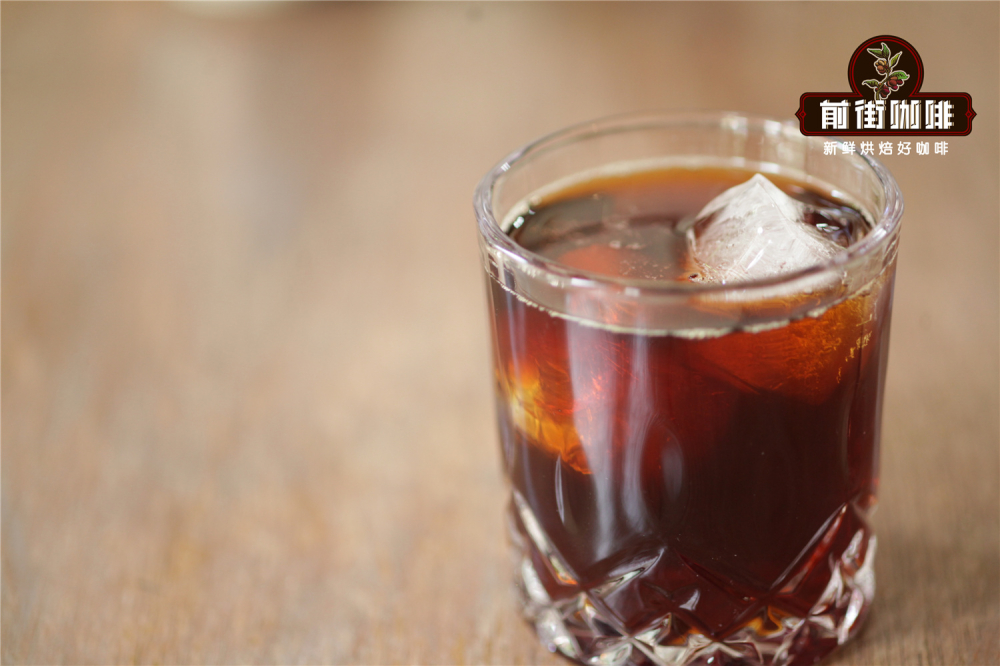
There are two main reasons for the rise of cold brew. One is that the younger generation prefers milder-flavored coffee and has lower acceptance of traditional espresso. The other is that milder coffee fits better with health and wellness concepts. Cold brew has lower bitterness and sourness with a gentle sweetness, so it needs no added sugar or dairy to be enjoyable.
Cold Brew Coffee
Where did cold brew coffee originate? FrontStreet Coffee learned that the Dutch first came up with the cold brew method, which was later passed on to Japan. At the time, the Dutch would transport coffee from their colony Indonesia back to Europe and invented cold brew because there was no hot water available on the ships. Interestingly, people then considered cold coffee gentler on the stomach, not knowing it was because hot water extracts more acidic substances from coffee while cold brew is less acidic by comparison.
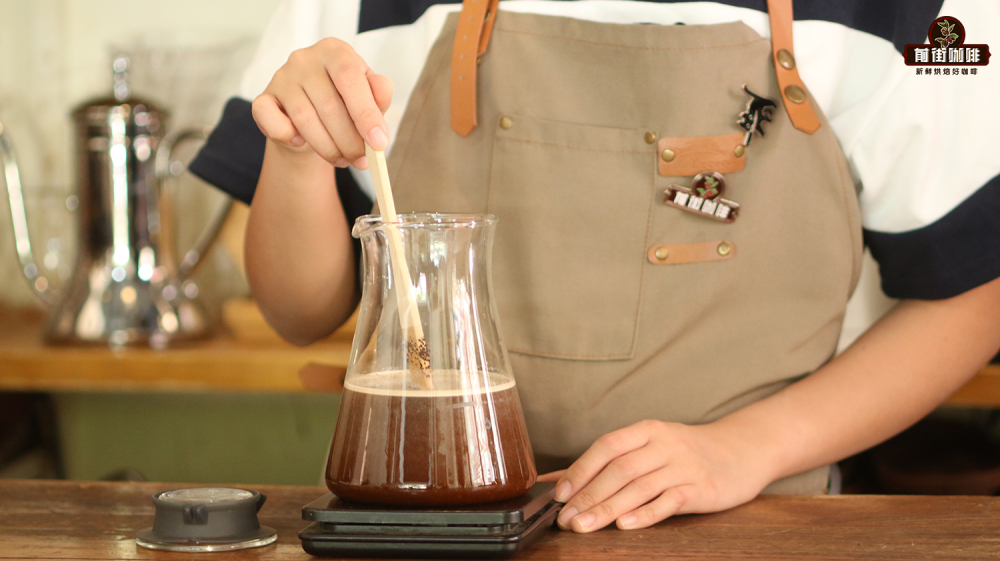
Making coffee with ice water or cold water can be traced back to Japan, where it is generally called "Kyoto-style coffee." Extracting coffee with cold water was very popular in Kyoto at the time, hence the name. As early as the 17th century, Japanese people began using cold water with different cold brew techniques to make coffee, using drip or pour-over methods, and these techniques evolved over time into the trendy, exquisitely designed ice-drip makers popular today.
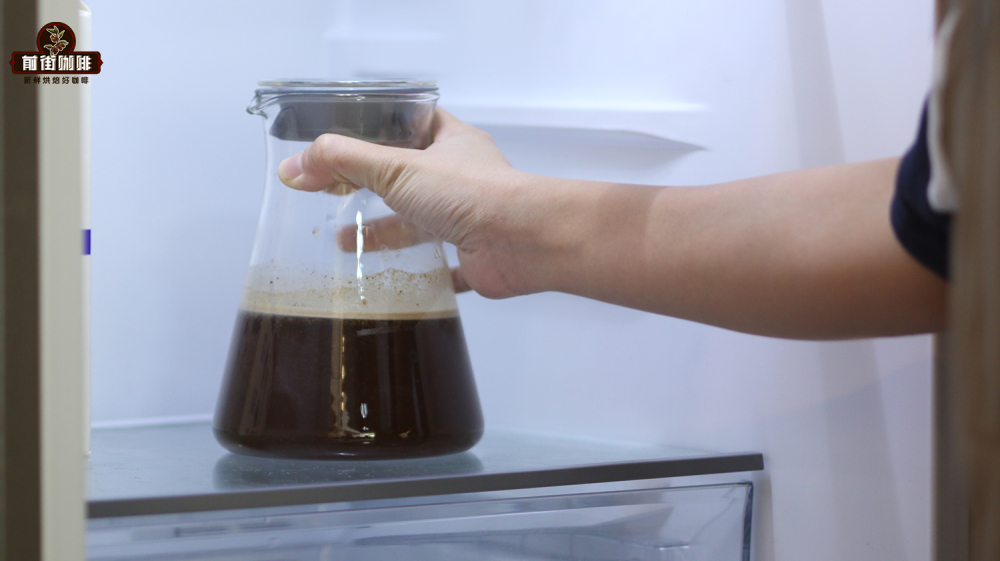
For the cold brew coffee we often talk about, what water temperature is most suitable for extraction? FrontStreet Coffee tells you: cold brew is made with room-temperature water or water at lower temperatures, typically below room temperature, around 20-22°C. Because the water temperature is low, the process is very long, usually requiring 12-48 hours. Cold brew extracts only smaller-molecule substances, such as floral and fruit flavor compounds, while larger-molecule compounds like smoky and roasted flavors are not easily extracted and acidity is greatly reduced. The most significant drawback of this method, however, is its weaker extraction capability, which requires longer contact between water and grounds.
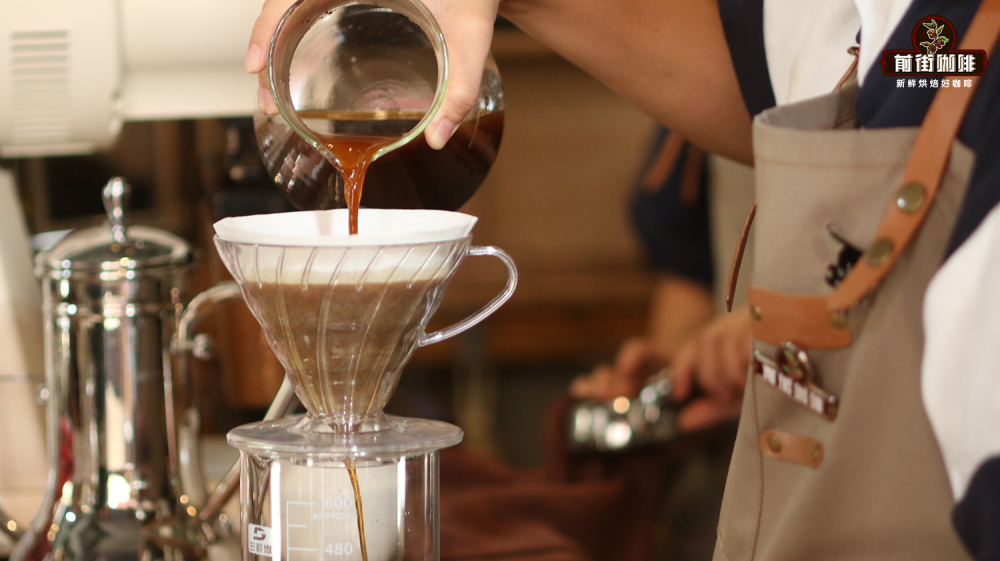
Ice-Drip Coffee vs. Cold Brew Coffee
What is the difference between ice-drip coffee and cold brew coffee? Theoretically, ice-drip coffee is also a type of cold brew, extracted drop by drop. Ice-drip coffee is also known as Dutch coffee or Kyoto-style coffee. Making it also uses cold water or ice water, but unlike the "water soaking coffee" method of cold brew, ice-drip uses water slowly permeating through the grounds. In production time, ice-drip takes only about 5 hours, roughly half the time of cold brew. American barista champion Laila mentioned in an exclusive interview that, compared with cold brew, FrontStreet Coffee believes ice-drip coffee has a more aromatic, delicate, and subtle flavor.
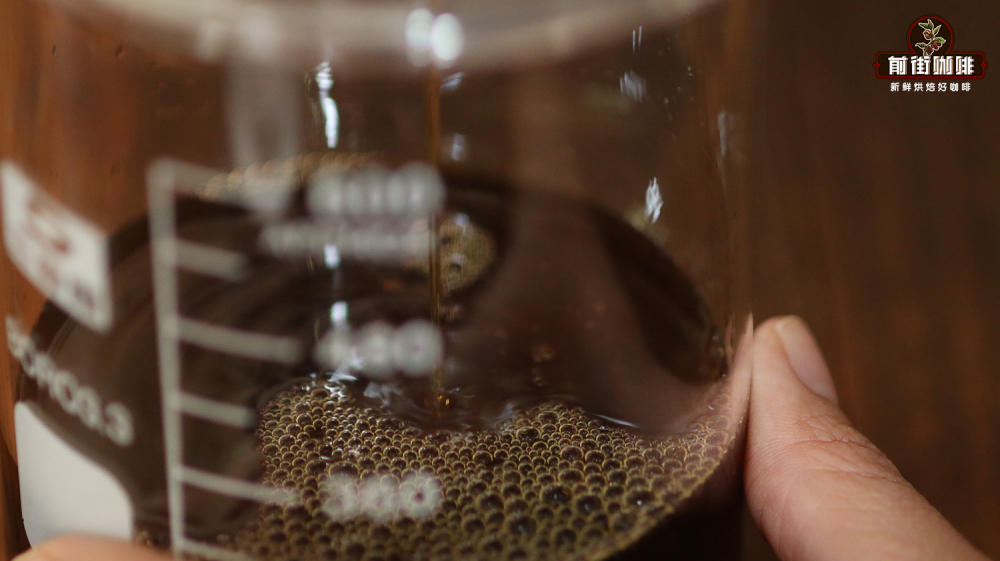
Which Tastes Better: Cold Brew or Ice-Drip Coffee?
At FrontStreet Coffee, whether cold brew or ice-drip, both are made using selected specialty coffee beans ground before brewing.
Cold Brew Coffee has the grounds and ice water combined and steeped throughout the entire process. After extraction the grounds bag is removed or the grounds are filtered. Because of this continuous contact, extraction is thorough and rich. Only cold water touches the grounds throughout, so there are fewer variables and the flavor is relatively stable—which is why this is the method coffee chains generally use.
Ice-Drip Coffee uses the same ice-water conditions but is more like giving the coffee an "IV drip" on a café countertop, with a retro clock slowly dripping ice water into the grounds, which then gradually seeps through. The biggest differences from cold brew are: first, each drop of water has relatively shorter contact with the grounds; second, during ice-drip the coffee has more contact with air, and this gentle oxidation introduces some uncontrollable factors.

As a result, the flavors in the early, middle, and late stages of ice-drip extraction are completely different, producing a coffee with a bright, fresh taste and distinct layers. Although ice-drip typically takes only 5-8 hours to make, you can place the finished coffee in an odor-free refrigerator to develop overnight, which brings unexpected aromas.
As for whether cold brew or ice-drip tastes better, FrontStreet Coffee thinks both are delicious. Cold brew is richer, while ice-drip is brighter with more distinct layers. Everyone's taste preferences differ, so it depends on what you personally prefer.

FrontStreet Coffee Brewing Recommendations
For coffee brewing, FrontStreet Coffee recommends using freshly roasted beans to maximize the rich flavors. The beans shipped by FrontStreet Coffee are all roasted within 5 days, because we deeply understand that freshness greatly affects flavor. FrontStreet Coffee's roasting philosophy is "freshly roasted good coffee," ensuring that every customer who orders receives the freshest coffee on arrival; the bean resting period is about 4-7 days, so when customers receive their coffee it is at its peak flavor.

FrontStreet Coffee has over fifty different varieties of coffee beans from producing countries and regions around the world. Whether you want to make cold brew coffee, ice-drip coffee, an Americano, or brew a single origin directly, we can meet everyone's needs.
FrontStreet Coffee Recommendation
Cold brew rewards beans that stay lively at low temperatures. FrontStreet's Strawberry Candy Gesha blend is an excellent pick: it combines the most representative Panama Geisha with a Costa Rican honey-processed coffee—one bringing delicate rose and orange notes, the other a grape, raisin, and strawberry-fudge sweetness—so the cold brew is sweet-sour and lively, and with a little fermentation and settling it can even take on a fruit-wine character. If you want florals, the naturally processed Huakui from Ethiopia absorbs abundant sweet aromatics from the fruit and skin during drying and shows magnolia, cream strawberry, dried mango, guava, and black tea notes in cold brew.
For a fuller, juicier cup, FrontStreet's Kenya Tomato is a washed Kenyan single origin from the Sika region, grown at 1,550–1,750 meters from the classic SL28 and SL34 varieties and reaching the high AA TOP standard; a Kenyan-style 72-hour double-wash fermentation and a light roast preserve the vivid acidity, giving clear cherry-tomato and smoked-plum flavors with a juice-like body, prominent mid-palate sweetness, a clean finish of yellow-sugar sweetness and green tea, and very high distinctiveness. FrontStreet's Colombia Sidra, from the Frontera Estate, is a champion-variety bean grown at 1,650–1,800 meters; double anaerobic natural processing and medium-light roasting keep its native fruit aromas, with jasmine and citrus in the dry fragrance followed by passion fruit, blueberry, grape, and apricot juice, a soft bright acidity, a touch of spice in the middle, and a lasting cocoa finish. It suits pour-over, espresso SOE, and ice-drip, and a cold pour-over especially highlights a clean, smooth grape-juice character.
Because cold brewing uses more coffee than pour-over, FrontStreet suggests choosing affordable, easy-drinking beans or blending for value. Those who love the complex passion fruit, grape, apricot, and dried-fruit sweetness of the Colombia Sidra can blend it 1:2 with FrontStreet's Costa Rica Tarrazú, gaining the Sidra's fruit and florals plus the Tarrazú's crisp citrus acidity while improving value. And the washed Yirgacheffe Geddingding cooperative lot is a fine all-rounder: bright, sweet-sour, and affordable, it works for pour-over, siphon, French press, or cold brew, showing sweet berry layers and honey in cold brew.
Important Notice :
FrontStreet Coffee is a long-established specialty coffee roaster in Guangzhou China, selling freshly roasted beans from its own farm in Yunnan as well as dozens of carefully selected single-origin beans from around the world for both pour-over and espresso. The products deliver consistently excellent quality and great value, with shipping within 24 hours. Guangzhou's FrontStreet Coffee shop is recommended by many coffee lovers, and the beans are now available online at the Tmall 。
FrontStreet Coffee has moved to a new address:
FrontStreet Coffee Address: 315,Donghua East Road,GuangZhou
Tel:020 38364473
 Scan and follow the En Gafei WeChat official account. Please indicate that the reprint comes from "En Gafei".