Ethiopia Gesha Village CHAKA Coffee Bean Flavor Profile and Taste Description
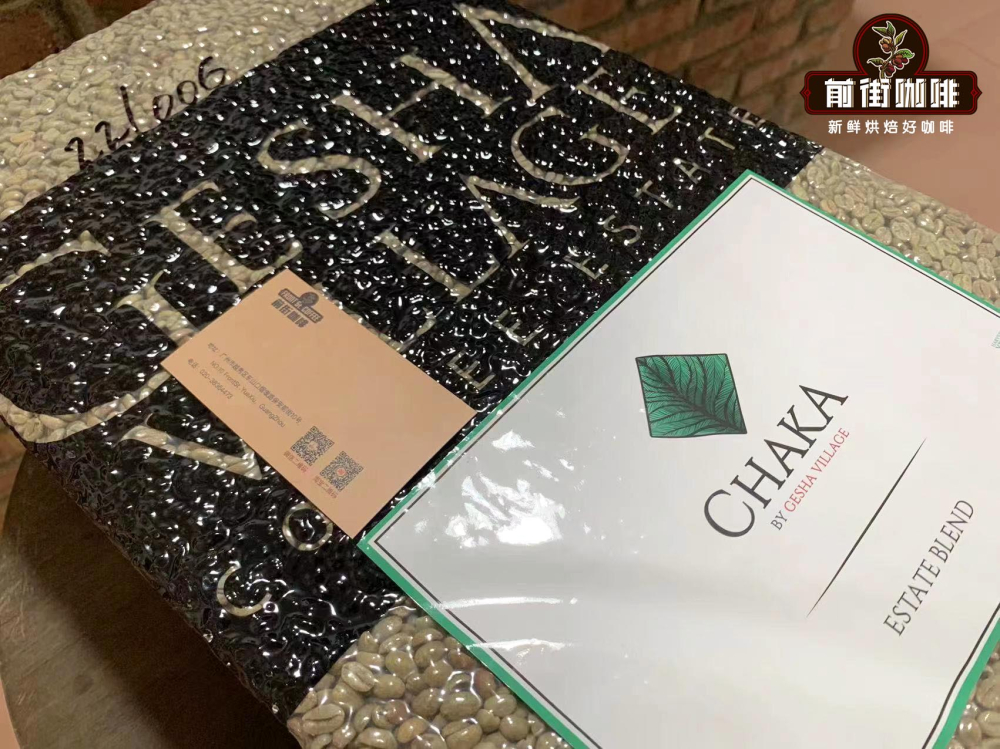 Gesha Village Coffee Estate CHAKA
FrontStreet Coffee: Gesha Village Chaka Batch
Country: Ethiopia
Region: Bench Maji
Altitude: 1900-2100m
Varieties: Gori Gesha, Gesha 1931, Illubabor
Processing: Natural
Gesha Village Coffee Estate CHAKA
FrontStreet Coffee: Gesha Village Chaka Batch
Country: Ethiopia
Region: Bench Maji
Altitude: 1900-2100m
Varieties: Gori Gesha, Gesha 1931, Illubabor
Processing: Natural
Gesha Village Coffee Estate
In 2007, documentary director Adam Overton and his photographer wife Rachel Samuel, while filming a documentary about Ethiopian coffee for the Ethiopian government, encountered the Gera coffee forest in the Bench-Maji region. During this process, they not only rediscovered the greatness of Ethiopia's land but also conceived the idea of establishing their own coffee estate and brand.

In 2009, they had the good fortune to meet the renowned donkey estate owner and BOP judge Willem Boot. Willem Boot's ideas provided an opportunity for the Overton couple: to return to Ethiopia and search for the birthplace of Gesha.
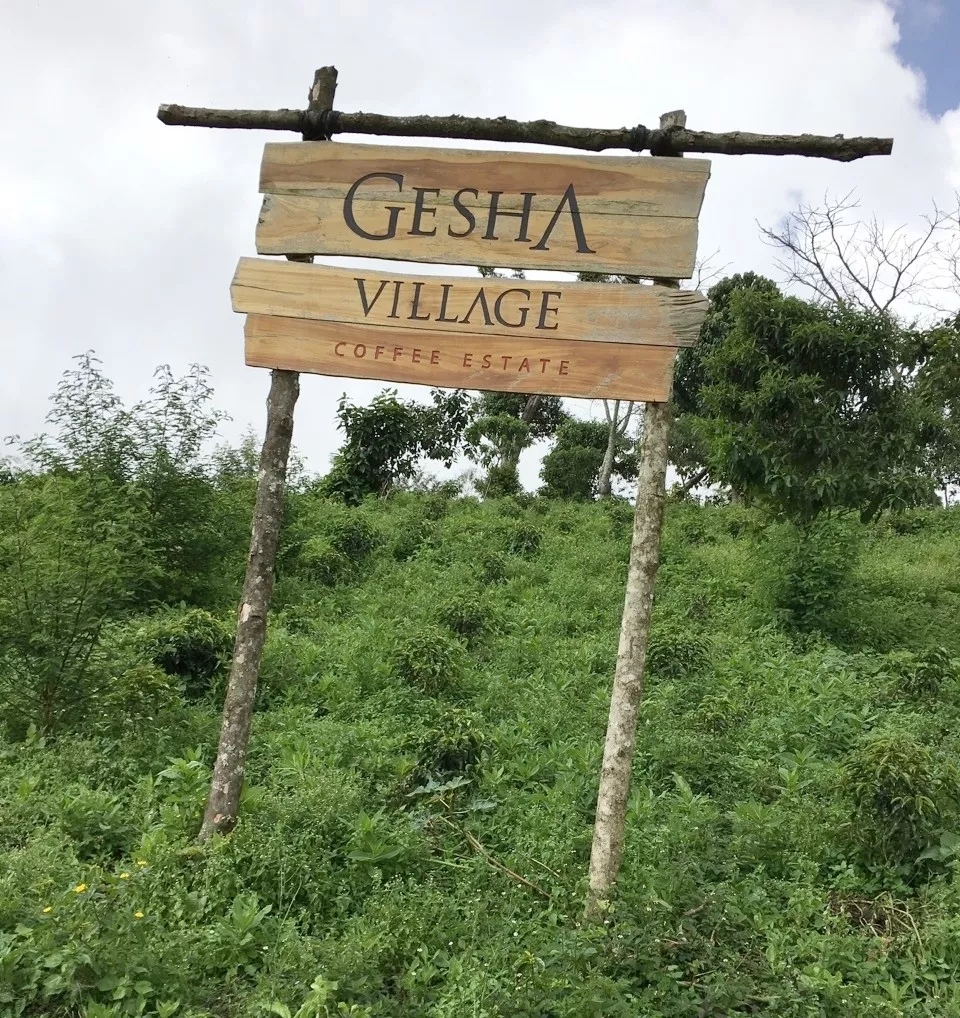
Finally, they arrived in Bench Maji, the area in southwestern Ethiopia near South Sudan, where many places are called Gesha Village, and it was the most likely area to find the original Gesha. When they went in 2011, there was nothing on the estate.
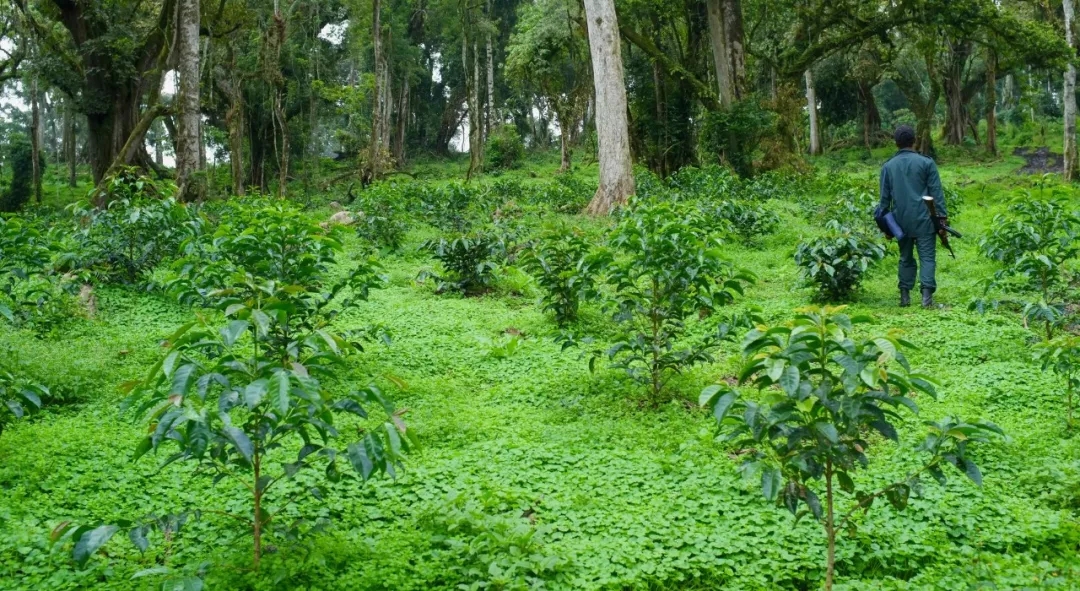
Adam followed Willem Boot on an "adventure" in the forest surrounding the estate. In a jungle magically wrapped by dense forest, they discovered multiple wild tree species, with wild Gesha being the most surprising find.
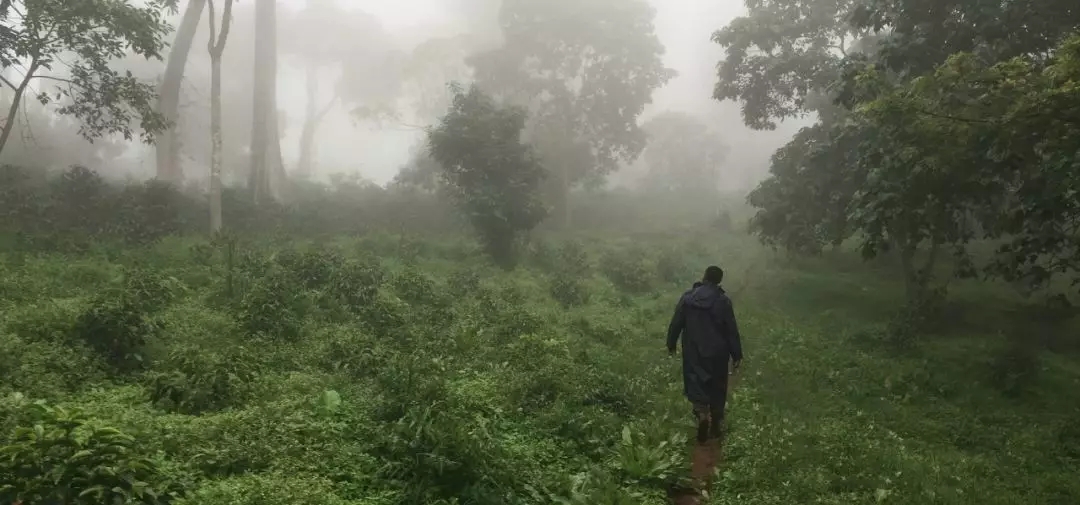
Later they learned that this was the Gori Gesha forest, the place where the Gesha variety was first discovered. So they collected seeds from the original Gesha trees, screened them, and then planted them in Gesha Village. They decided to establish the estate here and named it Gesha Village Coffee Estate, a 475-hectare coffee farm located about 12 miles from the Gori Gesha forest.
Gesha Village Coffee Estate is completely different from most Ethiopian farms. It's not a small farm but a large 500-hectare farm with its own washing station and laboratory, located in the southwest near the Sudanese border. The most special feature is that the entire farm only grows Gesha varieties, rather than the typical Ethiopian native varieties whose exact lineage cannot be determined.
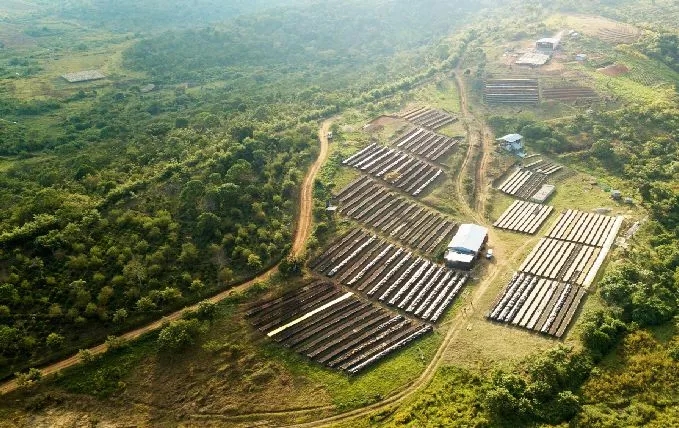
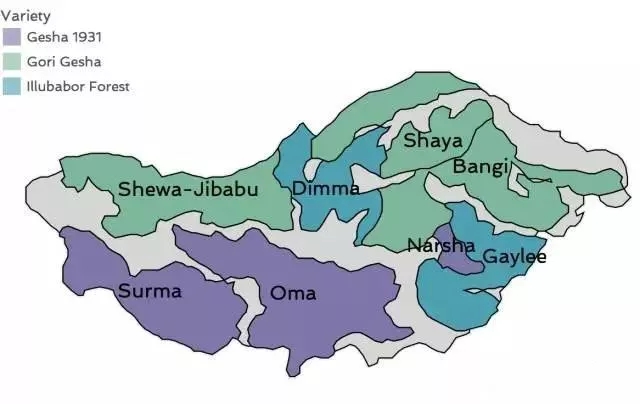
Gesha Village divides the farm into 8 blocks, with 3 main Gesha varieties. All Gesha seeds were collected from nearby forests, not from Panama.
Construction of the farm began in October 2011, with the first harvest in 2015. Due to enthusiastic responses from all parties, with the assistance of Panamanian coffee estate owner Willem Boot, they offered 21 micro-batches at their first international auction on May 31, 2017, of which 19 batches were 120 kilograms each, with a few smaller batches. Bidders from Europe, North America, Asia, and Australia responded with unexpected enthusiasm, with the final winning bid reaching $85 per pound, breaking all previous auction prices for African beans!
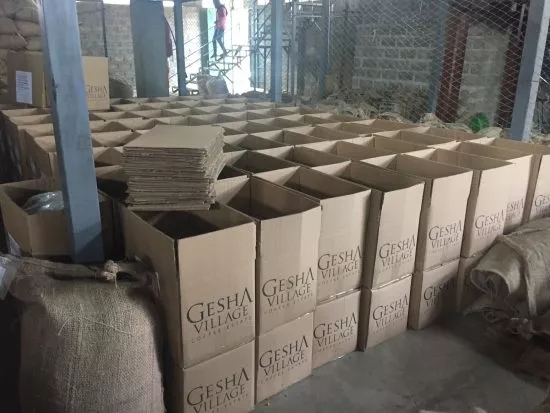
Chaka CHAKA
Gesha Village's coffee grading includes: Auction, Gold Label, Red Label, Green Label, and CHAKA.

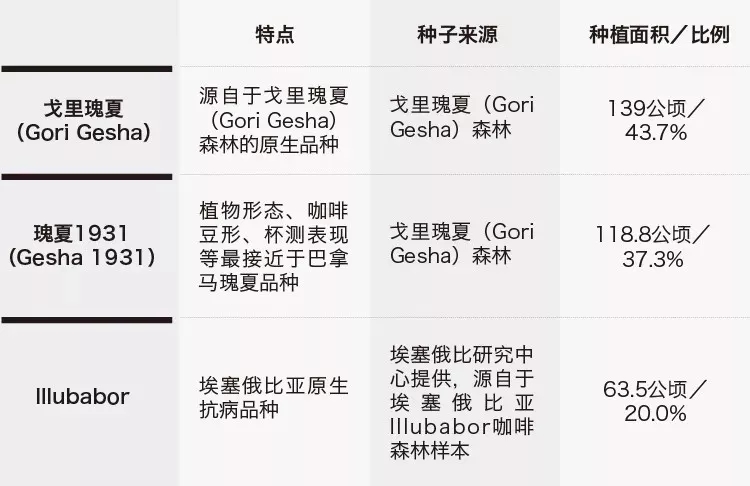
CHAKA is a Gesha blend produced by Gesha Village Estate, composed of Gori Gesha, Gesha 1931, and Illubabor (an Ethiopian native disease-resistant variety).
Varieties

Gori Gesha (GG)
This variety replicates the genetic diversity found within the Gori Gesha coffee forest.

Gesha 1931 (G31)
It combines various forest varieties and is very similar to Panamanian Gesha. It was selected by observing its plant morphology, bean appearance, screen size, and cupping flavor.

Illubabor Forest 1974 (IF)
Discovered during a 1974 expedition to the Illubabor forest, it was later developed by the Ethiopian Research Center into a disease-resistant variety.
Processing Method
This Gesha Village CHAKA uses natural processing.
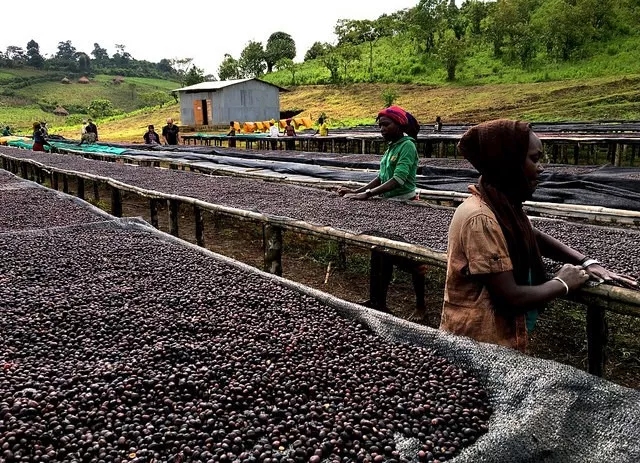
First, floating impurities are removed, then the beans are dried in thin layers on African raised beds covered with plastic tarps. During drying on the drying beds, another selection is made to pick out insect-damaged beans and green-colored coffee beans. The total drying time is 18-30 days.
Roasting Analysis
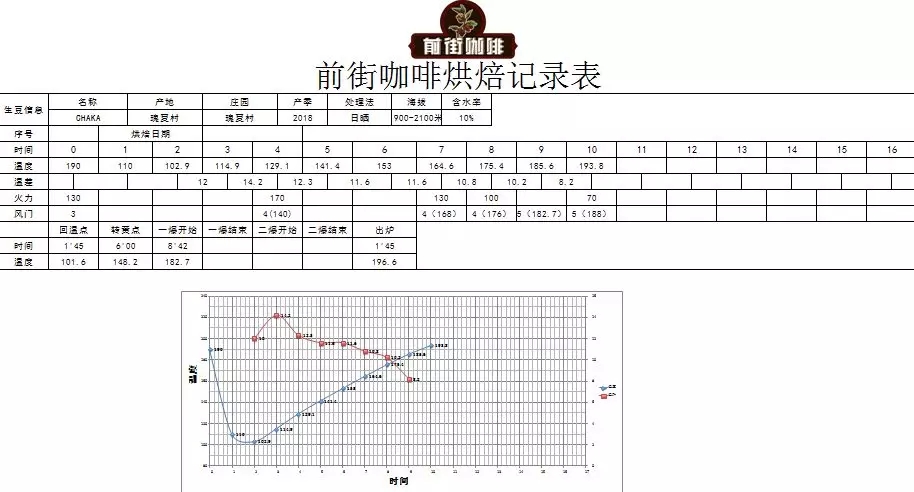
Roaster: Yangjia 800N (roasting capacity 300g)
Preheat the roaster to 190°C, then add beans with the damper at setting 3. After 30 seconds, reduce heat to 130 while keeping the damper unchanged. The temperature return point is at 1'45". When the roaster temperature reaches 140°C, open the damper to setting 4 while increasing heat to 170. Increase heat to help the beans dehydrate quickly and bring out their aroma. When the temperature reaches 150.6°C, the bean surface turns yellow and the grassy smell completely disappears, entering the dehydration stage. When the temperature reaches 168°C, reduce heat to 130°C while keeping the damper unchanged.
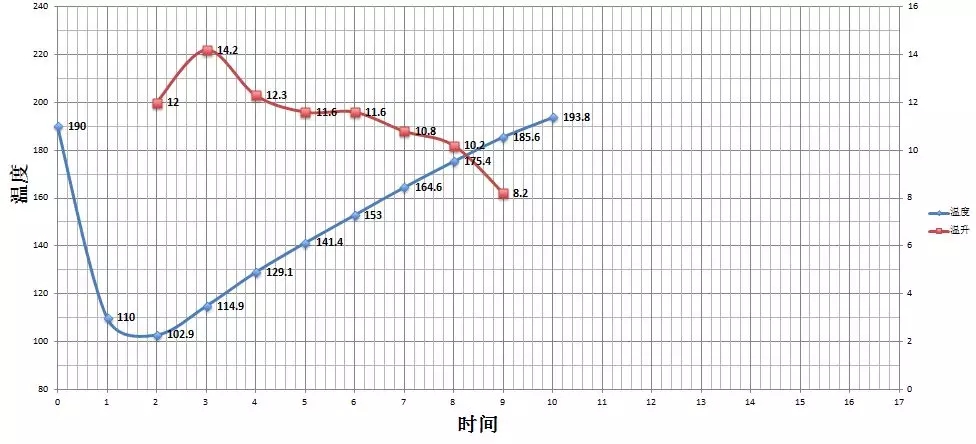
At 7'59", ugly wrinkles and black spots appear on the bean surface, and the toast smell clearly transforms into coffee aroma. This can be defined as the prelude to first crack. At this point, listen carefully for the sound of first crack. First crack begins at 8'42", then adjust the damper to setting 5 (adjust heat very carefully, not so low that there's no cracking sound). After first crack, develop for 1'45" and drop at 196.6°C.
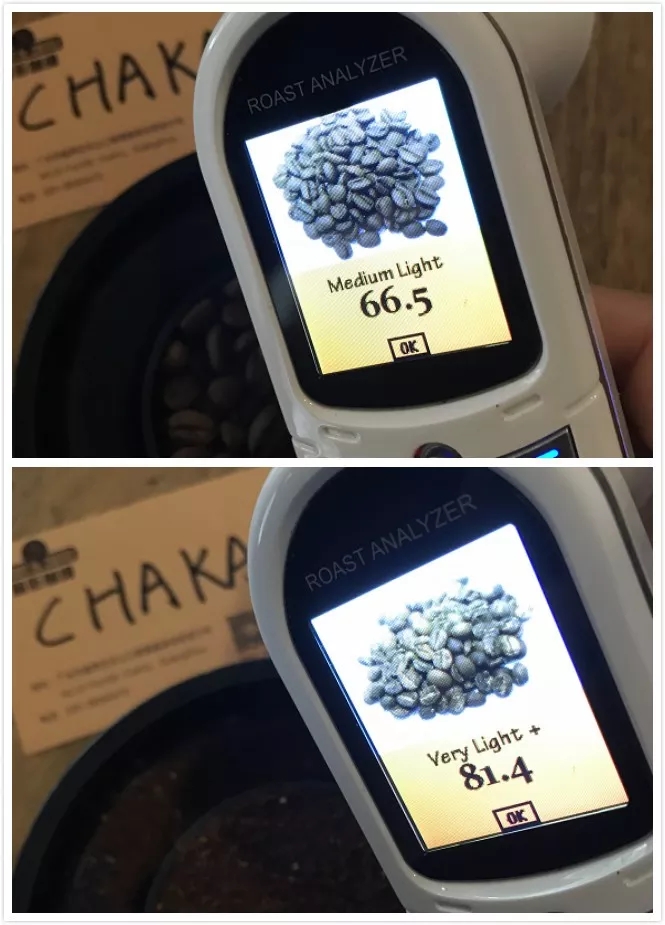
Agtron bean color value: 66.5 (top image), Agtron powder color value: 81.4 (bottom image), Roast Delta value: 14.9.
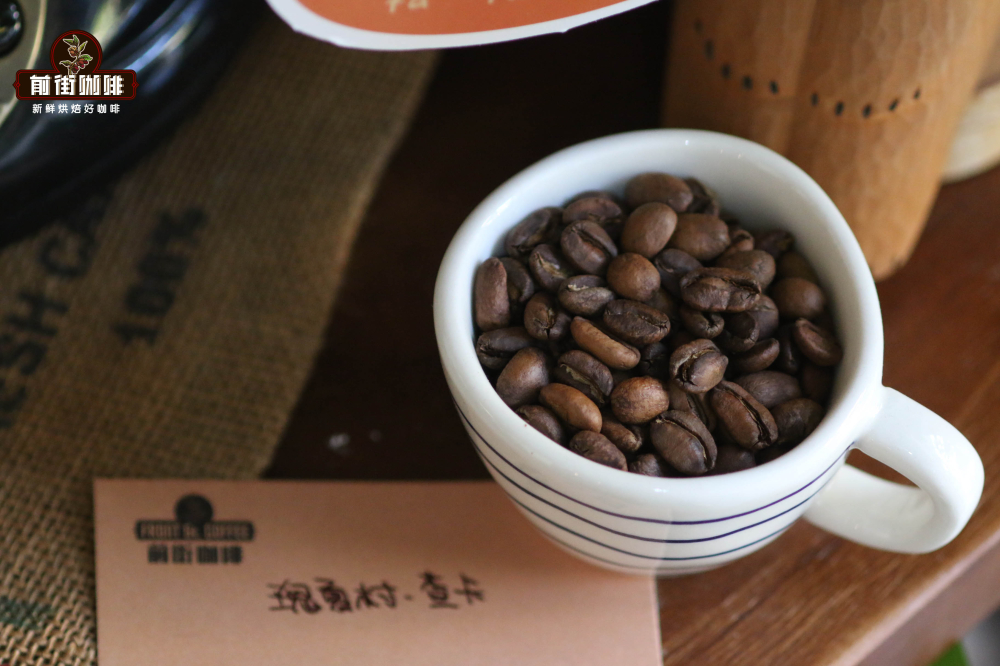
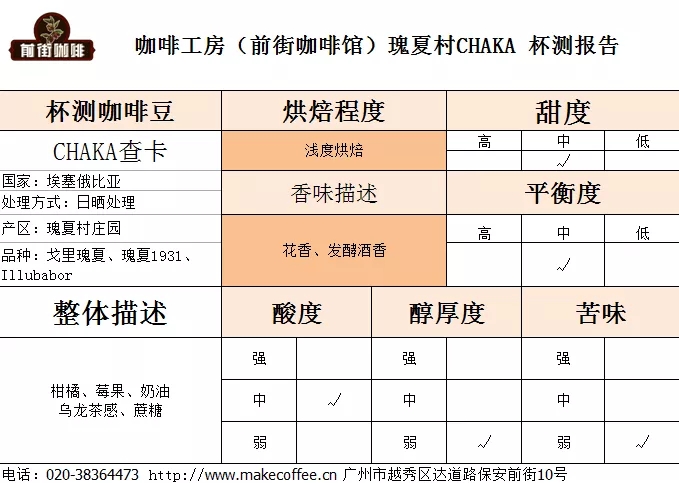
Cupping: The aroma has floral notes and a light fermented fragrance. When slurping, flavors of citrus, berries, cream, oolong tea, and sucrose are present.
Brewing Analysis
Recommended brewing method: Pour-over
Filter: Hario V60
Water temperature: 90-92°C
Grind size: Medium-fine (Chinese standard #20 sieve, 80% pass rate)
Coffee-to-water ratio: 1:15
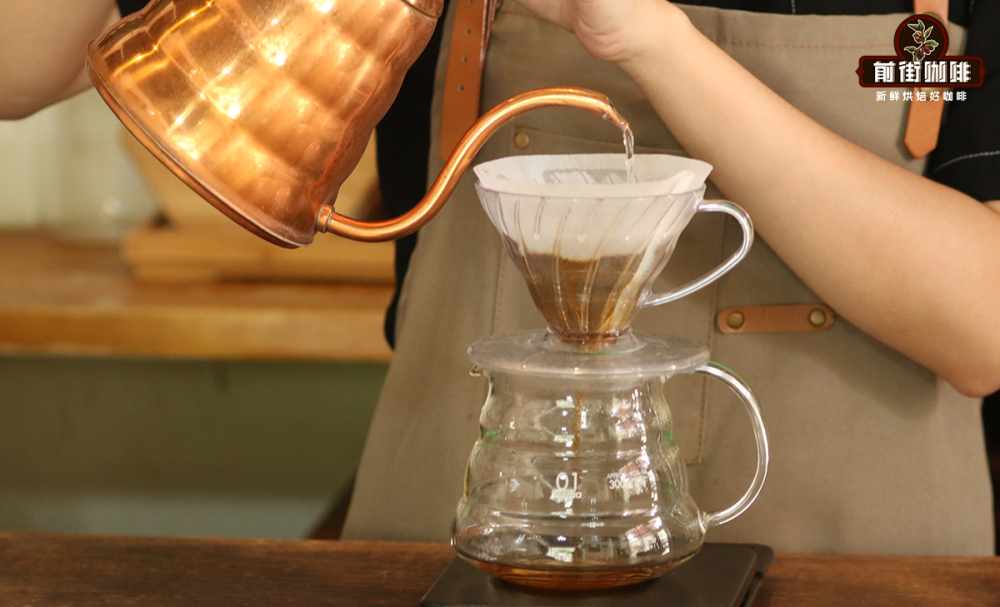
[Brewing Technique] Segmented extraction. Bloom with 30g water for 30 seconds. Pour with a small water flow to 130g for segmentation. When the water level drops and is about to expose the coffee bed, continue pouring to 225g to finish. When the water level drops and is about to expose the coffee bed, remove the filter cup. (Timing starts from bloom) Extraction time is about 1 minute and 50 seconds.

[Flavor] When brewed at high temperature, this coffee has a distinct caramel sweetness with citrus acidity and oolong tea notes in the finish, with overall prominent sweetness. When brewed at lower temperatures, this coffee has a light fermented aroma, with citrus and grapefruit acidity, featuring cream, chocolate, and caramel flavors, with a gentle flavor profile.
FrontStreet Coffee Recommendation
The CHAKA batch is the most approachable way to taste Gesha Village's three signature varieties in one cup, and FrontStreet Coffee carries the estate's lineup. The FrontStreet Gesha Village Gold Label highlights the Gesha 1931 variety with a refined natural process, while the Red Label centers on Gori Gesha as a fully traceable single-terroir lot scoring 88 points or above on the SCA scale. Together with the Chaka blend, they let you compare the forest genetics that made this Ethiopian estate famous.
Important Notice :
FrontStreet Coffee is a long-established specialty coffee roaster in Guangzhou China, selling freshly roasted beans from its own farm in Yunnan as well as dozens of carefully selected single-origin beans from around the world for both pour-over and espresso. The products deliver consistently excellent quality and great value, with shipping within 24 hours. Guangzhou's FrontStreet Coffee shop is recommended by many coffee lovers, and the beans are now available online at the Tmall 。
FrontStreet Coffee has moved to a new address:
FrontStreet Coffee Address: 315,Donghua East Road,GuangZhou
Tel:020 38364473
 Scan and follow the En Gafei WeChat official account. Please indicate that the reprint comes from "En Gafei".