
How Long Does Latte Foam Last? How to Slow Down the Dissolution of Latte Foam
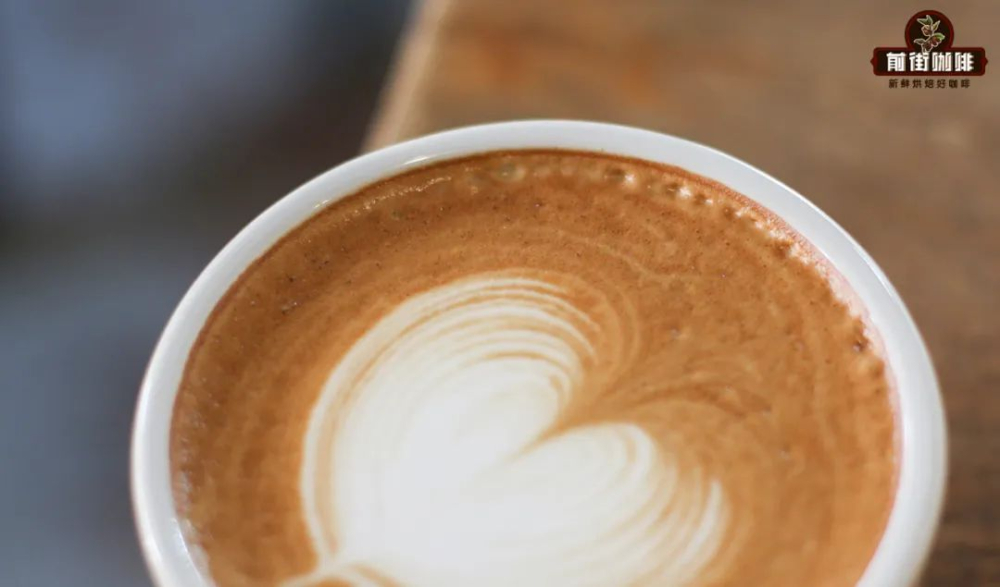
A freshly made latte has a remarkably delicate surface — but leave it sitting, and that fine microfoam gradually breaks down, collapsing into rough, uneven bubbles.
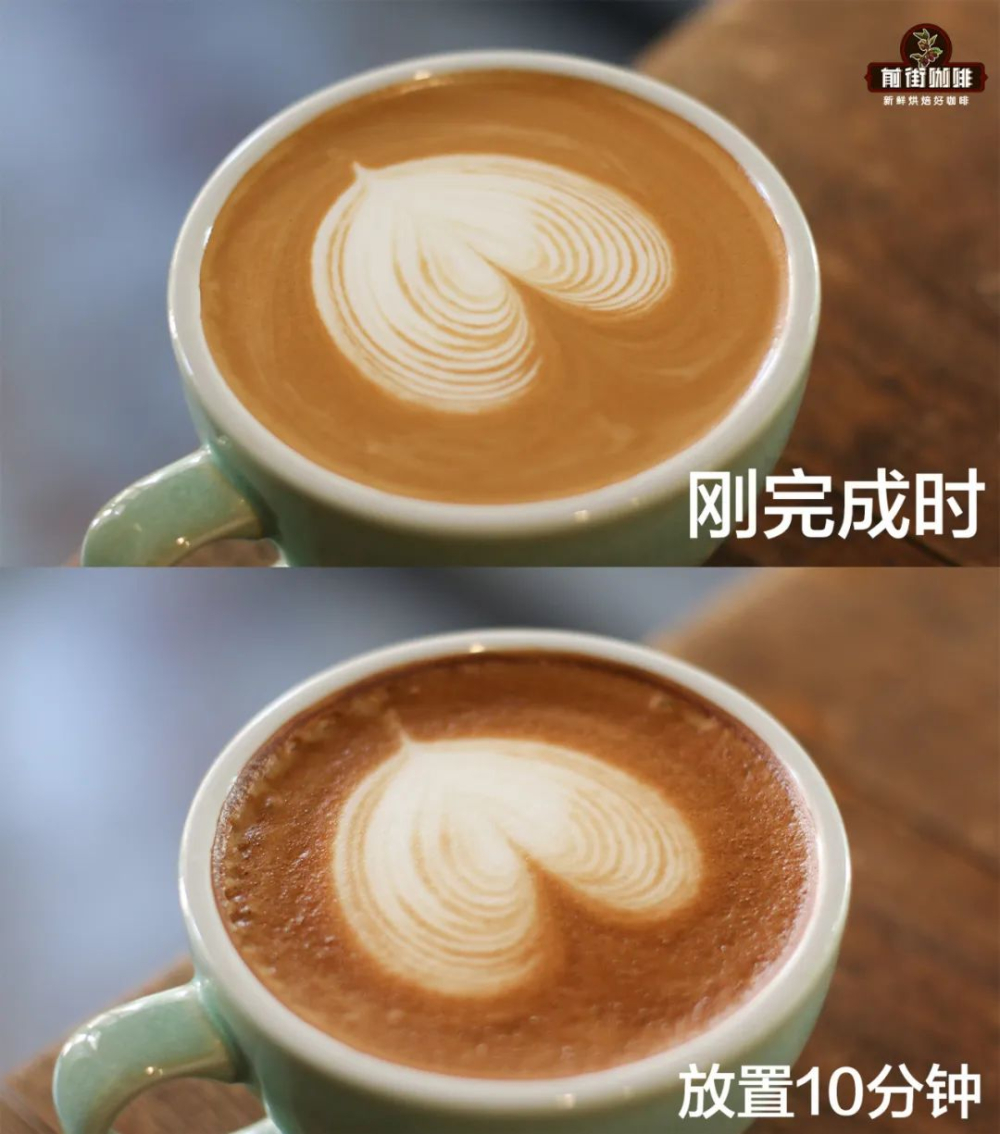
This process is called foam dissipation, and it actually begins the moment the milk is frothed. Once poured into a latte, the milk foam and crema form a relatively stable structure together, but make no mistake: all foam will eventually dissipate.
What varies is the speed. Some lattes show obvious large bubbles within 2 minutes, while others hold their surface for 15 minutes or more. In fact, foam stability is one of the key measures of a well-made latte.
Three Factors That Determine Foam Stability
How long a latte's foam holds depends mainly on three things: the quality of the milk foam, the quality of the espresso crema, and how well the two are integrated.
Milk Foam Quality
For a stable, slow-dissipating surface, the foam needs to be fine-textured and fluid. Keep in mind: the thicker the frothed foam, the faster it falls apart. Order a latte and a cappuccino together and you'll notice the cappuccino always gets rough bubbles first — thick foam simply doesn't integrate evenly with the crema.
Careless habits speed things up too. Tapping the pitcher on the counter after steaming, for example, is meant to pop large bubbles, but it also accelerates the separation of foam from milk.
Espresso Crema Quality
The crema itself affects how quickly the surface decays. Healthy crema is fine-textured, fluid, free of clumps, and roughly one-third the volume of the shot.
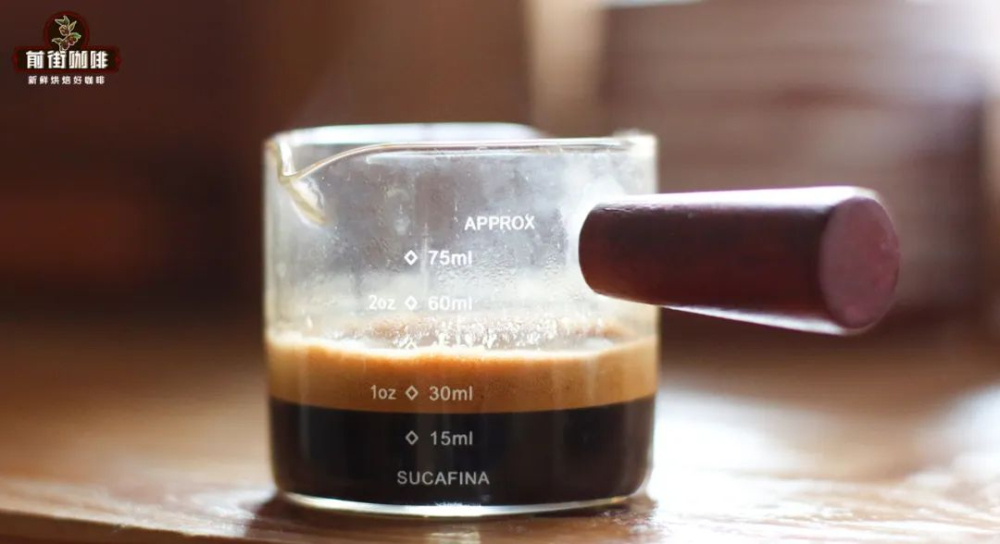
At FrontStreet Coffee's shop, the espresso beans are rested for about 10-14 days first, letting them vent a large share of their carbon dioxide. That produces crema that is fine, fluid, and stable.
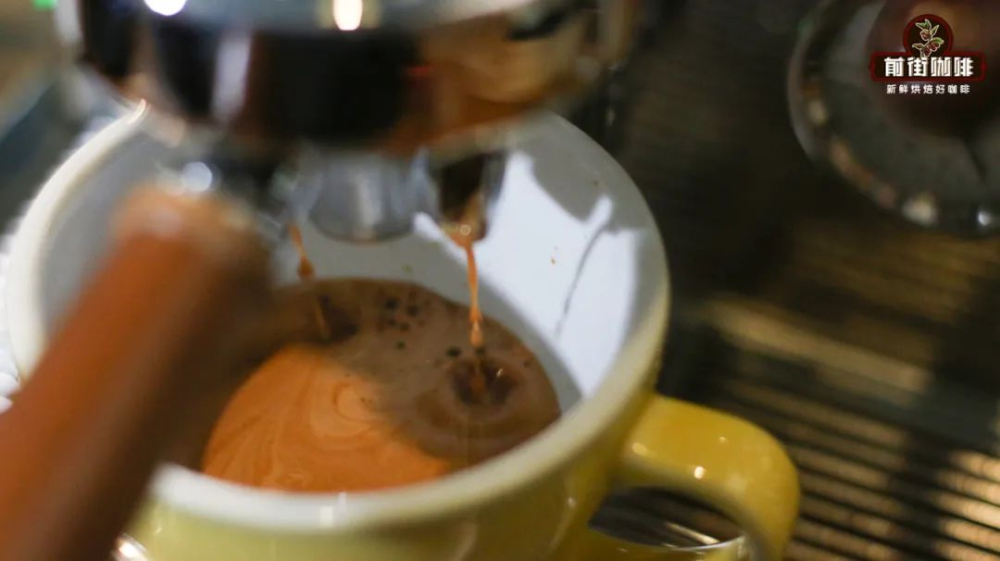
Espresso pulled from beans that are too fresh behaves differently: it starts with an impressive amount of crema, but that crema is rough, porous, thick, even clumpy — and after about 20 seconds it collapses wholesale. Too much carbon dioxide gets compressed into the crema, and those restless gases quickly burst through and escape. That's why a shot can look wonderfully rich at first and then go flat almost immediately.
Integration Quality
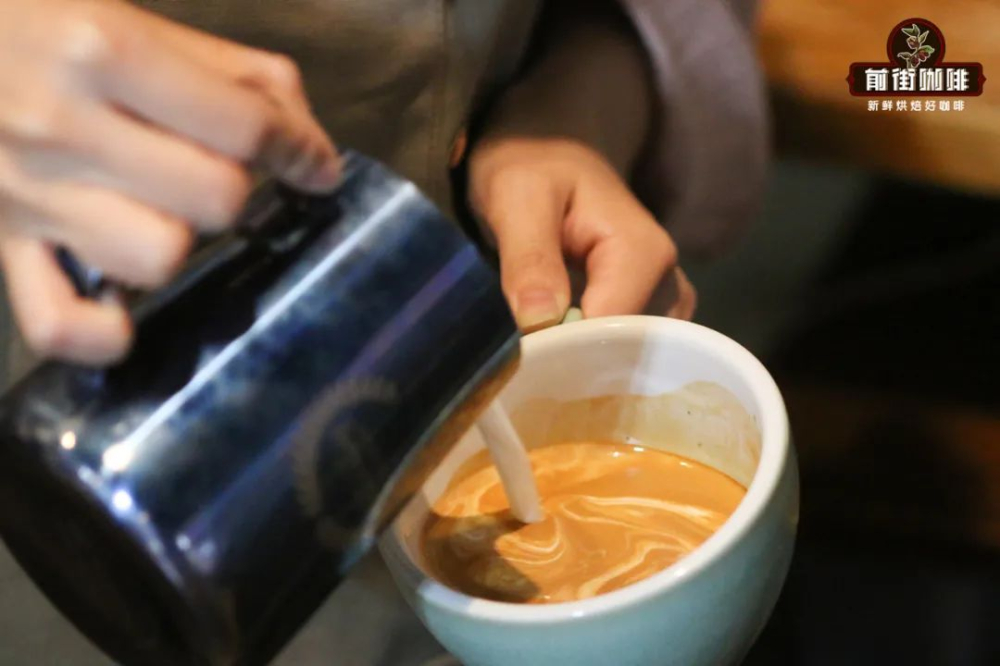
Great foam and great crema still need to be blended thoroughly and evenly to stay stable. A quick check: is the "golden circle" uniform in color, and are the latte art lines crisp and well-defined? The first spots to break down are usually the unevenly integrated patches, where color alternates between light and dark. So the neatness of the golden circle is itself a quality marker.
Other Small Details
A few subtler factors don't show in the cup itself. A pre-warmed cup, for instance, slows surface foam dissipation compared to a cold one, and any residual water inside the cup makes the foam near the rim break down faster.
FrontStreet Coffee Recommendation
Foam this fine needs an espresso with crema to match. For classic cappuccino-style milk drinks, FrontStreet recommends the FrontStreet Classic Blend — a crema powerhouse with a rich, velvety body — or the budget-friendly FrontStreet Dark Cocoa Base Blend, both designed for espresso machines and milk drinks with a thick, plush foam layer.
If you'd rather push a fruitier profile, the FrontStreet Strawberry Candy Espresso Blend brings aromas of berries, rose, raisin, and fruit candy, while the FrontStreet Granada Geisha SOE — naturally processed and medium roasted — offers berry, orange, and persimmon notes that turn creamy and caramel-like once milk is added.
Important Notice :
FrontStreet Coffee is a long-established specialty coffee roaster in Guangzhou China, selling freshly roasted beans from its own farm in Yunnan as well as dozens of carefully selected single-origin beans from around the world for both pour-over and espresso. The products deliver consistently excellent quality and great value, with shipping within 24 hours. Guangzhou's FrontStreet Coffee shop is recommended by many coffee lovers, and the beans are now available online at the Tmall 。
FrontStreet Coffee has moved to a new address:
FrontStreet Coffee Address: 315,Donghua East Road,GuangZhou
Tel:020 38364473
 Scan and follow the En Gafei WeChat official account. Please indicate that the reprint comes from "En Gafei".

