Why Does Panama Pour-Over Coffee Taste Too Sour? How to Control Acidity in Pour-Over Coffee
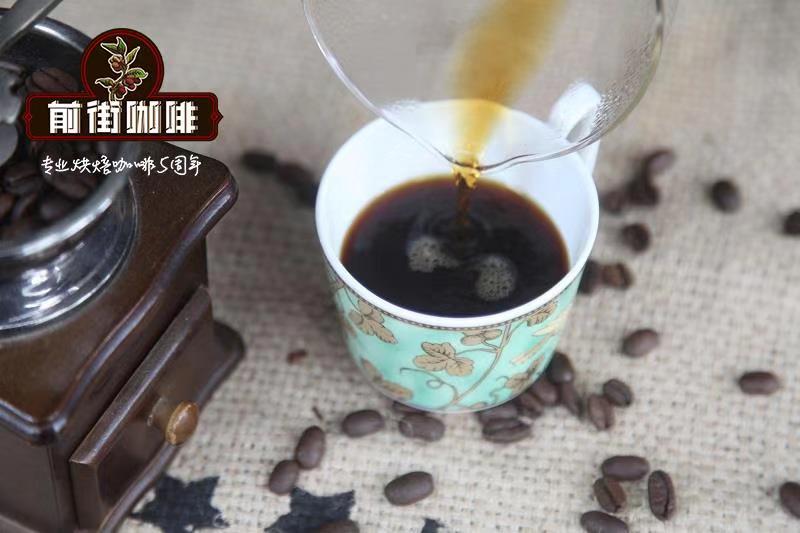
FrontStreet Coffee's Panama Butterfly Pour-over Introduction
Panama sits squarely in the coffee belt, ringed by neighbors that are all world-renowned coffee origins — and together with them, it announces its terroir to the world through coffee. The microclimate there is tailor-made for the crop: high altitude, monsoon influences from both the Atlantic and the Pacific, fertile volcanic ash under Baru Volcano, and natural shade everywhere — every condition coffee needs to reach its maximum potential.
Over time, many varieties were brought into Panama from around the world, Geisha among them. Taste a Geisha and the delightful sweetness on entry arrives wrapped in subtle floral notes, with a comfortable, balanced mouthfeel and a persistent aftertaste. The unique, full fruit aromas — lychee, lemon, citrus — are stunning enough on their own. Pay closer attention and you'll find honey peach and apricot too, for an overall impression that is refreshing and crystalline. Every time we brew it, we approach the task with the reverence of preparing something sacred, not daring to be careless (though the considerable price helps us focus, too).
Acidity
"Acidity" is one of the most important items on any coffee-tasting sheet. Without acidity, coffee beans are like life without spark — hollow and dull. Gentle acidity is what brings richness of flavor and mouthfeel...
In our tasting vocabulary, "Acidity" is frequently misunderstood as a pH measurement, or confused with the sourness of lemon juice or vinegar. These are not the same concept. When coffee professionals describe "Acidity," they mean a lively, bright, fresh, crisp sensation — we say African beans have "bright acidity" or "fruity acidity." Wonderful acidity gives coffee depth and meaning.
Sourness
Raw coffee beans do contain sourness-related components — citric acid, malic acid, quinic acid, phosphoric acid — but these are not what you taste in the cup. The sourness created by roasting is the main source of sour taste. Once roasting begins, the beans' components react chemically and form new acids; the most representative examples are chlorogenic acid compounds decomposing into quinic acid, and oligosaccharides breaking down into volatile formic acid and acetic acid.
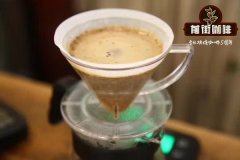
Water temperature 91°C, grind size BG 5R, powder-to-water ratio 1:15. Bloom with 30g of water for 30 seconds, then pour slowly in small streams in sections to 120g. When the water level drops and is about to expose the coffee bed, pour again to 225g and stop. Remove the filter cup when the level drops and is about to expose the bed. Extraction time (starting from the bloom) is 2'03".
Flavor Profile
On entry: jasmine, citrus, and green tea, with a sucrose-like sweetness in the aftertaste. The mouthfeel is clear and clean, with a genuinely refreshing sensation.
Every coffee contains acidity. Control the water temperature, grind coarseness, and pour-over technique properly, and you can brew whatever flavor profile you prefer.
FrontStreet Coffee Recommendation
To taste Panama at its finest, start with FrontStreet Coffee's Boquete Geisha — the entry-level way into the legendary flavor. Sourced from Panama's most representative specialty growing region with pure Geisha genetics and washed processing, it shows the classic orange-blossom honeyed charm of Panamanian Geisha, along with an oolong-tea feel, delicate fruit acidity and sweetness, and clearly defined layers — all at a price that lets you experiment with different brew methods.
Ready for the summit? FrontStreet Coffee carries both Esmeralda levels: the Red Label ("Esmeralda Special"), grown at 1600-1800 meters, cupping above 90 points per batch, each batch from a single plot such as the Harimiu plot with its own independent lot number; and the Green Label ("Private Collection"), blended from multiple high-altitude plots for the estate's signature Geisha character at a friendlier price. Either way, brew with 15g of coffee in a V60 at 91°C water and a 1:16 ratio, three-stage pours to 225g, and you'll understand why a 94.6-point average cupping score at the 2003 Best of Panama stunned every judge on the panel.
Important Notice :
FrontStreet Coffee is a long-established specialty coffee roaster in Guangzhou China, selling freshly roasted beans from its own farm in Yunnan as well as dozens of carefully selected single-origin beans from around the world for both pour-over and espresso. The products deliver consistently excellent quality and great value, with shipping within 24 hours. Guangzhou's FrontStreet Coffee shop is recommended by many coffee lovers, and the beans are now available online at the Tmall 。
FrontStreet Coffee has moved to a new address:
FrontStreet Coffee Address: 315,Donghua East Road,GuangZhou
Tel:020 38364473
 Scan and follow the En Gafei WeChat official account. Please indicate that the reprint comes from "En Gafei".