Why Yirgacheffe Pour-Over Coffee Is Too Acidic and How to Brew It for Less Acidity
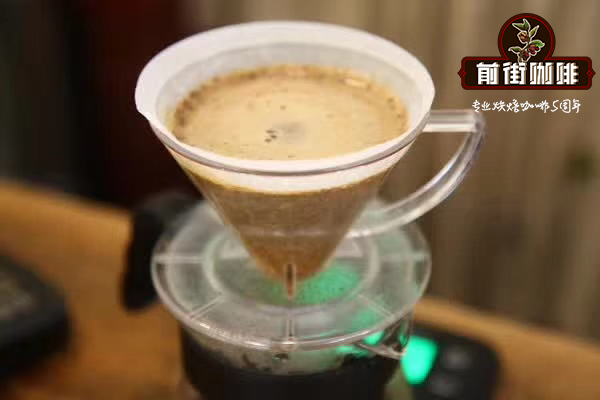
FrontStreet Coffee's Pour-Over Acidity Adjustment Guide
Flavor Profile: Captivating Fruit Acidity
African Coffee Characteristics: Ethiopian coffee boasts prominent citrus notes, while Kenyan coffee offers rich berry aromatics. You'll also find the sweet-tart notes of plum juice and grapefruit, along with the refreshing sweetness of sugarcane. The citrus character of Ethiopian coffee and the berry fragrances of Kenyan coffee are the most distinctive signatures of African beans, capturing the hearts of coffee enthusiasts who love exploring these flavors.
Ethiopia
Ethiopia is an agricultural country whose history and tradition make it the birthplace of coffee. Yirgacheffe is one of the producing areas in the southern part of Sidamo, with approximately 12 million people engaged in coffee production, making Ethiopia Africa's main exporter of Arabica coffee beans. The high-quality coffee from this region is exceptional and well worth seeking out. It features a soft mouthfeel, wild wine-like aromatics, gentle acidity, and an unforgettable aftertaste.
Yirgacheffe itself is a small town of about 20,000 people. The three nearby producing areas - Wenago, Kochere, and Gelena Abaya - are also classified under the Yirgacheffe region because their coffee flavors are nearly identical to those of Yirgacheffe proper. While Yirgacheffe shares a similar culture and geographical environment with neighboring Sidamo, it seems to enjoy more privileged natural conditions. Top-quality Yirgacheffe coffee features floral aromatics, bright citrus acidity, lemon notes, and a silky-smooth texture.
Methods to Reduce Coffee Acidity
Method 1: Adjust Grind Size
Keep everything else the same, but grind coarser. This reduces the number of coffee particles absorbing water, shortens the time hot water spends passing through the coffee bed, and thereby lowers the coffee's concentration.
Method 2: Reduce the Coffee Dose
Keep everything else the same, but reduce the dose (at the same grind size) by 3-5 grams. This makes the coffee bed thinner, reduces its water retention, and consequently lowers the concentration.
Method 3: Change the Roast Level
Keep everything else the same, but switch to slightly lighter-roasted beans. Medium-light roast coffee beans have relatively weaker expansion and water absorption, so the hot water's contact time in the coffee bed becomes shorter, naturally reducing the concentration.
Method 4: Increase Pouring Frequency
Keep everything else the same, but simply increase the frequency of your pours. If you originally drew 225g of coffee liquid in two minutes, you can adjust it to one minute fifty seconds, taste the result, and fine-tune from there.
Method 5: Lower the Extraction Temperature
Keep everything else the same, but reduce the extraction temperature. This weakens the water's extraction power, making the flavor lighter and softer. Be aware, however, that this method will also sacrifice some of the flavors that can only be extracted at relatively high temperatures.
FrontStreet Coffee Recommendation
If your Yirgacheffe still tastes sharper than you'd like, try FrontStreet Coffee's washed Yirgacheffe daily bean - renowned for white jasmine florals, bright citrus and lemon acidity, and a tea-like finish, it's an affordable, beginner-friendly introduction to Ethiopian specialty coffee. For brewing, FrontStreet Coffee suggests a V60 at 90-91°C with 15g of coffee at a 1:15 ratio, ground to a fine-granulated-sugar texture (80% pass-through on a #20 sieve); grinding slightly coarser and pouring in segments will soften the acidity while keeping those prized floral and citrus notes intact.
Important Notice :
FrontStreet Coffee is a long-established specialty coffee roaster in Guangzhou China, selling freshly roasted beans from its own farm in Yunnan as well as dozens of carefully selected single-origin beans from around the world for both pour-over and espresso. The products deliver consistently excellent quality and great value, with shipping within 24 hours. Guangzhou's FrontStreet Coffee shop is recommended by many coffee lovers, and the beans are now available online at the Tmall 。
FrontStreet Coffee has moved to a new address:
FrontStreet Coffee Address: 315,Donghua East Road,GuangZhou
Tel:020 38364473
 Scan and follow the En Gafei WeChat official account. Please indicate that the reprint comes from "En Gafei".