How to Distinguish Between Semi-Dry and Honey Processing: The Difference Between Semi-Dry Processed and Honey Processed Coffee Beans
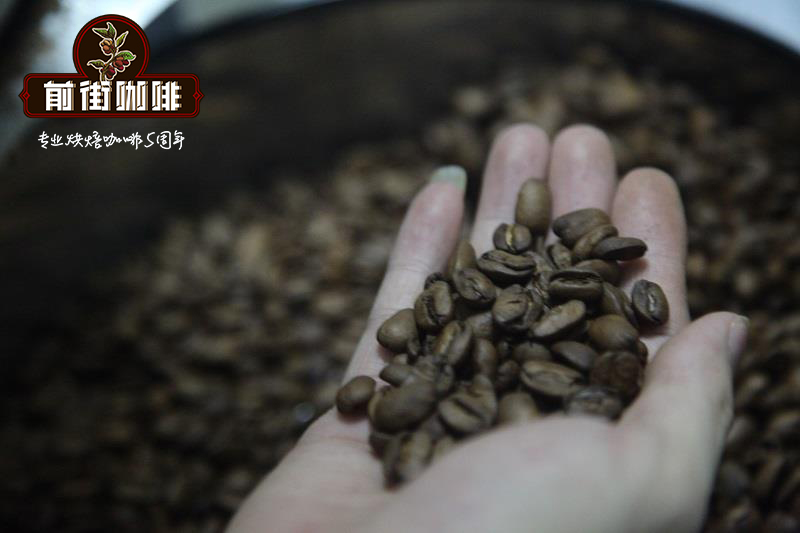
The Semi-Washed (Semi-Sun-Dried) Processing Method
The semi-washed method, also called semi-sun-dried, is an improved technique developed in traditional sun-dried regions to raise the quality of natural beans.
Step 1: Remove Floating Beans
(The same first step as the natural and washed methods.)
Step 2: Remove the Pulp
(The same step as the washed method.)
Step 3: Sun Drying
The depulped seeds, still carrying their mucilage, are moved into direct sunlight for several days. Throughout this period they must be turned continuously so the seeds dry evenly inside and out. In the later stage of Brazil's semi-sun-dried process, machines take over to finish drying and bring the moisture content down to 10.5-12%. Costa Rica's famous "Miel" (Honey) method is also a semi-sun-dried technique, with the difference being that its drying stage is entirely sun-dried.
Step 4: Aging
The dried parchment beans are placed in special containers and stored for dozens of days so they can age. Finally, the hull is removed by polishing to obtain the green beans.
Post-Processing Methods for Arabica Specialty Beans
Post-processing for Arabica specialty beans covers four methods: Full Sun Dry (Natural), Semi-Sun Dry (Dry Hull), Wet Hulling (Semi Wet), and Honey Process (Honey Dry Hull). Of these, wet-hulled and honey-processed beans offer the best flavor profiles.
The Wet-Hulled Method
With wet hulling, harvested coffee cherries are poured into large water tanks to screen out unripe and defective floating fruit. A pulper then removes the skin and pulp, and the beans, still coated in mucilage, are moved into breathable jute bags. There the mucilage layer ferments and breaks down for about 12 hours, generating a range of phenolic aromatic compounds that penetrate the beans. Finally the beans are washed with clean water and dried, producing a clean, bright, sweet fruit-acid flavor.
The Honey Process Method
In honey processing, mature, sweet red coffee cherries are run through a pulper to remove the skin and pulp, and the beans are then left with their mucilage exposed to sunlight for 12-14 days. This allows the mucilage, rich in fruit acids and sugars, to ferment and decompose fully with the enzymes and bacteria in the air, so its nutrients penetrate the beans. The result is a marked increase in sweetness and richness, along with bright, smooth fruit-acid aromas.
The Semi-Sun-Dried Method
With the semi-sun-dried method, because the mucilage attached to the coffee shell, that very sweet fruit flesh, is not fermented and washed away, the beans take on a brown color. This green bean technique sits between the washed method and the natural method. Like the washed method, it must first remove the fruit skin. After depulping, however, the beans must immediately be floated in water to remove floating beans, and sun drying has to begin right away before the mucilage starts to ferment. The industry calls it the "semi-sun-dried method," but it is more accurate to call it the "semi-washed method," since compared with the washed method it truly only washes half, whereas compared with the natural method it cannot simply dry half.
FrontStreet Coffee Recommendation
To taste semi-washed processing at its most classic, reach for FrontStreet Coffee's Brazil Cerrado Red Bourbon. Cerrado is a well-known Brazilian region prized for high-quality beans, and this lot uses the red Bourbon variety common across South America. Medium roasted, it shows rich aromas of creamy peanut, toasted bread, caramel, and hazelnut, with a rounded body, no acidity, and a light bitterness. It suits pour-over, moka pot, espresso SOE, siphon, and French press alike.
For a honey-leaning, sweeter expression of Brazil, try FrontStreet Coffee's Brazil Queen Estate Yellow Bourbon. Grown in Mogiana, where fertile red volcanic soil feeds the fruit, it is a rare yellow Bourbon, a genetic mutation of red Bourbon, and therefore delivers a cleaner fruit character. Through pour-over, moka pot, or a home espresso machine, it reveals a sugarcane-like sweetness found in no other region, alongside fruit and chocolate notes.
Important Notice :
FrontStreet Coffee is a long-established specialty coffee roaster in Guangzhou China, selling freshly roasted beans from its own farm in Yunnan as well as dozens of carefully selected single-origin beans from around the world for both pour-over and espresso. The products deliver consistently excellent quality and great value, with shipping within 24 hours. Guangzhou's FrontStreet Coffee shop is recommended by many coffee lovers, and the beans are now available online at the Tmall 。
FrontStreet Coffee has moved to a new address:
FrontStreet Coffee Address: 315,Donghua East Road,GuangZhou
Tel:020 38364473
 Scan and follow the En Gafei WeChat official account. Please indicate that the reprint comes from "En Gafei".