Why is Natural Processing Called Volcano Processing? How Are Coffee Beans Actually Dried in Natural Processing?
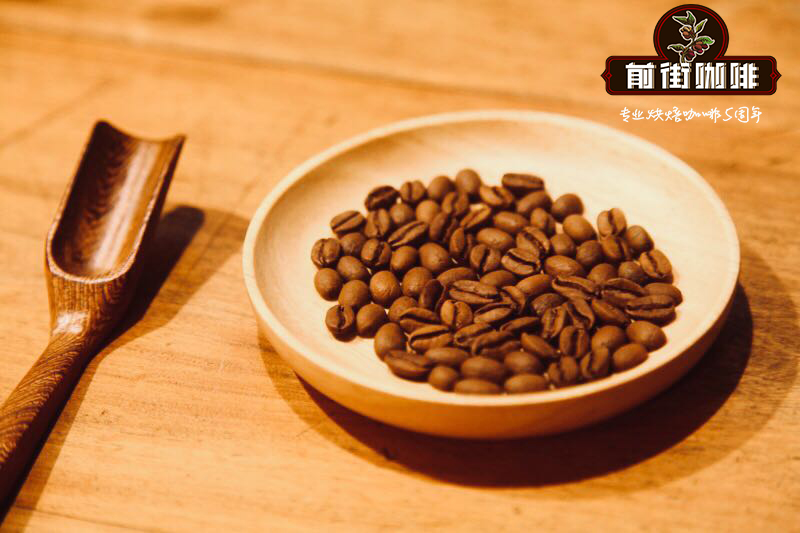
Professional coffee knowledge exchange and more coffee bean information, follow FrontStreet Coffee.
What is Coffee Bean Processing?
A "coffee bean processing method" is the procedure that turns coffee from fruit into green beans.
After harvest, coffee must go through elaborate refining to become green coffee: the perishable outer and inner skins and pulp are removed, and the seeds are extracted. Roughly five kilograms of coffee cherry yields one kilogram of green beans. Refined green coffee is also known as "Green Bean."
Today there are three common refining methods: natural processing, washed processing, and the semi-washed method that combines the two.
1. Natural Processing Method
After harvest, the coffee is dried naturally, turning the originally bright red cherries into black, dry fruit. Beans processed this way see their moisture reduced to 11-12%. The method is simple: spread the harvested cherries evenly in an open-air drying yard and sun them for days. To ensure uniform drying and avoid fermentation, the fruit must be constantly turned during drying — much like the traditional grain-drying technique used by farmers.
During natural processing, in addition to turning and stirring, a waterproof tarp must cover the fruit at night to block dew. If the cherries were picked at good maturity, they can move on to the next stage after several days of sun; less mature fruit may need a week or longer to finish drying.
Besides sun-drying, large-scale machinery has in recent years also been used for the dehydration step.
Cherries dried by sun or machine then go through hulling, where the hardened black fruit skin is removed to reveal green beans. After extraction, the green beans are sorted and graded before being shipped to market.
Natural processing's advantages are low cost, simple operation, and no need for complex equipment — which is why nearly every coffee-producing country once used it. Its biggest drawbacks are dependence on the weather, longer timelines, and a tendency to accumulate defective beans and impurities.
Today, with a few exceptions, most countries have switched to washed processing. Countries that keep natural processing include Brazil, Ethiopia, Yemen, and Bolivia — and Ethiopia's Harar Mocha and Yemen Mocha are famous naturally processed coffees.
2. Washed Processing Method
Washed processing originated in the mid-18th century and is now the mainstream method, prevalent across Central and South America.
Unlike natural processing, where pulp is removed only after drying, the washed method removes the pulp at the very beginning. The pulped beans then rest in fermentation tanks to break down residual mucilage and parchment, and finally the cleaned beans are dried. Washed beans finish with a moisture content of about 12-13%.
Washing begins by placing all the coffee in water tanks for sorting, and unripe and defective beans are culled early throughout the process — the method's greatest advantage. Washed green beans therefore show extremely high quality and better appearance than naturals, commanding higher prices.
Unfortunately, the complex procedures also make operation and management difficult. During fermentation, beans can easily pick up fermentation taints, turning overly acidic and falling in quality. Poorly managed fermentation tanks invite microbial problems that degrade the beans.
Washed processing is also extremely water-intensive: statistics show about 50 liters of clean water are needed to produce one kilogram of green beans — nearly impossible in water-scarce coffee countries. The method also demands extensive machinery, a heavy burden for farmers in some countries.
3. Semi-Washed/Semi-Natural Processing Methods
Semi-natural processing improves on the traditional natural method. First, freshly harvested coffee is floated in large water tanks to remove defects and impurities. Then machines remove the pulp and outer skin while preserving the parchment. Finally, the parchment-covered beans are sent to drying yards for natural drying.
During sun-drying the beans are still turned periodically to ensure uniform dehydration and avoid over-fermentation. Semi-natural beans rest with their parchment intact for a period before export to allow flavor development, and the parchment is milled off just before shipping.
This method began in Brazil. Some Brazilian estates have even abandoned mechanical harvesting for costlier manual picking followed by semi-natural processing, significantly raising quality. The refining method of drying coffee with its parchment intact is generally called Pulped Natural (semi-natural).
In some regions, semi-washed processing removes the inner and outer skins and pulp completely before sun-drying. This is mainly used in more humid coffee countries such as Indonesia, where drying beans in parchment would develop undesirable flavors from the high humidity.
This variant is called Semi-Washed.
Naturally processed green beans have lower moisture, while washed beans hold more — creating visible differences, too. Washed green coffee tends toward a green-blue color, while naturals look whiter. Washed beans have smoother, glossier skins, while naturals mostly retain their silver skin.
Although most green coffee today trends toward washed processing, or semi-washed methods adapted to national climates, we cannot conclude that washed beans are inherently better coffee.
Washed processing earns high marks for uniform appearance — but good looks do not guarantee good flavor. Naturally processed Mocha-series beans, for instance, vary in size, yet their unique wine aroma, rich fruit acidity, and chocolate-like aftertaste make them irresistibly delicious.
So it is best understood this way: processing methods do not alter coffee's original character, and there is no absolute link between green bean quality and processing method.
FrontStreet Coffee: A roastery in Guangzhou with a small shop but a diverse range of beans — famous estates and lesser-known origins alike — plus online ordering.
FrontStreet Coffee Recommendation
Washed processing rewards understanding because it defines the clean, bright cups most daily-drink beans aim for. Washing is the traditional water-based way of handling coffee cherry: floatation, pulping, fermentation soaking to remove the mucilage, washing or further soaking, drying, and hulling. Long soaking drives chemical changes inside the bean, consuming simple sugars (fructose and glucose) and raising organic acids — which is why washed coffee preserves the bean's own character while showing bright fruit acidity, cleanliness, and freshness.
A superb example is FrontStreet Coffee's washed Yirgacheffe Guoding cooperative lot. Because Yirgacheffe's smallholders harvest tiny volumes, cherry goes to cooperatives for processing, and the Guoding cooperative — in the Worka area at Yirgacheffe's southeastern end, once part of a coop under the YCFCU union — has earned fame for exceptionally refined, clean coffee. Washed in the most traditional way, it shows jasmine florals and bright citrus acidity to the fullest, with green tea and honey tones after a medium-light roast, suiting pour-over, cold brew, and espresso.
Kenya shows the style at its most intense. FrontStreet Coffee's Kenya lot uses double fermentation washing — an extra round of soaking, washing, and soaking again before drying and hulling — pushing juiciness to the extreme: cherry tomato, dark plum, snow pear, black plum, and yellow sugar aromas in a sweet-and-sour, juicy cup that coffee tinkerers adore.
And Jamaica Blue Mountain No. 1 explains why washing exists at all: Jamaica's island climate means shorter sunshine hours, so removing skin, pulp, and mucilage before drying cuts spoilage risk and shortens drying time, yielding translucent, low-defect beans. The cup is pure harmony — hazelnut, cream, chocolate, and caramel, balanced so no single note dominates or falls short.
Important Notice :
FrontStreet Coffee is a long-established specialty coffee roaster in Guangzhou China, selling freshly roasted beans from its own farm in Yunnan as well as dozens of carefully selected single-origin beans from around the world for both pour-over and espresso. The products deliver consistently excellent quality and great value, with shipping within 24 hours. Guangzhou's FrontStreet Coffee shop is recommended by many coffee lovers, and the beans are now available online at the Tmall 。
FrontStreet Coffee has moved to a new address:
FrontStreet Coffee Address: 315,Donghua East Road,GuangZhou
Tel:020 38364473
 Scan and follow the En Gafei WeChat official account. Please indicate that the reprint comes from "En Gafei".