Coffee Lists
-
Why Can't Coffee Made with a Moka Pot Be Called Mocha Coffee? How to Make Mocha Coffee?
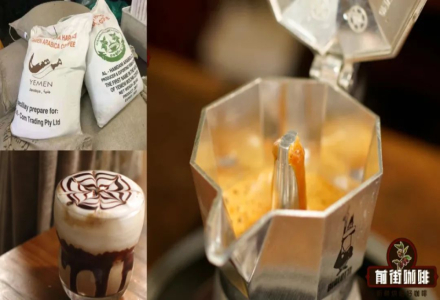
"Mocha" is a frequent presence in FrontStreet Coffee's articles. Whether in coffee history, coffee equipment, or coffee preparation, it often appears. The most commonly mentioned are these three: the Moka Pot as coffee equipment, Mocha coffee beans as coffee varieties, and today's popular espresso-based drinks
2023-12-02 Moka pot Mocha coffee coffee brewing coffee equipment Mocha coffee beans espresso -
Introduction to Honduran Coffee Regions in the Americas
Honduras is a country in northern Central America, bordered by the Pacific Ocean to the south, the Caribbean Sea to the north, Nicaragua and El Salvador to the east and south, and Guatemala to the west. The country's interior consists of mountainous terrain, which accounts for 80% of Honduras's land area. With complex topography and diverse climates, Honduras enjoys moderate temperatures and abundant rainfall
2023-12-01 Honduras coffee regions Central America coffee cultivation specialty coffee -
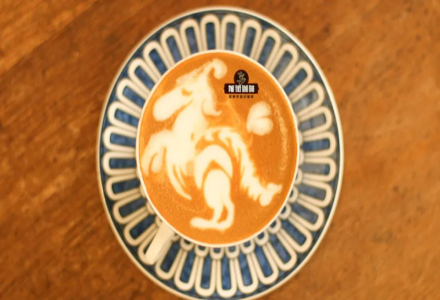
Does Authentic Cappuccino Need Latte Art? A Guide to Making Traditional Italian Cappuccino
Cappuccino, a milk coffee drink featured on countless café menus worldwide. As coffee culture and trends evolve across different regions, the definition of cappuccino continues to transform, with this classic beverage's appearance undergoing noticeable changes. How did the traditional cappuccino originate? In reality, it's now difficult to trace exactly who invented this beloved coffee drink.
2023-12-01 cappuccino italian coffee espresso milk foam latte art coffee making barista techniques -
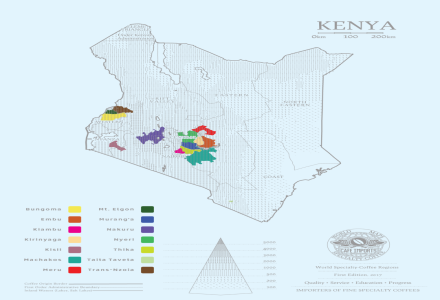
Introduction to the Kenya Coffee Growing Region in Africa
Kenya, located in eastern Africa, is traversed by the equator through its central region, classifying it as a tropical coffee-producing area. The country enjoys two harvest seasons annually, from October to December and from June to August. With an average annual rainfall of 900-1200 millimeters, the high-altitude regions of Mount Kenya provide optimal growing conditions for coffee. Kenya is renowned for its SL coffee varieties.
2023-11-30 Kenya coffee African coffee region SL variety equatorial coffee high-altitude coffee -
The Difference Between Americano and Long Black: Is It All About Who Pours the Water First?
Recently, a friend brought a companion to FrontStreet Coffee to enjoy coffee. When explaining Long Black, he mentioned a popular saying: "An Americano is made by pouring espresso first and then diluting it with water, while a Long Black is made by adding water to the cup first and then pouring espresso in. The distinction between the two lies in who pours the water first."
2023-11-30 coffee americano long black brewing methods espresso coffee drinks -
What are the Key Differences Between Single-Origin, Espresso Blend, and SOE Coffee Beans?
In today's market, coffee beans are primarily sold in three categories: single-origin, blends, and the increasingly popular SOE (Single-Origin Espresso). Newcomers to the coffee world often find it challenging to distinguish between these three categories, leading to confusion when purchasing beans. Today, FrontStreet Coffee will share insights into the differences between single-origin, blend
2023-11-29 single-origin coffee espresso blend SOE coffee bean types coffee varieties FrontStreet Coffee -
What's the Difference Between Freeze-Dried Coffee and Instant Coffee?
Before international coffee chains entered the Chinese market, instant coffee dominated the domestic scene. After international brands brought espresso-style coffee to China, traditional instant coffee began to decline while freeze-dried coffee started to rise. Both have similar preparation methods—simply mix with hot water to enjoy.
2023-11-29 freeze-dried coffee instant coffee coffee comparison coffee types coffee preparation -
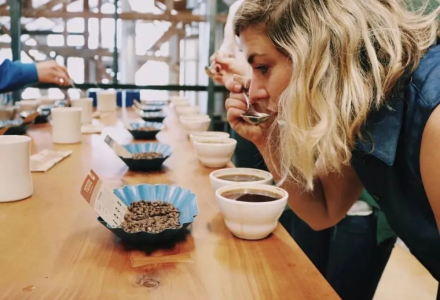
What are the Cupping Scoring Standards for Coffee? What Does the SCAA Form Include?
Coffee cupping initially served to ensure that coffee beans entering trade met quality standards. As the concept of specialty coffee emerged over time, a scoring system for beans through cupping developed. Beans scoring below 80 are classified as commercial coffee, while those scoring above 80 are classified as specialty coffee.
2023-11-28 coffee cupping SCAA scoring coffee quality assessment specialty coffee -
Why Isn't My Homemade Latte as Delicious as the One at the Café? How to Make an Authentic Italian Latte?
"Boss! Why isn't my homemade latte as delicious as the one at your café? Do you have some secret recipe you're not telling us?" This is a conversation that frequently happens when customers taste the lattes served at FrontStreet Coffee's storefronts~ To be honest, making latte coffee doesn't have too many critical points, you just need to pay attention to a tiny
2023-11-28 homemade latte café quality coffee Italian latte recipe FrontStreet Coffee barista techniques espresso preparation -
How Much Impact Does Misaligned Coffee Equipment Have on Extraction?
Sometimes, your coffee tastes improperly extracted, but your brewing method or extraction parameters haven't deviated. In such cases, you might want to check whether your equipment was level during the extraction process! How important is the levelness of coffee equipment? As quoted from Mr. Scott Rao's writings
2023-11-27 coffee extraction equipment alignment brewing technique coffee flavor -
Why Do Few People Use Non-Woven Filter Paper for Coffee Brewing?
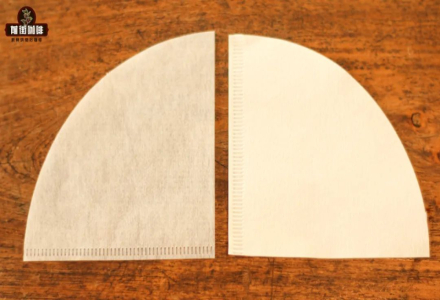
In our daily coffee brewing, the filter paper used to separate coffee grounds is typically made from virgin wood pulp. It offers excellent filtration performance, resulting in exceptionally clean-tasting coffee (free of particles). But did you know that besides virgin wood pulp, there are many different materials used for filter paper?
2023-11-26 coffee brewing filter paper non-woven filter coffee extraction paper materials -
Is Adding Ice First Better Than Adding Ice After for Iced Pour-Over Coffee?
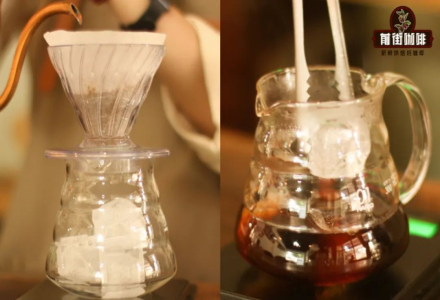
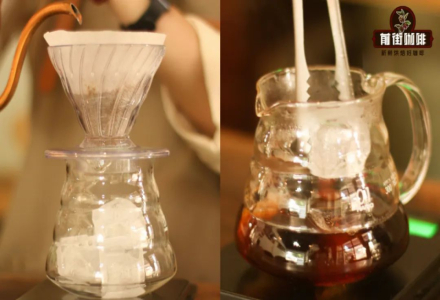
Typically, most people use the "add ice first, then brew" method for making iced pour-over coffee. A small number of people opt for the "brew first, then add ice" or "brew first, then pour over ice" approach. FrontStreet Coffee belongs to the former category. Generally, the difference between these two methods might just be operational
2023-11-26 iced pour-over coffee brewing methods ice coffee cold brew FrontStreet Coffee -
How to Bloom Pour-Over Coffee? How Much Water Should Be Used for Blooming?
Recently, FrontStreet Coffee has updated numerous experimental articles about pour-over coffee. In each brewing guide, FrontStreet Coffee always mentions "using twice the amount of water as coffee grounds during blooming." On other platforms, most tutorials also recommend this blooming water ratio! This naturally raises questions from coffee beginners: "Why must we use this specific amount?"
2023-11-26 pour-over coffee coffee blooming brewing technique coffee extraction -
Should You Add Ice Before or After Brewing Pour-Over Coffee? What Should You Pay Attention to When Making Iced Pour-Over Coffee?
Typically, most people make iced pour-over coffee by adding ice first and then brewing. Some people use the method of brewing first and then adding ice or pouring it over ice afterward. FrontStreet Coffee belongs to the former group. Generally, the difference between these two methods may only be operational
2023-11-24 iced pour-over coffee cold brew coffee brewing methods coffee techniques ice coffee preparation -
How Does the Honey Processed Geisha from Guatemala's New Oriente Region Perform?
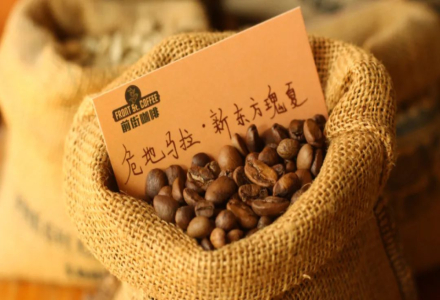
FrontStreet Coffee: Guatemala New Oriente · Geisha Coffee Beans Country: Guatemala Grade: SHB Region: New Oriente Region Altitude: 1500-2050 meters Processing: Honey Process Variety: Geisha Flavor: Sweet orange, magnolia, citrus, toffee Guatemala · New Oriente Region Guatemala as an entire country
2023-11-24 Guatemala New Oriente Geisha coffee honey processed specialty coffee -
What are the characteristics of coffee cups with different shapes, materials, and structures? How do cups affect the flavor of coffee?
My guess! You who clicked in must also be a "cup maniac," collecting all kinds of exquisite and beautiful coffee cups, but rarely having the chance to use them. It doesn't matter, today please follow in FrontStreet Coffee's footsteps to get to know your collection from multiple angles, so you'll know which one to choose next time you brew coffee.
2023-11-23 coffee cups cup materials cup shapes coffee flavor brewing equipment -
Decoding Coffee Extraction Theory: How Pouring Techniques Shape Flavor Profiles
When newcomers ask how to brew a great pot of coffee, FrontStreet Coffee always emphasizes starting with parameters first—finding the right water quality, temperature, grind size, and water-to-coffee ratio, then ensuring the total extraction time lands around 2 minutes. When these parameters are properly set, coffee will typically showcase excellent flavor characteristics.
2023-11-22 coffee extraction brewing techniques flavor development water quality temperature control grind size brew ratio -
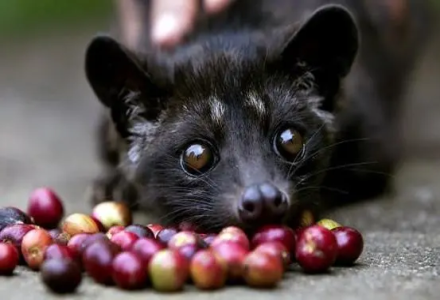
"Kopi Luwak," Is It Really Cat Droppings?
Many people have heard of "Kopi Luwak," this seemingly intense-tasting coffee that commands prices comparable to Red Label! This naturally sparks great curiosity about its unique flavor experience. Today, we'll briefly explore the coffee known as the "gold of the coffee world"—"Kopi Luwak"
2023-11-21 Kopi Luwak civet coffee cat coffee luxury coffee exotic coffee -
Why Do Hot and Cold Americano Taste So Different?
"Tomato and scrambled eggs - do you prefer it salty or sweet and sour?" "What does that have to do with coffee?" "Let me rephrase that - Americano coffee, do you prefer it hot or cold?" What was once a harmonious coffee gathering among friends instantly split into opposing factions. This naturally
2023-11-20 Americano hot coffee cold coffee coffee taste coffee brewing temperature effect on coffee -
Why Is "Arabica" Called "Arabica"?
In "The Fourth Wave: Specialty Coffee Studies" by teacher Han Huaizong, there's a sentence that FrontStreet Coffee particularly appreciates: "The birth of Arabica is a miracle of creation, and the naming of Arabica is a beautiful misunderstanding!" This statement exists because the scientific name of the small bean coffee—Arabica—originated from
2023-11-20 coffee arabica etymology coffee history