What's the Difference Between Freeze-Dried Coffee and Instant Coffee?
The Evolution of Coffee: From Instant to Freeze-Dried
Before international coffee chains arrived, the coffee market was dominated almost entirely by instant coffee. Only when the foreign chains brought espresso-style coffee along did instant begin to decline and freeze-dried coffee start to rise.
Both products work the same way — just mix with hot water and drink — so both are forms of "convenience coffee." Which naturally raises the question: are they really the same product under different names?

Both were born from the idea of convenience and both belong to the convenient-coffee category, but there are real differences between them. Let's start with instant coffee.
The Birth of Instant Coffee
In the 18th century, during the American Revolutionary War, soldiers developed an almost fanatical attachment to coffee — to the point they couldn't function without it. One of the most common sights on a military march was soldiers seizing every chance to brew a pot and drink heartily.

But the army distributed unground beans, so soldiers had to grind every time they wanted coffee and then brew the grounds — extremely time-consuming. Word of this seemingly crazy behavior reached the American Congress, which launched a research project called "Simple Portable Coffee" to stop soldiers from burning so much time and energy on coffee. With generous congressional funding, by the end of 1861 a product called "Coffee Essence" was born. According to its inventor, this "Coffee Essence" was a concentrated mixture of coffee, milk, and sugar: one small spoonful stirred into water became a delicious pot of coffee, its weight and volume compressed so far that it was extremely portable.
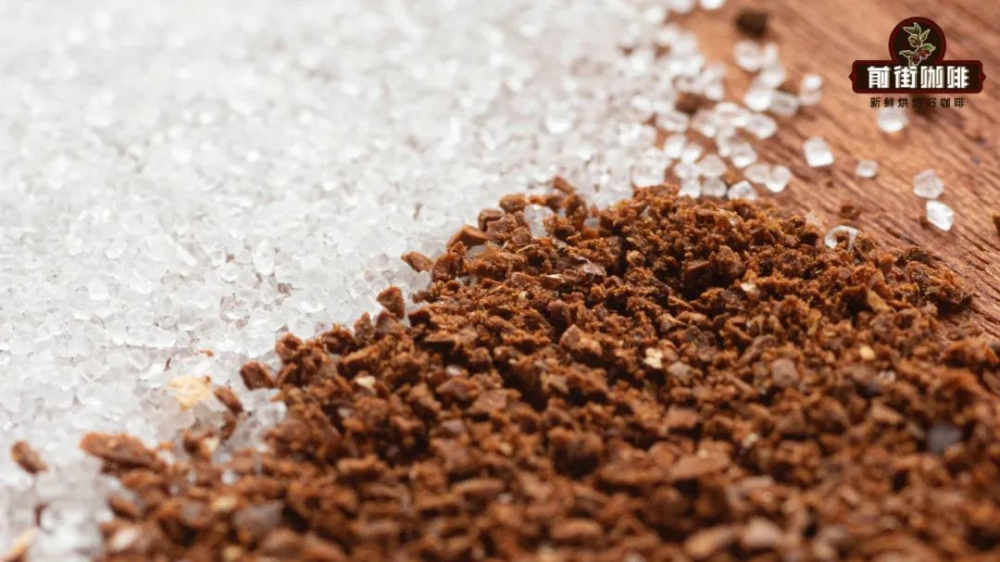
Despite the pitch, American soldiers wanted none of it. The essence tasted terrible, wasn't stimulating, and — possibly because it was made with spoiled milk — sent many soldiers running straight to the latrine. That string of failures quickly got it discontinued. But while the product died, every businessman smelled the opportunity, and they rushed into portable coffee. In 1890, David Strang, a coffee and spice seller on New Zealand's South Island, produced a soluble coffee powder by spraying hot steam onto coffee liquid and named it "Strang Coffee." That's right — this soluble powder was the world's first true "instant coffee."
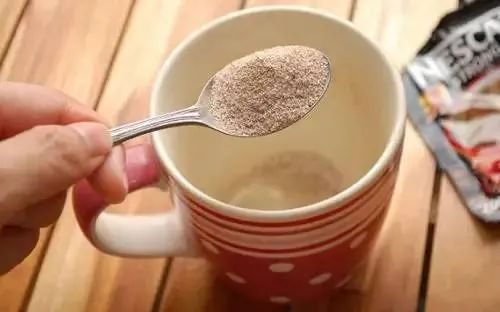
In 1899, Japanese chemist Kato Satoru produced instant coffee by extracting a coffee solution and drying it into powder under vacuum, receiving a patent for the technique in 1903 — though he never recognized its commercial potential. So it was that in 1906, George C.L. Washington obtained a US production patent for instant coffee, created the commercial product "Red E Coffee," and promoted it heavily. Ultimately, though, "Red E Coffee" never spread worldwide because it tasted bad. The turning point came in 1929, when Brazil found itself with huge quantities of coffee beans stranded by economic crisis. To solve the problem, the Brazilian Coffee Institute approached Switzerland's Nestlé to develop a better-tasting instant coffee.

Nestlé spent eight years, and in 1937 perfected the spray-drying method: extract the soluble substances from coffee beans, then use hot air to evaporate the water, drying the liquid to powder, with soluble carbohydrates added during drying to round out the flavor. And so, ever-more-convenient instant coffee was born.
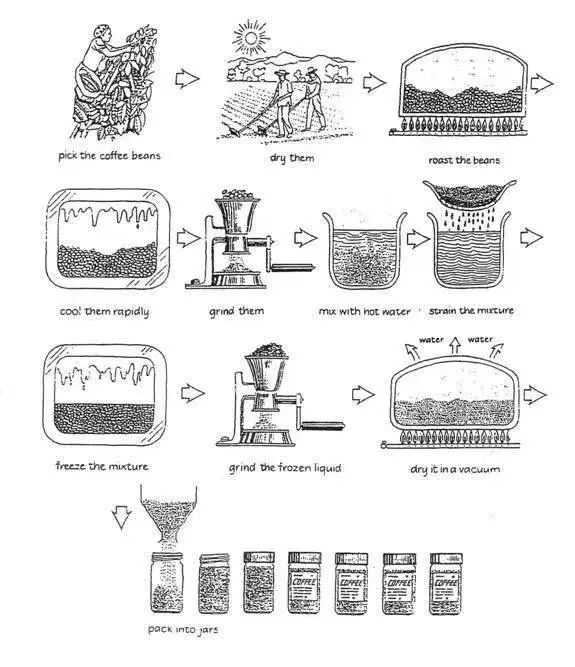
Its flaws were obvious, though: continuous high-temperature drying evaporated nearly all the coffee's aromatics, leaving only bitterness. Producers therefore typically used lower-grade Robusta beans, then masked the bitterness with large amounts of non-dairy creamer and sugar. That is how "instant" became synonymous with low-end coffee — early instant coffee simply wasn't healthy. Even as instant coffee was being promoted, research continued. People realized that vacuum freeze-drying technology — invented in 1935 by Staurt Mudd and Dr. Earl W. Flosdorf — could be applied to food production. Hills Brothers then used freeze-drying to make freeze-dried coffee, securing 47 US and foreign patents between 1966 and 1971.
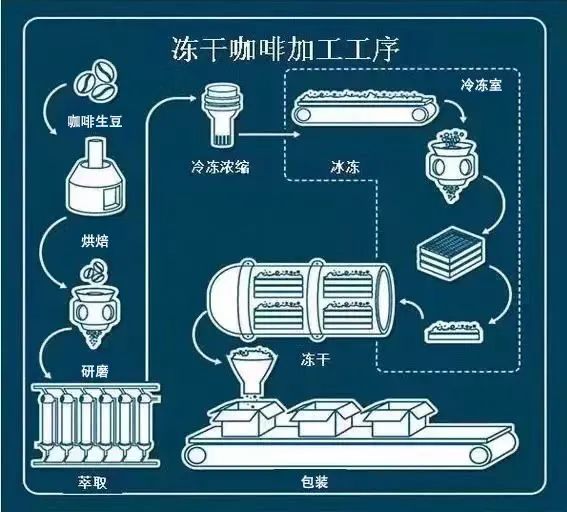
Freeze-dried coffee's production starts much like instant coffee's — both begin by extracting the soluble substances from beans. But the extracted liquid destined for freeze-drying isn't thin like a normal brew; it's very thick, closer to chocolate syrup. Right after extraction, the liquid is moved into an environment of -5°C to condense into a paste, then transferred to a freezing chamber below -40°C to freeze solid. The frozen blocks are then broken into 2-3mm pieces.
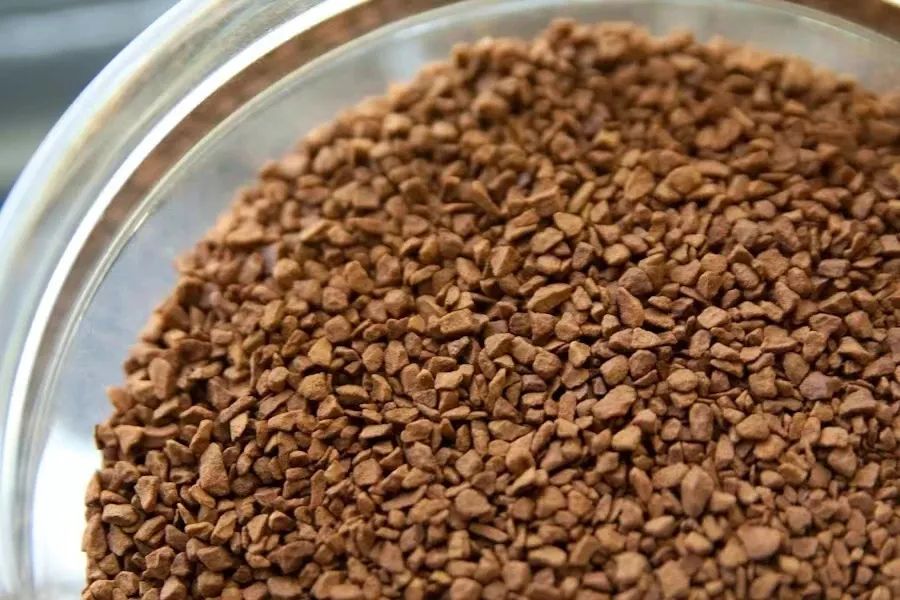
Finally, the pieces go into a vacuum drying chamber for heating. Under vacuum, water sublimates rather than melting — and the dried particles that remain are the freeze-dried coffee we know today. Because the extract was chilled immediately after extraction, freeze-dried coffee retains far more coffee flavor, which makes it viable to use better arabica beans in place of robusta. Naturally, all this came with higher costs, from both the complex process and the pricier materials.
Conclusion
And there is our answer. The reason conventional instant coffee sits at the bottom of coffee lovers' "contempt chain" is that its processing and materials yield poor taste — and long-standing stereotypes make it hard to associate the word "instant" with good flavor. So when instant coffee reappeared in a completely new form (freeze-dried) with new meaning (better ingredients), it finally regained the power to be coveted.

FrontStreet Coffee Recommendation
If freeze-dried coffee is the convenient entry point, whole-bean brewing is the next step — and these entry-level specialty beans are easy, affordable places to start.
Ethiopia — FrontStreet Coffee Natural Huajuan / Washed Worka Cooperative: Ethiopia is Africa's largest coffee producer and the world's recognized birthplace of coffee, with countless varieties named for their regions or cooperatives — Yirgacheffe and Sidamo being the most famous. Washed Yirgacheffes like the Worka Cooperative show jasmine florals, lemon acidity, and berry tones; the naturally processed Huajuan from Sidamo emphasizes tropical fruit and fermentation aromatics — berry, florals, jackfruit, melon, and honey.
Brazil — FrontStreet Coffee Cerrado Red Bourbon / Fazenda Rainha: Brazil is the world's No. 1 coffee producer, and even amid mostly commercial-grade lots there is high-quality coffee to be found. Sun-exposed planting lets cherries ripen fast, so the beans are soft, acidity is gentle, and sweetness is excellent — fine, smooth, and balanced. The Cerrado everyday lot is tasty and inexpensive, with typical cream, peanut, and cocoa notes; the higher-grown Fazenda Rainha is a rare Yellow Bourbon with layered nut aromas (butter, melon seeds, macadamia, almond) and a sugarcane sweetness, silky whether black or with milk.
Indonesia — FrontStreet Coffee Lintong Mandheling / PWN Golden Mandheling: Mandheling uses the wet-hulled process, invented for Indonesia's rainy climate: with no funds for full washed processing, workers hull the parchment off the half-dry beans to speed drying, creating the world's most distinctive Mandheling flavor — richer and smoother than Blue Mountain, with herbal and spice notes, perfect for those who dislike acidity. For a higher grade, the PWN Golden Mandheling is machine- and hand-sorted three times plus once mechanically, minimizing defects for a cleaner, smoother cup with clearer woody and caramel notes.
Colombia — FrontStreet Coffee Huila / Sidra / Big Navel: Colombia's mild, humid climate and varied microclimates mean something is always in harvest, and much of its coffee is genuinely specialty-grade. The everyday Huila lot comes from the country's most famous fine-coffee region — hills above 1,500 meters watered by the confluence of Colombia's major rivers — showing soft florals and gentle fruit acidity. The Sidra and Big Navel lots are excellent next steps.
Costa Rica — FrontStreet Coffee Mozart / Blackberry / Tarrazu: High elevations, big day-night temperature swings, and rich volcanic soil make Costa Rica a land of strictly hard beans (SHB) with elegant aromatics. Its honey-processed coffees — mucilage left on the bean while drying — are intensely sweet with clear, distinct flavors. Try the black-honey Blackberry or the raisin-honey Mozart: dried fig and blueberry sweetness with osmanthus and rose fragrance, lovely as pour-over, cold brew, Americano, or latte.
China Yunnan — FrontStreet Coffee Yunnan Arabica / 2013 Yunnan Typica: Yunnan's coffees are winning fans with their nut, brown sugar, and black tea notes. The washed Yunnan arabica from Baoshan offers classic nut and chocolate flavors in a soft, balanced cup; the 2013 Yunnan Typica, an ancient arabica variety grown at 1,300 meters, is even cleaner — medium-roasted, it shows hazelnut, dried apricot, black tea, caramel, and ripe plum.
Panama — FrontStreet Coffee Boquete Washed Gesha: Panama is famous above all for Gesha, led by the Esmeralda estate — citrus, berry, and florals with a balanced, smooth taste, like a flower-and-fruit tea without any bitterness. For beginners, Esmeralda may be a stretch, so the baristas recommend the entry-level Boquete Gesha: from Panama's most representative fine-coffee region, pure in variety and washed, it clearly expresses the orange-blossom honeyed charm of Gesha at excellent value — try it across different brew methods.
Important Notice :
FrontStreet Coffee is a long-established specialty coffee roaster in Guangzhou China, selling freshly roasted beans from its own farm in Yunnan as well as dozens of carefully selected single-origin beans from around the world for both pour-over and espresso. The products deliver consistently excellent quality and great value, with shipping within 24 hours. Guangzhou's FrontStreet Coffee shop is recommended by many coffee lovers, and the beans are now available online at the Tmall 。
FrontStreet Coffee has moved to a new address:
FrontStreet Coffee Address: 315,Donghua East Road,GuangZhou
Tel:020 38364473
 Scan and follow the En Gafei WeChat official account. Please indicate that the reprint comes from "En Gafei".