
What are the Key Differences Between Single-Origin, Espresso Blend, and SOE Coffee Beans?
Understanding Coffee Bean Categories: Single Origin, Blends, and SOE
Today's coffee market offers three main categories of beans: single origin, blends, and the ever more popular SOE (Single Origin Espresso). Newcomers often struggle to tell them apart — and get lost the moment they try to buy. Today, FrontStreet Coffee breaks down the differences between the three, and what each is used for.
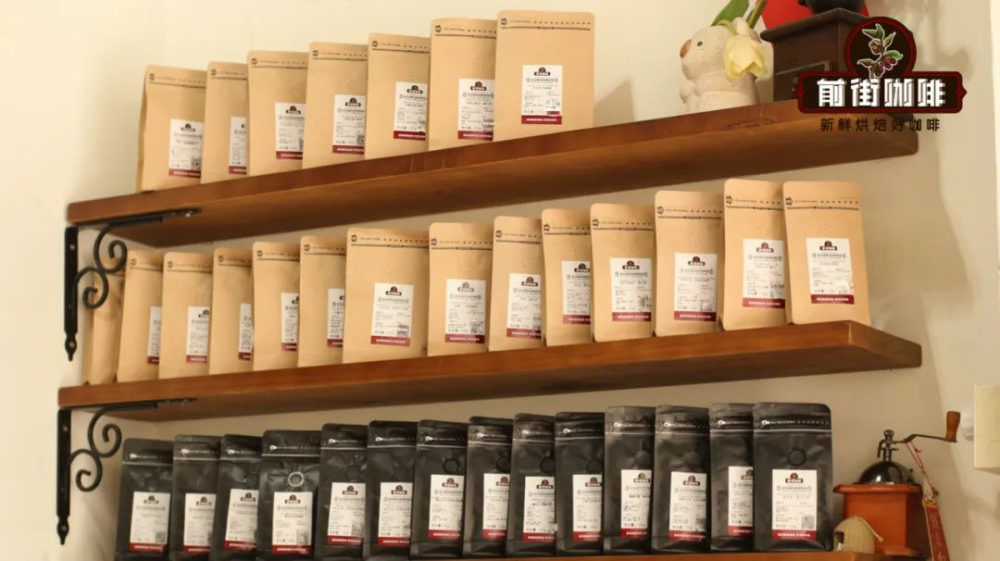
Single Origin Coffee Beans
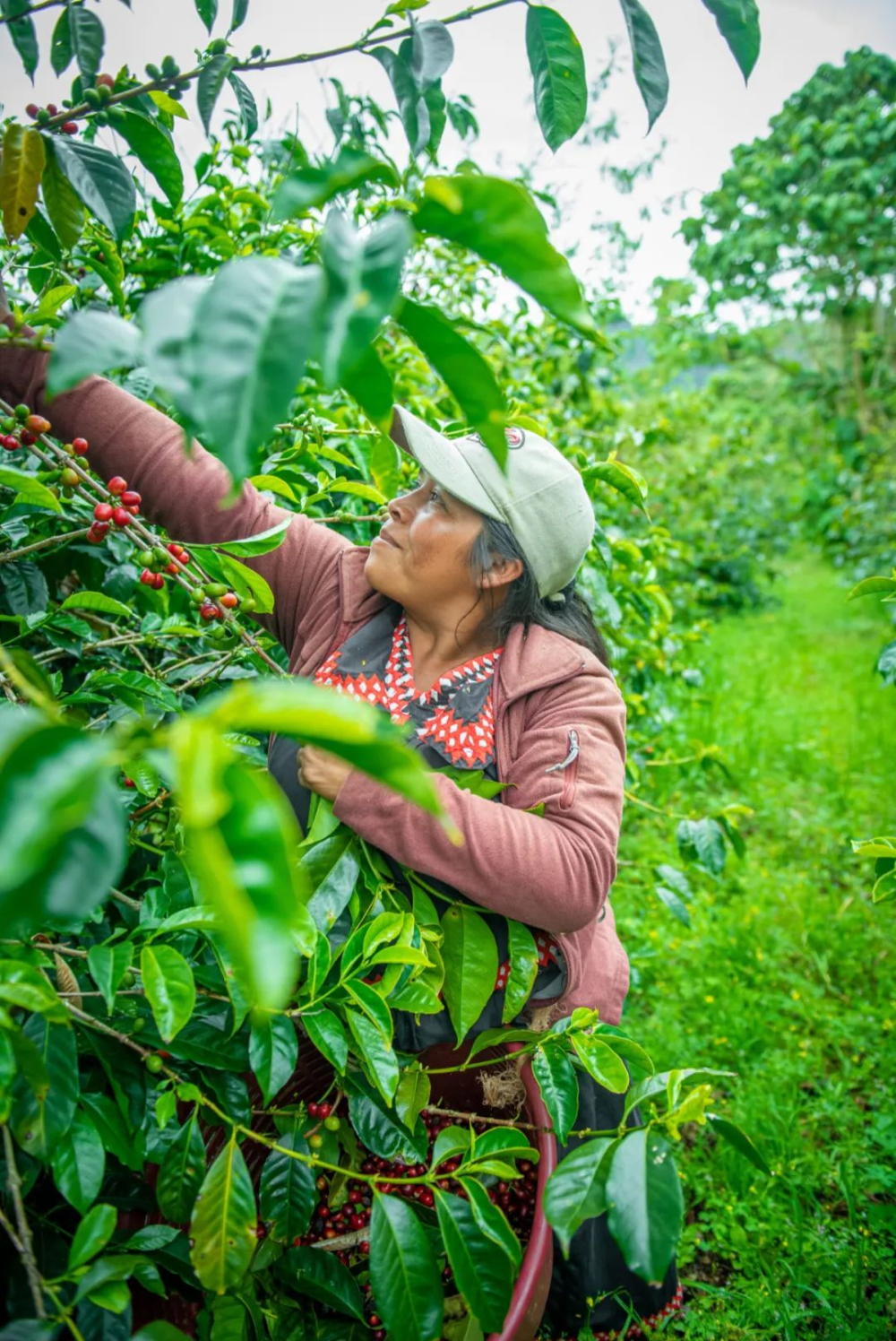
Many people assume "single origin" means a single coffee variety. Not quite — that reading is far too narrow. Single origin beans come from a single place of origin, variety, or batch — but not necessarily a single variety! Plenty of farms grow different varieties in mixed plots and sell the harvest together, so "single variety" simply doesn't cover it.
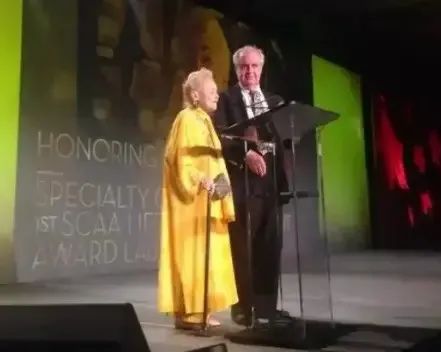
Single origin is the cornerstone of the specialty coffee movement. After Erna Knutsen coined the term "specialty coffee" in 1978, growers shifted their philosophy from quantity-at-the-expense-of-quality toward quality-driven, region-defining beans.
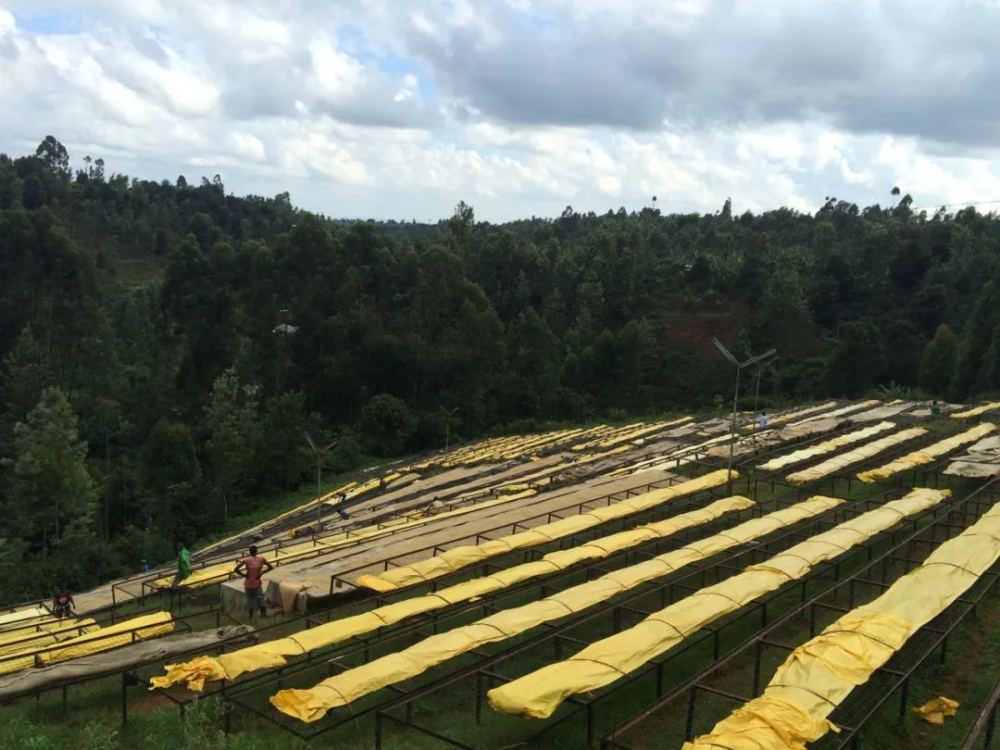
These beans can be traced back to their full provenance: variety, growing region, processing method, altitude, and more — letting us appreciate and understand what makes each region's flavor unique. Yirgacheffe and Blue Mountain are the classic examples of coffees that express their origins. Just as importantly, the specialty coffee concept has raised growers' incomes, letting them reinvest in quality. Single origin beans are generally brewed in ways that best showcase their inherent character — pour-over, siphon, and the Clever dripper, all black-coffee territory. They also appear in espresso, which brings us to SOE.
SOE (Single Origin Espresso)
SOE stands for "Single Origin Espresso": Single Origin means one growing region, and Espresso is the familiar concentrated brew. Put together, it's espresso made from beans of a single origin.
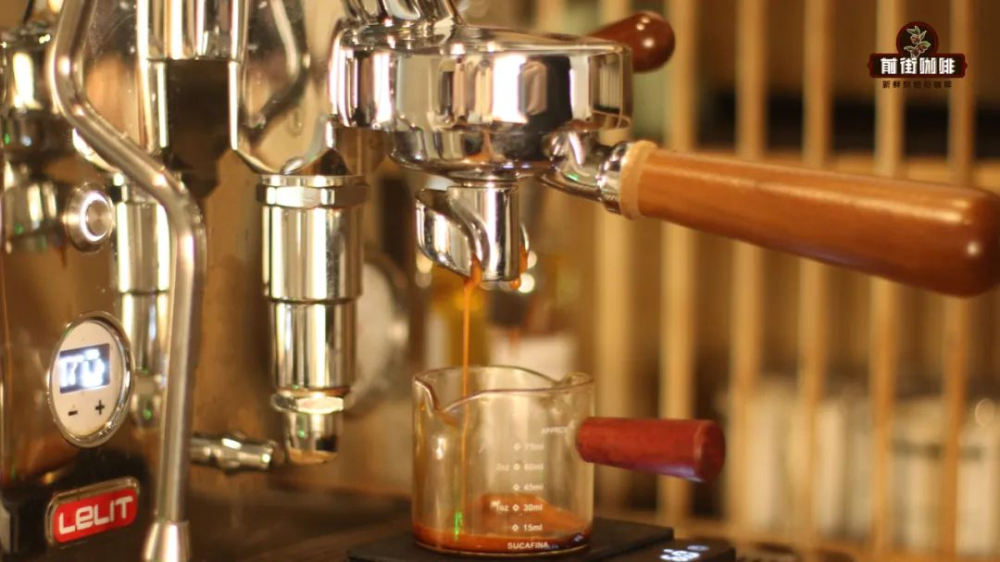
At heart these are still single origin beans — but their purpose isn't filtration brewing like pour-over; it's espresso. The reason for distinguishing them from regular single origin beans is that some coffees need a darker roast to work under espresso conditions.
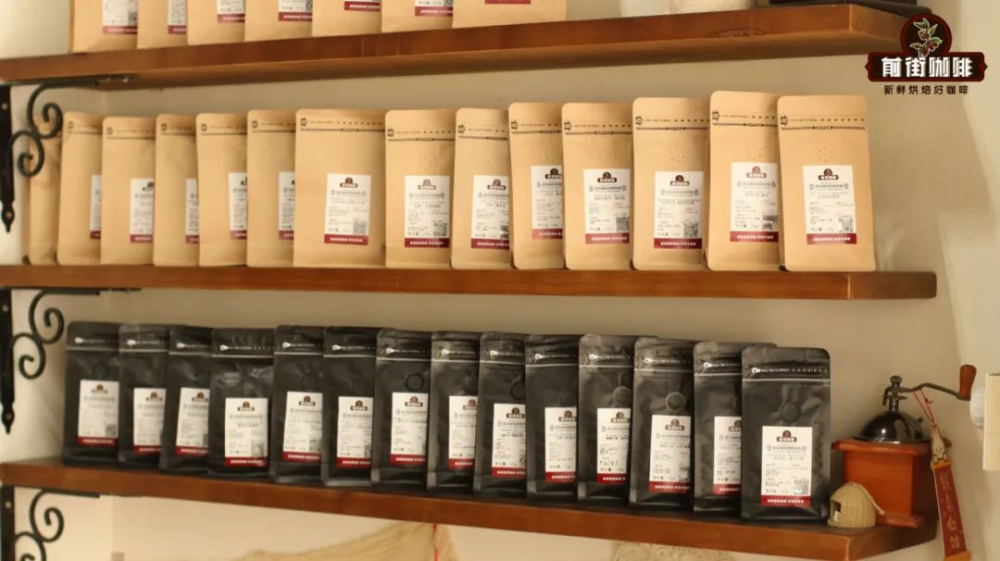
A roast level can't always serve both worlds. Brew a very light-roasted bean through an espresso machine and the shot will taste far more acidic than the same coffee as pour-over — and when that acidity gets too intense and concentrated, it becomes unpleasant. The fix is to reduce the acidity, and the best way is to roast darker. That's the whole point of SOE: beans that still highlight their regional character while standing up to espresso extraction. That's SOE.
Blended Coffee Beans
Blends are the simplest concept of the three: two or more single origin beans combined — which is why many people just call them "blend coffee." The idea behind blending boils down to one question: what do you want, and what do you need?
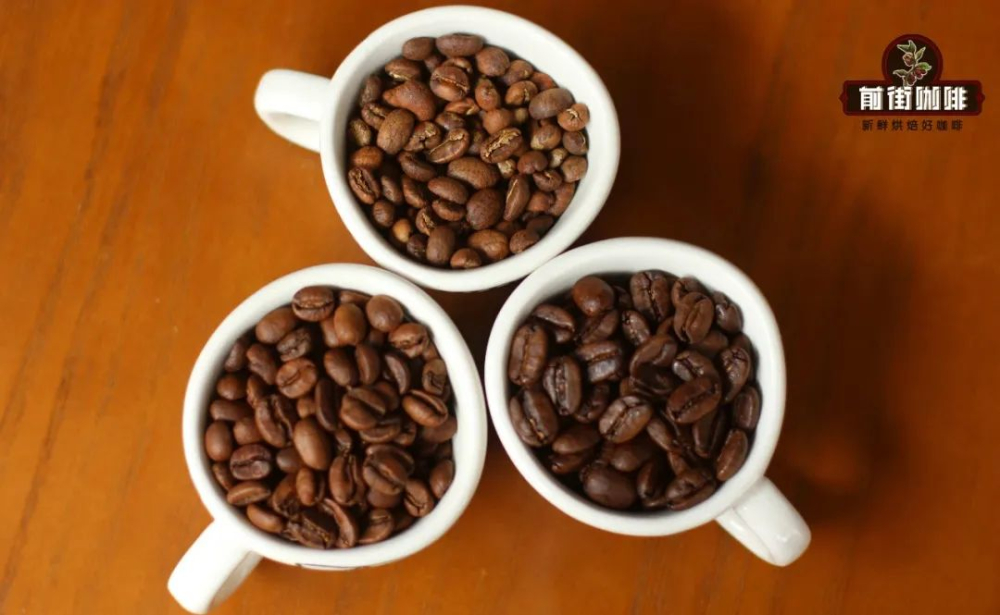
There are many ways to blend. The most familiar combines the strengths of different beans so they cover each other's weaknesses, producing something balanced. But blending can also merge distinct flavor characteristics to create something entirely new! Blend Dorothy, famous for its peach notes, with Guodingding, known for its green-tea character, and what do you get? A brand-new bean that tastes like white peach oolong tea!

Blue Mountain, the so-called "Emperor of Coffee," is famously expensive. So how do you enjoy its character without breaking the bank? Blending, of course. You can combine several non-Blue Mountain beans to recreate its texture and taste (the legendary Blue Mountain-style coffee), or fold a small amount of genuine Blue Mountain into a blend to make a "Blue Mountain Blend." Blending, at its core, is a creative act — your ideas and your familiarity with beans determine what you can create. Blends are used almost exclusively for espresso rather than single origin brewing, which is why people usually call them "espresso blends."
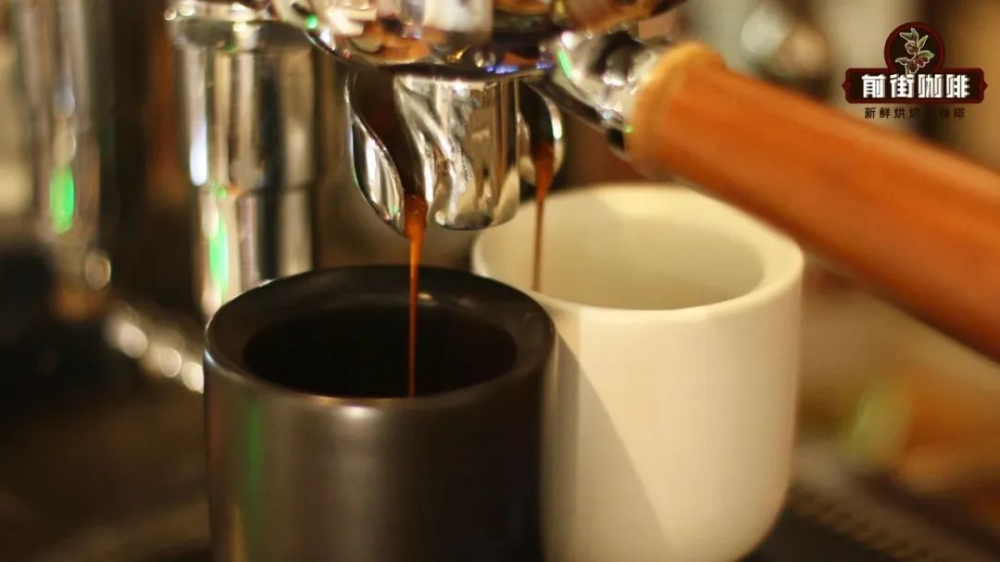
One misconception worth clearing up: SOE and single origin are not automatically superior to blends. Plenty of sophisticated blends are built from high-quality single origin components. FrontStreet Coffee's Warm Sun Blend, for instance, uses 70% Honduras Sherry beans with 30% Ethiopia Red Cherry, producing flavors of butter cookies, whiskey aromatics, and a gentle berry acidity. The Dorothy blend is made the same way. Calculate their per-cup cost, and they can easily exceed that of some single origins — so never generalize!
- END -
FrontStreet Coffee Recommendation
Want to taste what "single origin" really means? Start with Ethiopia. The FrontStreet Coffee Washed Yirgacheffe is the classic gateway bean — known for its white jasmine aroma, bright citrus and lemon acidity, and a delicate tea-like finish, all at an approachable price. The FrontStreet Coffee Guodingding Cooperative, from the Worka area at the southeastern edge of Yirgacheffe, takes that character a step further: traditional washed processing yields a clean, vivid cup of citrus and lemon acidity wrapped in jasmine, with none of the traditional bitterness.
Prefer your coffee fruitier? The FrontStreet Coffee Natural Red Cherry uses fully ripe cherries sun-dried whole for three to five weeks, turning every 2-3 hours at first to prevent over-fermentation — the result pairs classic Yirgacheffe florals with natural-process tropical fruit: citrus acidity, berry-juice vibrance, honey sweetness, and cream-smooth texture. And if blends are what you're after, the FrontStreet Coffee Signature Blend pairs Brazil Cerrado with Colombia Huila for notes of nuts, dark chocolate, and caramel — or try the Warm Sun Blend mentioned above, where Honduras Sherry meets Ethiopia Red Cherry in butter cookies and whiskey aromatics.
Important Notice :
FrontStreet Coffee is a long-established specialty coffee roaster in Guangzhou China, selling freshly roasted beans from its own farm in Yunnan as well as dozens of carefully selected single-origin beans from around the world for both pour-over and espresso. The products deliver consistently excellent quality and great value, with shipping within 24 hours. Guangzhou's FrontStreet Coffee shop is recommended by many coffee lovers, and the beans are now available online at the Tmall 。
FrontStreet Coffee has moved to a new address:
FrontStreet Coffee Address: 315,Donghua East Road,GuangZhou
Tel:020 38364473
 Scan and follow the En Gafei WeChat official account. Please indicate that the reprint comes from "En Gafei".

