
Why Is "Arabica" Called "Arabica"?
In Han Huaizong's book The Fourth Wave: Specialty Coffee Studies, there is a line that FrontStreet Coffee is especially fond of: "The birth of Arabica is a miracle of creation, and the naming of Arabica is an even more beautiful misunderstanding."
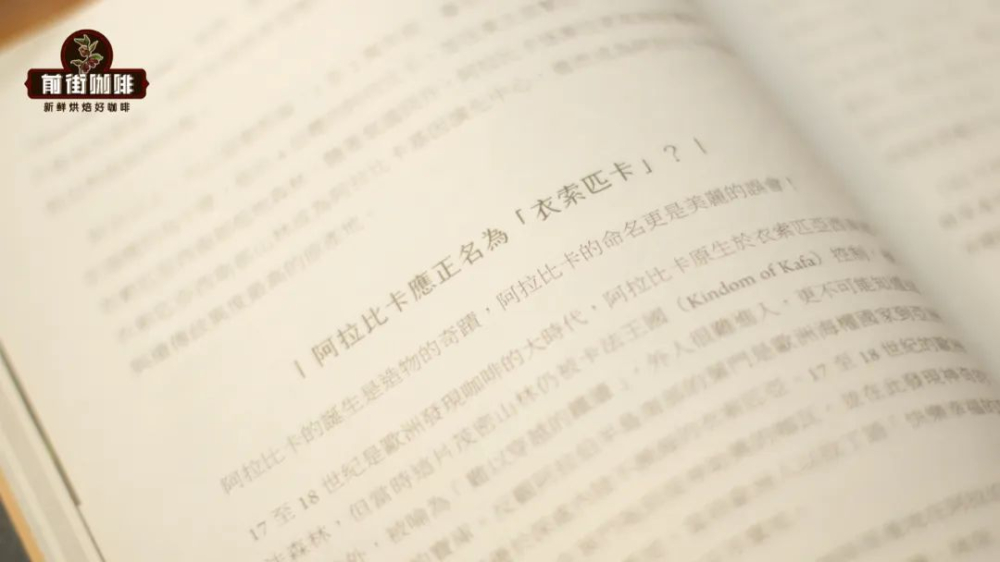
The reason for that remark is that the scientific name of small-seeded coffee, "Arabica," came about through a misconception, and the name has stuck ever since.
How the Misnaming Happened
How did Arabica end up with the wrong name? As most of us know, Arabica originates from Ethiopia in Africa, but in the early days of coffee discovery people did not believe this. The earliest records of coffee date back to the 9th century, an extraordinarily long time ago, when people documented only the coffee plant itself and showed no interest in the cherries or the green beans. It was not until around 1400 that they began treating the fruit as raw material for a beverage and gradually came to appreciate those cherry-like red fruits.
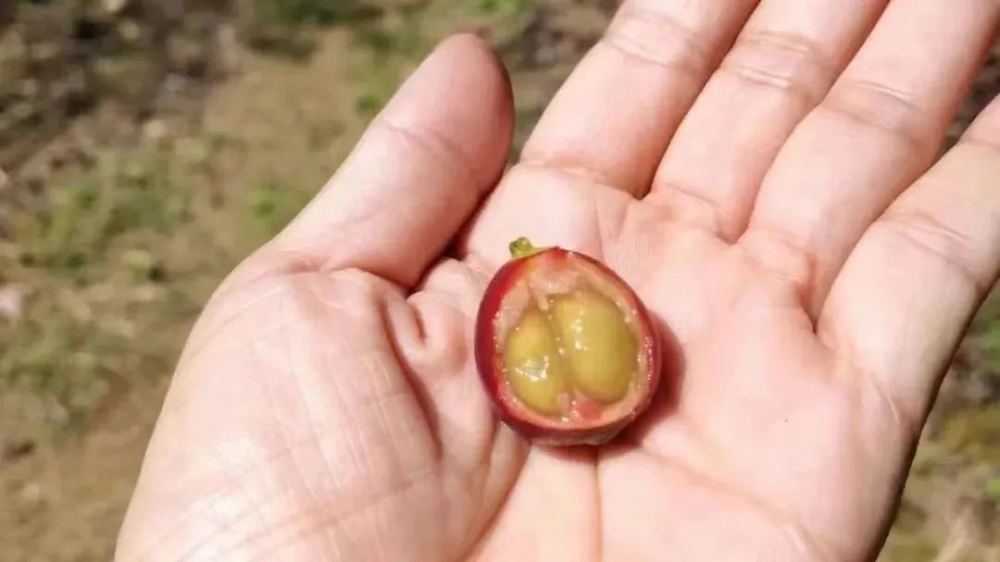
By the 17th and 18th centuries, coffee had spread across Europe and become a daily "spiritual beverage" for people in country after country. At the time, though, no one knew that coffee grew in the forests of Ethiopia; instead, the common belief was that all coffee came from Arabia.
Why the Misunderstanding Took Hold
Two things explain the confusion. The first came from Ethiopia itself. The primary site where Arabica was discovered lies in the Kaffa forest of Ethiopia, but for a long time that forest was known as an "impenetrable treasure trove," because it was controlled by the Kingdom of Kaffa, which kept itself closed and exclusionary and made access difficult for outsiders. Since foreigners could barely get in, it is no wonder they never realized it was a golden trove rich in coffee.
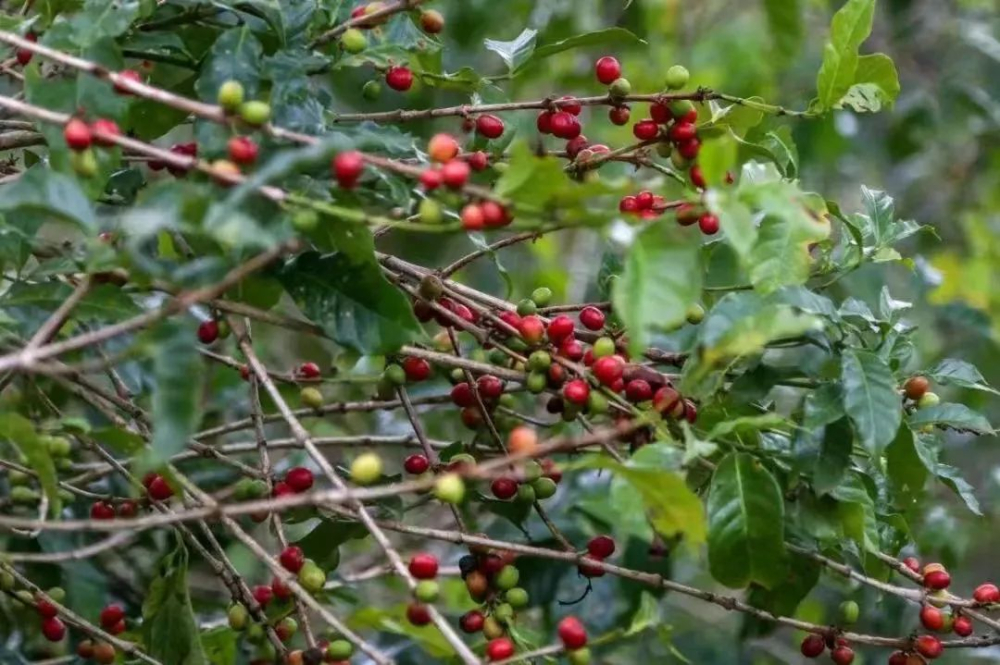
The second reason relates to Arabia, which in this context meant present-day Yemen. At the time, almost every coffee bean in the world had to be traded through the port of Mocha, and the burlap sacks of beans passing through that port were stamped "Mocha" to prove they were legitimate beans exported from there. When Europeans saw the word "Mocha," they concluded that these coffees were produced by Arabia.

As European merchants, travelers, and botanists visited Yemen during that era, tasted Yemeni coffee, and saw Yemeni coffee trees with their own eyes, their conviction only hardened: "Yes, coffee beans are produced in Yemen." So it was that in his 1753 publication Species Plantarum, the renowned Swedish botanist Carl Linnaeus systematically classified and named the plants of the world. These "Yemeni coffee beans," still unclassified and unnamed, received their scientific name through binomial nomenclature: Coffea arabica L. Plant scientific names are typically based on a plant's nature, characteristics, or growing region. The first word is the genus name, the second is the species name, and the final letter stands for the person who named it. Translated, the name means: the Arabian species of the coffee genus, named by Linnaeus.
Conclusion
Had Linnaeus known at the time that coffee originated from Ethiopia, the "arabica" in the scientific name would have become "ethiopica," and the Arabica species would today be the Ethiopian species. To close, another line from Specialty Coffee Studies: "Although Arabica has been widely accepted and the error has persisted for centuries, coffee lovers who pursue the truth can still trace the twists and turns of this story."
- END -

FrontStreet Coffee Recommendation
Ethiopia is the birthplace of Arabica, and it is still the best place to taste what a heirloom variety can do. For an easy, classic introduction, choose FrontStreet Washed Yirgacheffe: jasmine florals and bright citrus acidity, a light, elegant body, and a tea-like quality that drinks like a clean glass of lemon tea. Yirgacheffe is a small town in southern Ethiopia, where cool, misty, humid conditions year-round have nurtured thousands of coffee trees and given the region its signature interweaving of florals and fruit acidity.
For something more precise and traceable, FrontStreet Gotiti Cooperative is worth seeking out. Ethiopia's coffee is largely grown in garden plots, with each smallholder delivering cherries to a village-level processing station that sells under a cooperative name. Gotiti, in the Woka district at the southeastern edge of Yirgacheffe, was once part of the Woka cooperative under the Yirgacheffe Coffee Farmers Cooperative Union. As the specialty market's demand for traceability grew, Gotiti separated in 2012 with about 300 member farmers. Because the fruit is pulped before drying, the coffee's inherent aromatics come through with unusual clarity: citrus and lemon with elegant white florals, bright and refined throughout.
If you prefer a fruitier, sweeter profile, FrontStreet Sun-dried Red Cherry is processed naturally, with only fully ripe, sound cherries selected and dried on raised beds for two to three weeks, turned every two to three hours in the first days, until moisture falls to about 12%. It keeps the classic Yirgacheffe character while adding tropical fruit from the natural process: citrus acidity, a juicy berry quality, honeyed sweetness, and a creamy smoothness, with peach, cocoa, honey, and lemon in the flavor. For a bolder, more fermented style, FrontStreet Sun-dried Huakui from Hambella in Guji brings strawberries, passion fruit, jackfruit, and lychee with very low bitterness.
Important Notice :
FrontStreet Coffee is a long-established specialty coffee roaster in Guangzhou China, selling freshly roasted beans from its own farm in Yunnan as well as dozens of carefully selected single-origin beans from around the world for both pour-over and espresso. The products deliver consistently excellent quality and great value, with shipping within 24 hours. Guangzhou's FrontStreet Coffee shop is recommended by many coffee lovers, and the beans are now available online at the Tmall 。
FrontStreet Coffee has moved to a new address:
FrontStreet Coffee Address: 315,Donghua East Road,GuangZhou
Tel:020 38364473
 Scan and follow the En Gafei WeChat official account. Please indicate that the reprint comes from "En Gafei".

