
Iced Drip vs Cold Brew: Which Tastes Better?
Ice drip coffee was supposed to be a summer-only affair, yet even on a cold day FrontStreet Coffee's ice drip sells out fast.
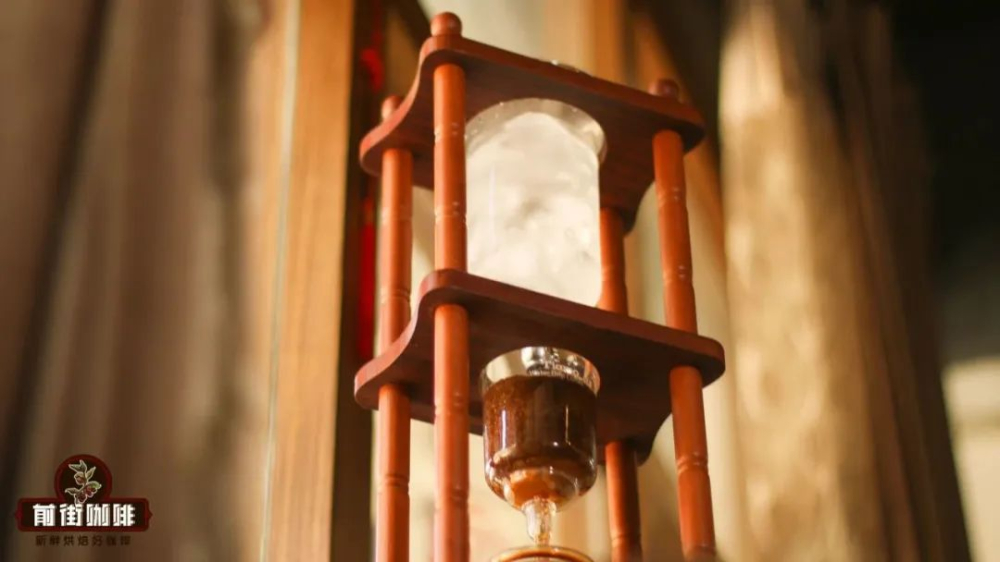
And when the ice drip is gone, customers ask whether there's cold brew. Cold brew is the other black coffee made by low-temperature extraction, but the two aren't identical. Here's how they differ.
Same Principle, Different Method
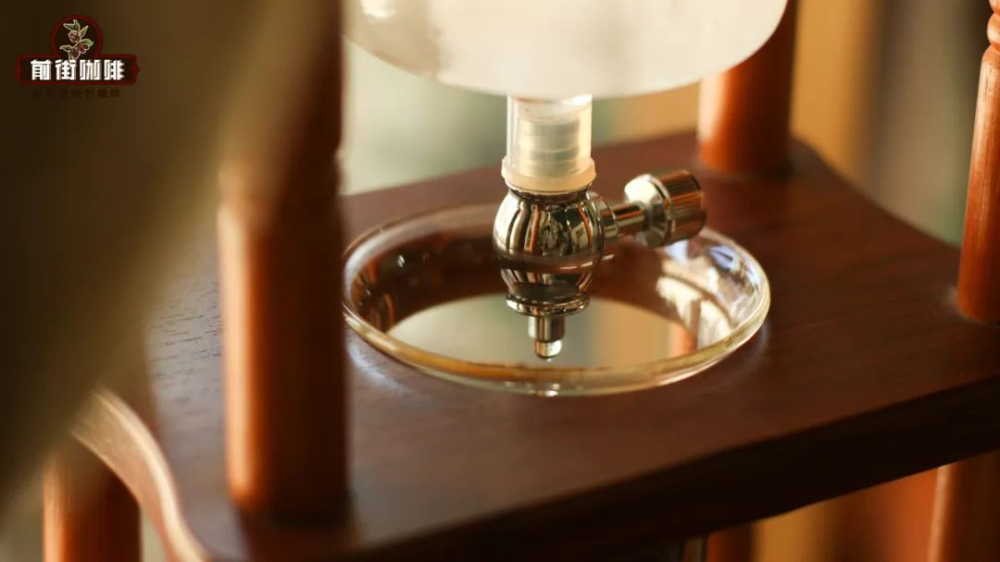
"Ice drip coffee" is made by letting ice water drip through coffee grounds over a long period at room temperature; "cold brew coffee" steeps grounds directly in cool water, then rests in the refrigerator. Both extract with low temperatures - one by dripping, the other by steeping.
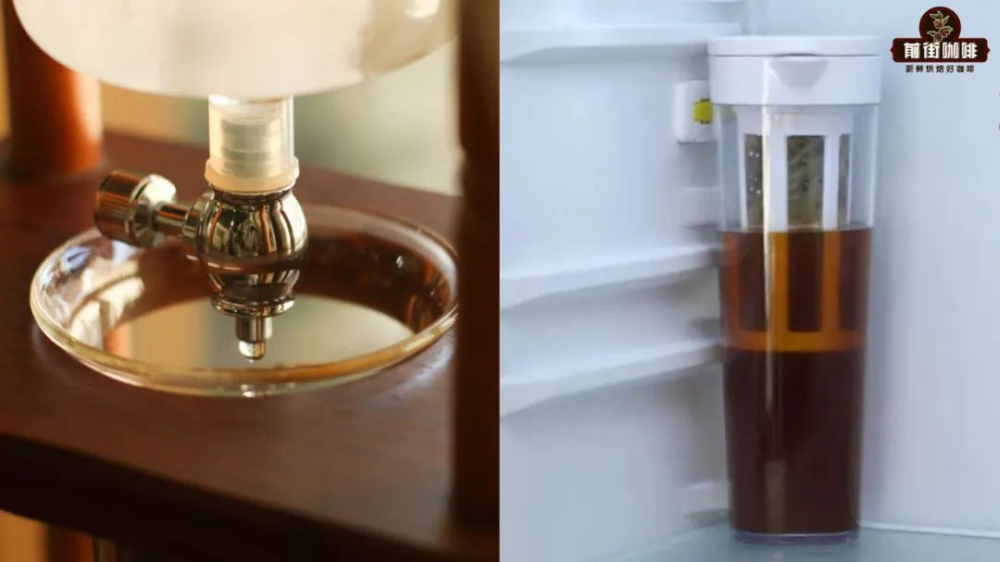
Neither inventor can be traced, but foreign coffee researchers credit the method to the Dutch during their maritime trade era.
In the 17th century, a cargo ship loaded with coffee left Batavia, Indonesia - then a Dutch colony - for trading ports around the world. Hot water wasn't always available at sea, so the resourceful Dutch crew began steeping grounds in cold water for long stretches to brew a concentrated coffee.

The improvisation worked better than anyone expected: the coffee came out rich and full-bodied, without the bitterness of hot brewing, and the sailors were hooked.
The technique then traveled along Dutch trade routes to Edo-era Japan, where it was refined over generations into the slow drip method known locally as "Kyoto coffee" - ice drip.
Which Tastes Better?
With the same beans, the different methods don't change the flavors inherent to the bean - only the character they show in the cup. Which is "better" is personal, like bottled water: you prefer one brand, I prefer another.
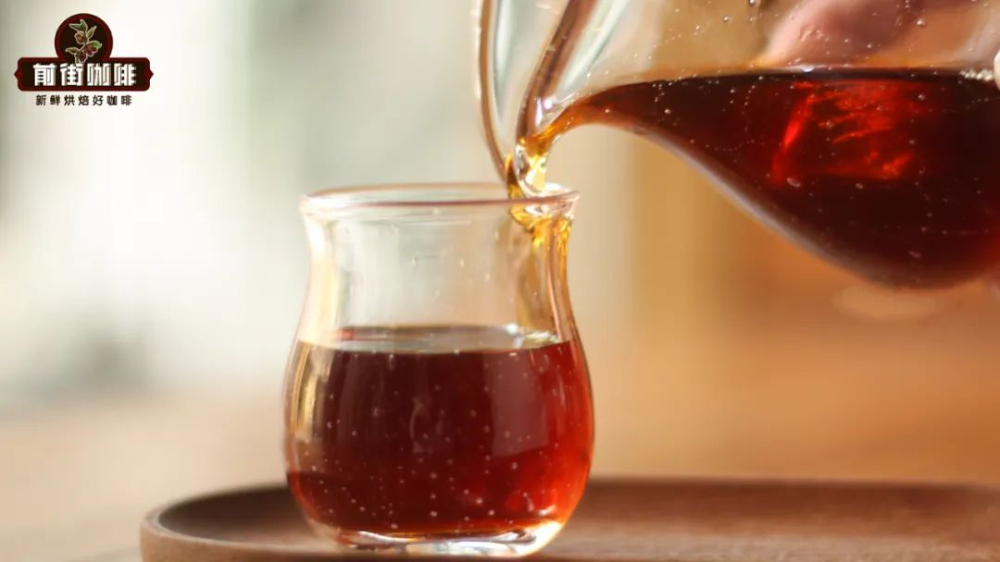
For example, FrontStreet Coffee took lightly roasted Ethiopia Shantawene and extracted both ways at the same ratio. The cold brew stayed closer to the bean's original character - full tropical fruit juice with a light red-wine fermentation note - and because water and coffee steep together the whole time, the texture is richer and more mellow.

The ice drip, since the ice water never sits with the grounds, comes out remarkably clean: bright, round pineapple juice, highly sweet guava, and more intense winey fermentation notes from its overnight rest.
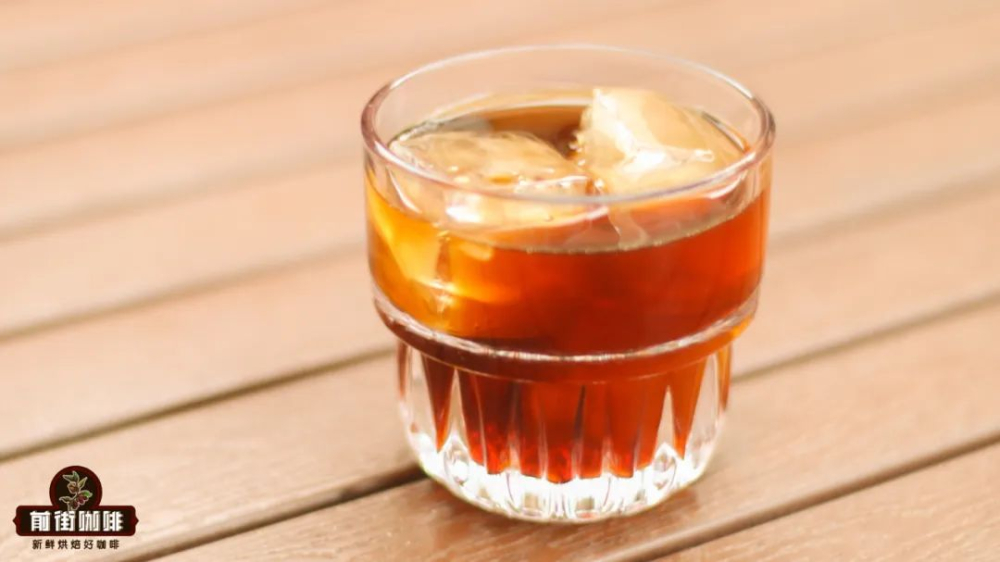
The differences are real but subtle - with different beans, telling them apart is genuinely hard. As always, FrontStreet Coffee leaves you with its preparation guides: "How Ice Drip Is Made" and "How Cold Brew Is Made."
FrontStreet Coffee Recommendation
Low-temperature extraction flatters low-acid, high-sweetness beans, and few coffees fill that bill like Indonesia's. FrontStreet Coffee's Mandheling from the Lintong area around Lake Toba, medium-dark roasted, carries caramel, dark chocolate, and toasted bread over a thick, low-acid body - and chilled, that syrupy sweetness turns into a wonderfully smooth iced black coffee.
For the top shelf, FrontStreet Coffee's PWN Golden Mandheling - beans 18 mesh and up, G1 grade with fewer than three defects per 300g sample, triple hand-sorted - stays clean and sweet even at low temperatures, with sandalwood, herbs, spice, roasted hazelnut, and caramel. And when an iced latte is the goal, FrontStreet Coffee's Classic Blend, the old Mamba recipe deepened with a touch of Robusta, delivers the golden crema and black-chocolate depth that stand up beautifully to milk and ice.
Important Notice :
FrontStreet Coffee is a long-established specialty coffee roaster in Guangzhou China, selling freshly roasted beans from its own farm in Yunnan as well as dozens of carefully selected single-origin beans from around the world for both pour-over and espresso. The products deliver consistently excellent quality and great value, with shipping within 24 hours. Guangzhou's FrontStreet Coffee shop is recommended by many coffee lovers, and the beans are now available online at the Tmall 。
FrontStreet Coffee has moved to a new address:
FrontStreet Coffee Address: 315,Donghua East Road,GuangZhou
Tel:020 38364473
 Scan and follow the En Gafei WeChat official account. Please indicate that the reprint comes from "En Gafei".

