
What Do Baristas Mean by the "Taste of Terroir"?
Understanding Terroir: How Environment Shapes Coffee Flavor
As the saying goes, one region's water and soil nurture its people, and the same idea applies to coffee beans. When FrontStreet Coffee introduces our daily beans, we always emphasize that their main flavor comes from the terroir of the growing region. So what exactly does "terroir" mean?
Seventy percent of a coffee bean's flavor and texture is determined by its genetics, while the remaining thirty percent comes from its growing environment — latitude, altitude, soil, sunlight, temperature, humidity, and a series of other conditions. In other words, while the genetic variety matters, we cannot disregard the geographical climate in which it is grown. These factors are precisely what distinguish coffee from one region to another, forming the characteristic flavors of the final cup: what we call terroir.
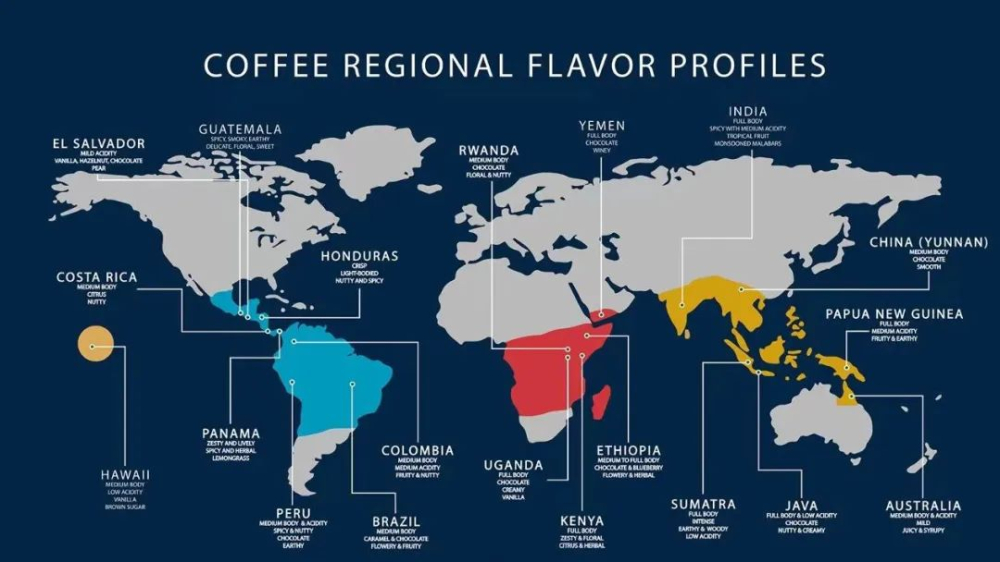
Take two identical varieties grown in different countries with the same processing method and the same roast degree. They will show different flavors purely because of their distinct growing environments.
Latitude
Most of the world's coffee-growing regions lie in the tropical belt between the Tropics of Cancer and Capricorn, including the equator, where the climate stays between 16 and 25°C year-round, without frost, and annual rainfall reaches 1600–2000 millimeters. In the coffee world, this zone is known as the "Golden Coffee Belt."
Altitude
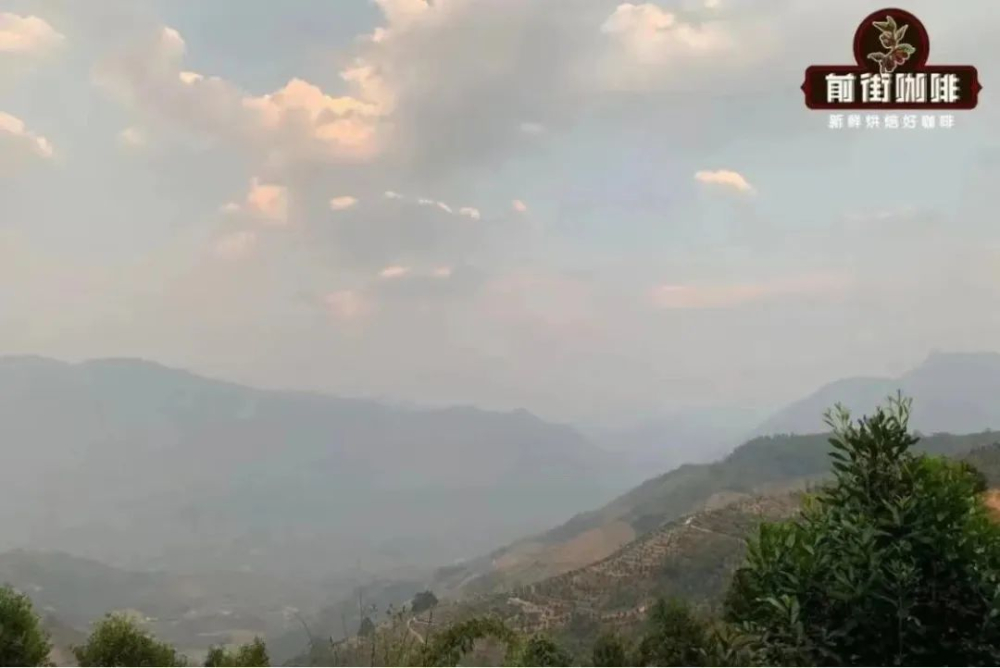
The lower the temperature of the growing environment, the more slowly coffee grows, allowing more time to absorb nutrients and ultimately producing richer flavors. Research shows that for every 100 meters of elevation gain, temperature drops by 0.6 degrees Celsius.
Higher altitude therefore means a colder climate. Coffee grown at high altitude develops significantly more slowly due to the lower temperatures. For every 300 meters of elevation, sucrose content in the coffee increases by 10%. During roasting, these sucrose compounds undergo chemical reactions that produce more aromatic substances. Those substances are primarily acidic, which explains why beans from higher altitudes exhibit fuller flavors and higher acidity.
Soil
The soil of a growing region directly affects coffee's body and acid content, thanks to the minerals it contains. Among these, volcanic soil is particularly special.
Volcanic soil contains high concentrations of sulfuric acid and sulfides, as well as abundant potassium — all key contributors to coffee's acidic aromatics. Kenyan beans are a good example: the reason we taste a rounded, tomato-like acidity in them, beyond their washed processing, is the soil's abundant phosphorus content.
Sunlight
As mentioned, low temperatures slow coffee growth, so conversely, higher temperatures produce the opposite effect. That brings us to sunlight: the heat of direct sun shortens the bean's growth cycle and accelerates maturation.
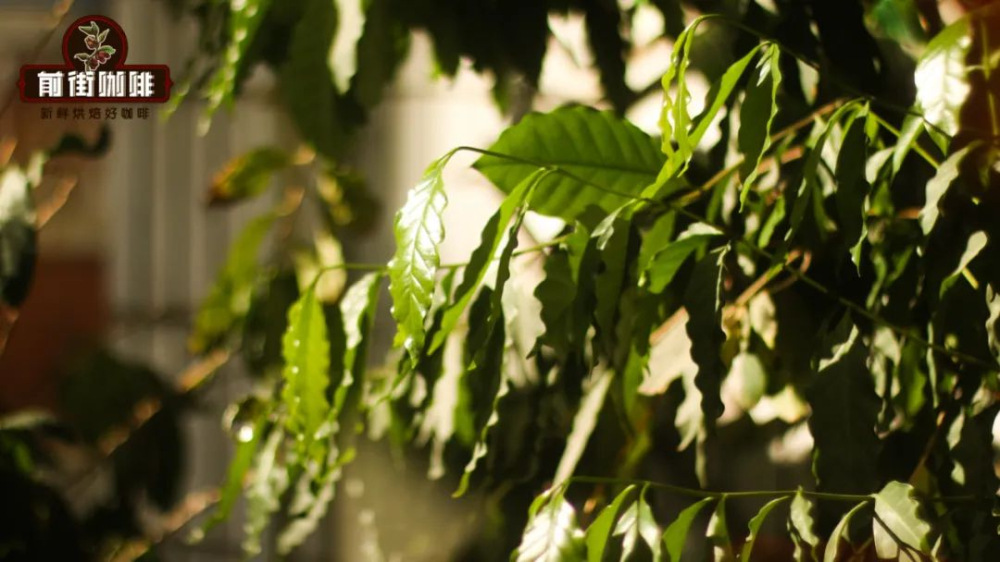
When coffee matures before absorbing sufficient nutrients, the resulting cup inevitably tastes mediocre. To solve the problem of excessive sun exposure, people began planting coffee trees beneath taller trees — commonly known as shade trees. This reduces most of the sunlight duration, thereby slowing growth and producing more flavorful coffee.
Humidity
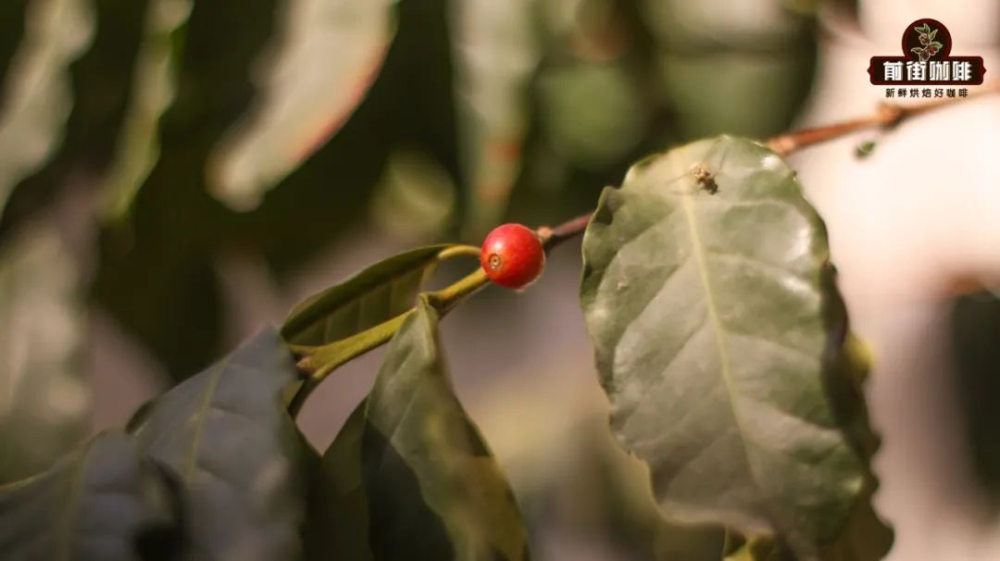
High-humidity environments help enhance the formation of malic acid and sugars in the coffee pulp. These substances form in the pulp and are eventually absorbed by the beans. Special processing methods such as honey processing and anaerobic processing allow beans to absorb more sugars, ultimately presenting full, juicy sweet-and-sour flavors.

FrontStreet Coffee Recommendation
Terroir is easiest to taste when a bean lets its origin speak clearly, and a medium roast is often the best lens for that. FrontStreet Brazil Queen Estate, for example, is a Yellow Bourbon grown in the world's largest coffee-producing country, and a medium roast reveals its clean, gently sweet terroir through cream, peanut, chocolate, toast, and sugarcane notes that work across pour-over, moka pot, and espresso machine.
To taste how variety and origin interact, FrontStreet Strawberry Candy Geisha Blend combines two well-known regions: a honey-processed Costa Rican coffee and a washed Panamanian Geisha. A medium roast makes the most of both, showing orange-honey florals alongside a rounded sweetness that feels refreshing however it is brewed.
China's own terroir is worth exploring too. FrontStreet 2013 Natural Typica is a representative Chinese specialty bean with the classic Yunnan small-bean profile, and a medium roast restores its balanced, mellow character of nut, brown sugar, black tea, and dried apricot. Finally, for an origin whose name alone evokes place, FrontStreet Jamaica Blue Mountain No. 1 is the Typica variety grown under Jamaica's distinctive conditions; a medium roast fuses its acidity, bitterness, sweetness, and body into one elegant whole, with chocolate, roasted nut, cream, and caramel at first sip.
Important Notice :
FrontStreet Coffee is a long-established specialty coffee roaster in Guangzhou China, selling freshly roasted beans from its own farm in Yunnan as well as dozens of carefully selected single-origin beans from around the world for both pour-over and espresso. The products deliver consistently excellent quality and great value, with shipping within 24 hours. Guangzhou's FrontStreet Coffee shop is recommended by many coffee lovers, and the beans are now available online at the Tmall 。
FrontStreet Coffee has moved to a new address:
FrontStreet Coffee Address: 315,Donghua East Road,GuangZhou
Tel:020 38364473
 Scan and follow the En Gafei WeChat official account. Please indicate that the reprint comes from "En Gafei".

