
Should You Add Ice Before or After Brewing Pour-Over Coffee? What Should You Pay Attention to When Making Iced Pour-Over Coffee?
Ice First or Ice Last: The Iced Pour-Over Coffee Experiment
Most people brew their iced pour-over coffee by "adding ice first, then brewing." A smaller group goes the other way — "brew first, then add ice," or passing the finished coffee over ice. FrontStreet Coffee belongs to the first camp.
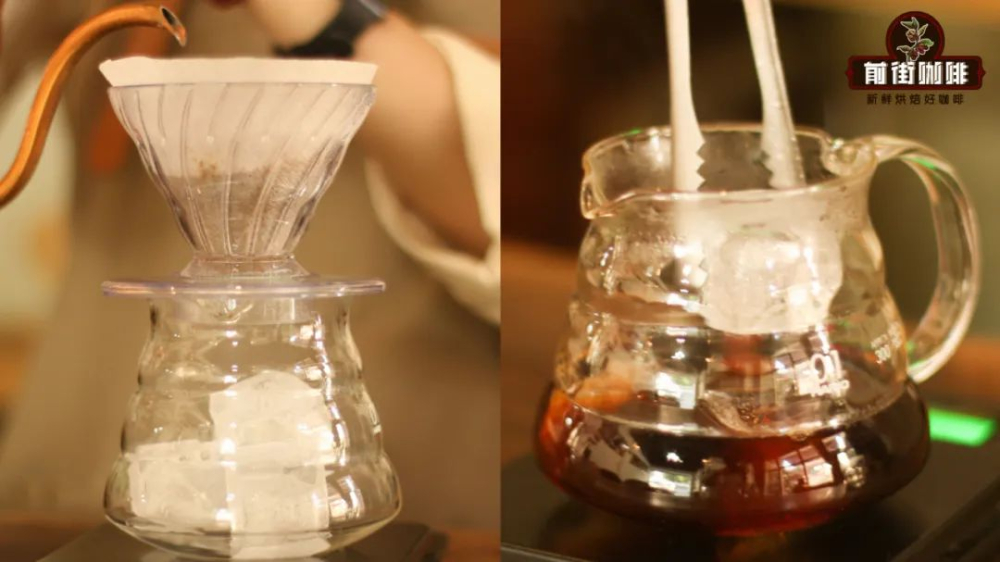
Ordinarily the difference between the two would be nothing more than a matter of procedure. But recently, we were reminded of the Paragon ice spheres featured in one of our earlier articles — their selling point is rapidly chilling the coffee to lock in volatile aromatics before they can dissipate, supposedly letting you taste more of the coffee.

The real-world effect wasn't quite as miraculous as the marketing claimed, but it got us thinking: wouldn't an iced pour-over with the ice added first work the same way? So we ran the experiment. The question: is there any real difference between iced pour-over with ice first versus ice last?
Operational Differences
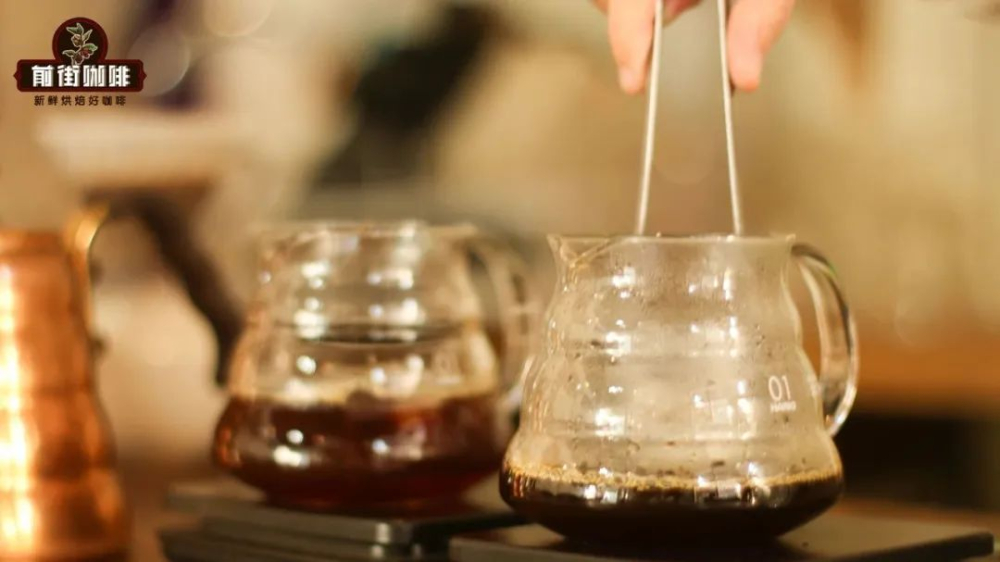
Setting flavor aside for the moment, both methods replace the same proportion of hot water with ice. The operational difference is simple: in one, the ice goes into the server before brewing, chilling the dripping coffee as it lands; in the other, the ice is added only after brewing is complete, chilling the already-drawn coffee.
Experimental Comparison
For this test we used a washed Geisha from Colombia's La Divisa farm. Its unmistakable honeysuckle aroma makes it ideal for a side-by-side comparison like this — any difference in the aromatics will be easy to catch.
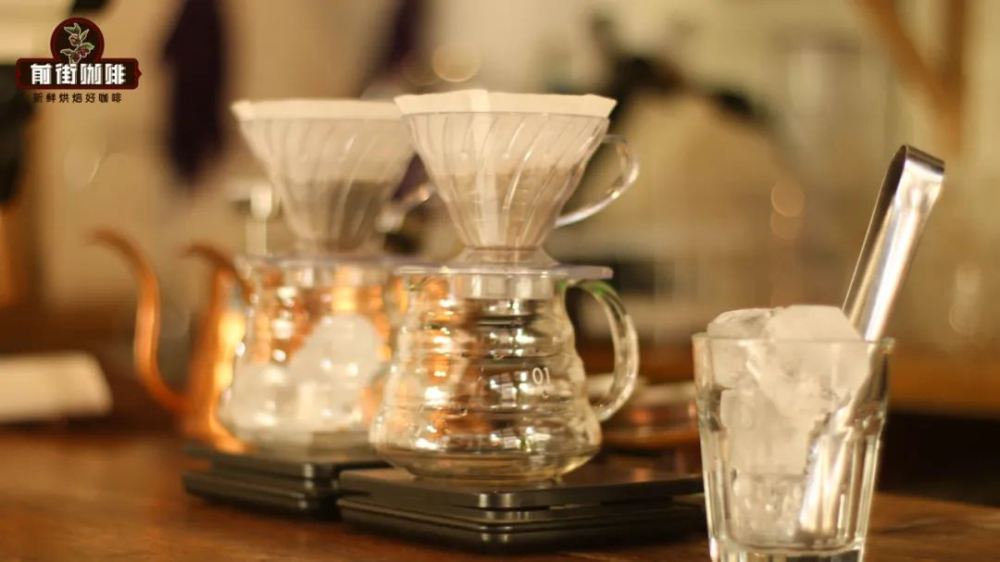
Coffee Parameters:
- Coffee amount: 15g
- Coffee:Water:Ice ratio: 1:10:6 (15g coffee, 150ml hot water, 90g ice)
- Grind setting: Ek43 at 9.5 setting, with 65% passing through a #20 sieve
- Brewing temperature: 92°C
- Brewing method: Three-stage iced pour-over
The three-stage method begins the same as any hot pour-over: a 30-second bloom with 30ml of water (twice the coffee weight). For the second pour, use a fine water stream in large circles to add 70ml of hot water. Once the bed finishes draining, add the remaining 50ml in small circles, then wait for the last of the coffee to drip through.
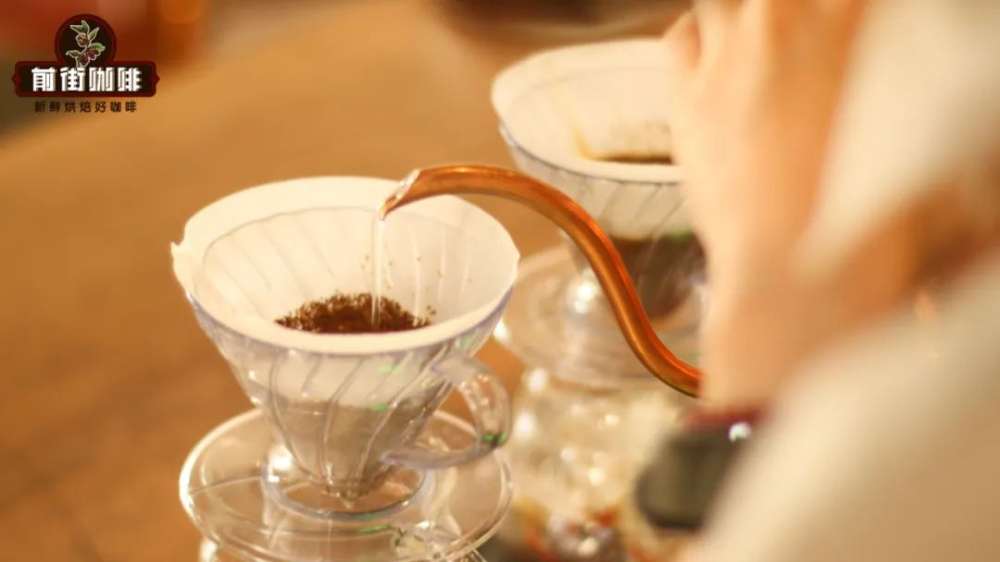
To compensate for the staggered timing, the "ice first" brew was started 20 seconds earlier than the "ice last" version. During tasting, we sampled the "ice first" cup first so both cups would be tasted at equivalent points.

Both brews finished in exactly one minute and thirty seconds. Whether the ice went in first or last, each cup was swirled after brewing to melt the ice rapidly and fuse it with the coffee.
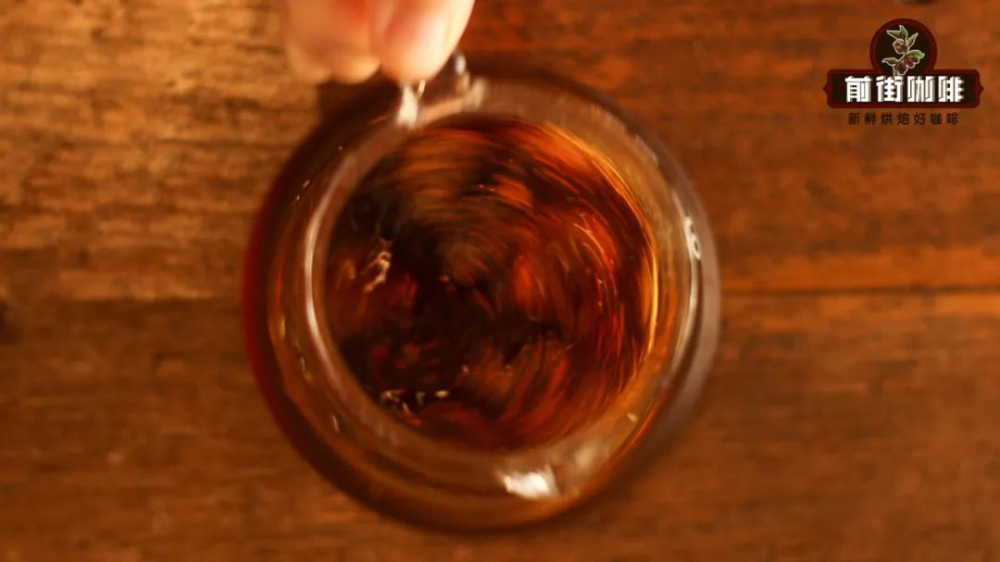
After swirling, at the two-minute mark, the "ice first" cup read 7°C while the "ice last" cup read 13°C.
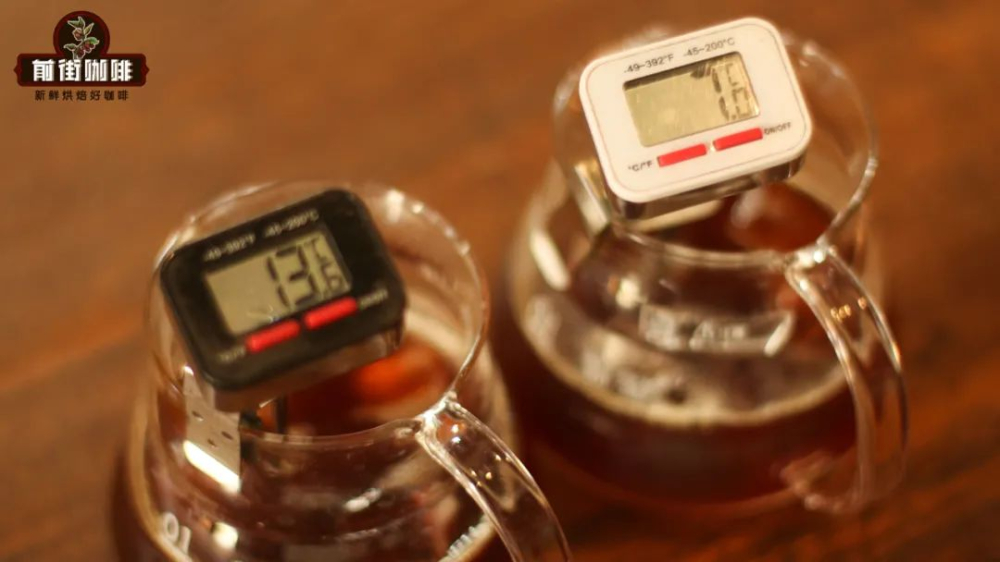
(The cup with the black thermometer is "ice last"; the white thermometer marks "ice first.") On aroma, the honeysuckle of the "ice last" version was slightly more intense than the "ice first" version. In the mouth, both cups delivered the La Divisa Geisha's rich honeysuckle florals, citrus acidity, and honeyed texture. The difference wasn't dramatic — though if we had to pick, the "ice last" cup felt a touch rounder. Then we let both cups rest for five minutes and tasted again: the two were now almost indistinguishable.
Conclusion
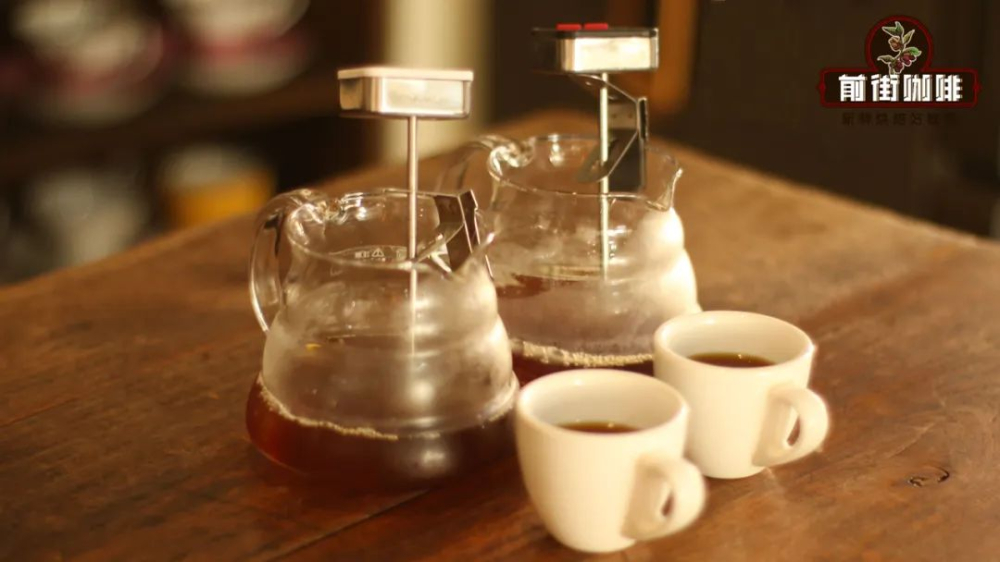
The takeaway: there's very little difference between iced pour-over brewed over ice versus iced afterward. The differences we initially perceived came mostly from dilution timing — the ice in the "ice last" cup melted more slowly, so at the two-minute mark it hadn't yet been diluted to the same strength as the "ice first" cup, making both its aroma and concentration read slightly stronger. Five minutes later, the concentrations had converged, and with them the taste.
FrontStreet Coffee

FrontStreet Coffee Recommendation
Floral, fruit-forward Gesha lots like the La Divisa above are exactly what shines in an iced pour-over. A few FrontStreet Coffee favorites:
FrontStreet Panama Boquete Gesha — The ideal entry into classic Gesha. At an approachable price, it delivers Panama's signature orange-blossom honeyed aroma, oolong-tea character, delicate fruit acidity, and clearly layered sweetness — all of which turn wonderfully crisp over ice.
FrontStreet Esmeralda Green Label Gesha (Private Collection) — From the estate that made Gesha famous, a blend of batches from multiple high-altitude plots showcasing Esmeralda's hallmark Gesha profile of florals and juicy fruit. Since it isn't tied to a single plot, it costs noticeably less than the Red Label — outstanding value.
FrontStreet Genlana Estate Gesha (Natural) — From a washing station at the border of Kochere and Genji Abaya in Ethiopia, where hand-picked ripe cherries are sun-dried on raised beds for 14–20 days. Roasted medium-light, it pours bright citrus acidity, elegant ginger-flower aroma, and full ripe-fruit sweetness with a silky, refined finish — the very definition of a Gesha iced pour-over.
Important Notice :
FrontStreet Coffee is a long-established specialty coffee roaster in Guangzhou China, selling freshly roasted beans from its own farm in Yunnan as well as dozens of carefully selected single-origin beans from around the world for both pour-over and espresso. The products deliver consistently excellent quality and great value, with shipping within 24 hours. Guangzhou's FrontStreet Coffee shop is recommended by many coffee lovers, and the beans are now available online at the Tmall 。
FrontStreet Coffee has moved to a new address:
FrontStreet Coffee Address: 315,Donghua East Road,GuangZhou
Tel:020 38364473
 Scan and follow the En Gafei WeChat official account. Please indicate that the reprint comes from "En Gafei".

