How Does the Honey Processed Geisha from Guatemala's New Oriente Region Perform?
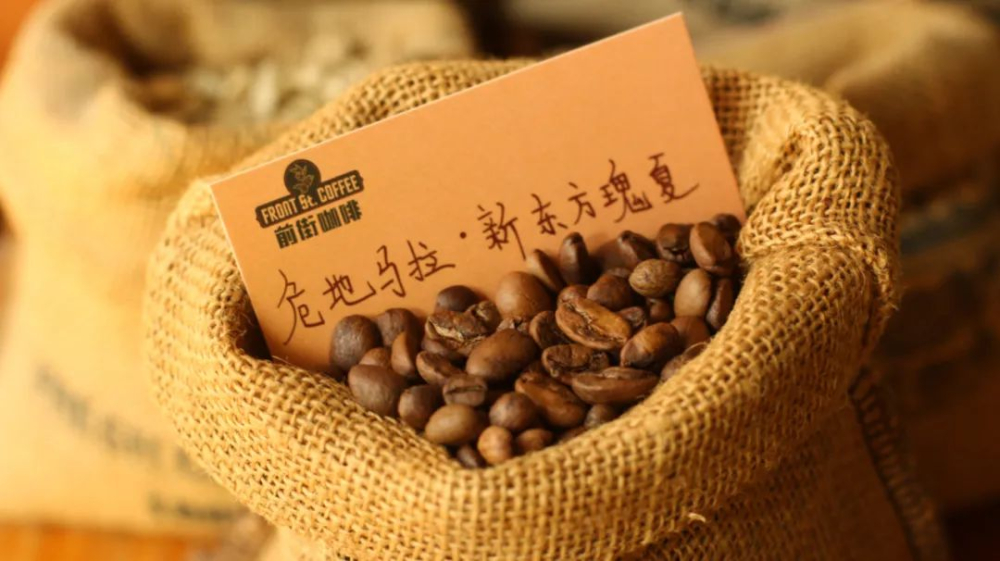
FrontStreet Coffee: Guatemala New Oriente Geisha Coffee Beans
Country: Guatemala
Grade: SHB
Region: New Oriente
Altitude: 1500-2050 meters
Processing Method: Honey process
Variety: Geisha
Flavor: Sweet orange, magnolia, citrus, toffee
The New Oriente Region, Guatemala
Guatemala as a whole lies in the tropics. Its northern and eastern coastal plains have a tropical rainforest climate with annual rainfall of 2000-3000 millimeters, while the southern mountains are subtropical with 500-1000 millimeters a year. The year splits into wet and dry seasons: May to October wet, November to April dry. Worth noting, Guatemala is dotted with volcanoes — which means plenty of volcanic soil ideal for coffee! That's how coffee became one of the country's main economic crops.
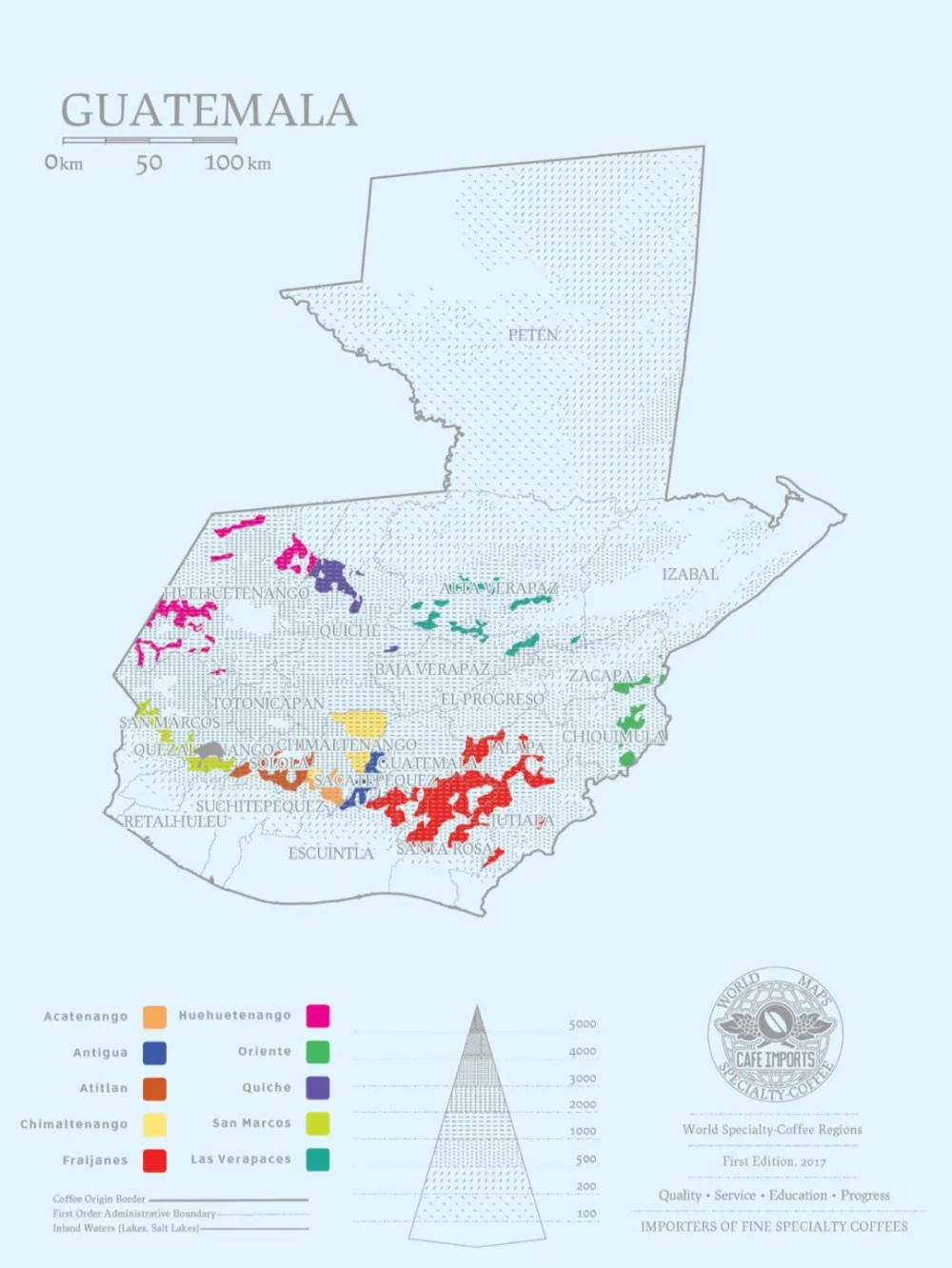
All of Guatemala's coffee is managed by the Guatemalan National Coffee Association (Asociación Nacional del Café, or Anacafé). Established in 1960, the association divides the country's coffee lands into eight regions based on flavor and growing conditions: Antigua Classic, Huehuetenango, Rainforest Coban, Traditional Atitlan, Fraijanes Plateau, Volcanic San Marcos, Acatenango, and New Oriente. Today's subject is the youngest of them all: New Oriente.
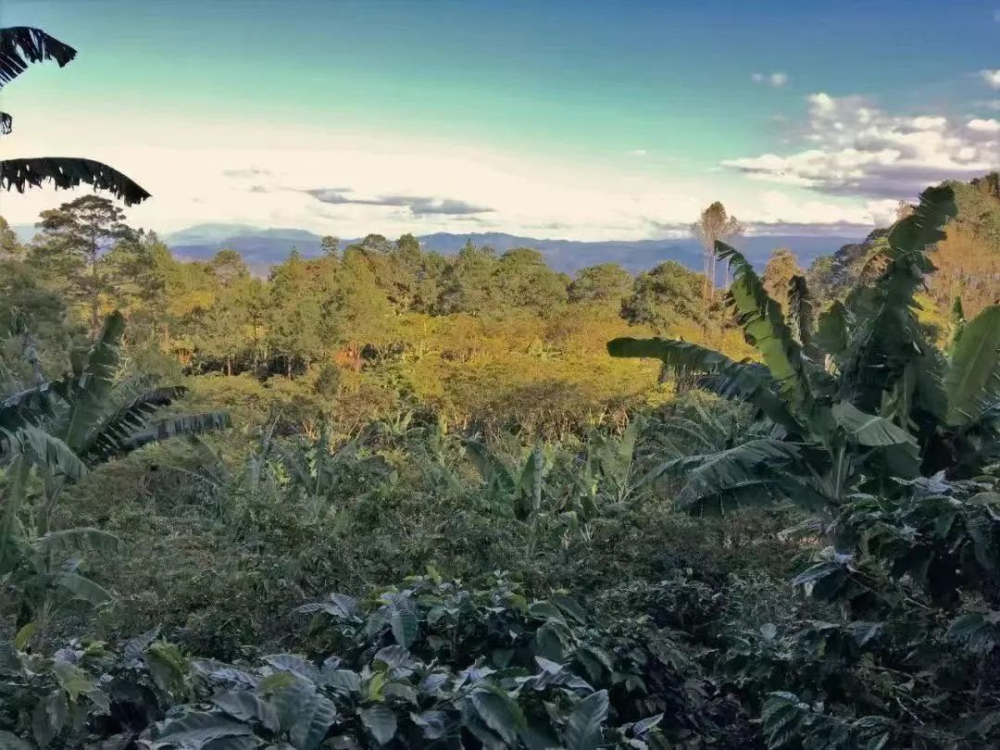
New Oriente is Guatemala's youngest coffee-producing region, with abundant rainfall year-round. At its high altitude, the area is frequently wrapped in mist as dense clouds settle over it, leaving relatively short sunshine hours. In ancient times New Oriente was volcanic terrain, so its soil is built from mineral-rich metamorphic rock — in short, superb conditions for coffee. The Geisha grown here thus combines excellent genetics with every advantage its terroir can offer, and the flavor shows it.
Guatemala's Geisha
Geisha was first noticed in the Kaffa forests of Ethiopia in 1931. But in an era when coffee prized quantity over quality, the low-yielding Geisha wasn't worth anyone's attention — a variety that should have been chased like gold drifted in obscurity for over 70 years.
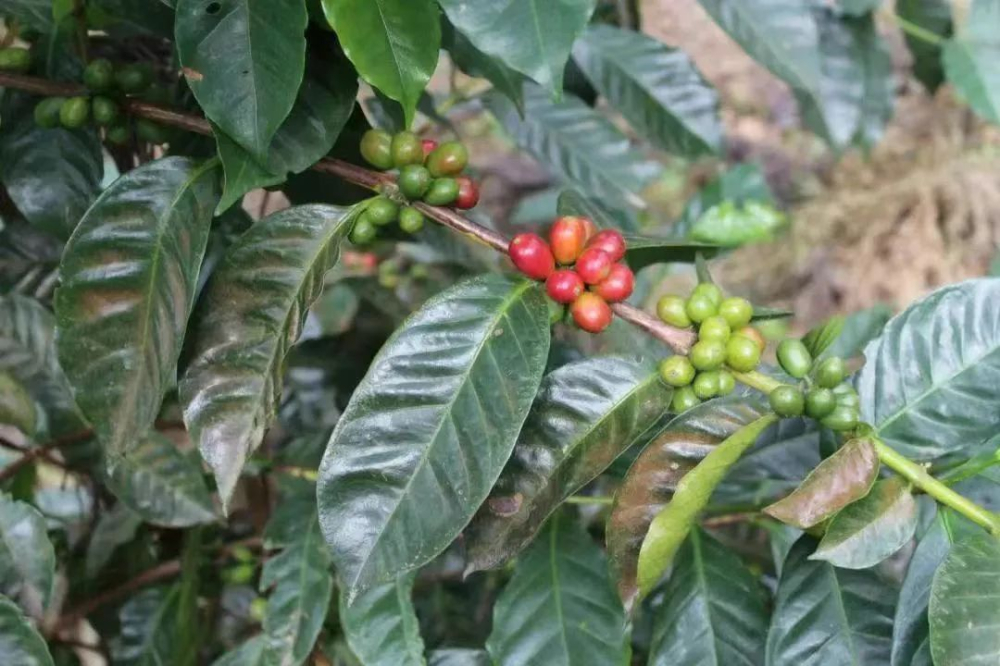
In 1936, Geisha was carried from Ethiopia to Uganda and Tanzania. In 1953 it crossed the ocean from Africa to Costa Rica, and in 1970 Costa Rica's Geisha moved on to neighboring Panama. Then the rising specialty coffee wave gradually turned people's attention to flavor itself; the focus shifted from yield to quality, and Geisha finally got its chance to escape obscurity.
In 1990, the Peterson family of Hacienda La Esmeralda, while surveying leaf rust damage, noticed that the Geisha trees tucked into a corner had barely been touched by the disease. They immediately transplanted the Geisha, along with other unaffected varieties, to higher altitudes for mixed cultivation. Then in 2003, through cupping, they tasted a cup bursting with floral aroma — bright, richly layered, and remarkably clean. They traced the lot bean by bean and discovered the stunning flavor came from those unassuming, low-yield trees. The astonished Esmeralda team promptly gave them their own "separate villa" (a dedicated Geisha plot), named the variety "Geisha" (the original stock was the T2722 variety), and entered it in the Best of Panama competition.

In 2004, Hacienda La Esmeralda shattered everyone's assumptions about Geisha: the variety won the competition by a landslide. Everyone present was floored by its intense white floral aroma. If you'd been there, you'd have seen a row of judges frowning as they tasted the same cup over and over — they simply couldn't believe a Panamanian bean could carry both citrus-honey sweetness and such powerful florals while staying impeccably clean. Central and South American coffees of that era were mostly nut and cocoa affairs, so the judges even suspected someone had swapped in Yirgacheffe beans.

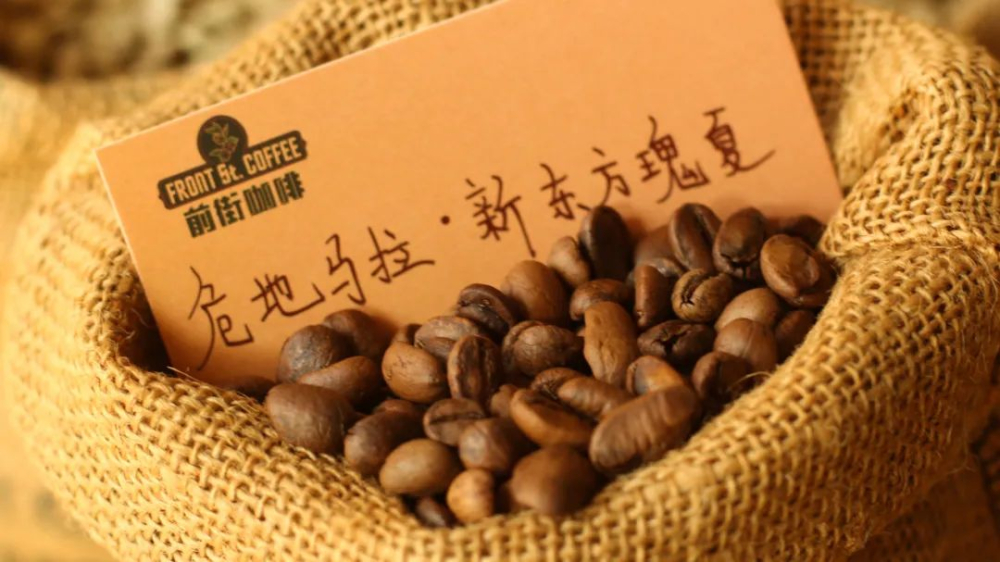
That victory drew countries around the world to import Geisha for cultivation — Guatemala among them. Which brings us to today's coffee: Geisha from Guatemala's New Oriente region. FrontStreet Coffee roasts it medium-light to let both the regional character and the Geisha signature shine.
FrontStreet Coffee's Brewing Recommendations
Dripper: V60
Water temperature: 92°C
Coffee dose: 15g
Coffee-to-water ratio: 1:15
Grind size: fine-sugar texture (80% pass rate on a #20 sieve)
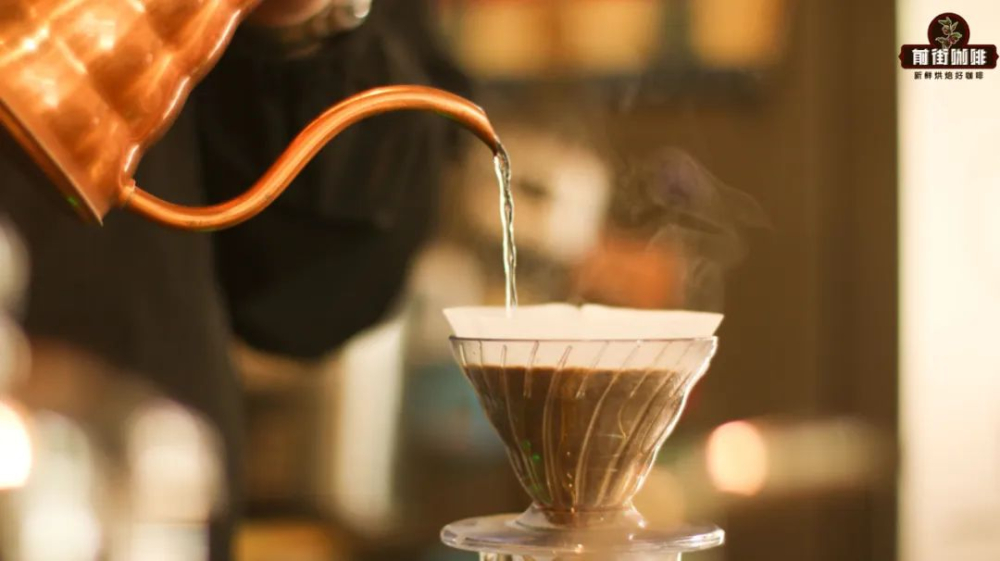
Fold the filter paper to fit the dripper, rinse it with a little water so it sits snugly, and discard the water from the server. Add the coffee and tap gently to level the bed. For the first pour, gently add 30g of water and bloom for 30 seconds. For the second pour, bring the scale up to about 135g, circling evenly and steadily outward. Wait for the liquid to drain, and once the bed has sunk to half, pour the final water up to 225g. Let all the coffee finish dripping. Total extraction time generally lands around 2 minutes.
Brewing Performance
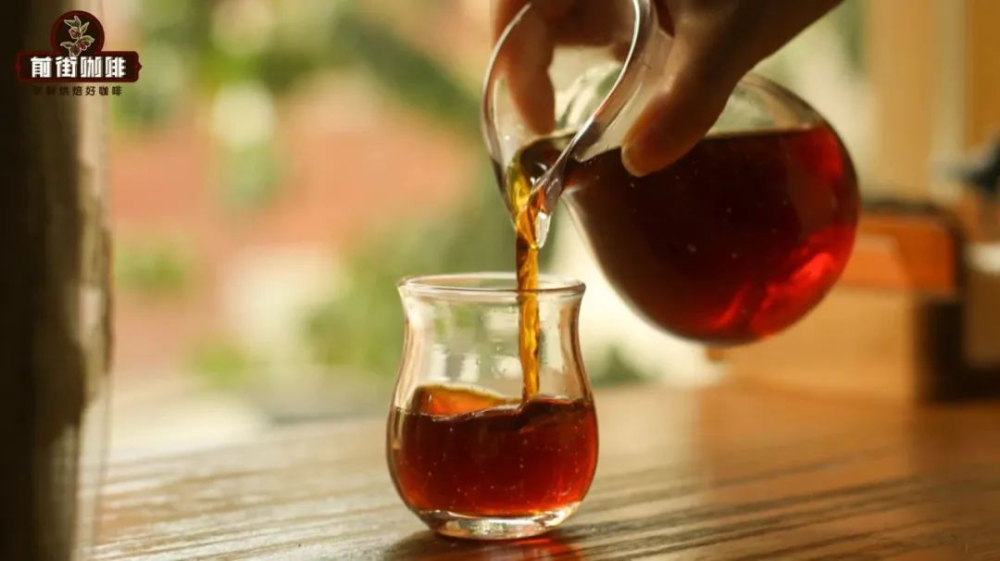
The first sip opens with Guatemala's traditional calling card — sweet orange — laced with toffee sweetness and elegant white florals. As the cup cools toward medium and low temperatures, a distinct honeyed texture emerges, and the sweet orange shifts toward bergamot with a touch of acidity, giving the cup richer, more layered changes as it goes.
- END -
FrontStreet Coffee Recommendation
If this honey-processed Guatemalan Geisha has sparked your curiosity about the variety, FrontStreet Coffee carries a Geisha for every budget. For a first taste of the legendary "Geisha flavor," the entry-level FrontStreet Coffee Boquete Geisha from Panama is our top pick: at a friendly price, it captures the classic orange-honey sweetness of high-grade Panamanian Geisha, with an oolong-tea feel, delicate fruit acidity, and clearly defined layers. For the full experience, the FrontStreet Coffee Esmeralda Red Label (Esmeralda Special, grown at 1,600-1,800 meters, with every batch cupping above 90 points from a single plot such as Harrimyo) and the more affordable Esmeralda Green Label (Private Collection, blended from multiple high-altitude plots) showcase Hacienda La Esmeralda's iconic style.
Ethiopia, Geisha's birthplace, has its own treasures. The FrontStreet Coffee Granana Estate Geisha, from a processing station established in 2014 at the border of Kochere and Genji Abaya, is grown on 700 hectares of fertile, shade-covered land; hand-picked ripe cherries are sun-dried on raised beds for 14-20 days, and a medium-light roast brings out bright citrus acidity, elegant ginger-flower aroma, full ripe-fruit sweetness, and that signature refined Geisha finish. For seasoned explorers, the Geisha Village Gold Label (the rare Geisha 1931 variety, just 10% of the estate's output, finished as a meticulous natural) delivers a complex, competition-grade cup that lingers long after the last sip.

Important Notice :
FrontStreet Coffee is a long-established specialty coffee roaster in Guangzhou China, selling freshly roasted beans from its own farm in Yunnan as well as dozens of carefully selected single-origin beans from around the world for both pour-over and espresso. The products deliver consistently excellent quality and great value, with shipping within 24 hours. Guangzhou's FrontStreet Coffee shop is recommended by many coffee lovers, and the beans are now available online at the Tmall 。
FrontStreet Coffee has moved to a new address:
FrontStreet Coffee Address: 315,Donghua East Road,GuangZhou
Tel:020 38364473
 Scan and follow the En Gafei WeChat official account. Please indicate that the reprint comes from "En Gafei".