
What are the characteristics of coffee cups with different shapes, materials, and structures? How do cups affect the flavor of coffee?
Cup Selection Guide: Enhancing Your Coffee Experience

Be honest — if you clicked on this, you're probably a "cup collector" like me: shelves full of exquisite, beautiful coffee cups that almost never get used. Don't worry! Today, FrontStreet Coffee walks through the different angles that actually matter, so the next time you brew, you'll know exactly which cup to reach for.
Important Note
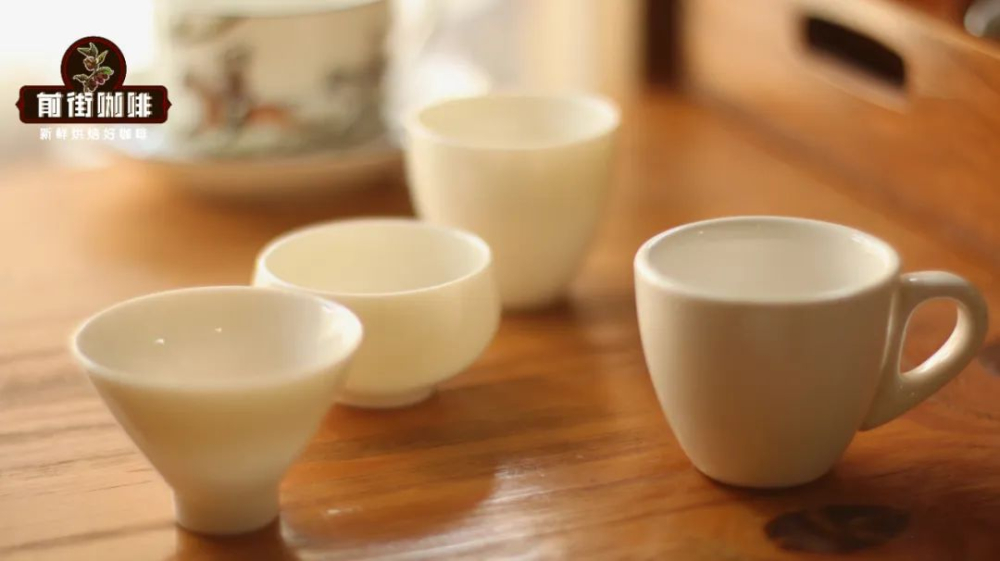
No matter a vessel's material, size, depth, shape, or thickness, it cannot change the strength of the coffee inside or the amount of flavor compounds it holds. What the vessel does is use its structure to shape a richer sensory experience as you drink. In other words, if the coffee is badly brewed, no expensive cup will rescue it!
With that settled, let the "Cup Selection Conference" begin!
Cup Materials
By material, coffee cups generally come in glass, ceramic, and stainless steel (metal), plus less common plastic, wooden, or bamboo versions.
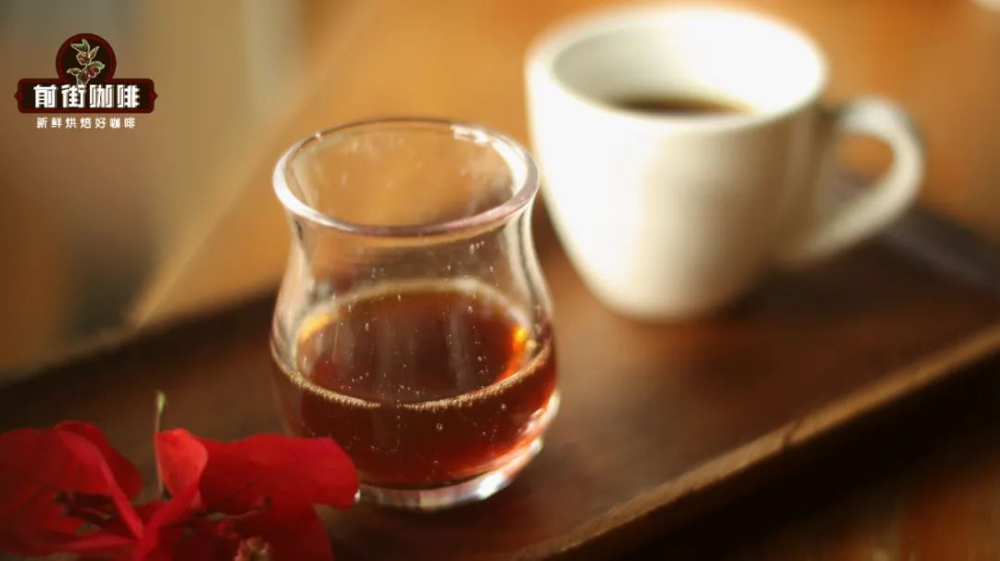
Material first shapes the visual experience. A clear glass cup lets you read the coffee's color: a wine-red liquid under light usually points to medium-dark roasts, while orange-red suggests lighter roasts. Ceramic and metal cups, of course, keep the coffee's familiar deep brown.
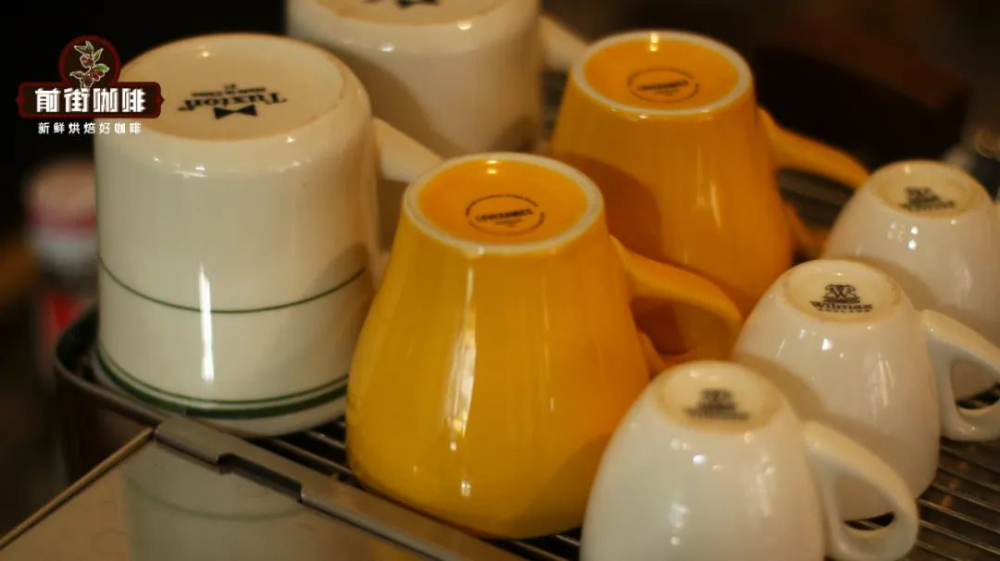
Second is heat retention. Materials that absorb more heat, once preheated, return some warmth to the liquid and slow its cooling. In winter especially, FrontStreet Coffee serves coffee in pre-warmed ceramic cups — they warm your hands, slow the temperature drop, and let you savor how the flavors evolve at different temperatures. Glass, stainless steel, and plastic give up heat faster.
Then there's taste — where stainless steel and plastic deserve special mention. Stainless steel carries a noticeable metallic note, and plastic tends to absorb odors over time; both interfere with the coffee's cleanliness and aroma.
Cup Thickness
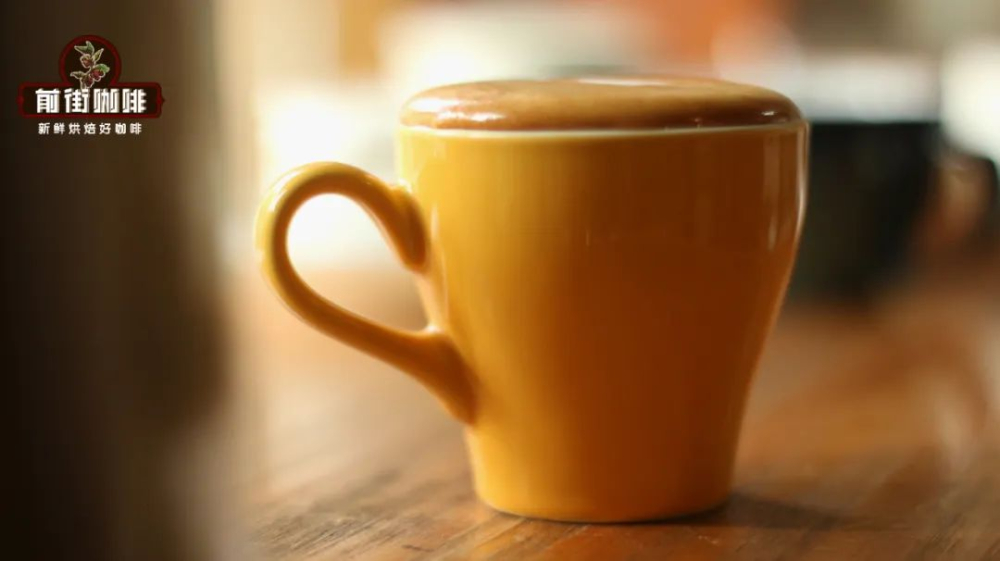
The thicker the wall, the more heat it can absorb and hold, and the better the cup insulates. Take the ceramic cups most cafes use: when serving cappuccinos, lattes, and other hot milk drinks, they hold up the milk foam without spilling, and their rounded rims let your lips seal against them, producing a rounder, softer mouthfeel.
Some makers also thicken the cup body for a more solid grip, adding an internal trapezoidal structure to concentrate aromas and improve the drinking experience. Bone china cups go the other way: their light, thin rims let coffee flow smoothly onto the palate, where delicate floral and citrus notes register more clearly.

Cup Body and Rim Shapes
Different regions of the tongue pick up different tastes: the tip is most sensitive to sweetness, the middle sides to sourness, the area just behind the tip to saltiness, and the back of the tongue to bitterness. The shape of a cup's rim decides where the coffee lands first.
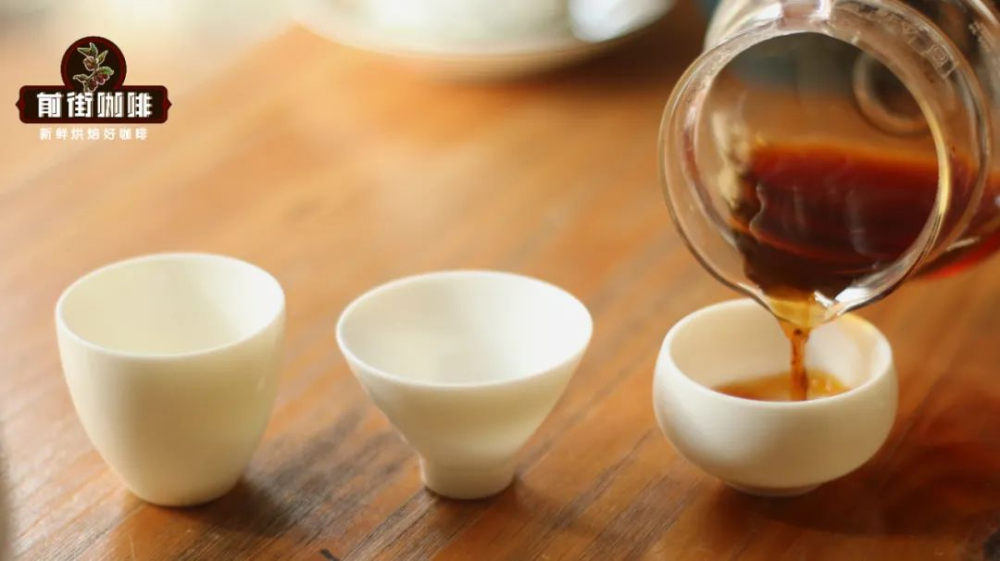
Open Rim Cups
Open rim cups — also called flared cups — have a wide opening, wider at the top and narrower at the bottom, with the wall tilting outward at roughly 45 degrees, like a bamboo hat.
Drinking from one of these exposes more of the coffee's surface to air, and the flared rim spreads the liquid as it enters the mouth. Some designs extend the flow path even further with an outward-turned lip. The coffee first sweeps across the sides and tip of the tongue, so sour and sweet notes are easier to catch and the acidity reads brighter. The wide opening also lets the coffee cool faster, making the flavor layers at different temperatures more distinct. Open rims suit coffees built on bright fruit acidity, such as washed Boquete Geisha and Kenya AA.
Straight Body Cups
Straight body cups have moderate openings, straight walls from belly to rim, and a base that narrows gradually. Mugs are the classic large-capacity examples.
The straight design funnels the coffee into the mouth in a concentrated stream, creating a stronger sensory impact. At medium-high temperatures the coffee tastes more concentrated with a fuller, more solid texture. Straight cups are unremarkable for aroma, but their taller bodies slow cooling slightly, so the mouthfeel doesn't shift too abruptly. They pair well with beans whose sweet, sour, and bitter notes are in balance, such as Papua New Guinea Paradise Bird and Guatemala Flor.

Narrow Rim Cups
Narrow rim cups — sometimes called Luohan cups — curve inward at the rim, bulge at the belly, and taper toward both the base and the top.
The narrow opening forces you to lift the cup higher and raise your chin, shaping the mouth into a forward, almost sipping position. That spreads the liquid more evenly across the palate. The wide body releases aromas at their widest point and gathers them at the rim, which is excellent for nose-ing the coffee — especially at medium-high temperatures, when you can pick out its viscosity and aftertaste. Narrow rims suit single-origin coffees prized for rich aromas, like FrontStreet Coffee's 90+ Eleta and Colombian Sidra.
Professional Coffee Tasting Cups
Beyond these everyday shapes, the professional tasting cups designed for competition pour-over or experience-driven cafes borrow from wine glass principles, combining the strengths of different shapes to heighten the senses — Origami's custom aroma cups and Kruve's glass tasting cups are well-known examples.
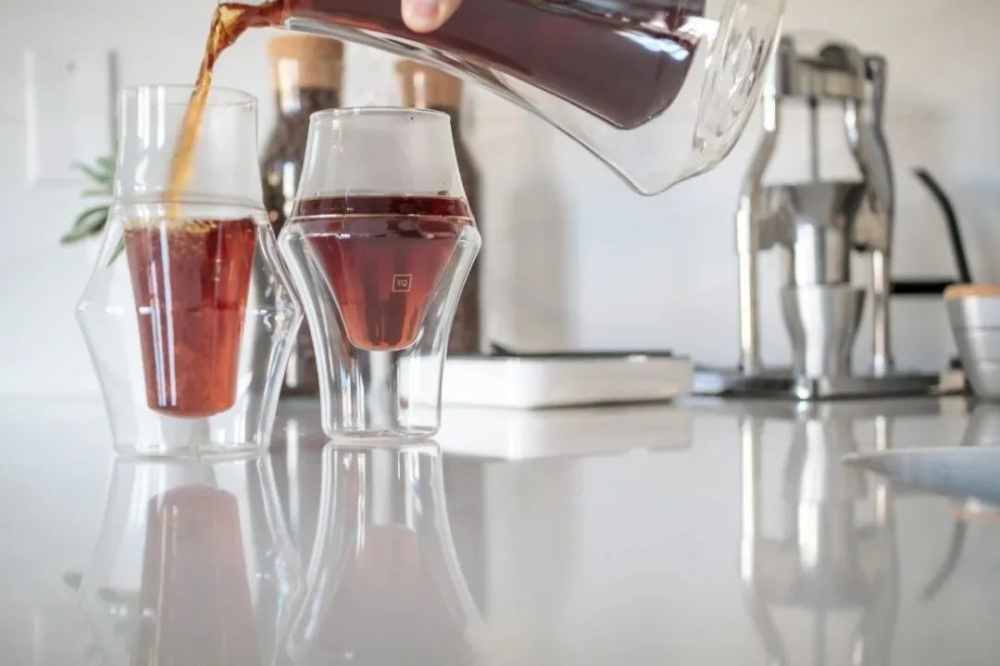
These vessels deliver real benefits: amplified aromas, steadier temperature, easy sipping, and a boost to perceived sweetness. Their only real disadvantage? The price tag.
- END -
FrontStreet Coffee Recommendation
If you're choosing a cup for a balanced, all-day coffee, start with a medium roast — it's the easiest way to land that sweet spot where acidity, sweetness, and bitterness all behave. FrontStreet's Brazil Queen Estate beans, a Yellow Bourbon from the world's largest coffee-producing country, brew into a gentle, sugary cup with creamed peanut, chocolate, toast, and sugarcane notes; the Jamaica Blue Mountain No.1, a Typica grown in Blue Mountain's celebrated terroir, offers the textbook balance of chocolate, roasted nuts, cream, and caramel that made it known as the "Emperor of Coffee."
For something sweeter and fruitier in your narrow rim cup, try the FrontStreet Strawberry Candy Geisha Blend — a marriage of Costa Rican honey process and Panamanian washed Geisha, medium roasted to show orange-blossom honey sweetness and a rounded finish. And the Yunnan 2013 Natural Typica, with its soft hazelnut, red sugar, black tea, and dried apricot character, is a budget-friendly daily brew that flatters any cup you pour it into.

Important Notice :
FrontStreet Coffee is a long-established specialty coffee roaster in Guangzhou China, selling freshly roasted beans from its own farm in Yunnan as well as dozens of carefully selected single-origin beans from around the world for both pour-over and espresso. The products deliver consistently excellent quality and great value, with shipping within 24 hours. Guangzhou's FrontStreet Coffee shop is recommended by many coffee lovers, and the beans are now available online at the Tmall 。
FrontStreet Coffee has moved to a new address:
FrontStreet Coffee Address: 315,Donghua East Road,GuangZhou
Tel:020 38364473
 Scan and follow the En Gafei WeChat official account. Please indicate that the reprint comes from "En Gafei".

