Decoding Coffee Extraction Theory: How Pouring Techniques Shape Flavor Profiles
When newcomers ask how to brew a good pot of coffee, FrontStreet Coffee always stresses parameters first: find the right water, water temperature, grind size, and coffee-to-water ratio, then make sure total extraction time lands around 2 minutes. With those in place, the coffee will basically show its best side.
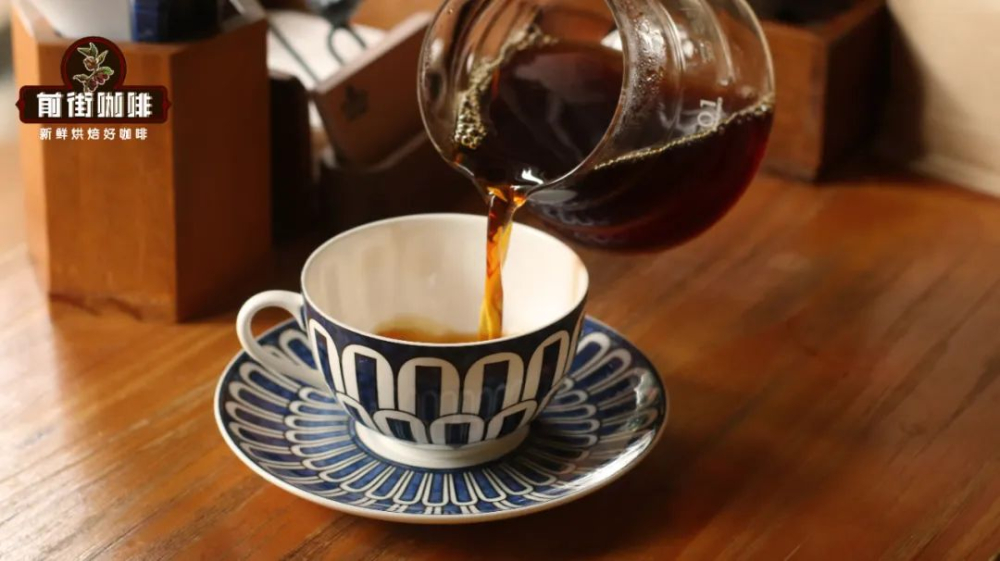
Once the parameters are second nature and you want to level up your pour-over, pouring technique is the next frontier. Consider this: you and a friend buy the same beloved bag of beans, use the same water, parameters, and dripper—yet the two cups taste clearly different. That difference is your pouring styles.
The Bold Style
This style runs on high flow rates: water follows sweeping arcs, covering wide circles quickly. The most representative example is the "water-throwing method," all graceful motion—wrist amplitude turned up, the kettle spout racing in circles just above the liquid surface. The stream works like a stirring rod, agitating the coffee slurry vigorously, sometimes whipping up a vortex. The result: soluble material extracted more thoroughly.
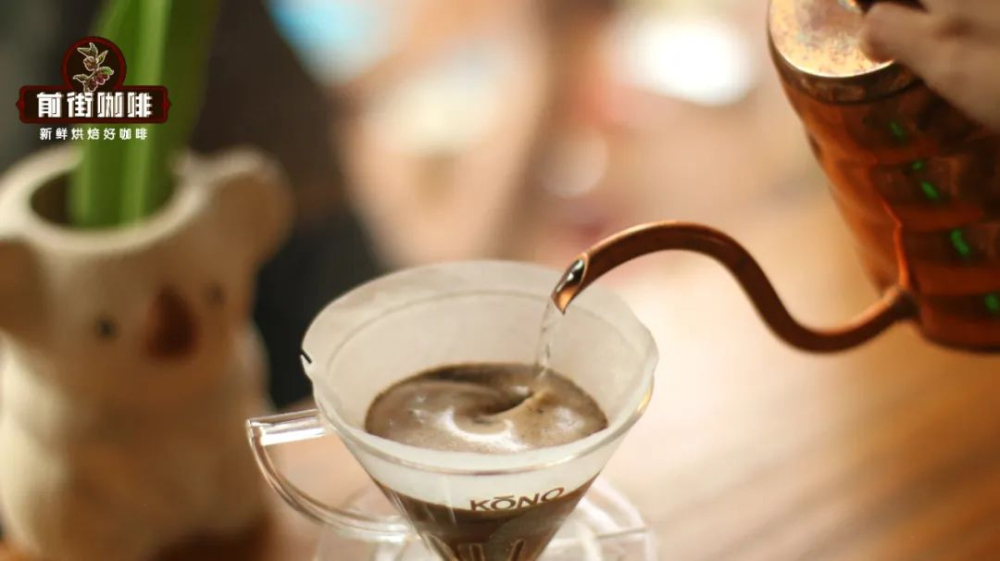
In extraction terms, the same total water delivered in a bigger stream takes less pouring time, and the higher flow raises the water level further up the dripper walls, thinning the coffee bed there and speeding the drawdown. Coffee brewed this way tends to show bright acidity and delicate aromatics with lovely layered complexity—though the body can run thin and the aftertaste short.
The Conservative Style
Conservative pourers chase stability, wary that even small movements might shift the whole pot. They hold a steady, gentle flow: from the moment the timer starts, a vertical, small stream, circling slowly so every coffee particle gets rinsed as thoroughly as possible.
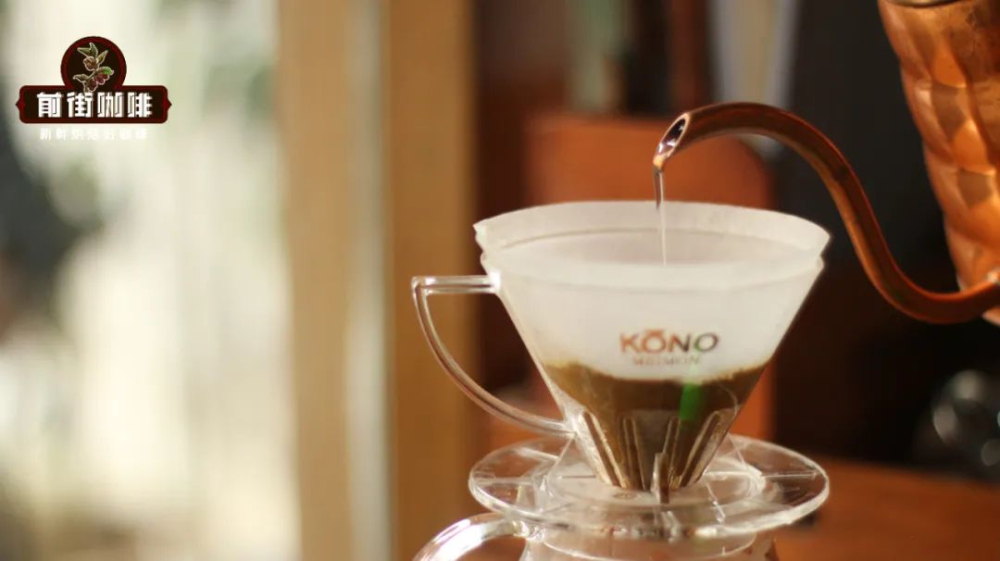
Compared with the bold style, a gentle stream disturbs the grounds less, and the water drains into the lower vessel before the level rises much. The coffee bed therefore settles mostly at the bottom of the dripper, building a thicker coffee wall—water takes longer to pass through, so the flow rate is slower. With extraction concentrated in the lower half of the dripper, the cup leans toward rounded sweetness and a rich, thick mouthfeel. The risk: muted flavors and a dry, astringent edge.
The Intuitive Style
Coffee from intuitive pourers rarely tastes consistent, because they prefer to "adjust" their pouring on gut feeling mid-brew.
Sometimes it is a compensating reflex. Brewing with three pours, if the second pour after the bloom is too gentle, fines can settle at the bottom and cause flooding—so they switch to a heavy stream to "blast" the grounds back into motion. That solves nothing and makes it worse: the final surge pushes the water level over the original coffee bed, and extraction turns uneven.
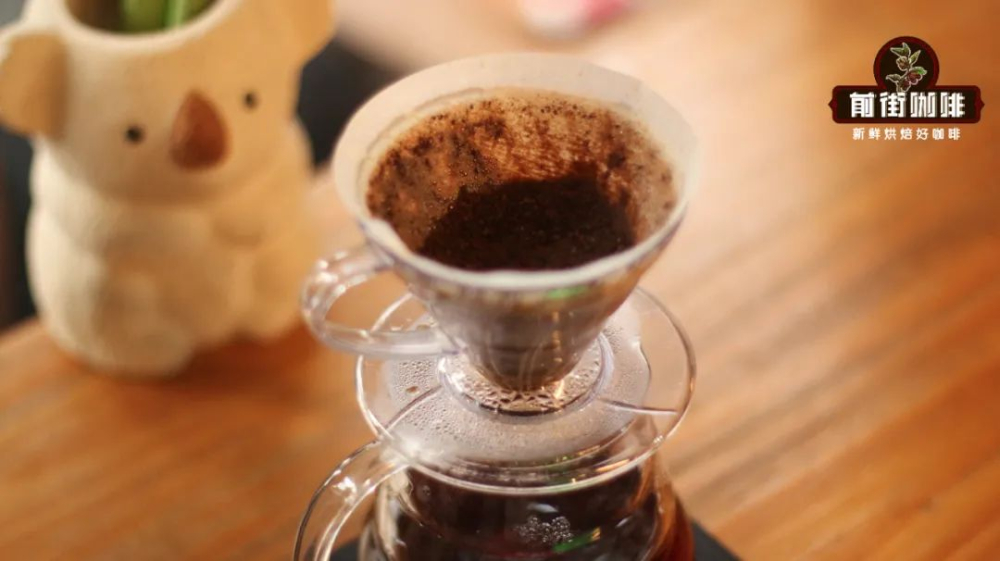
Another case is misjudged water placement. After the bloom they may use a large flow to build the coffee walls evenly—then worry that finishing with center-only pours will under-extract the grounds at the edges, and so pour directly onto the filter paper instead. All the grounds slide to the bottom. If you have this habit and your coffee consistently tastes thin, watery, and weak, your pouring technique is the culprit.
Matching Pouring Style to the Coffee
Once you know how each style shapes flavor, you can build or adjust your pouring strategy around what you actually want to taste.
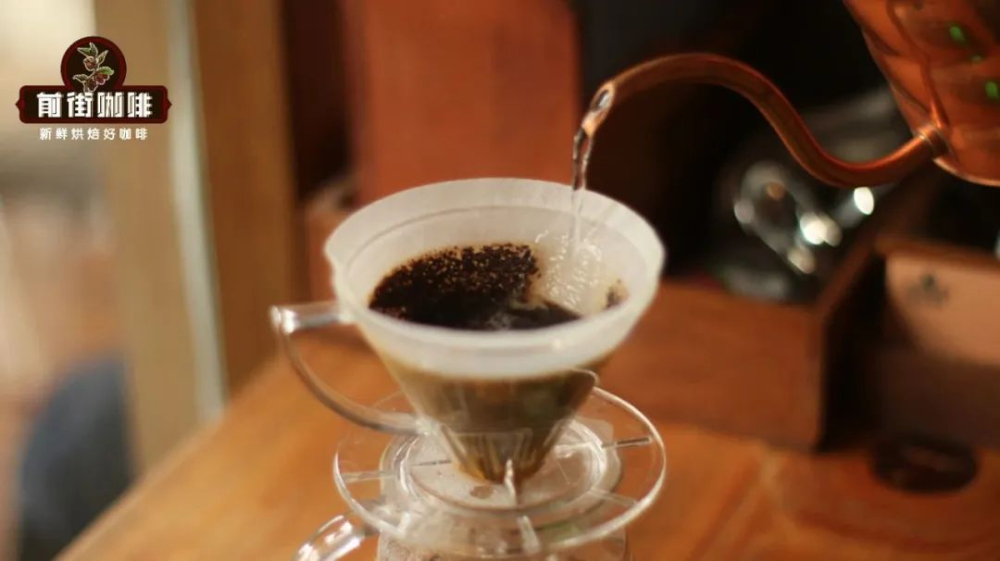
If you love light-to-medium roasts with floral and fruity notes, split the total water (excluding the bloom) into two equal portions. Pour the first with a large flow, sweeping big spirals to raise the coffee bed to two-thirds height; then switch to a small flow for the rest, keeping an even speed in small circles. This highlights acidity, sweetness, and layered complexity.
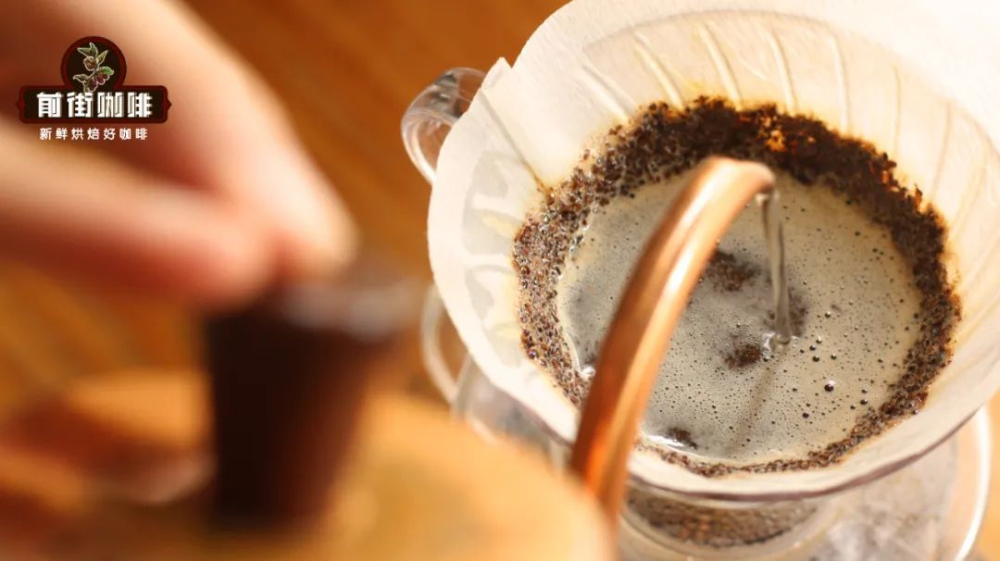
If you prefer medium-to-dark roasts with nutty and chocolate character, use a small flow throughout, pouring in coin-sized circles. That concentrates the agitation at the bottom of the cone, letting chocolate, caramel, and spice aromas unfold into a rich, solid mouthfeel.

FrontStreet Coffee Recommendation
Two brewing styles, two bean families to match—straight from the FrontStreet Coffee shelf:
FrontStreet Yirgacheffe Guodingding — Made for the bold, bright-pour style. The first stop for many in specialty coffee: vivid citrus, berry, and florals with a green-tea-like sweet finish, its acidity soft and fruit-like rather than sharp—precisely the delicate aromatics and layered complexity a light, lively pour is built to reveal.
FrontStreet Ethiopia Huakui — Another light-roast star: intense tropical fruit—strawberry, passion fruit, jackfruit, lychee—with pronounced sweetness and almost no bitterness, silky and juice-filled. Often described as "the coffee that doesn't taste like coffee," and a revelation through a V60.
FrontStreet PWN Indonesia Golden Mandheling — The companion for the conservative, small-flow style that builds chocolate, caramel, and spice. Dark roasted with very low acidity, mellow and long: herbs and dark chocolate up front, a faint earthy note, thick body, and deep sweetness—exactly the rich, solid mouthfeel that slow, gentle extraction delivers.
Important Notice :
FrontStreet Coffee is a long-established specialty coffee roaster in Guangzhou China, selling freshly roasted beans from its own farm in Yunnan as well as dozens of carefully selected single-origin beans from around the world for both pour-over and espresso. The products deliver consistently excellent quality and great value, with shipping within 24 hours. Guangzhou's FrontStreet Coffee shop is recommended by many coffee lovers, and the beans are now available online at the Tmall 。
FrontStreet Coffee has moved to a new address:
FrontStreet Coffee Address: 315,Donghua East Road,GuangZhou
Tel:020 38364473
 Scan and follow the En Gafei WeChat official account. Please indicate that the reprint comes from "En Gafei".