Introduction to the Kenya Coffee Growing Region in Africa
Kenya Coffee at a Glance
Kenya lies in eastern Africa, with the equator cutting straight through the middle of the country. It belongs to the tropical coffee belt and delivers two harvests every year, one from October to December and another from June to August. Annual rainfall ranges from 900 to 1,200 millimeters, while the highlands around Mount Kenya provide the cool, elevated conditions that coffee trees love. Kenya earned its reputation in the specialty world on the strength of its SL varieties, whose distinctive, layered berry acidity and clean sugarcane sweetness leave a lasting impression.
How Kenyan Coffee Is Graded
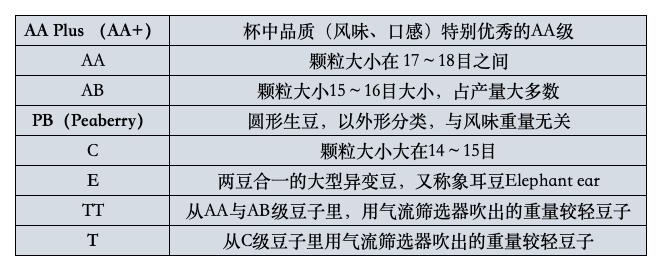
Kenya grades its coffee by bean size and quality, with precise size specifications attached to each class. The grades run AA+, AA, AB, PB, C, E, TT, and T. In the market, AA, AB, and PB are the ones you will see most often.
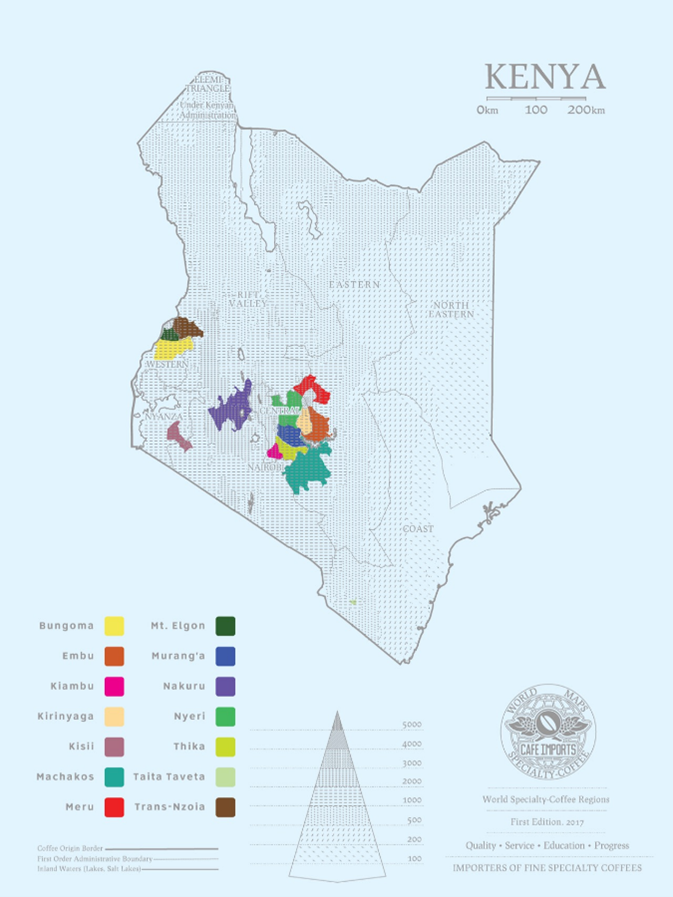
Kenya's Coffee Growing Regions
Kenya has fourteen coffee-growing regions in total: Bungoma, Embu, Kiambu, Kirinyaga, Kisii, Machakos, Meru, Mt. Elgon, Murang'a, Nakuru, Nyeri, Thika, Taita Taveta, and Trans-Nzoia. Of these, Nyeri, Kirinyaga, Murang'a, and Kiambu are the most celebrated.
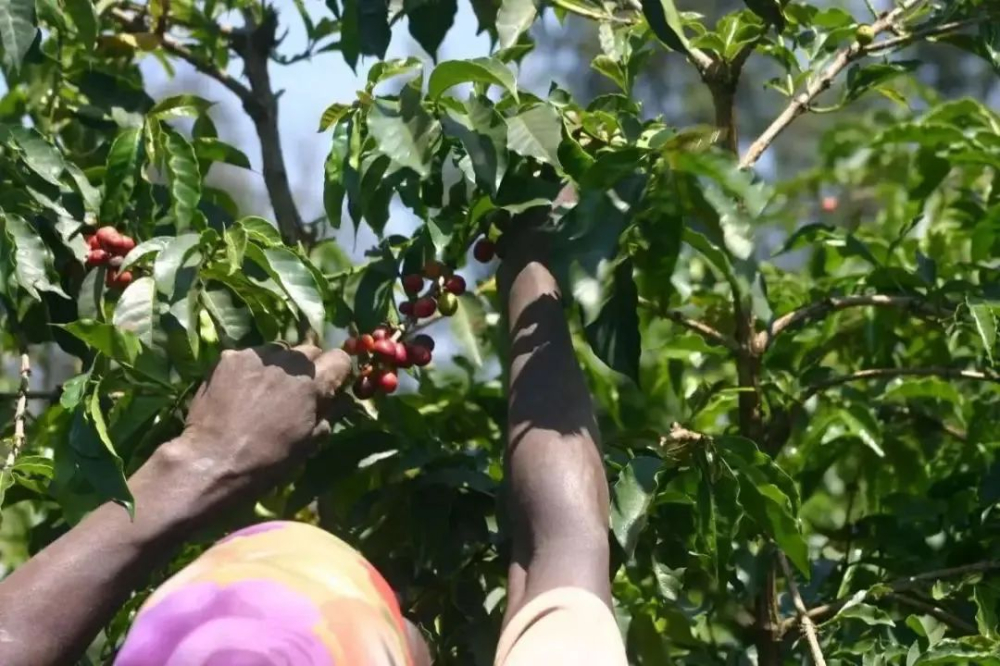
Nyeri
Nyeri sits in central Kenya, home to the dormant volcano Mount Kenya. Altitudes here range from 1,200 to 2,300 meters. The terrain is high and the soil fertile, and the region's processing infrastructure is especially well developed.
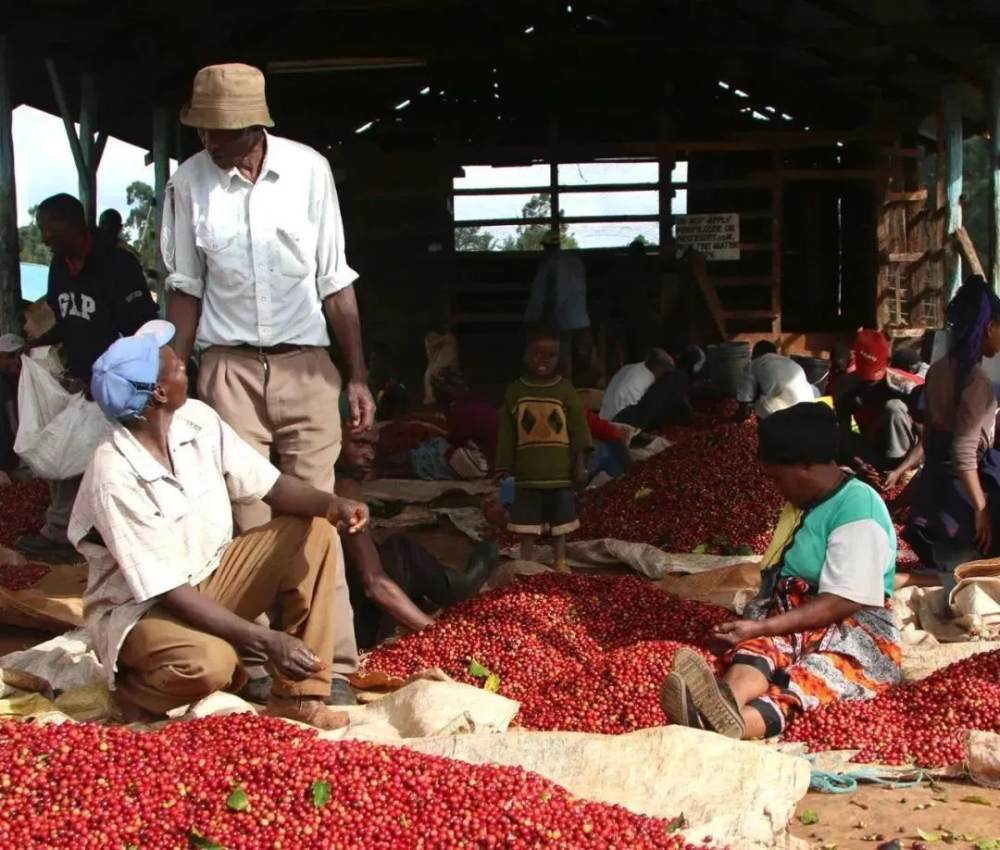
Kirinyaga
Neighboring Nyeri, Kirinyaga grows coffee between 1,300 and 1,900 meters and is recognized alongside Nyeri as one of Kenya's two finest producing regions. Most growers here are smallholders who belong to cooperatives. Those cooperatives run the washing stations where members deliver their coffee cherries for processing.
Murang'a
Part of Central Province, Murang'a also benefits from volcanic soil, with altitudes between 1,350 and 1,950 meters. Roughly 100,000 coffee farmers work in the region, and smallholders outnumber the large estates.
Kiambu
Also in central Kenya, Kiambu is dominated by large coffee estates, with altitudes of roughly 1,500 to 2,200 meters. Coffee from here is usually named after its specific origin, such as Thika, Ruiru, or Limuru. FrontStreet Coffee, for instance, sourced its Asali AA TOP beans from Thika.
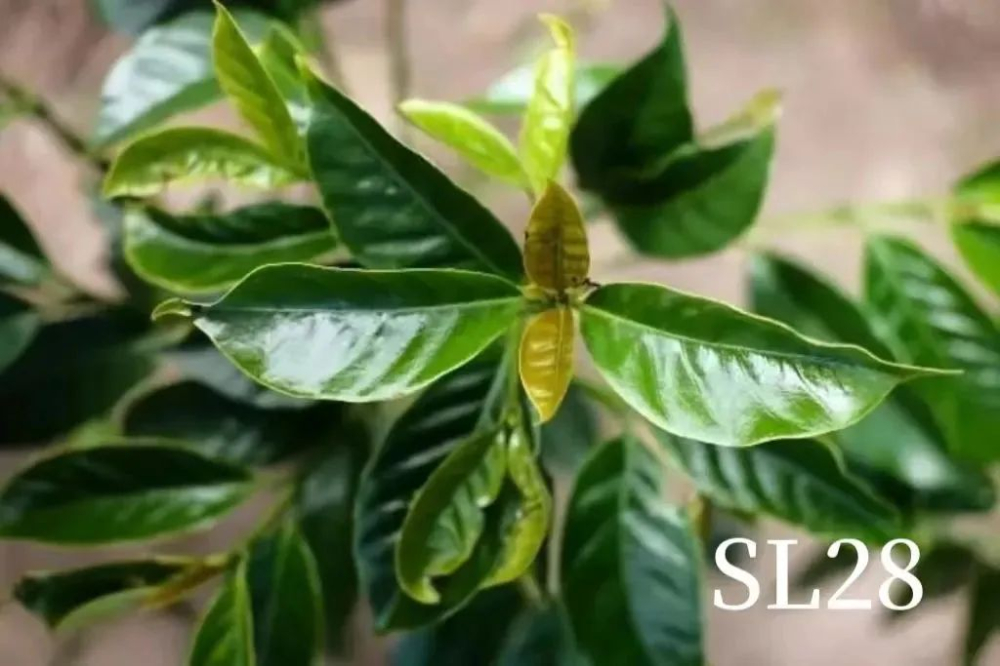
Asali is an SL28 variety processed with Kenya's refined 72-hour washed method, known as K72. It offers cherry tomato and black plum flavors, bright acidity, and a clean mouthfeel, with a brown sugar sweetness and green tea notes in the aftertaste.
Disclaimer
Some images in this article are sourced from the internet. We respect the copyright of all original content, images included, and credit sources wherever possible. Given the sheer volume of material, however, a few individual images or passages may not have been credited in time, and we ask for your understanding. Any copyright holder with concerns is welcome to contact the website, and we will make corrections as soon as a claim is verified. This article was organized and edited by "Coffee Review vdailycom"; please credit the source when reprinting. It aims to spread coffee culture. If any infringement is found, please let us know so we can remove the content. Thank you.
FrontStreet Coffee Recommendation
If Kenya's big, juicy berry acidity appeals to you, the same profile shows up beautifully in FrontStreet Kenya Small Tomato. It is a specialty washed Kenyan bean built around vivid cherry tomato and smoked plum acidity backed by full, pulpy fruit. The coffee comes from Kenya's Thika region, grown at 1,550 to 1,750 meters from the classic SL28 and SL34 varieties, with plump, rounded beans.
The processing follows Kenya's signature 72-hour double washed fermentation, which draws out the fruit while keeping the cup clean and pure. FrontStreet roasts it light to preserve that lively acidity and the layered fruit. Even the dry aroma brings concentrated dried cherry tomato and florals; in the cup you get clear cherry tomato and smoked plum, a bright, solid acidity with the fullness of fresh-pressed juice, a sweet mid-palate threaded with snow pear and black plum, and a long, clean finish of brown sugar sweetness and faint green tea. The balance of sweetness and acidity is unusually distinctive.
For a softer, more floral take on East African coffee, FrontStreet Washed Yirgacheffe and FrontStreet Ethiopia Huakui offer jasmine and citrus in the first case, and ripe tropical fruit in the second. Both are excellent starting points if you are exploring light-roasted, fruit-forward beans.
Important Notice :
FrontStreet Coffee is a long-established specialty coffee roaster in Guangzhou China, selling freshly roasted beans from its own farm in Yunnan as well as dozens of carefully selected single-origin beans from around the world for both pour-over and espresso. The products deliver consistently excellent quality and great value, with shipping within 24 hours. Guangzhou's FrontStreet Coffee shop is recommended by many coffee lovers, and the beans are now available online at the Tmall 。
FrontStreet Coffee has moved to a new address:
FrontStreet Coffee Address: 315,Donghua East Road,GuangZhou
Tel:020 38364473
 Scan and follow the En Gafei WeChat official account. Please indicate that the reprint comes from "En Gafei".