
Does Authentic Cappuccino Need Latte Art? A Guide to Making Traditional Italian Cappuccino

Cappuccino is a milk coffee that has earned a place on countless cafe menus. As coffee culture and trends have shifted around the world, the definition of cappuccino has kept changing, and the look of this classic drink has changed noticeably with it.
The Birth of the Original Cappuccino
It is hard now to pin down exactly who invented cappuccino as a drink, but the research suggests the word "Cappuccino" comes from "Kapuziner," which means "monk" in German and also names an old-style coffee.
Legend places the drink in 18th-century Viennese coffee houses. At the time coffee was drunk together with the grounds. To make it more palatable, a Polish man named Kulczycki strained the grounds out with a cloth bag, then served the coffee in a glass with honey, spices, and cream. This not only improved the taste but gave it a distinctive reddish-brown color that visually resembled the habit of the Capuchin Friars Minor, so the Viennese called it "Kapuziner."
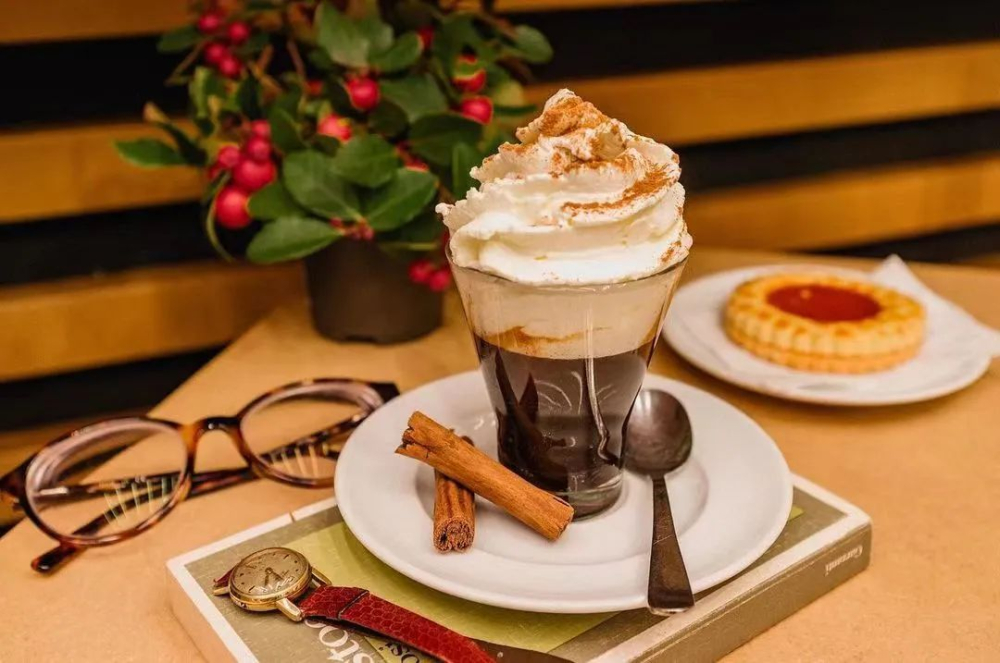
As it spread to Italy, and as pressure-driven espresso machine technology developed, Italians began replacing the cream with espresso and milk frothed into a dense foam, then shaped the foam on the coffee surface with a spoon into a peaked cap. Gradually it took on its Italian name, the Cappuccino we know today. Some theories trace it instead to the word "Capuchin," referring to the religious habit. As for its predecessor "Kapuziner," people came to prefer calling it Viennese Coffee.
The Appearance of Traditional Cappuccino
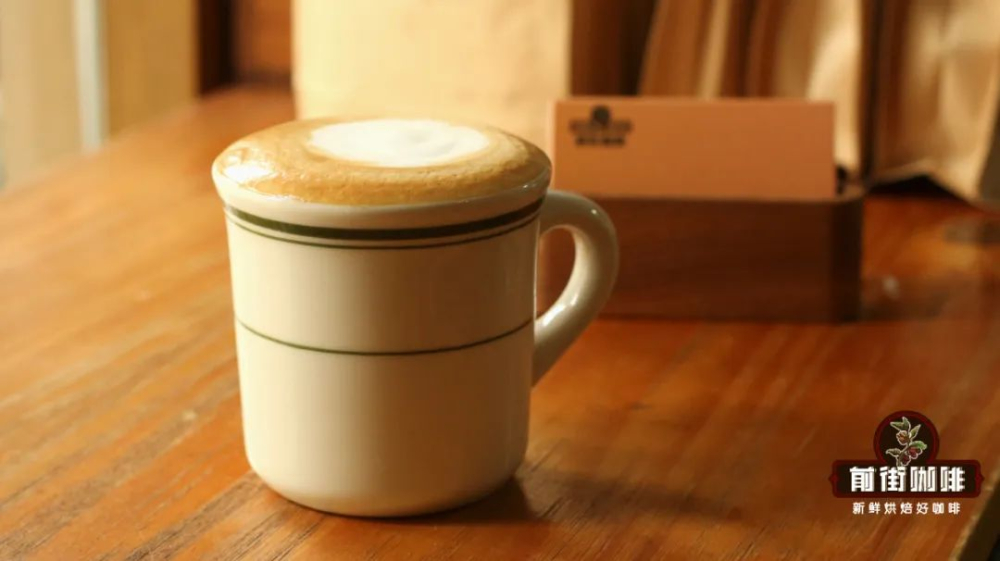
When it comes to cappuccino, the most widely accepted ratio is 1:1:1 for coffee, milk, and foam. Taking a 6-ounce cup, roughly 177ml, as an example, that means a double espresso (60ml), one-third hot milk (60ml), and foam for the remaining third. This creates a foam layer about 2.5cm thick, so the first few sips are almost all foam while the coffee underneath is very concentrated.
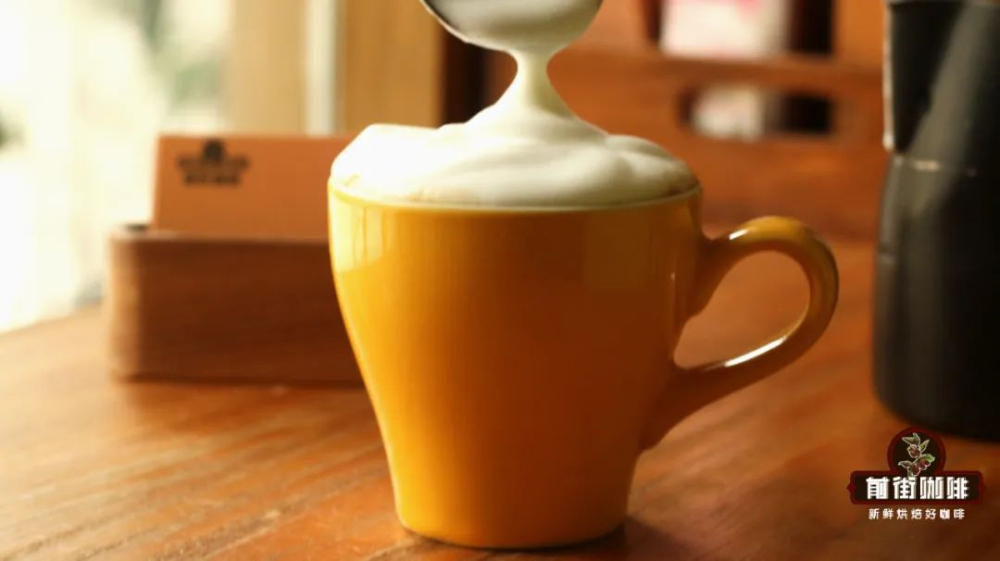
Before steam wands existed, foam could only be made by hand, and the result was fairly coarse. When cappuccino was made back then, the thick foam was first spooned into the cup until it reached eleven-tenths full, and the foam detaching from the spoon would form a small white peak. At that point the foam had a meringue-like consistency: very stable, though not well integrated with the coffee.
The "Golden Ring" of Cappuccino
With the arrival of more powerful Italian espresso machines, frothing milk with steam became possible. Steam wands not only produce dense, abundant milk foam and greatly improve efficiency, they also remove the need to scoop foam with a spoon. That is why later cappuccinos no longer carried a "little peak," replaced by a smooth, raised circular dome.
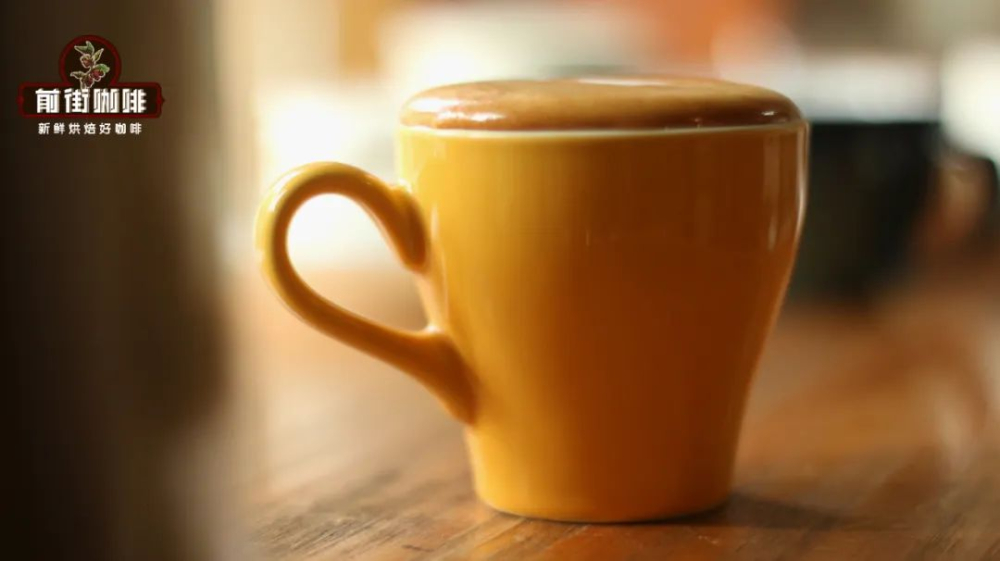
From then on, a small cup, a raised foam layer, a rich coffee flavor, and the thick, creamy texture of dense foam became the features people associated with cappuccino. Precisely because this thick foam reduced the fluidity of the steamed milk and made it hard to draw the elaborate patterns seen in lattes, some baristas adopted a central pouring method, letting the foam fall gently into the espresso and forming the iconic "golden ring."
Latte Art: Thinner Cappuccino Foam
Today, with latte art so widespread, baristas try to draw a beautiful pattern on every milk coffee, and cappuccino is no exception. To present simple designs, baristas deliberately incorporate less air when frothing, thinning the foam to improve its fluidity. And because an overfilled cup spills easily, some shops that offer takeout intentionally reduce the domed foam effect, dropping the eleven-tenths-full look as well.
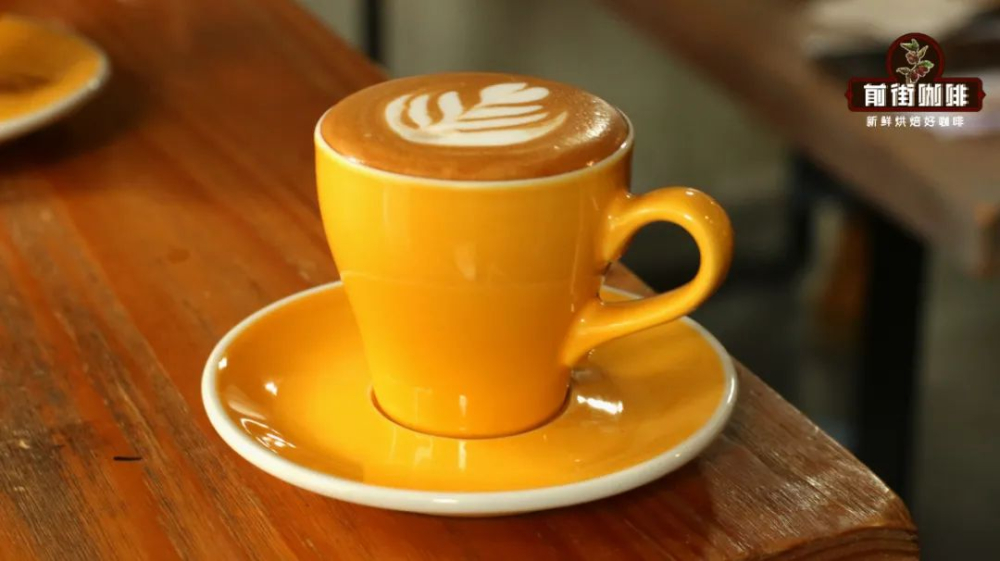
Of course, FrontStreet Coffee believes a classic cappuccino does not mean restoring an ancient recipe unconditionally. As bean quality, roast degree, extraction equipment, and public taste have changed, cappuccino has evolved along with them. Still, if those changes depart from the characteristics of a small cup, eleven-tenths full, rich coffee flavor, and the full, creamy texture of thick foam, then it may no longer be a cappuccino.
- END -
FrontStreet Coffee
10 Bao'an Qianjie, Yandun Road, Dongshankou, Yuexiu District, Guangzhou, Guangdong Province

FrontStreet Coffee Recommendation
A cappuccino lives or dies by its espresso base, so choose a blend with enough body to stand up to thick foam. FrontStreet Classic Blend is made for this. A medium-dark espresso recipe built from three origins and inspired by the old-time Mamba blend of Mandheling and Brazil, it carries a little Robusta for extra aroma and crema, giving off pronounced butter, toasted bread, and caramel biscuit notes with a strong, substantial cup and fine, stable crema.
If you prefer a nuttier, more fragrant style, FrontStreet Premium Blend pairs washed Colombian with semi-washed Brazilian coffee for classic nut, dark chocolate, and caramel flavors. Whether you use it for an Americano, a latte, a cappuccino, or a flat white, it brings out creamy, almond, and cocoa aromas, and the crema is the equal of any cafe, which makes practicing latte art with it more than easy enough.
For those planning to open a shop and needing a little more richness, FrontStreet Commercial Blend adds a small amount of Robusta to the Premium recipe, deepening the dark-brown crema and adding weight, so Americanos, lattes, and mochas all carry nut, cocoa, and caramel notes while the milk foam pours effortlessly into a pattern.
Important Notice :
FrontStreet Coffee is a long-established specialty coffee roaster in Guangzhou China, selling freshly roasted beans from its own farm in Yunnan as well as dozens of carefully selected single-origin beans from around the world for both pour-over and espresso. The products deliver consistently excellent quality and great value, with shipping within 24 hours. Guangzhou's FrontStreet Coffee shop is recommended by many coffee lovers, and the beans are now available online at the Tmall 。
FrontStreet Coffee has moved to a new address:
FrontStreet Coffee Address: 315,Donghua East Road,GuangZhou
Tel:020 38364473
 Scan and follow the En Gafei WeChat official account. Please indicate that the reprint comes from "En Gafei".

