
Why Isn't My Homemade Latte as Delicious as the One at the Café? How to Make an Authentic Italian Latte?
"Boss, why don't my homemade lattes taste as good as the ones in your shop? Do you have a secret recipe you are not telling us?" This is a conversation many customers have after trying the lattes sold at FrontStreet Coffee's storefront.
To be honest, latte coffee does not have many key points. You just need to pay attention to a tiny bit of detail, and it can double the deliciousness. So today, FrontStreet Coffee will share how to make delicious lattes at home that taste just like the ones from the shop.
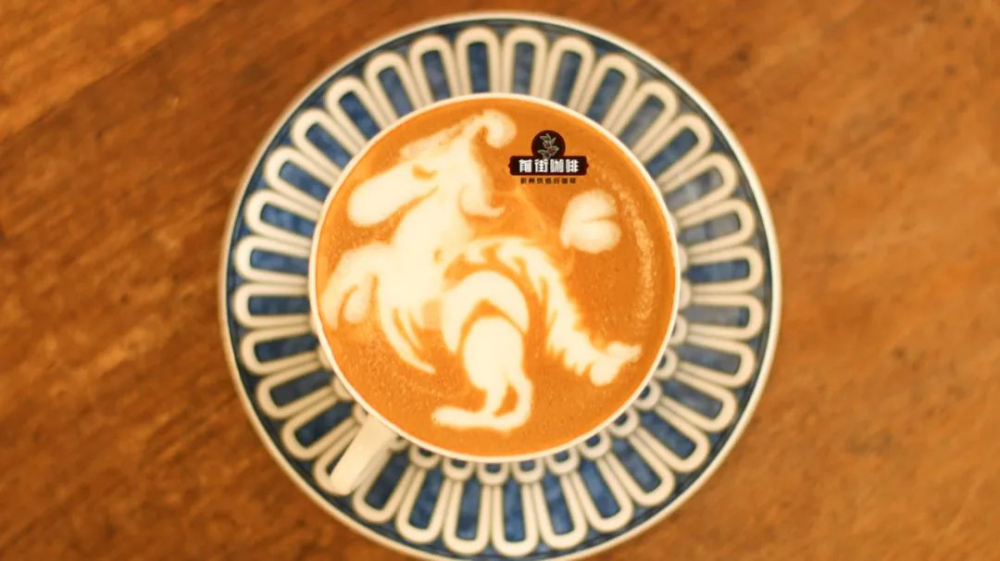
Material Details
1. Coffee Bean Selection
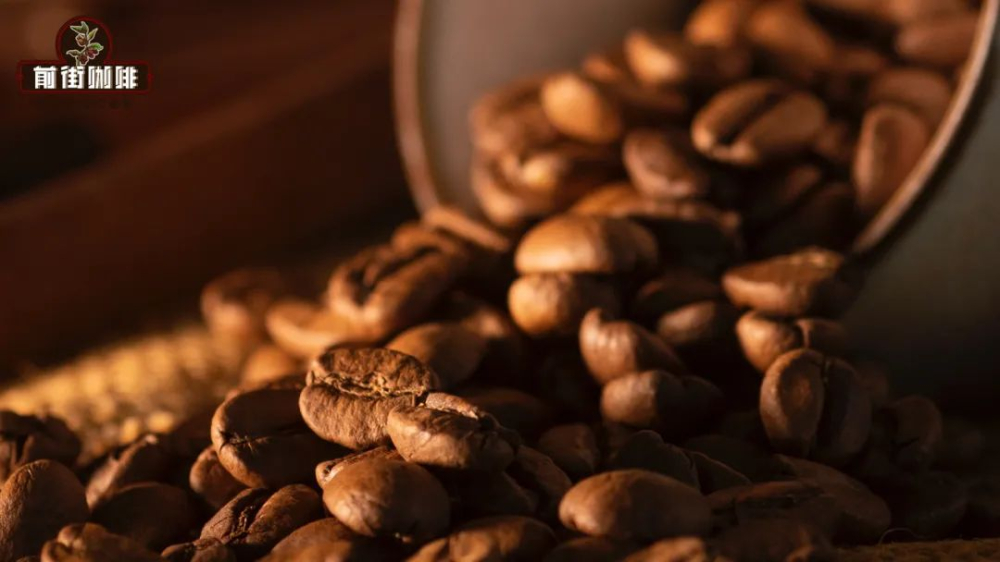
Coffee beans are the primary controller of latte flavor. The roast and flavor profile of a bean determine what kind of latte you get. Generally, FrontStreet Coffee recommends beans roasted medium or darker for making lattes, because a latte uses quite a lot of milk, and beans roasted below medium will not have flavors as prominent and distinct as medium-dark or dark roast beans, making it hard to compete with large amounts of milk and easy to be overpowered by the milk flavor. For coffees with more milk like lattes, medium-dark and dark roast beans are more suitable.
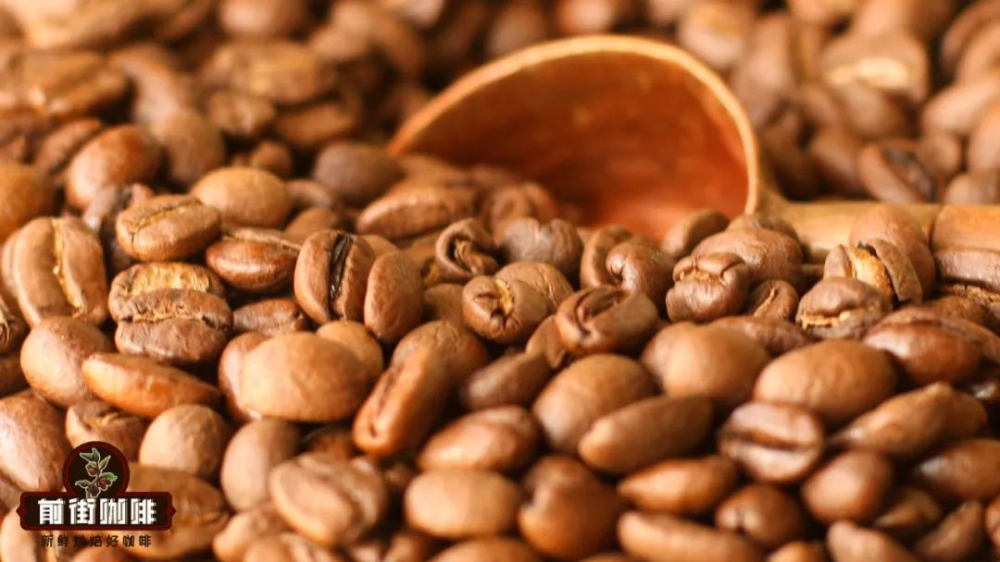
Take FrontStreet Coffee's latte flavor, which many customers praise. A big reason is the use of the medium-dark roasted Warm Sun Blend. Lattes made with it have flavors of butter cookies, vanilla, chocolate, and a slight whiskey aroma.
2. Milk Selection
Once you have chosen your beans, the second important ingredient is milk. There are many types of milk on the market, but there might be only one that perfectly pairs with your chosen beans.
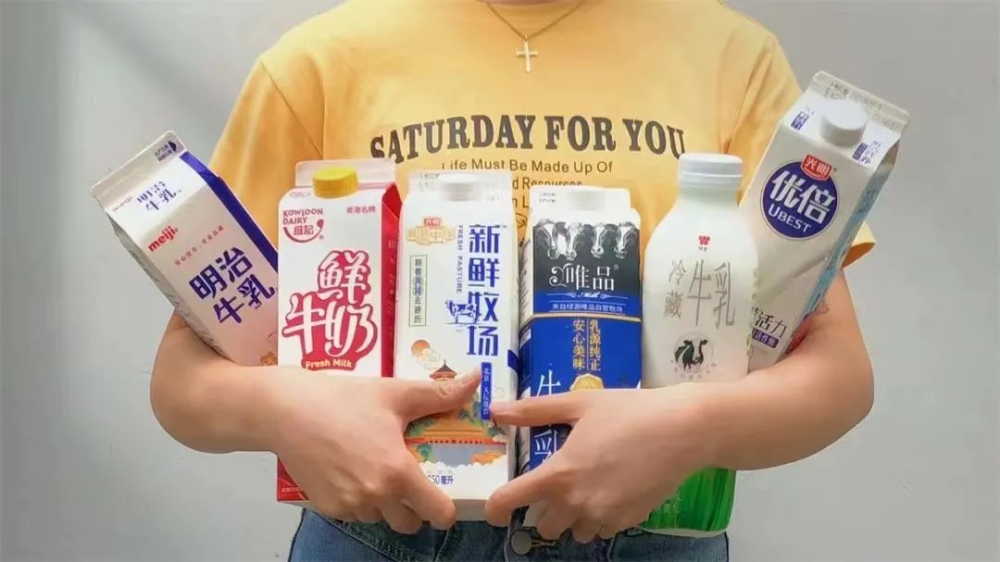
For example, "Milk A" has a relatively rich, prominent milk flavor. Paired with a dark roast bean, it makes a very aromatic, rich latte in which the milk and coffee complement each other without masking one another. But if Milk A is used with a medium-dark roast bean, it will overpower the coffee flavor, dominating completely and causing an imbalance that tastes like coffee-flavored milk.
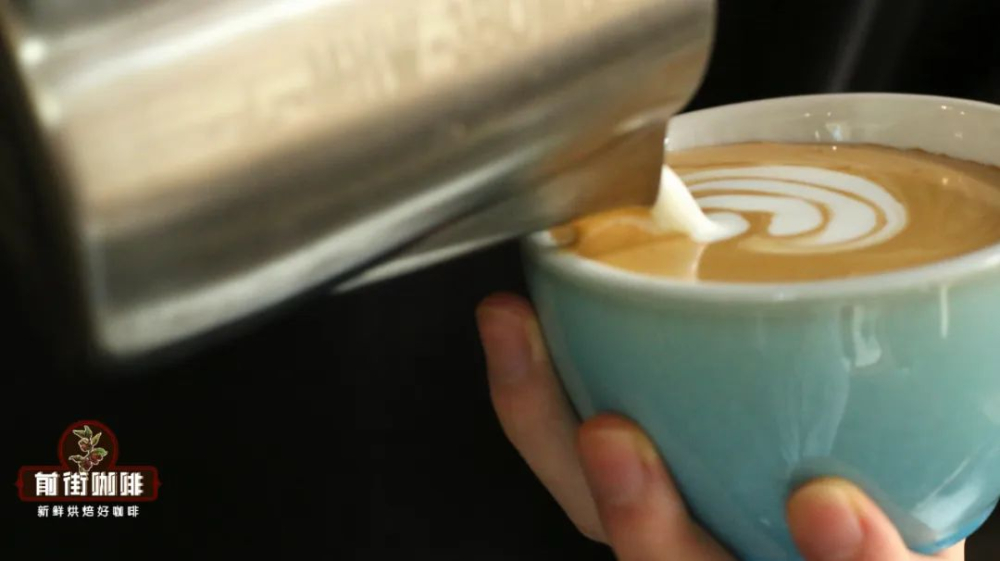
Another example: "Milk B" is a milk with a lighter milk flavor but higher sweetness. Paired with a medium-dark roast bean, it makes a latte with a clean taste and extremely high sweetness. But with dark roast beans, its milk flavor not only fails to balance the coffee but is instead suppressed, turning it into a bitter, watery latte, since a thin flavor reads as watery. So milk selection really matters. You can check out the article "Common Milk for Lattes on the Market" to see what is available near you, then buy some to try at home. You can skip the experimental comparisons in that article, since they were only made using FrontStreet Coffee's Warm Sun Blend and will not apply to different beans.
Operational Details
Many friends think it is because their home machines are cheaper, referring to coffee machines, that their espresso is not good, leading to lattes that do not taste great. In fact, this is nothing to worry about too much.
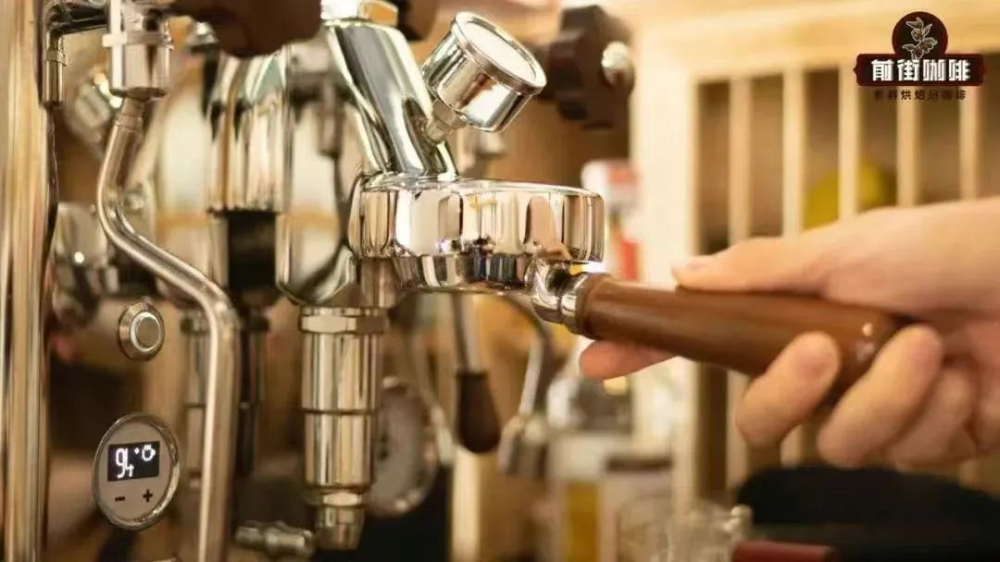
As mentioned earlier, coffee flavor is mainly controlled by the beans. Coffee machines at different price points do differ, but those differences concentrate on specific features, such as pre-infusion, powerful steam, adjustable water temperature and pressure, or designs for continuous, fast, and stable production. As long as we operate and adjust properly, with extraction free of abnormalities like insufficient pressure or channeling, even home machines costing a few thousand yuan can produce espresso bases similar to those from shop machines costing tens of thousands. You can follow the extraction formula commonly used in mainstream coffee shops: a 1:2 coffee-to-liquid ratio, with extraction time controlled between 25 and 35 seconds to reach the target liquid volume.
Milk Frothing
Although you are making lattes for yourself, some friends still have high standards for texture. Fine, delicate milk foam integrates better with coffee, resulting in an exceptionally textured latte. So you can check out the article "Fine Milk Frothing Tutorial" to learn how to create fine milk foam.
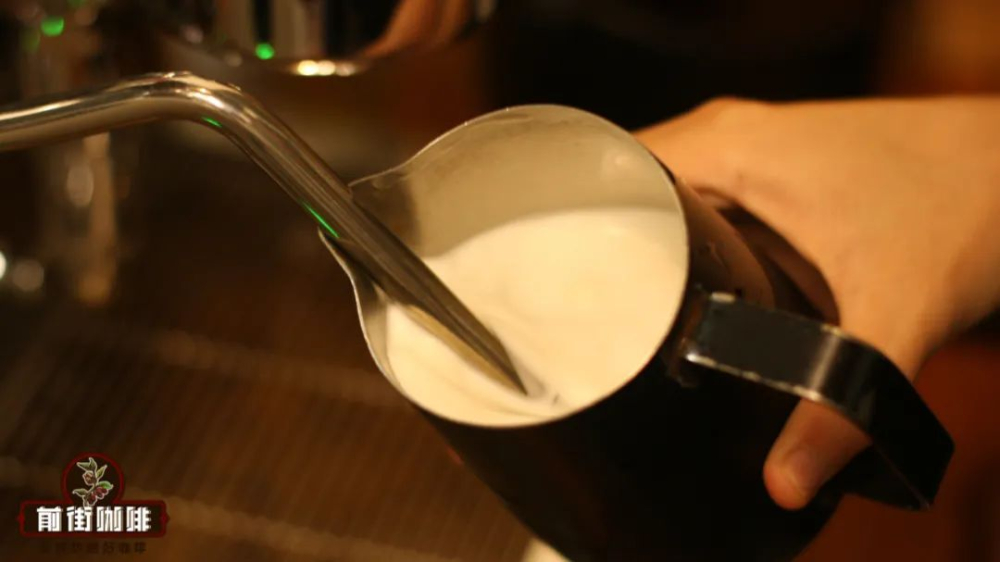
The reason FrontStreet Coffee does not elaborate here is that homemade lattes mainly focus on flavor. Besides those pursuing perfection, many people do not necessarily need milk foam to improve the texture, or they drink iced lattes. So as long as you use any heat source to heat the milk to 65°C plus or minus 2°C, pour it into the espresso, stir well, and you can start drinking. Simple and convenient, which is delightful.
So what is the ratio of espresso to milk? FrontStreet Coffee's standard ratio is 1:5, meaning 40ml espresso to 200ml milk. But for lattes you make for yourself, you do not need to follow any recommendation from the internet. Everyone's taste is different, and although lattes emphasize balance between milk and coffee, if that balance does not suit you, why pursue the standard? You can adjust freely to find the ratio you prefer.
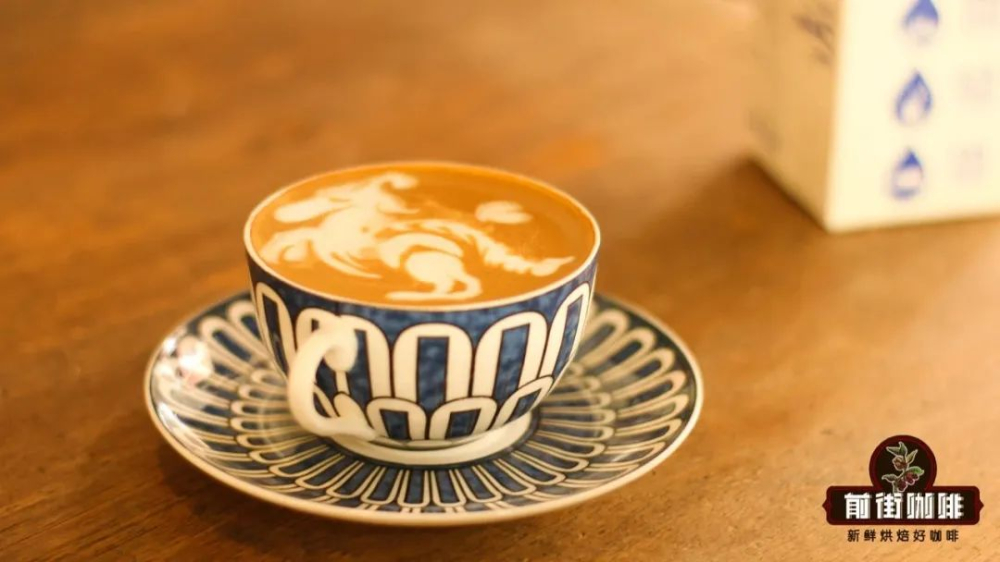
Just as FrontStreet Coffee's colleagues do when making lattes for themselves, those who prefer a lower coffee concentration use a 1:6 ratio, while those who prefer a higher coffee concentration use a 1:4 ratio. The general principle is that more milk reduces the coffee flavor, and less milk makes the coffee flavor more prominent, more bitter. So as long as you understand the points above, you can experiment and create delicious lattes at home that suit your own taste.
- END -
FrontStreet Coffee Recommendation
For a latte, the bean does most of the work, and an espresso blend is the natural choice. FrontStreet Coffee's Classic Blend is the first pick: designed for espresso brewing and the Moka pot, its greatest strength is an exceptional crema. Even a beginner using an unprofessional home machine can pull a dense, silky crema with ease, and the lattes, cappuccinos, and Dirty coffees we drink daily all depend on good crema. Using the traditional Mamba recipe, it tastes mellow and warm, easy for both seasoned drinkers and newcomers to accept.
If you want a nuttier cup, FrontStreet Coffee's Premium Blend is the go-to for a rich nut-and-dark-chocolate style. Pairing washed Colombian beans with semi-washed Brazilian beans, it shows nuts, dark chocolate, and caramel as espresso, and whether you make an Americano, a latte, or a flat white, it brings forward the smooth aromas of cream, almond, and cocoa with a body every bit as good as a cafe's. The Dark Cocoa Blend is a 100 percent Arabica option with plenty of crema, a full body, and a friendly price, ideal for those watching costs, while FrontStreet Coffee's Commercial Blend is a classic commercial recipe that balances taste and cost.
If you prefer a fruity note with milk, FrontStreet Coffee's Strawberry Candy Blend draws on the native flavors of Arabicas from different regions to recreate a vivid strawberry-fudge sweetness, suitable for everyday home drinking and for coffee shops alike. For a low-acid, full-bodied milk coffee from a single origin, the Brazil Queen Estate is well balanced with nut and cocoa aromas and a clear caramel sweetness, and the Sumatra wet-hulled Mandheling brings a deep, earthy, herbal character with dark chocolate and caramel notes in a long, full body.
Important Notice :
FrontStreet Coffee is a long-established specialty coffee roaster in Guangzhou China, selling freshly roasted beans from its own farm in Yunnan as well as dozens of carefully selected single-origin beans from around the world for both pour-over and espresso. The products deliver consistently excellent quality and great value, with shipping within 24 hours. Guangzhou's FrontStreet Coffee shop is recommended by many coffee lovers, and the beans are now available online at the Tmall 。
FrontStreet Coffee has moved to a new address:
FrontStreet Coffee Address: 315,Donghua East Road,GuangZhou
Tel:020 38364473
 Scan and follow the En Gafei WeChat official account. Please indicate that the reprint comes from "En Gafei".

