
Why Can't Coffee Made with a Moka Pot Be Called Mocha Coffee? How to Make Mocha Coffee?
"Mocha" turns up often in FrontStreet Coffee's articles. Whether the subject is coffee history, coffee equipment or coffee preparation, it tends to appear, most notably in three forms: the Moka Pot as equipment, Mocha coffee beans as beans, and the popular Italian-style drink we now call mocha coffee.
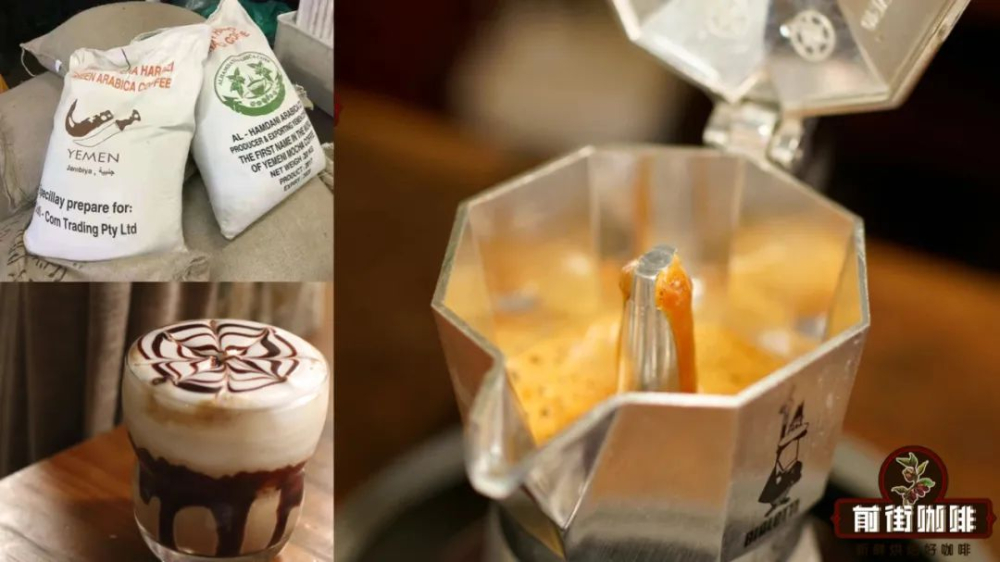
That naturally raises a question: why do all of them carry the name mocha, and what connections exist between them? Can coffee made with a Moka Pot be called mocha coffee? Today FrontStreet Coffee unpacks the relationships among these "mocha" items.
Mocha
As mentioned, all three revolve around the word mocha, which easily invites literal associations. For example: the device used to extract mocha coffee beans is the Moka Pot, and coffee extracted from mocha beans or a Moka Pot must be mocha coffee. Obviously, that is only the surface.
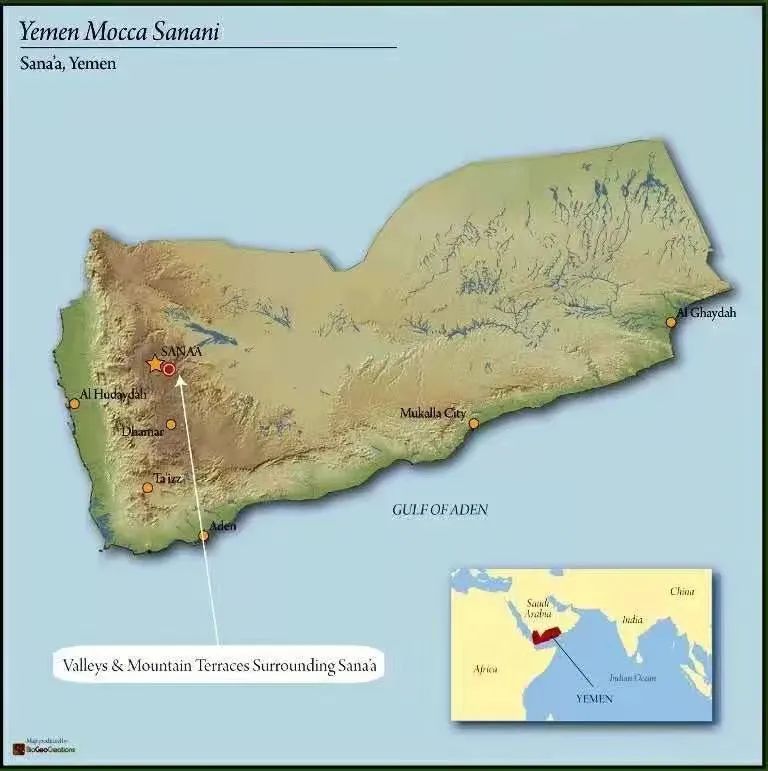
The term actually comes from a port city in Yemen: Mocha Port. For more than 300 years beginning in the 15th century, it was an extremely important port, with a status rather like what Shanghai Port represents to us today. Nearly all goods that required sea transport passed through it. So in the beginning, mocha was a place name.
Mocha Coffee Beans
The most famous item traded through Mocha Port was coffee beans. It is important to note, though, that Mocha did not grow coffee, the port being in Yemen rather than the beans' origin. After coffee exported via Mocha Port reached various European countries, its distinctive rich chocolate flavor captivated and addicted the European nobility. At the time people did not know where the beans actually came from, only that they were exported through Mocha Port. So Europeans began calling coffee beans shipped from Mocha Port "mocha coffee."
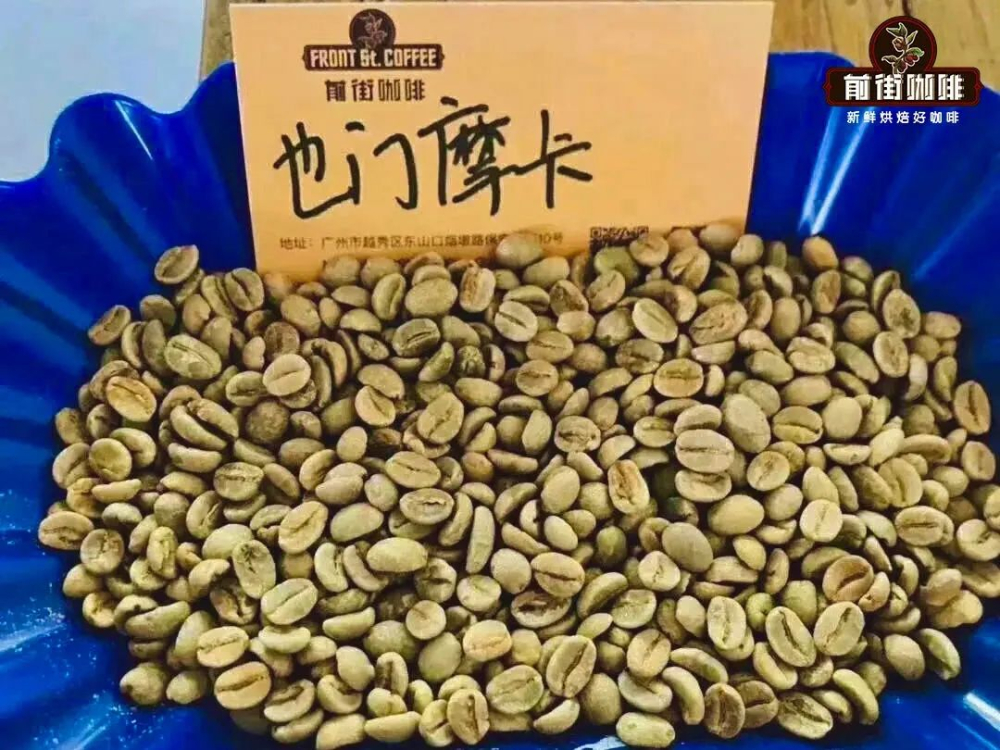
Once the beans became wildly popular, all coffee exported via Mocha Port was stamped "MOCHA" to prove it was genuine coffee shipped from there. At that point, when people said mocha, they more often thought of coffee beans than of the port.
Mocha Coffee
From the 18th century onward, an Italian wave swept the world. European countries began establishing their own coffee plantations, and trade no longer had to pass through Mocha Port. Mocha lost its monopoly in the coffee world completely. Then, decades later, the Ottoman Empire occupied Yemen and the export volume of Mocha coffee beans fell sharply, making it hard for Europeans to enjoy mocha coffee with its rich chocolate flavor.
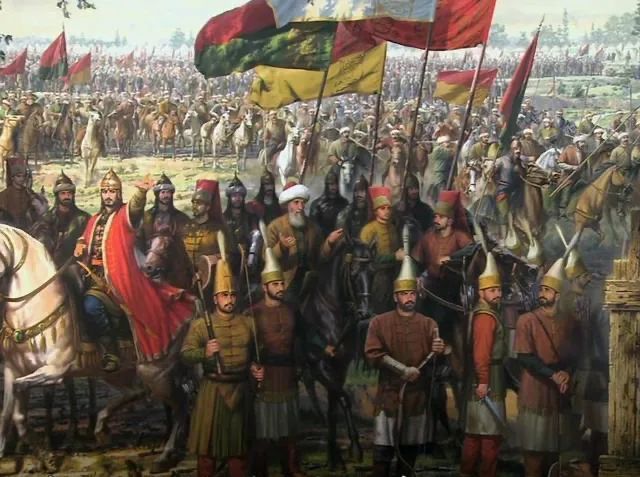
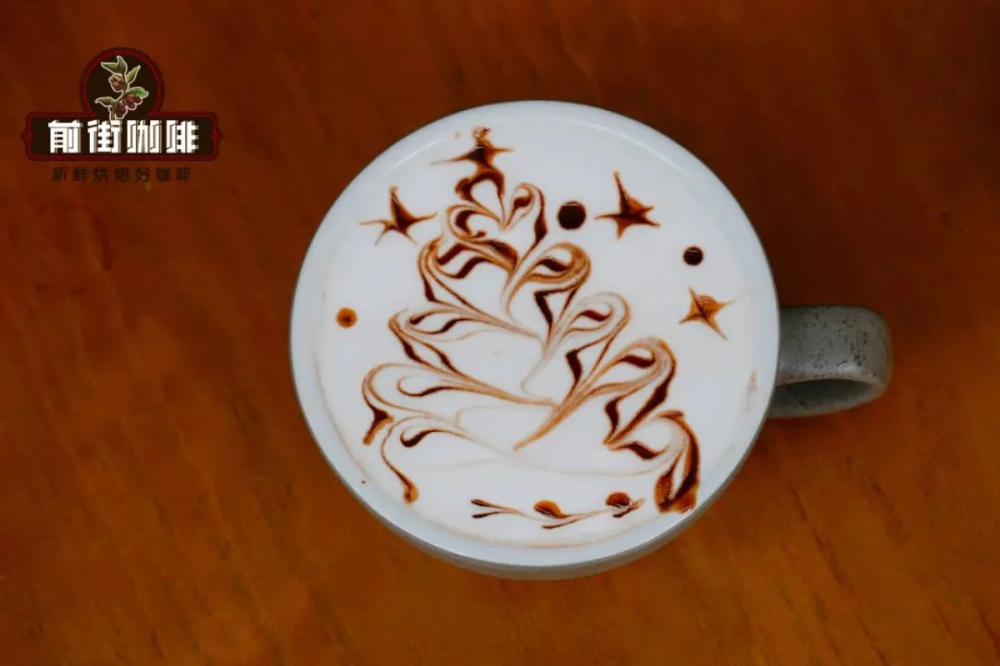
At the time, mocha coffee beans held a status in people's minds comparable to how Geisha is viewed today: delicious but rare and hard to get. So, in the era when Italian-style coffee prevailed, people began using chocolate syrup to imitate the chocolate flavor of mocha coffee beans, creating the mocha coffee we know today. At this point, mocha coffee no longer referred to beans but to a chocolate-flavored Italian-style drink.
Moka Pot
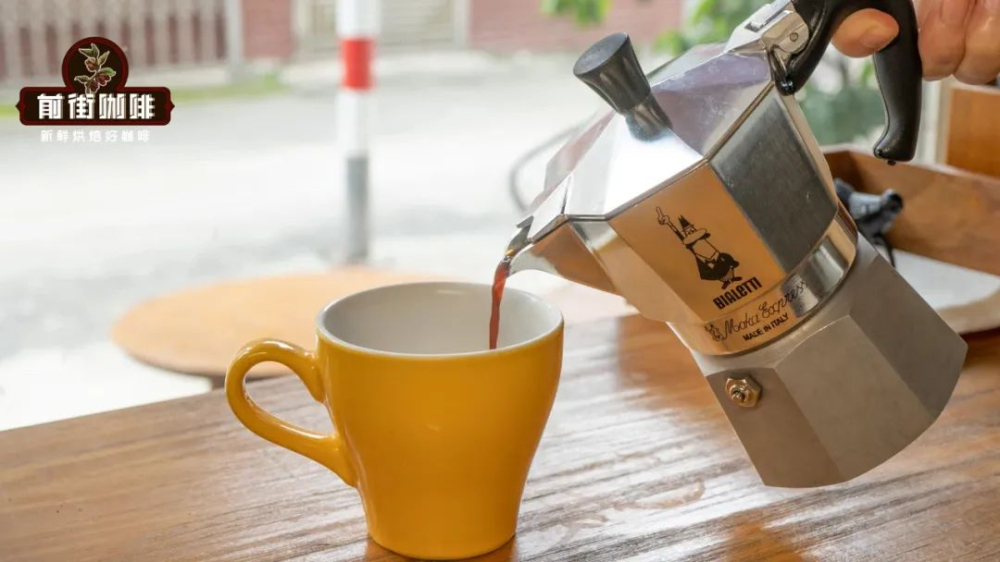
The Moka Pot, or Moka Express, neither comes from Mocha, nor is it a device for making chocolate-flavored coffee, nor was it designed specifically to extract mocha coffee beans. It was created by Italy's Alfonso Bialetti, inspired by washing machines. Rationally speaking, then, it is quite different from the mocha-related items above: apart from carrying mocha in its name, it has no connection to Mocha whatsoever.
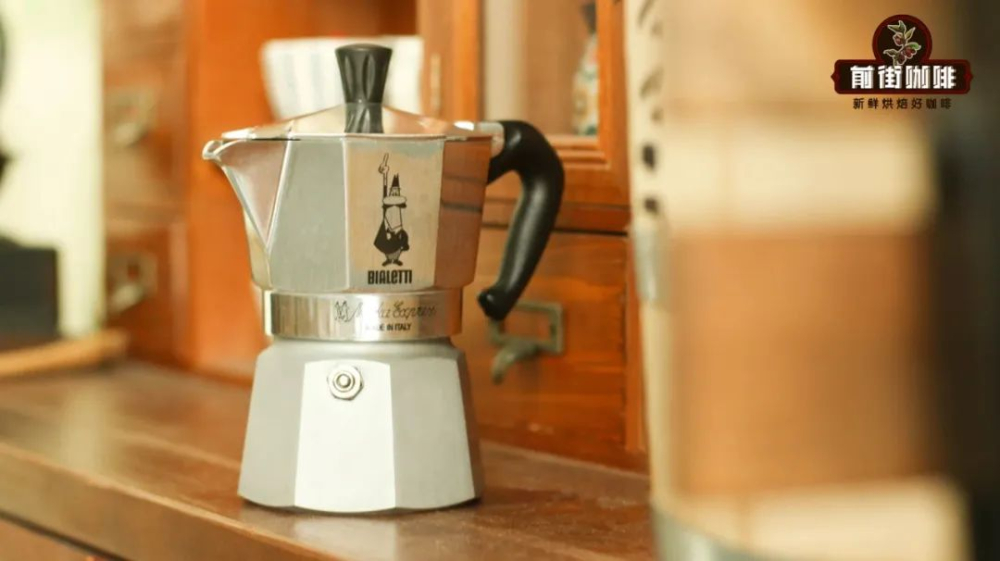
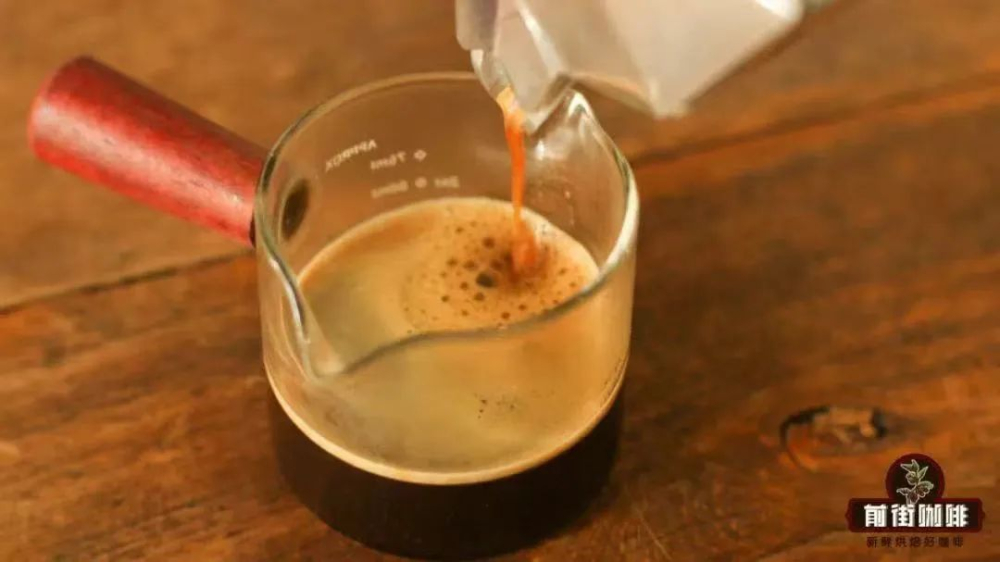
Earlier washing machines had a metal tube whose function was to draw detergent up from the bottom by heating it and sprinkle it onto the clothes. Alfonso Bialetti drew inspiration from this and invented the Moka Pot in 1933, using pressure to extract coffee quickly. It spread extremely fast, because people no longer needed to get coffee from cafe machines running at 9bar; they could use this compact, convenient pot to make coffee similar to an espresso machine's at home.
As for why the Moka Pot was named as it was, the most common explanation is the one above: the first coffee beans people in Venice received came from Mocha, and the word mocha printed on the sacks made them think all coffee, meaning coffee beans, came from Mocha. Mocha thus became a local synonym for coffee, and the association persisted into the 20th century. That is why the English name is Moka Express, where Moka, or mocha, means coffee and Express means fast, together meaning "get coffee quickly."
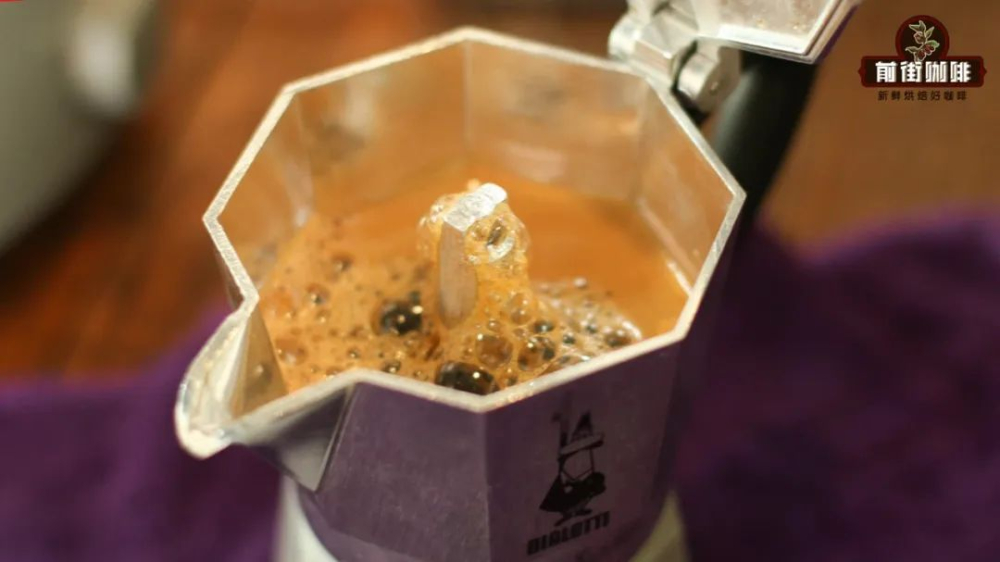
Coffee made with a Moka Pot can certainly be called Moka Pot coffee, since that is what made it. What it produces, however, is not mocha coffee: in the past mocha coffee meant chocolate-flavored coffee beans exported from Mocha, while today's mocha coffee is a chocolate-flavored milk coffee made by combining espresso machine output with chocolate syrup. The concepts behind these "mochas" are quite different, so it helps to keep them clear.
- END -

FrontStreet Coffee Recommendation
For the Moka Pot, a blend is usually the simplest route, and crema is where the brewer shows off. FrontStreet Classic Blend is made precisely for espresso and the Moka pot, and its greatest strength is an outstanding crema: even a beginner using an ordinary home machine can pull a dense, fine foam. That is the same crema that makes a latte, cappuccino or Dirty what it is, and built on the traditional Mamba recipe it tastes rich and mellow, welcoming to both veterans and newcomers, at home or in a shop.
Not everyone chases maximum crema. For beginners, or owners watching costs, taste and price matter most, and FrontStreet Dark Cocoa Blend meets that brief: 100 percent Arabica with ample crema, a full body and a friendly price, balancing quality and value. FrontStreet Autumn Chestnut Blend is a 100 percent Arabica blend of Honduran Caturra and Papua New Guinea Typica in a balanced style, opening with roasted-chestnut nuttiness and caramel or brown-sugar sweetness, mellow chocolate and round acidity in the middle, and a clean, lingering finish of nut, cocoa and a faint spice.
The Moka pot also does well with single origins. FrontStreet PWN Golden Mandheling is deep roasted, low in acidity and long and full in the mouth, packed with herbal and dark-chocolate aroma and a faint earthy note for those who like a bold, non-acidic cup. FrontStreet Queen Estate is low-acid and balanced, rich in nut and cocoa aroma with clear caramel sweetness, smooth rather than astringent whether brewed as pourover, espresso or Moka pot. FrontStreet Papua New Guinea Bird of Paradise is another non-acidic option, a Typica grown at 1600 to 1800 meters in volcanic soil on the Sigri estate, AA grade with a three-times-washed process for a clean, pure cup with standout sweetness.
Important Notice :
FrontStreet Coffee is a long-established specialty coffee roaster in Guangzhou China, selling freshly roasted beans from its own farm in Yunnan as well as dozens of carefully selected single-origin beans from around the world for both pour-over and espresso. The products deliver consistently excellent quality and great value, with shipping within 24 hours. Guangzhou's FrontStreet Coffee shop is recommended by many coffee lovers, and the beans are now available online at the Tmall 。
FrontStreet Coffee has moved to a new address:
FrontStreet Coffee Address: 315,Donghua East Road,GuangZhou
Tel:020 38364473
 Scan and follow the En Gafei WeChat official account. Please indicate that the reprint comes from "En Gafei".

