
Why Do Coffee Beans Have Genders? What's the Difference Between Arabica Peaberries and Flat Beans?
Do Coffee Beans Really Have Male and Female Varieties?
When you read about coffee online, you have probably run into articles claiming that "coffee beans have male and female distinctions." We all know that a regular coffee cherry usually holds two green coffee beans. But could those two beans inside the same fruit actually have different characteristics?
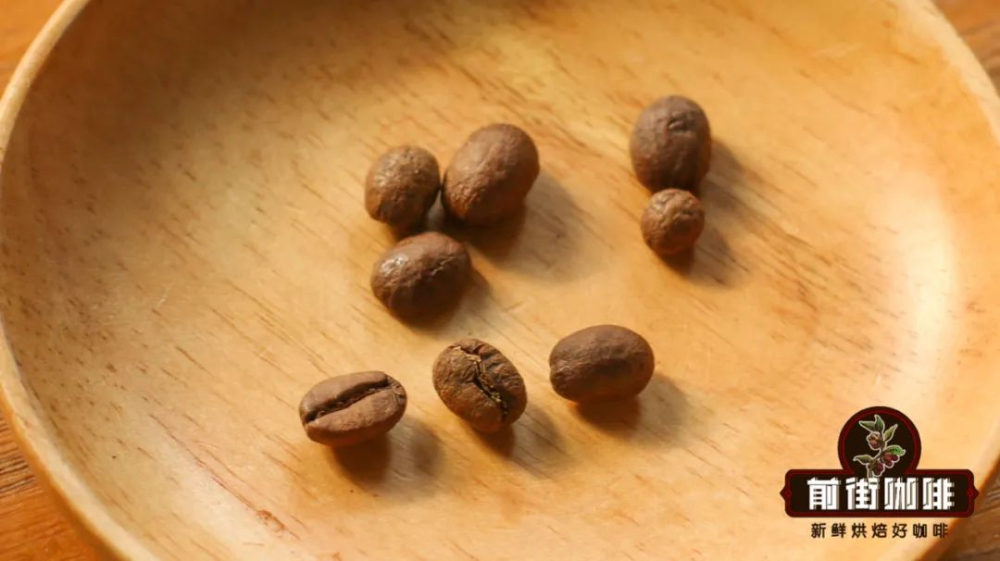
Where Does the "Male-Female Distinction" Theory Come From?
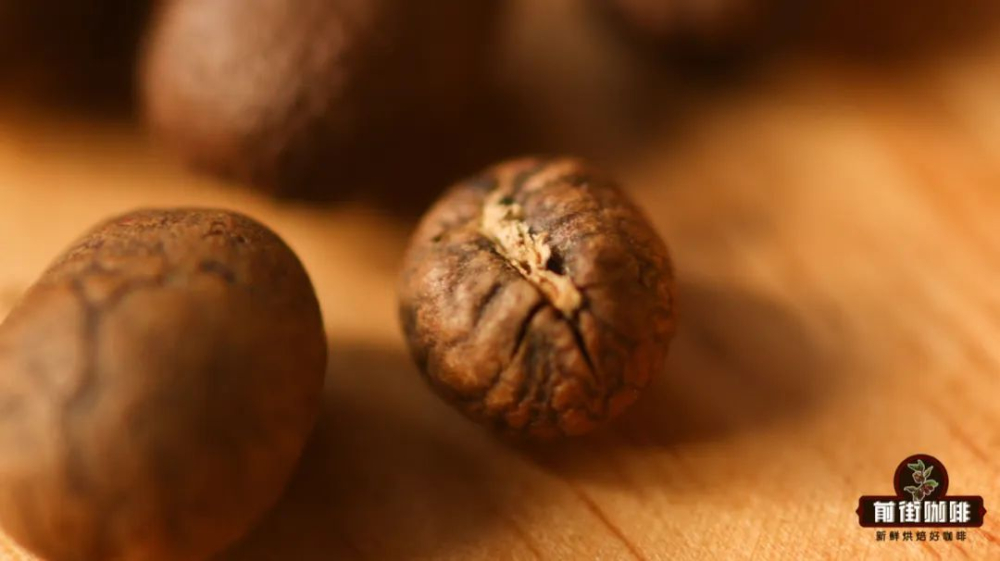
Take a look at the difference between the two beans in the image below.
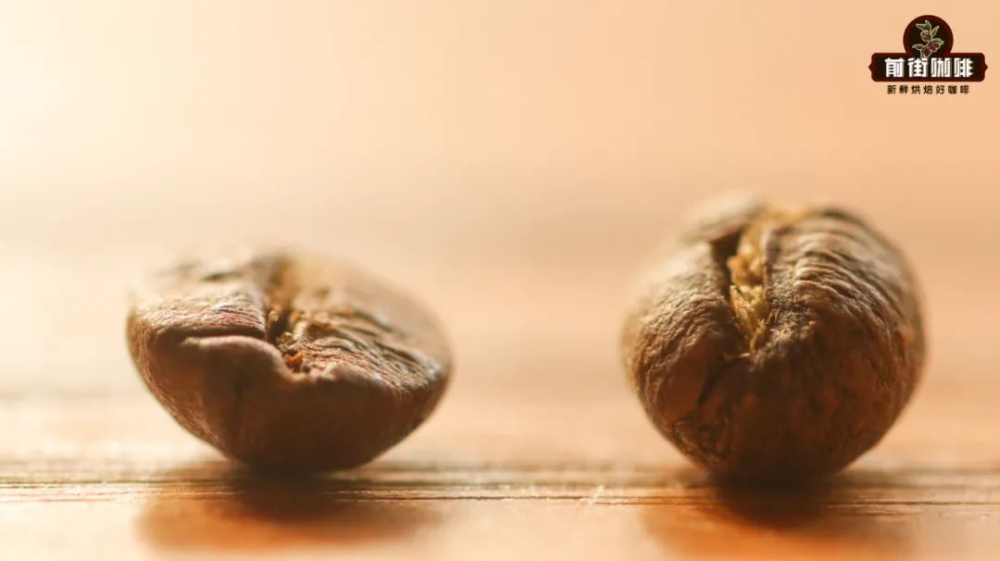
The oval bean on the right is what proponents of the theory call a "male bean," while the flat bean on the left is called a "female bean." In reality, there is no such thing as male and female coffee beans. The widely circulated "male and female bean" theory came from Southeast Asian merchants who noticed two differently shaped beans within coffee lots, not two different types from the same cherry.
To sell these so-called "male beans" at higher prices, those merchants fabricated a story, claiming that "male beans are extremely rare, accounting for only 5% of total beans," to justify the premium. Coffee beans do not have male-female distinctions, and the two different shapes do not come from the same cherry, though they do come from the same tree. As it happens, that 5% rarity figure is accurate.
The Science Behind Peaberry Formation
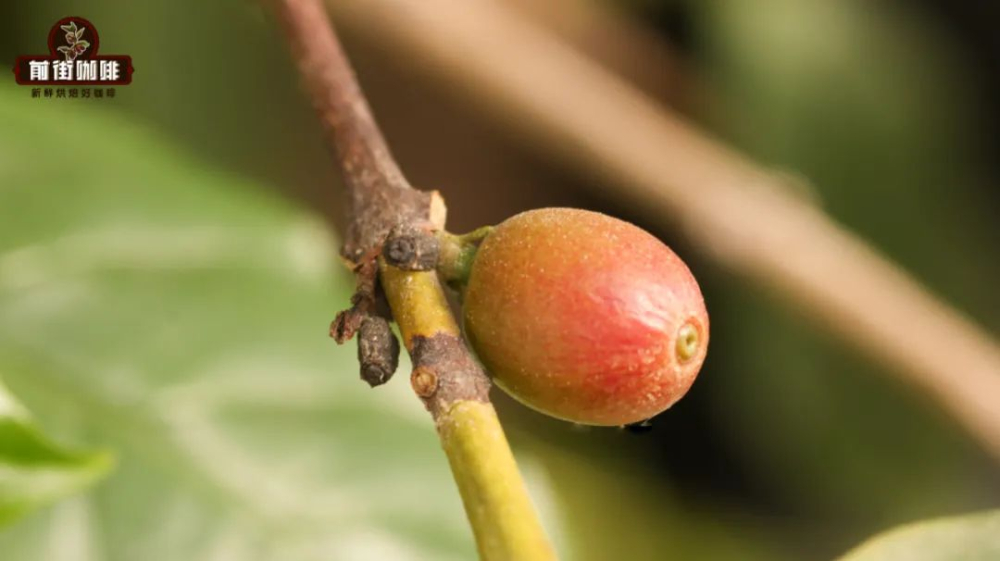
Typically, one coffee cherry produces two green beans that grow flat against each other. Sometimes, however, a coffee tree produces a cherry containing only a single bean. This is mainly caused by environmental factors or genetic influences, where one ovule within the fruit fails to be pollinated. The remaining ovule then has abundant growing space and can develop more roundly than a bean that shares the fruit with another embryo, producing an oval bean with no flat surface.
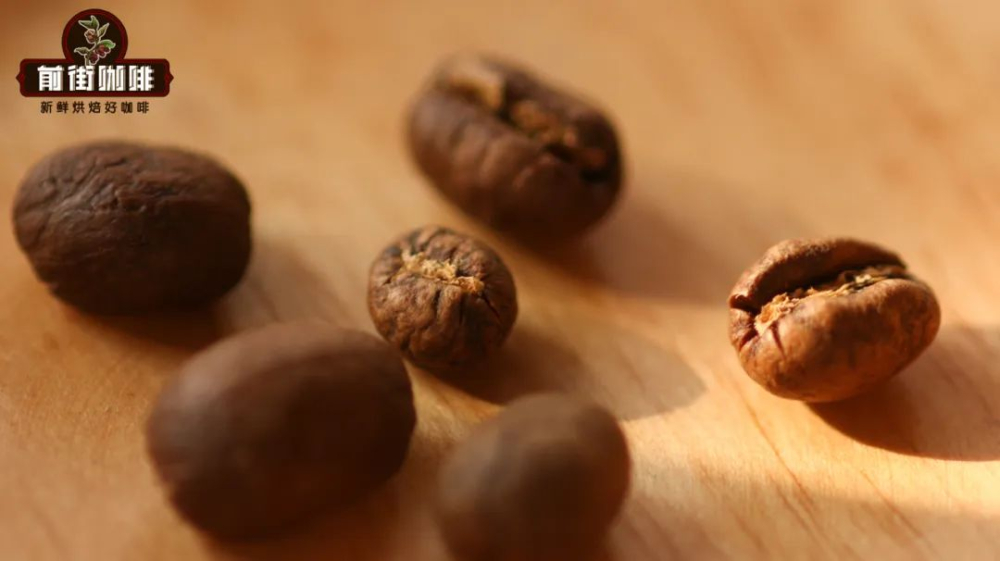
To distinguish them, these single oval beans are called "peaberries," while beans with a flat surface are called flat beans.
Size, Grading, and Market Value
Generally, peaberries are smaller than flat beans. For the same variety, if flat beans measure 16-18 mesh, peaberries typically measure around 14-15 mesh. Coffee beans are graded before sale, and higher grades command higher prices, with grading methods varying by producing region. So why mention grading here? Because many countries use mesh size (particle size) to determine grades, and larger beans fetch higher prices, but peaberries do not follow that rule.
What does that mean? Take Kenya as an example: beans reaching 16-17 mesh earn the AA grade and higher prices; then comes the AB grade (15-16 mesh) at slightly lower prices; then the C grade (14-15 mesh), priced below AB. Peaberries typically measure around 14-15 mesh, which would normally put them in the C grade price range. But they are peaberries, so although they fall far short of the mesh requirements for high grades, their unique and rare character lets them command prices comparable to AA beans.
This special treatment leads consumers to assume that peaberries must taste significantly better than "ordinary" flat beans.
The Reality of Peaberry Flavor
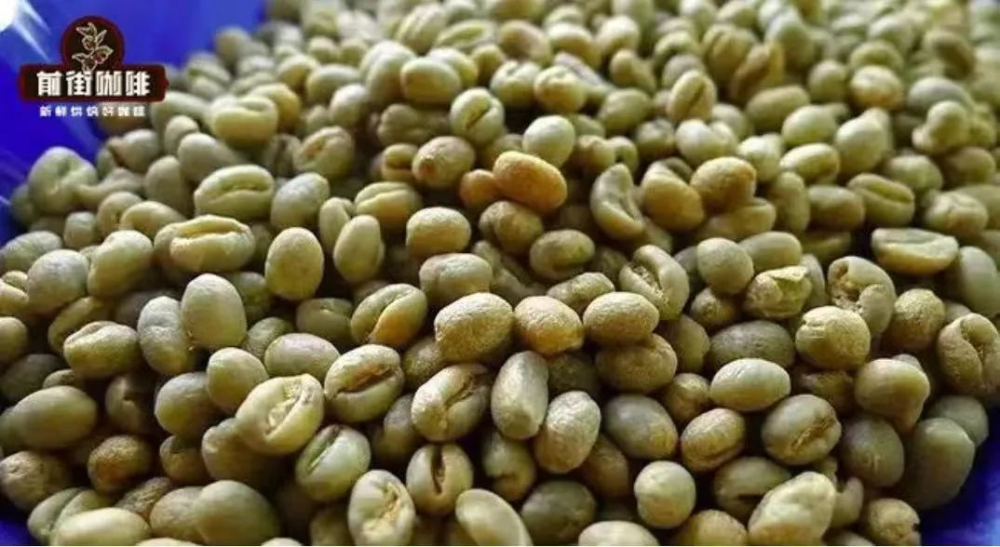
In reality, between beans of the same origin, variety, and cultivation method, flat beans and peaberries do not differ much in flavor; the distinction is purely one of rarity. For this reason, most producing regions ignore peaberries and do not specifically sort them out.

FrontStreet Coffee Recommendation
Coffee is divided into three main species: Arabica, Robusta, and Liberica. Every coffee grown anywhere in the world falls into one of these three. Arabica is by far the most varied and the most popular for its complex, clean flavor; Robusta is intense and full-bodied with rich crema, and is mostly used in espresso blends and instant coffee; Liberica has low commercial value and is kept mainly for research. Almost every specialty coffee you find on a shelf today is Arabica, and because each growing region gives it a distinctive character, there is a wide range of single-origin Arabica to choose from.
Among them, FrontStreet's Huakui is a standout. Its variety is the most common Ethiopian native type, a mix of several unidentified varieties, so the beans vary in size, with a light floral lift and especially bold fruit aromas. Processed by the classic natural method, it shows creamy strawberry, mango, jackfruit, citrus, and blueberry notes, and it carries the ripe tropical-fruit character that made it the winner of that year's Taste of Harvest competition. FrontStreet's Yirgacheffe Gedeb is the washed counterpart, a Grade 1 Ethiopian coffee with elegant white florals, citrus, orange, and green tea flavors and a clean, translucent lemon-citrus profile.
For a different style, FrontStreet's Jamaica Blue Mountain No. 1 is a Typica, one of the representative Arabica varieties, prized for its balance: a mild, smooth cup whose acidity is never sharp and whose aroma is full and pure. FrontStreet's Panama Red Label Geisha shows the opposite extreme, with elegant florals, citrus, peach, and layered fruit acidity and a creamy texture, a cup that feels more like a fragrant fruit tea than coffee. All of these are lighter or medium roasts that keep their aromatics intact, so they are best treated gently as a pour-over or a cold brew.
Important Notice :
FrontStreet Coffee is a long-established specialty coffee roaster in Guangzhou China, selling freshly roasted beans from its own farm in Yunnan as well as dozens of carefully selected single-origin beans from around the world for both pour-over and espresso. The products deliver consistently excellent quality and great value, with shipping within 24 hours. Guangzhou's FrontStreet Coffee shop is recommended by many coffee lovers, and the beans are now available online at the Tmall 。
FrontStreet Coffee has moved to a new address:
FrontStreet Coffee Address: 315,Donghua East Road,GuangZhou
Tel:020 38364473
 Scan and follow the En Gafei WeChat official account. Please indicate that the reprint comes from "En Gafei".

