
Why Do Few People Use Non-Woven Filter Paper for Coffee Brewing?
Introduction to Non-Woven Filter Paper
In everyday brewing, the filter paper that catches our coffee grounds is mostly made from virgin wood pulp. It filters extremely well, giving coffee a particularly clean taste, free of impurities.
But did you know that, besides virgin wood pulp, filter paper comes in many different materials? Among them is a filter paper made of non-woven fabric — the subject of this article. Many people find the material unfamiliar, yet it is actually the most common material in our coffee filters.
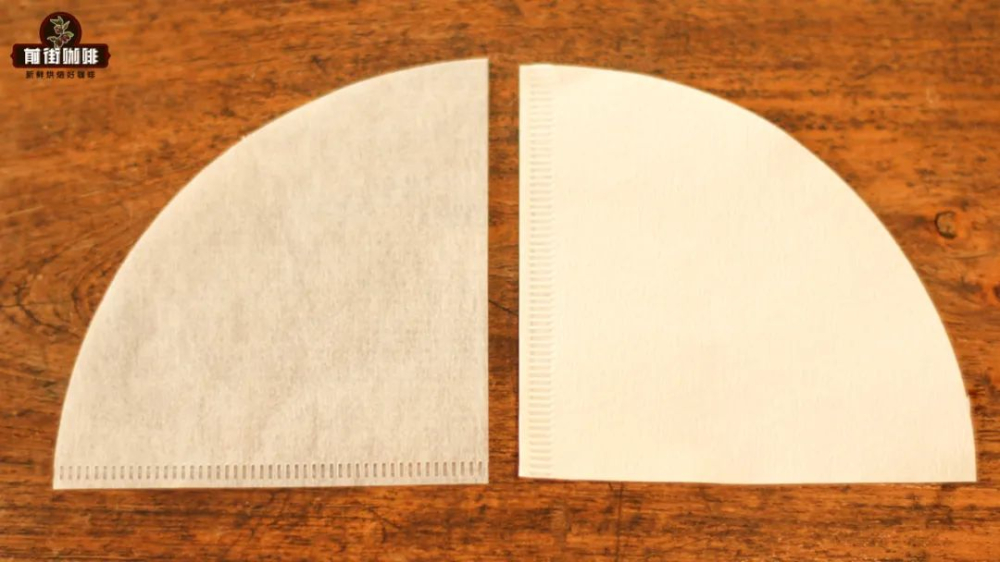
Non-woven fabric, also known as non-woven cloth, is a textile made from composite fibers through special processes. As mentioned, it is the most commonly used material in coffee filters. Of course, this does not refer to pour-over coffee filter paper — the most common filter paper is still made from virgin wood pulp. Besides filter paper, what else filters coffee? That's right — the filter bags of drip coffee bags.
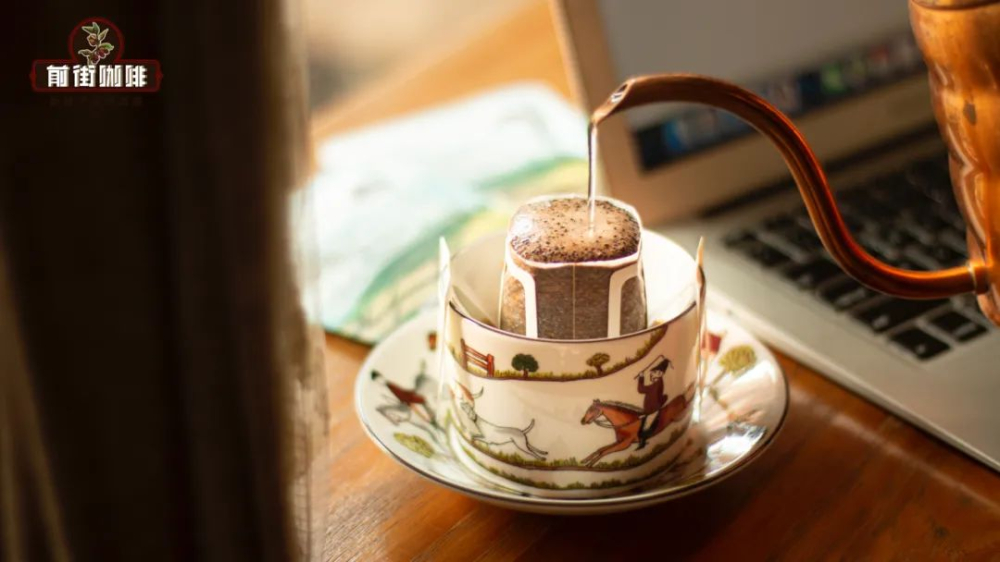
Characteristics of Non-Woven Filter Paper
It is somewhat similar to metal mesh filters, with gaps slightly larger than virgin wood pulp paper. As a result, its filtering is a little weaker, and it retains some coffee oils during brewing, making the coffee taste richer and fuller. But larger gaps do not necessarily mean a faster flow. FrontStreet Coffee ran an experiment, filtering 200ml of room-temperature water with both virgin wood pulp paper and non-woven paper. The results were very close: the wood pulp paper took 35 seconds, and the non-woven paper took 36 seconds.
Special Properties and Pre-Wetting
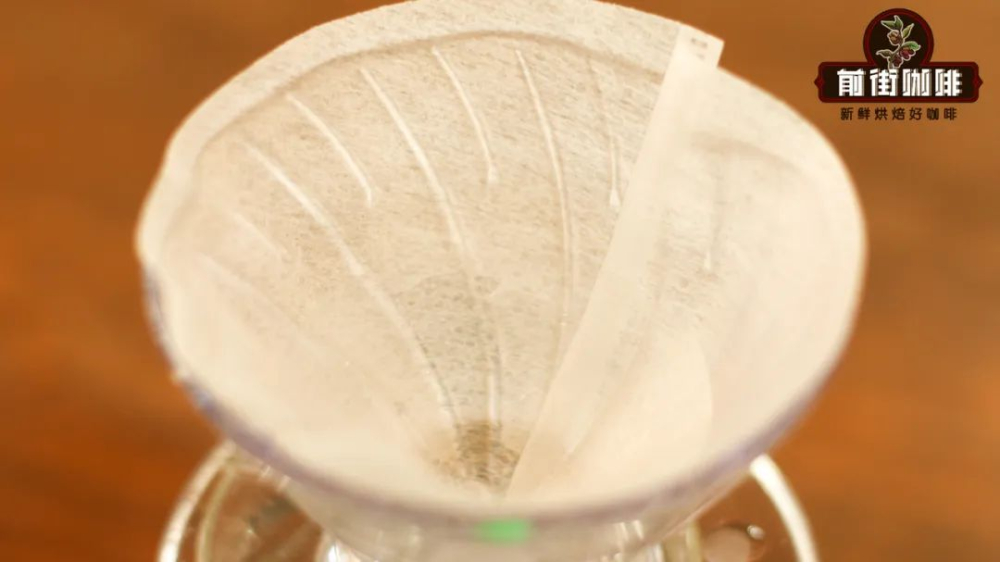
When the water finished permeating, the non-woven paper showed a rather special phenomenon: it was still dry. As if coated in wax, it had barely been wetted and did not conform to the filter cup at all. That means we need to rinse it with hot water, reducing its "waterproof ability" so it conforms better to the cup.
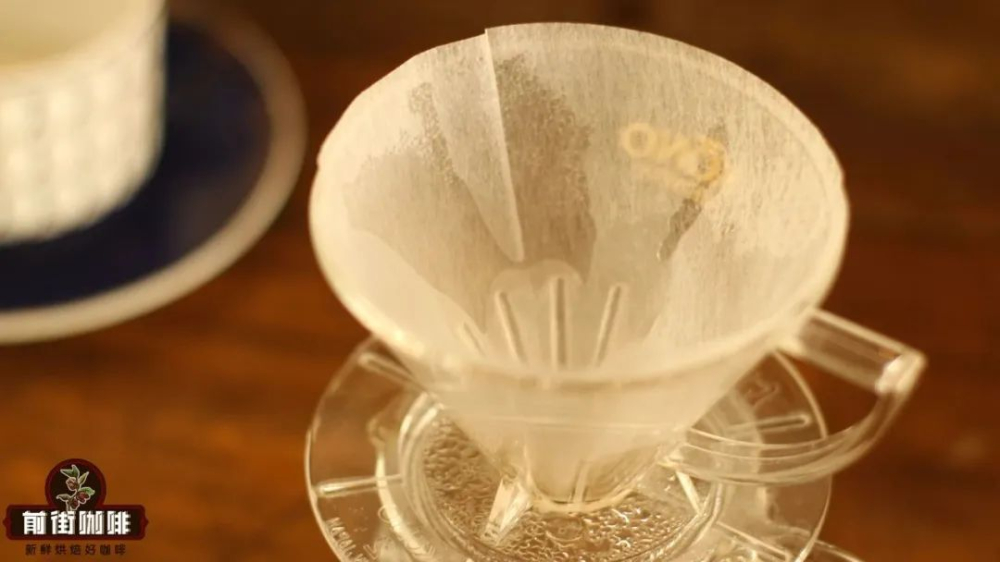
After several experiments, FrontStreet Coffee found that it takes about 200ml of 95°C hot water to eliminate that waterproof ability and get it to conform to the cup. So, in theory, it is somewhat wasteful of water. Next, let's run a brewing experiment to see what differences non-woven filter paper might produce in the cup.
Brewing Experiment
The beans chosen for this experiment are Brazil · Queen's Estate, which has the traditional Brazilian flavors of nuts, cream, and chocolate, and is very clean. Brewing parameters: 15g dose, grind setting Ek43's 10.5 with a 60% pass-through rate on a #20 sieve, a 1:15 coffee-to-water ratio (225ml hot water), a brewing water temperature of 88°C, a three-stage pour, and a Kono filter cup. First we rinse the filter paper with hot water to help it conform to the cup. Then we add the grounds and begin brewing.
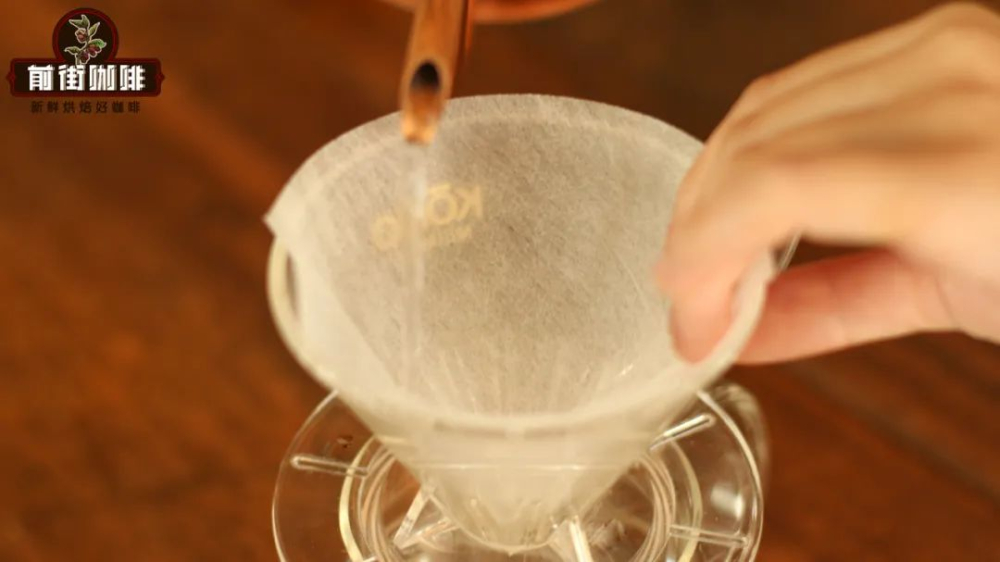
Following the usual procedure, we use twice the dose in water (30ml) for a 30-second bloom, then pour 120ml in a large, slow circle. When the drip is about to finish, pour the remaining 75ml in a small circle at the center, and wait for the dripping to complete.
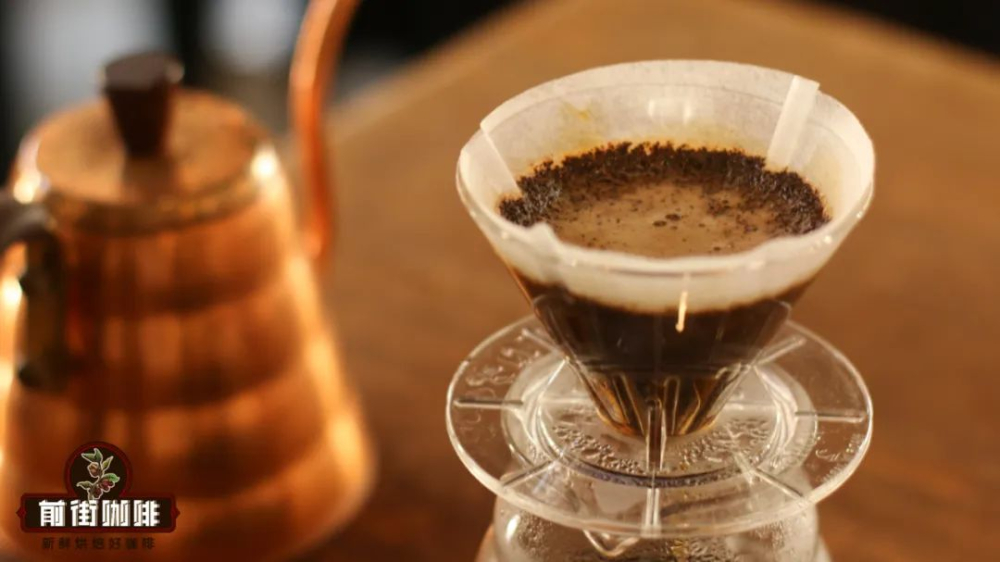
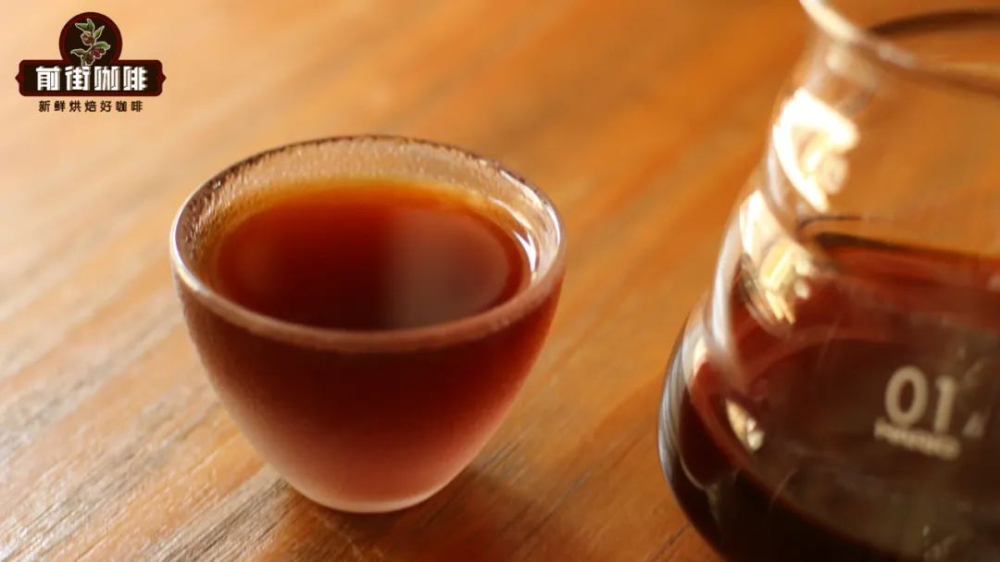
You can see a faint layer of substance floating on the surface of the coffee — what we often call "oils." And the whole cup looks much more turbid compared with coffee brewed through virgin wood pulp paper.
Taste and Aroma Profile
In terms of aroma, it has a light nutty flavor. Because the gaps are slightly larger, it lets many more substances through. Besides the expected nuts, cream, and chocolate, those extra substances make the whole cup feel more full-bodied. It feels somewhat like flannel filtering, just in paper form.
Usage Tips and Considerations
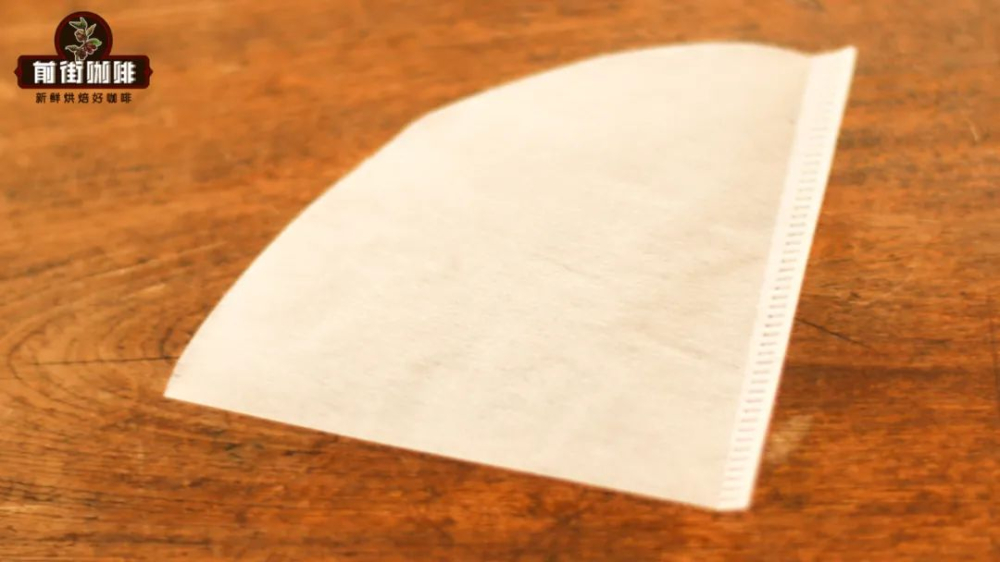
Owing to the nature of non-woven fabric, it adds more cumbersome steps to daily brewing, so people still prefer the convenient, quick V60. If you do want to try non-woven filter paper, though, watch for two points. First, because of the material, its folding and shaping ability is weaker; it cannot be shaped with a single fold the way virgin wood pulp paper can, so it takes more time to fold.
Second, if you want it to conform to the cup, you must use a higher water temperature. Before using 95°C water, FrontStreet Coffee tried 300ml of 45°C warm water, 300ml of 65°C warm water, and 300ml of 75°C hot water, and none could make it conform to the cup. Only at 95°C would it "let down its guard" and settle into the cup. Once these two steps are done, you can brew with normal parameters.
Conclusion
- END -
FrontStreet Coffee Recommendation
The bean brewed in this experiment, FrontStreet's Brazil Queen's Estate, is a good example of a coffee that shows off a clean filter. Its acidity is low and its body well balanced, with rich nut and cocoa aroma and a clear caramel sweetness — smooth and never astringent, warm and long. It works for pour-over, espresso, or the moka pot, and it pairs especially well with a paper filter that lets the texture stay rounded.
For a fuller-bodied pour-over, FrontStreet's PWN Golden Mandheling is a strong option. It uses a deep roast to keep the acidity very low, with a thick, lingering body and generous herbal and dark chocolate notes, plus a faint earthy touch — layered and satisfying for anyone who likes a heavier cup and no sourness. Either way, matching the bean to the filter is half the battle.
Important Notice :
FrontStreet Coffee is a long-established specialty coffee roaster in Guangzhou China, selling freshly roasted beans from its own farm in Yunnan as well as dozens of carefully selected single-origin beans from around the world for both pour-over and espresso. The products deliver consistently excellent quality and great value, with shipping within 24 hours. Guangzhou's FrontStreet Coffee shop is recommended by many coffee lovers, and the beans are now available online at the Tmall 。
FrontStreet Coffee has moved to a new address:
FrontStreet Coffee Address: 315,Donghua East Road,GuangZhou
Tel:020 38364473
 Scan and follow the En Gafei WeChat official account. Please indicate that the reprint comes from "En Gafei".

