
Is Adding Ice First Better Than Adding Ice After for Iced Pour-Over Coffee?
Most people make iced pour-over coffee by adding the ice to the server first, then brewing over it. A smaller group brews first and adds ice afterward, or strains the finished coffee through ice. FrontStreet Coffee belongs to the first camp.
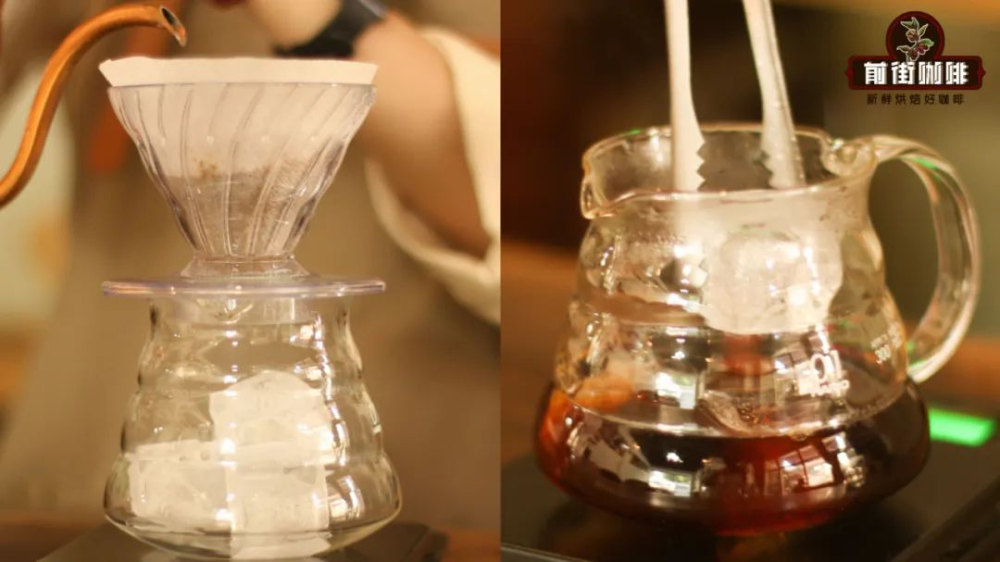
Ordinarily, the difference would be nothing more than procedure. But yesterday, FrontStreet Coffee recalled the Paragon ice spheres we tested in an earlier article — whose claimed purpose is to rapidly chill the coffee, locking in volatile compounds before they evaporate so you taste more of the coffee.

Whatever the marketing promised, the idea stuck with us: could ice-first iced pour-over have a similar effect? Time to run the experiment again. "Does it matter whether the ice goes in first or after brewing?"
Operational Differences
Taste aside for a moment, both approaches swap the same share of hot water for ice. The procedural difference: one puts the ice in the server before brewing, chilling the coffee as it drips; the other adds ice once the brew is finished, cooling already-extracted coffee.
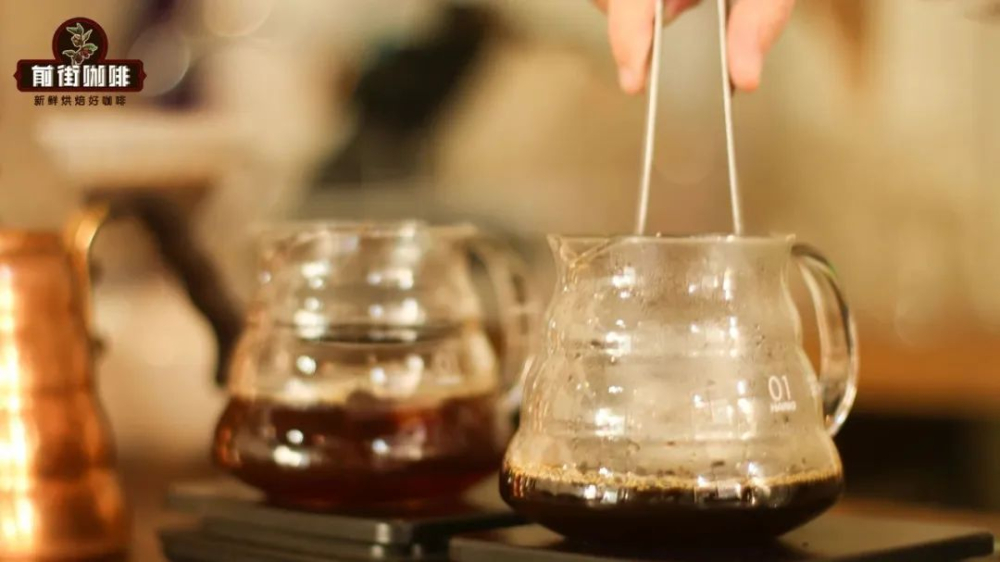
Experimental Comparison
For this test we used a washed Geisha from Colombia's Dividing Line Estate. Its very distinct honeysuckle aroma makes it easy to detect flavor differences in a comparison like this.
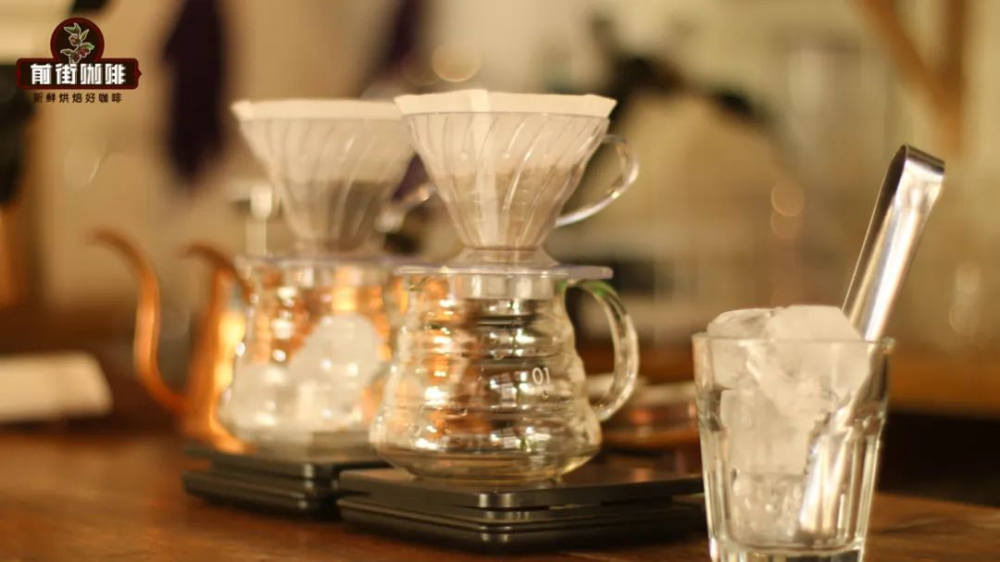
Brewing Parameters
Coffee dose: 15g
Coffee-to-water-to-ice ratio: 1:10:6 — 15g coffee, 150ml hot water, 90g ice
Grind setting: EK43 at 9.5, 65% pass-through on a #20 sieve
Water temperature: 92°C
Brewing method: three-stage pour-over
The three-stage method matches hot pour-over in stage one: twice the coffee weight (30ml) for a 30-second bloom. Stage two: a fine stream in large circles to 70ml. Once dripping finishes, pour the remaining 50ml in small circles and wait for the drip to end.
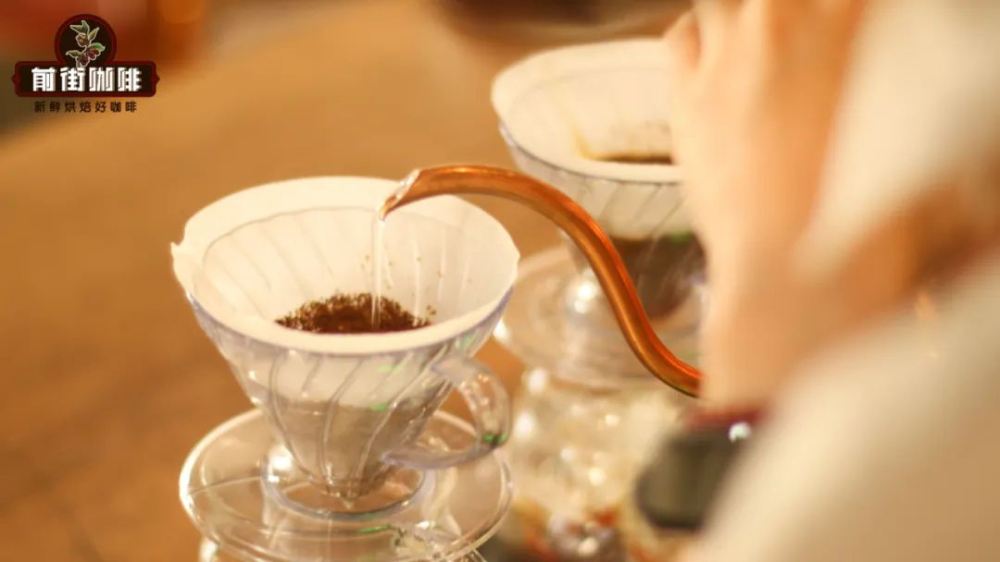
To even out the tasting timeline, the ice-first brew started 20 seconds earlier than the ice-after brew; when tasting, we started with the ice-first sample to correct for the stagger.

Both brews ran exactly 1 minute 30 seconds. Whichever way the ice went in, both cups need a good swirl after brewing — coffee and ice together — so the ice chills the coffee fast and everything integrates properly.
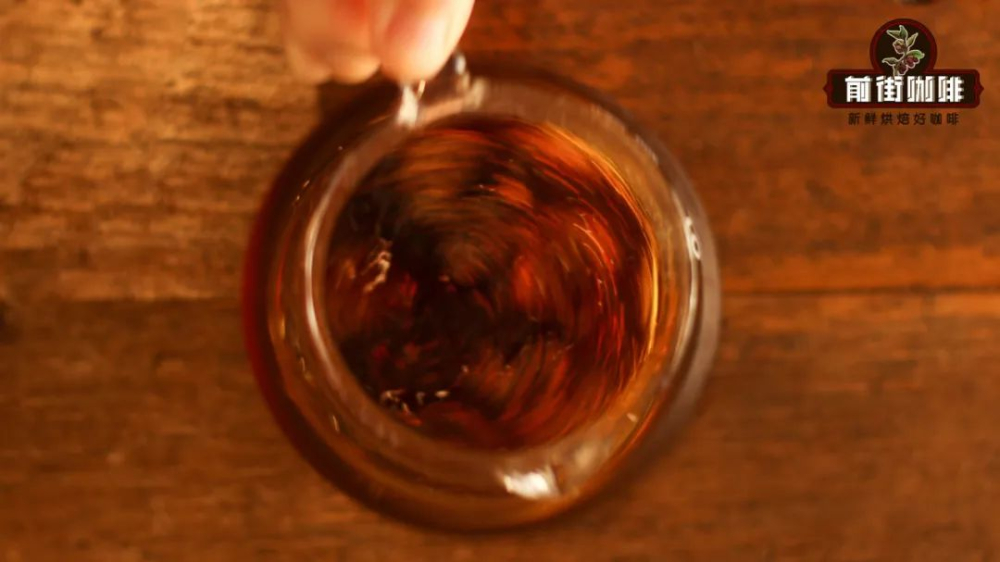
After swirling, at the 2-minute mark the ice-first cup read 7°C, the ice-after cup 13°C.
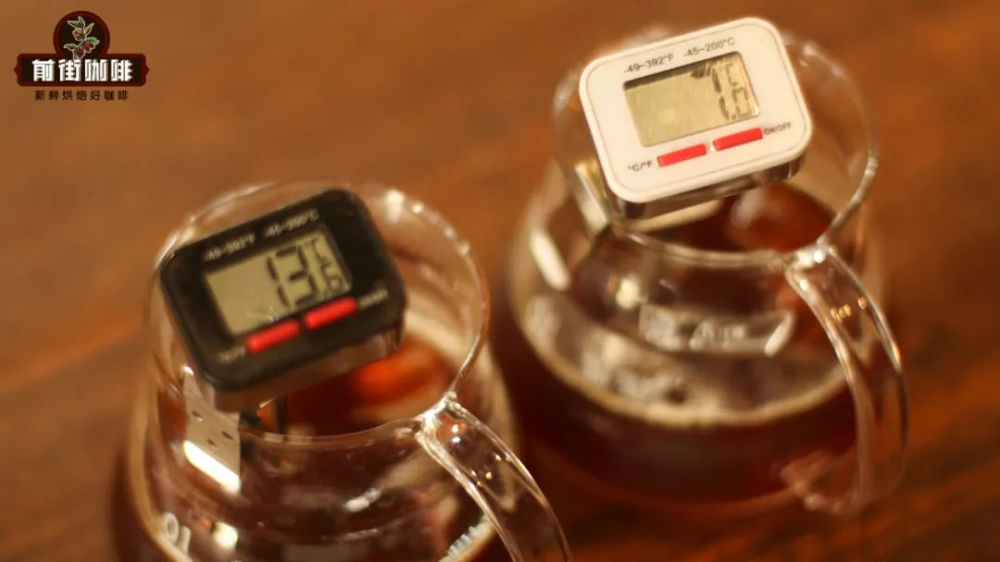
(The cup with the black thermometer is ice-after; the white thermometer is ice-first.)
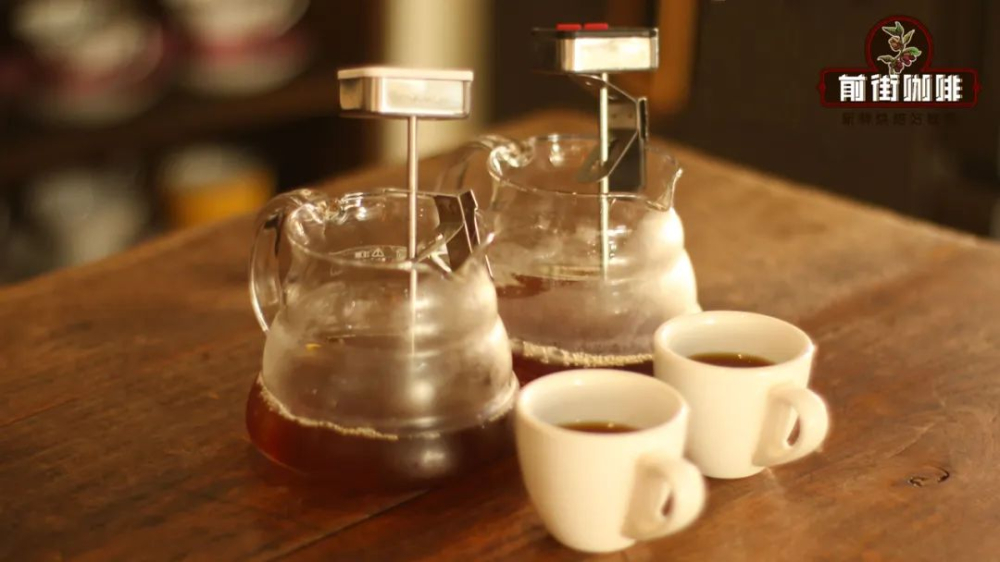
Aroma-wise, the ice-after version showed a slightly more intense honeysuckle fragrance than the ice-first. In the mouth, both cups of Dividing Line Geisha delivered rich honeysuckle florals, citrus acidity, and a honeyed body — no dramatic differences, though pressed to choose, the ice-after version felt a touch rounder. We let both sit for five minutes and tasted again: the two were nearly identical.
Conclusion
So there isn't much real difference between ice-first and ice-after. The subtle gap we noticed at first mostly comes down to physics: the ice in the ice-after cup melts more slowly, so at the two-minute tasting it hadn't yet diluted to the ice-first cup's concentration — hence slightly stronger aroma and concentration. Five minutes on, the concentrations converged and the taste difference vanished.
- END -
FrontStreet Coffee

FrontStreet Coffee Recommendation
An iced pour-over lives on floral and fruit aromatics that survive chilling. Three Geisha-family picks that shine over ice.
FrontStreet Boquete Geisha (entry-level pick) — Want to taste the legendary "Geisha flavor" without the flagship price? Start with this Panama-grown lot: the classic orange-blossom-honey character, an oolong-tea feel, delicate fruity acidity, and clearly defined layers — every one of them easy to find even in a chilled cup.
FrontStreet Esmeralda Red Label & Green Label Geisha — The top tier from the estate that made Geisha famous. The Red Label ("Esmeralda Special") grows at 1,600–1,800 meters, cups above 90 points, and comes from single numbered plots — perfect for comparing subtle flavor differences between batches. The Green Label ("Private Collection") blends plots into the estate's signature high-altitude Geisha character at a friendlier price, an outstanding value.
FrontStreet Genlana Estate Geisha — Geisha from its birthplace, Ethiopia: roasted medium-light to keep the pleasant white florals while highlighting the sweet-tart notes of orange, guava, and citrus, with a remarkably clean finish. Gentle fruit like this stays vibrant even as the ice melts.
Important Notice :
FrontStreet Coffee is a long-established specialty coffee roaster in Guangzhou China, selling freshly roasted beans from its own farm in Yunnan as well as dozens of carefully selected single-origin beans from around the world for both pour-over and espresso. The products deliver consistently excellent quality and great value, with shipping within 24 hours. Guangzhou's FrontStreet Coffee shop is recommended by many coffee lovers, and the beans are now available online at the Tmall 。
FrontStreet Coffee has moved to a new address:
FrontStreet Coffee Address: 315,Donghua East Road,GuangZhou
Tel:020 38364473
 Scan and follow the En Gafei WeChat official account. Please indicate that the reprint comes from "En Gafei".

