
coffee tasting methods Learn more about coffee tasting methods
-
How to Identify Coffee Processing Methods in One Sip? What's the Difference Between Natural and Washed Processing? How to Taste Pour-Over Coffee?
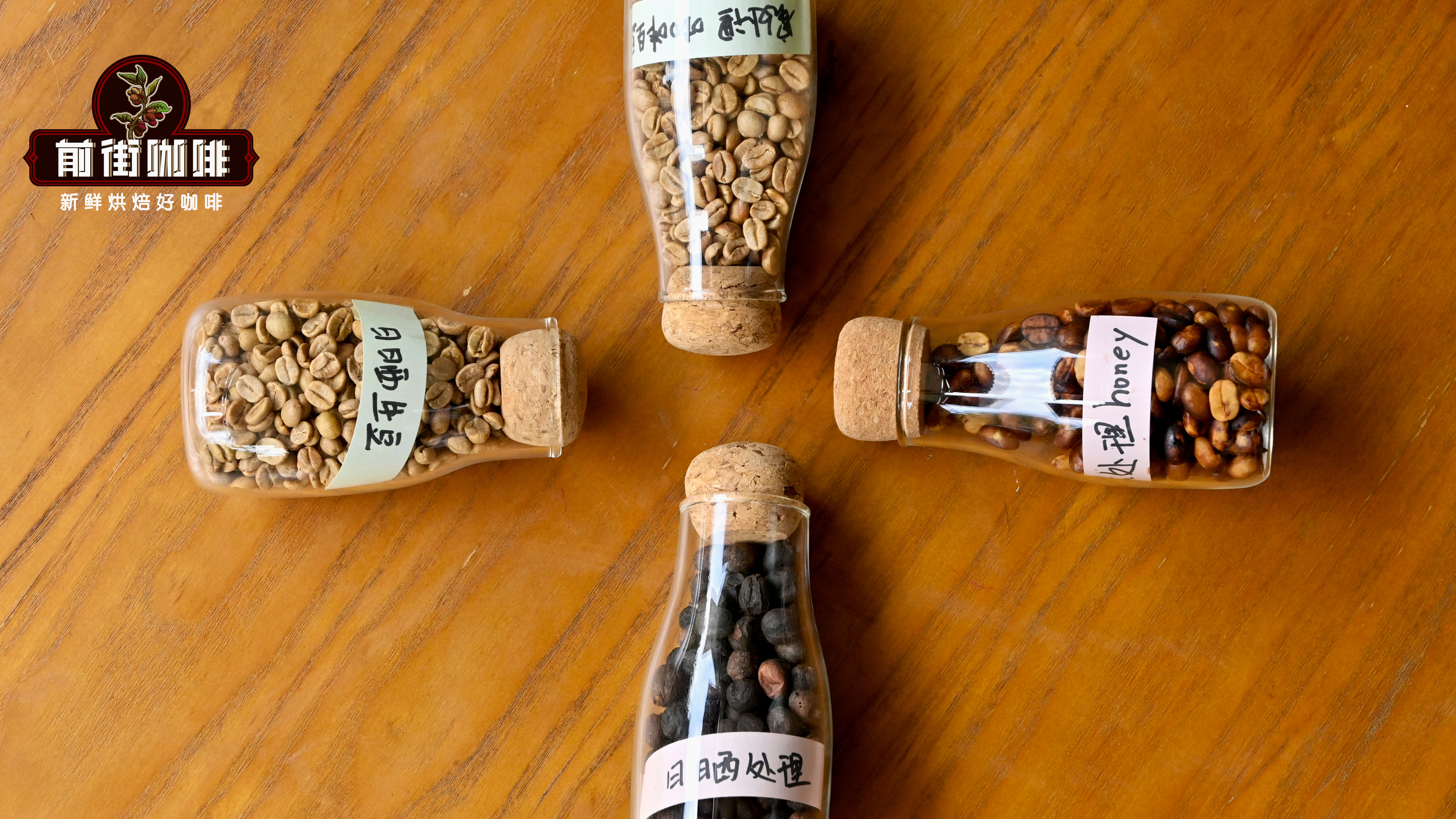
FrontStreet Coffee often brews some of the more popular beans recently as Demo, sharing them with customers visiting the store. Then from time to time, some customers can identify the processing method of the beans in one sip, which draws amazed exclamations from other customers: "How can you identify the processing method of the beans in just one sip?" Actually, it's
2024-09-01 coffee processing natural vs washed coffee tasting pour-over coffee FrontStreet Coffee -
Which Processing Method Makes the Best Tasting Geisha Coffee? How to Choose Sweet Geisha Coffee

Professional coffee knowledge exchange and more coffee bean information, please follow Coffee Workshop (WeChat public account: cafe_style). A customer asked FrontStreet Coffee, "Which processing method makes Geisha coffee taste best? What processing method should be used for Geisha coffee to achieve sweetness?" First, let's explore what processing methods exist! Common coffee processing methods mainly include: natural process, washed process, and methods介于日晒和水洗之间的处理法。
2019-10-03 which processing method geisha coffee best tasting choose sweet professional -
Brazil Minas Gerais Coffee Flavor Profile, Taste Notes, Processing Methods, and Regional Characteristics

Brazil Minas Gerais Coffee Flavor Profile, Taste Notes, Processing Methods, and Regional Characteristics: Brazilian research institutions have developed the pulped natural method to shorten processing time according to Brazil's drier climate characteristics. After the coffee cherries are pulped, the mucilage-covered beans are sun-dried for one to three days, then mechanically dried to a 12% moisture content.
2025-06-26 Minas Gerais Brazil coffee flavor profile taste notes processing methods regional characteristics coffee varieties -
Which Coffee Varieties Use Red Wine Processing Methods: Flavor Descriptions and Taste Profiles
Which coffee varieties use red wine processing methods with flavor descriptions and taste profiles. The red wine processing method for coffee beans, also known as red wine-style processing, is inspired by the winemaking process. Currently, only eight estates in Colombia have successfully brought coffee beans using this processing method to market, according to these eight estates
2025-06-27 which coffee beans varieties use red wine processing flavor descriptions taste profiles -
Sulawesi Coffee Beans: Flavor Profile, Taste, Varieties, Origin Regions, and Processing Methods
Sulawesi Coffee Beans: Flavor Profile, Taste, Varieties, Origin Regions, and Processing Methods. Due to continental plate compression, the average elevation of this island is approximately 500 meters above sea level. Sulawesi is located in eastern Indonesia, divided into North Sulawesi and South Sulawesi.
2025-06-24 Sulawesi coffee beans flavor description taste varieties region processing introduction -
What's the Difference in Flavor and Taste Between Sun-Dried and Washed Coffee Beans? How to Identify Coffee Processing Methods

FrontStreet Coffee has a tradition of brewing a pot of coffee and inviting everyone to guess its origin! From country of origin to specific growing region to processing method, we peel back the layers step by step! Can you really identify the processing method just by tasting the coffee? Let's first understand what processing methods are. After coffee cherries mature, they are harvested, but what we're really after are the coffee beans wrapped in their protective pulp and skin...
2021-08-28 sun-dried washed processing coffee beans flavor taste what's the difference how to identify -
Complete Guide to Coffee Brewing Methods: What is Drip Coffee? What are the Characteristics of Drip Coffee?

Professional coffee knowledge exchange. For more coffee bean information, please follow Coffee Workshop (WeChat official account: cafe_style). Based on the contact method between water and coffee grounds as well as their particle size, coffee preparation is classified into five types: brewing method, pressure method, gravity method, immersion method, and cold brew method. The brewing method is the simplest approach.
2025-08-10 coffee brewing methods complete guide what drip characteristics professional -
Flavor Profile, Taste, Processing Method, Grind Setting, and Origin of Yirgacheffe Coffee Beans

Flavor Profile, Taste, Processing Method, Grind Setting, and Origin of Yirgacheffe Coffee Beans. Regarding the taste of Yirgacheffe, coffee connoisseurs describe it as a hundred flowers blooming upon first sip—truly an apt description for this exceptional coffee. It evokes the delightful sensation that flowers stimulate on the taste buds and olfactory cells. Beyond its floral notes, the delicate and refined body...
2025-06-10 Yirgacheffe coffee beans flavor profile taste processing method grind setting origin -
Sumatra Coffee Tasting Methods: Mandheling Coffee Characteristics, Flavors and Taste Sharing
Professional coffee knowledge exchange, more coffee bean information, please follow Coffee Workshop (WeChat official account: cafe_style). FrontStreet Coffee - Sumatra Coffee Characteristics and Tasting Introduction. Mandheling coffee is produced around Lake Toba in northern Sumatra, Indonesia, and is therefore also known as Sumatra coffee. In the 17th century, the Dutch introduced Arabica coffee seedlings to Ceylon (which is today's Sri
2019-12-21 Sumatra coffee tasting methods introduction Mandheling characteristics flavor taste sharing -
How to Brew Coffee Correctly? The Difference Between Single-Pour and Three-Stage Pour-Over Methods - How Do Different Pour-Over Techniques Affect Coffee Flavor?
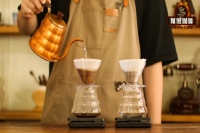
FrontStreet Coffee's store has recently encountered some adventurous yet meticulous friends who, when placing their orders, would ask: "I'd like to order two cups of coffee using the same beans, but could you brew them using different methods because I want to experience the different flavors of this bean!" The reason why these friends developed such an idea is because
2024-09-17 coffee brewing pour-over coffee single-pour method three-stage pour coffee flavor brewing techniques -
Characteristics, Varieties, Flavor Description, Taste Profile, and Processing Methods of Tanzanian Coffee Beans

An introduction to the characteristics, varieties, flavor descriptions, taste profiles, and processing methods of Tanzanian coffee beans. Tanzanian coffee is predominantly processed using the washed method, where coffee farmers send harvested coffee cherries to the nearest processing facilities for processing. The steps of the washed processing method begin with sorting and removing impurities mixed in the coffee cherries; then
2025-06-25 Tanzania coffee beans characteristics varieties flavor description taste profile processing methods introduction -
Tasting Blue Mountain Coffee - How to Savor a Cup, Methods of Coffee Tasting
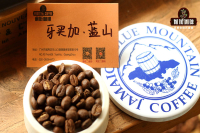
Drinking coffee should be like savoring a fine wine - only by tasting it slowly can you appreciate its essence. Using a siphon coffee maker will give Blue Mountain coffee a unique charm. First, smell the original aroma of the coffee, then take a small sip to taste the original flavor, then add an appropriate amount of sugar according to personal preference, and stir with a small spoon, taking advantage of the coffee's swirling motion
2025-08-26 tasting Blue Mountain coffee how cup savoring methods -
Costa Rican Coffee Beans: Light Roast Costa Rican Pour-Over Water Temperature, Grind Setting, Flavor and Taste
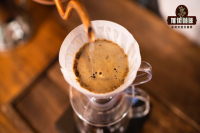
The flavor and taste description of Costa Rican pour-over coffee, characteristics, grind setting, taste upon entry: The taste is quite balanced and pure, with good richness and excellent smoothness. It has a slight sweetness, a very long aftertaste, and a subtle smoky flavor when tasted carefully. It's not too bitter, and overall, the richness and aroma are better than the previous Westval
2025-06-16 Costa Rica pour-over coffee taste flavor description characteristics grind setting -
Washed vs Natural Coffee Beans: Flavor Profile Differences and Tasting Notes
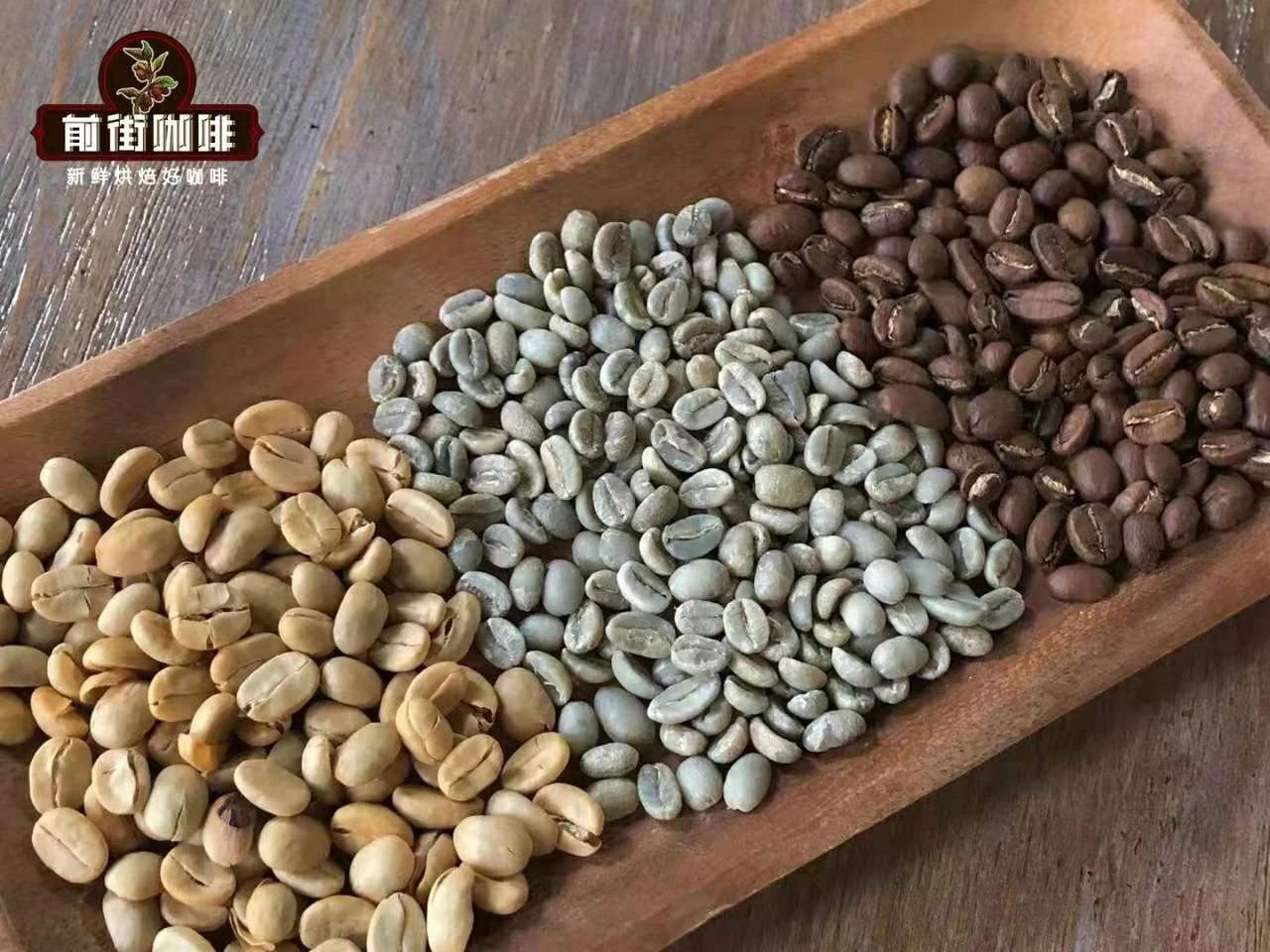
FrontStreet Coffee has a tradition of brewing a pot of coffee for everyone to guess what it is! From country of origin to specific region to processing method, layer by layer! Can you really identify the processing method just by tasting coffee? First, let's understand what processing methods are. When coffee cherries mature, they are harvested, and we only want the coffee beans wrapped in pulp and fruit skin (
2021-09-11 washed coffee beans natural flavor taste characteristics differences single origin coffee can -
What are the High, Medium, and Low Temperatures of Coffee? What are the Three Major Standards of Coffee Tasting?

Previously, FrontStreet Coffee mentioned in the article "Does Coffee Have an Optimal Drinking Temperature?" that a complete coffee tasting process requires experiencing coffee from high temperature to low temperature, because the flavor and aroma of coffee continuously change with time and temperature, so our tasting purposes will change accordingly at each stage.
2025-03-15 coffee temperature coffee tasting coffee standards coffee brewing -
How to Describe the Flavor of Yirgacheffe Coffee Beans: A Guide to Taste Characteristics and Pricing
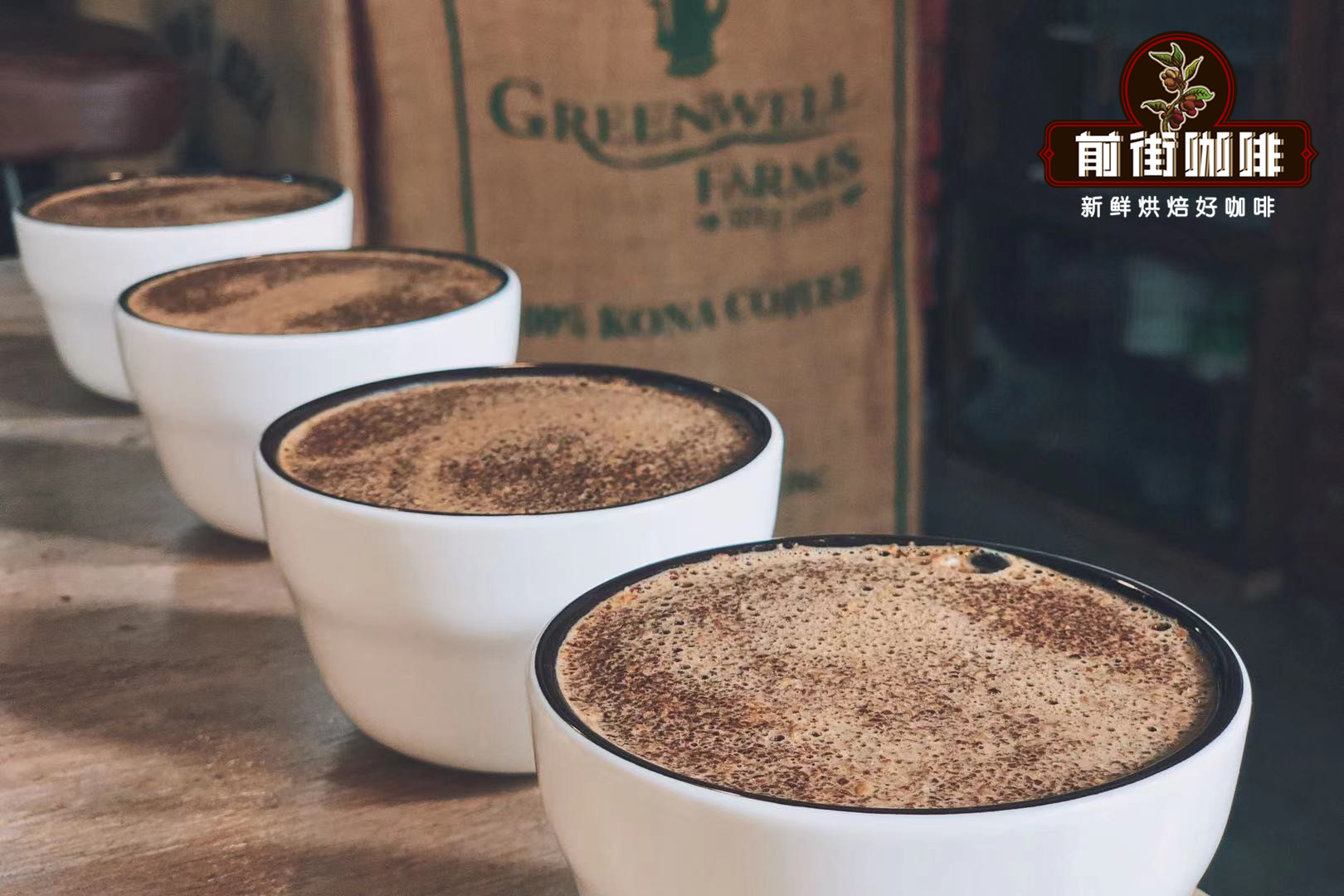
For professional coffee knowledge and more coffee bean information, please follow Coffee Workshop (WeChat official account: cafe_style). With washed processing achieving delicate sweet and sour fruit notes in light roasts, it is said that coffee originated from Ethiopia. Regardless of whether the legend is true, modern Ethiopia is world-renowned for producing Yirgacheffe coffee beans.
2022-08-05 Yirgacheffe coffee beans flavor profile taste characteristics 口感介绍 price guide -
Why Does Coffee Have a Soy Sauce Flavor? What Are the Differences Between Various Processing Methods? How Do Natural and Anaerobic Coffees Differ?

It is well known that roasted coffee beans produce an abundance of aromatic compounds, such as white floral notes and citrus fruit flavors. These rich aromas are abundantly released when we grind the beans into powder, allowing our olfactory senses to perceive and appreciate them. Since these fragrances are so refreshing and delightful, many
2024-08-20 coffee flavor soy sauce taste coffee processing methods natural coffee anaerobic coffee coffee aroma coffee beans specialty coffee -
Costa Rica Las Lajas Estate Coffee Flavor Profile Taste Variety Origin Region Processing Method Guide
Comprehensive guide to Costa Rica Las Lajas Estate coffee flavor profile, taste characteristics, bean varieties, origin region, and yellow honey processing method. Las Lajas Estate Yellow Honey Process - Country: Costa Rica; Region: Central Valley; Grade: SHB; Processing: Yellow Honey; Altitude:
2025-06-12 Costa Rica Las Lajas Estate Coffee Flavor Profile Taste Variety Origin Processing Method -
Understanding the Pros and Cons of Siphon Coffee Brewing | Which Tastes Better: Hand-Drip or Siphon Coffee?
Professional coffee knowledge exchange for more coffee bean information please follow Coffee Workshop (WeChat official account cafe_style). Specialty coffee is developing very rapidly, and many young people have fallen in love with this beverage, as well as the methods of making specialty coffee. Hand-drip coffee is a preparation method for specialty coffee, popular for its ability to highlight the unique flavors of different coffee beans.
2025-07-05 understanding siphon pot coffee pros cons hand drip which tastes better professional -
Characteristics, Flavor Description, Taste Profile, Varieties, Growing Regions, and Processing Methods of Tanzanian Coffee Beans

Introduction to the characteristics, flavor description, taste profile, varieties, growing regions, and processing methods of Tanzanian coffee beans. Tanzanian AA is the highest grade of beans, featuring full-bodied beans, pure flavor, rich and refreshing taste, with superior quality in all aspects. Typically, its acidity is relatively mild, evenly stimulating the taste buds on the back, middle, and sides of the tongue.
2025-06-25 Tanzania coffee beans characteristics flavor description taste profile varieties regions processing
Editor's Pick Today

Most Read This week
Hot Tags
-
drip coffee
Blue Mountain Coffee
Specialty coffee beans
moka pot
Flat white coffee
Coffee Latte
iced drip coffee
ICE-DRIP
Water Drip Coffee
ice drip coffee
Dutch Coffee
Huakui coffee
Yunnan Coffee
hand ground coffee
ground coffee
Yirgacheffe
pour-over coffee
geisha coffee
coffee bean
Coffee website
You May Like
- Guatemala | Huehuetenango | Finca El Injertal Mixed Variety Washed
- How Many Classifications Are There for Gesha Coffee Beans? What Do the Different Grades Like Gold Label, Red Label, Green Label, and Blue Label Mean?
- Are Cold Brew and Cold Drip the Same Thing? Recommended Single-Origin Coffee Beans for Cold Brew
- How to make bubble ice American so that it will not spill over? Share 5 tips for making bubbly coffee! How to make cold extract sparkling coffee? Do I have to add espresso to bubbly coffee?
- luckin Coffee Calorie Ranking - Luckin New Product Review: Are the Green Grape Oat Latte and Thick Milk Latte Delicious?
- Washed Geisha vs Natural Geisha: Flavor Differences Between Panama Hacienda La Esmeralda's Washed and Natural Geisha
- Natural Geisha Comparison: What's the Difference Between Panama Hacienda La Esmeralda's Natural Blue Label and Green Label?
- Yirgacheffe Coffee Bean Grading Standards, Variety Characteristics, Flavor Description, Growing Regions, and Pour-Over Coffee Taste Profile