How to Identify Coffee Processing Methods in One Sip? What's the Difference Between Natural and Washed Processing? How to Taste Pour-Over Coffee?

FrontStreet Coffee regularly brews some of the more popular beans of the moment as tasting samples for visiting customers. Every so often, someone identifies a bean's processing method in a single sip — to the amazement of everyone else in the room: "How did you tell the processing method from just one sip?"
It's actually quite simple: find the right approach, and processing methods become easy to tell apart. So today, FrontStreet Coffee is sharing that method with you — consider it your first step toward becoming a cupping master.

Step One to Identifying Flavors: A Quick Understanding of Processing Methods
The processing method of green coffee beans sets the overall flavor direction of the finished coffee, so understanding it goes a long way toward sharpening your palate. FrontStreet Coffee has covered processing methods in detail before, so today we'll keep it brief — the two methods to know are natural and washed.
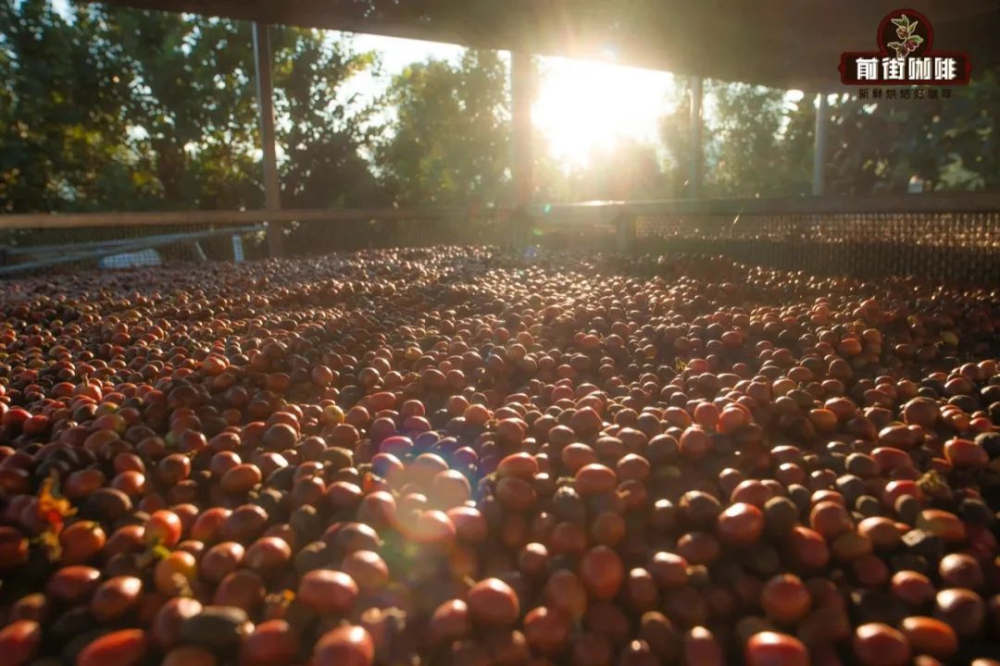
Natural Processing
Natural processing is the most traditional and oldest of all post-harvest techniques. The harvested coffee cherries are dried whole under the sun for an extended period; once their moisture content drops low enough, they are hulled to release the fermented green beans.
Washed Processing
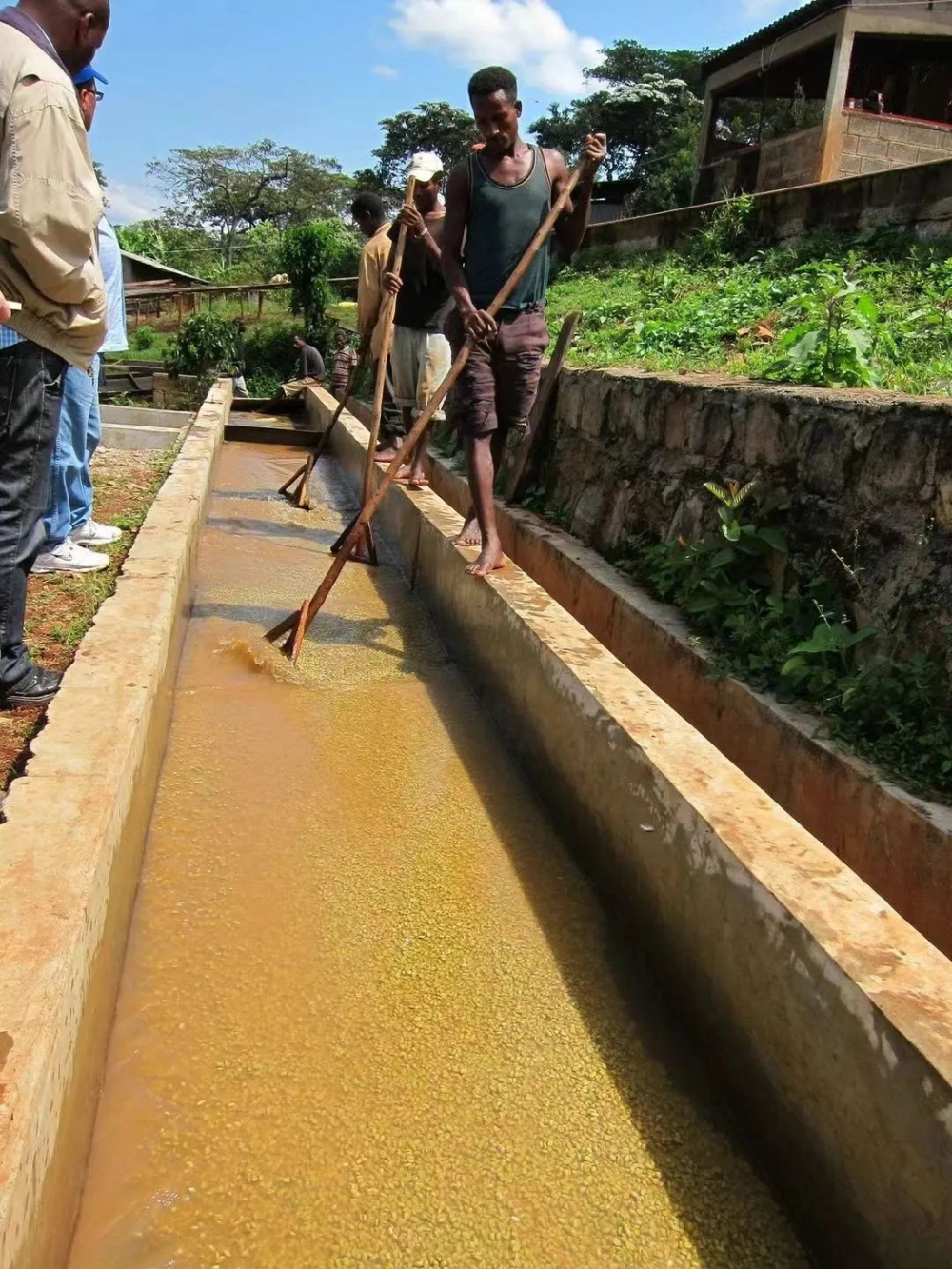
Washed processing is the method farmers adapted to their local conditions. With large amounts of clean water, the depulped beans are fermented so the pectin breaks down, then the green beans are sun-dried. Once moisture drops to the target level, washed processing is complete. Variants like K72 and double fermentation are offshoots of this method.
Now that we know the basics, how do we identify the method in one sip? Each processing method imprints its own signature on the beans. We just need to recognize those signatures while tasting and piece them together into a picture of how the green beans were processed. When customers want to learn this, FrontStreet Coffee always recommends comparing different processing methods from the same origin — it's the most direct way to feel what processing actually changes.
And the origin we recommend is Ethiopia! The reason is simple: Ethiopian flavors are prominent and familiar to everyone, with fewer confounding factors, so the differences between processing methods stand out clearly. For this article, FrontStreet Coffee picked two Yirgacheffe beans as representatives: Natural Red Cherry and Washed Kochere.
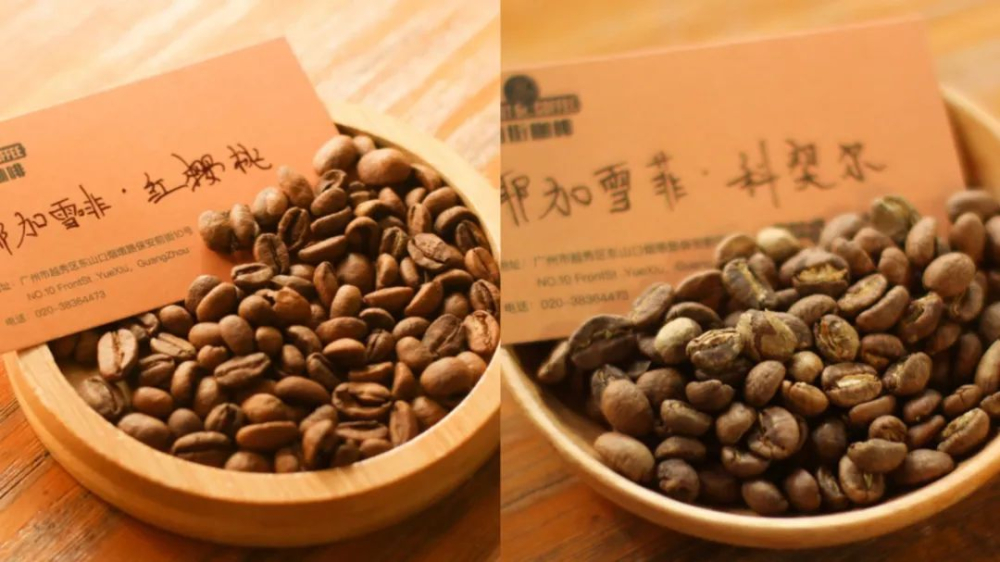
Both were brewed with identical parameters: 20g of coffee, a 1:15 ratio, ground on the EK43 at setting 10, water at 92°C, in a V60 dripper with a three-pour method. Since brewing isn't the focus here, we'll skip the details.

Everyone knows the Yirgacheffe profile by now — citrus, florals, and tea-like sensations are this region's calling card. Whatever you taste beyond those basics is, in most cases, the fingerprint of the processing.

Drink a naturally processed Yirgacheffe and, on top of the basics, you'll find a fruity fermentation aroma, softer acidity, higher sweetness, and distinct layers of flavor. A washed Ethiopian shows boosted citrus acidity — bright and prominent — with more intense tea and floral notes, giving the whole cup a remarkably clean feel.

Why the difference? In natural processing the whole cherry — skin, pulp, and bean — dries in the sun for a long time, so fermentation runs deeper than in washed processing: microorganisms generate more aromatic compounds and the cup gains richer layers. The beans also absorb plenty of sugars from the pulp and pectin, which softens acidity and boosts sweetness. Washed Yirgacheffe, by contrast, leans acidic because the sugars in the green beans are steadily consumed during water fermentation and converted into acidic compounds. And since washed beans never sit for long in unstable environments, fewer muddying substances remain — hence the higher clarity.

So there you have the signatures of both methods: natural coffees generally taste sweeter, with full fruit character, distinct layers, and a light fermented edge; washed coffees taste very clean, with bright acidity and more pronounced tea and floral notes.
Now grab some beans and start tasting! Keep at it and those signatures will jump out of the cup — you're the next tasting master.
- END -
FrontStreet Coffee Recommendation
Want to run this natural-versus-washed experiment yourself? FrontStreet Coffee's Ethiopian lineup gives you both sides of the comparison in beans you'll love drinking either way. For the natural camp, FrontStreet Huakui is a Sidamo natural made from local heirloom varieties — cream strawberry, mango, jackfruit, citrus, and blueberry, with exactly that layered, fruit-forward sweetness the natural method is famous for.
For the washed camp, FrontStreet Yirgacheffe Worka Cooperative is top-grade G1 from the village of Worka's own processing station: classic washed character at its cleanest, with elegant white florals, citrus, orange, and green tea. Brew both on a V60 with the same parameters, side by side, and the signatures of each processing method will be unmistakable — which is precisely how the "one-sip" tasters learned their craft.
Important Notice :
FrontStreet Coffee is a long-established specialty coffee roaster in Guangzhou China, selling freshly roasted beans from its own farm in Yunnan as well as dozens of carefully selected single-origin beans from around the world for both pour-over and espresso. The products deliver consistently excellent quality and great value, with shipping within 24 hours. Guangzhou's FrontStreet Coffee shop is recommended by many coffee lovers, and the beans are now available online at the Tmall 。
FrontStreet Coffee has moved to a new address:
FrontStreet Coffee Address: 315,Donghua East Road,GuangZhou
Tel:020 38364473
 Scan and follow the En Gafei WeChat official account. Please indicate that the reprint comes from "En Gafei".