Colombian Coffee | Introduction to FrontStreet Coffee's Huilan Region Boundary Estate Sidra Coffee Beans
Colombia: A Nation Rich in Coffee Heritage
Colombia is a resource-rich country famed worldwide for its "four treasures": coffee, flowers, gold, and emeralds. Among them, coffee stands tallest — Colombia is the world's third-largest coffee producer, behind only Brazil and Vietnam.
Colombia: Geography and Climate
Colombia sits in northern South America with both coastline and vast interior territory, bordering Venezuela, Brazil, Ecuador, Peru, and Panama. The Pacific Ocean lies to the west and the Caribbean Sea to the north. The terrain divides roughly into the Andes Mountains in the west and the Orinoco-Amazon plains in the east.
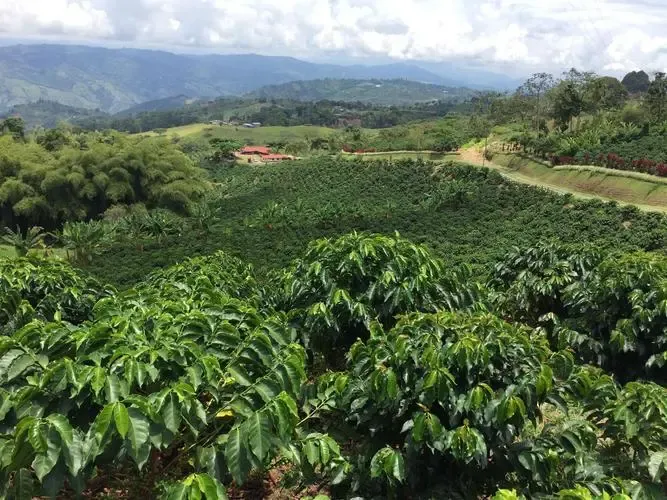
Situated in the tropics, Colombia's climate varies with terrain: the eastern plains and Pacific coast have a tropical rainforest climate, mountainous areas at 1,000-2,000 meters enjoy a subtropical climate, and the northwest features tropical savanna. The year splits into just two seasons, dry and rainy, with average annual rainfall of 11,000 mm and temperatures holding between 25-30°C. Add countless volcanoes and rivers, and forests covering 51.9% of the land, and you get an almost perfect formula for coffee: high mountains, volcanic soil, varied climates, abundant rain and sunshine.
Huila Region
Given its size, Colombia has many growing regions, and thanks to mountainous terrain and varied microclimates, each produces coffee with its own flavor signature. The country's most renowned regions currently include Antioquia, Santander, Huila, and Nariño.
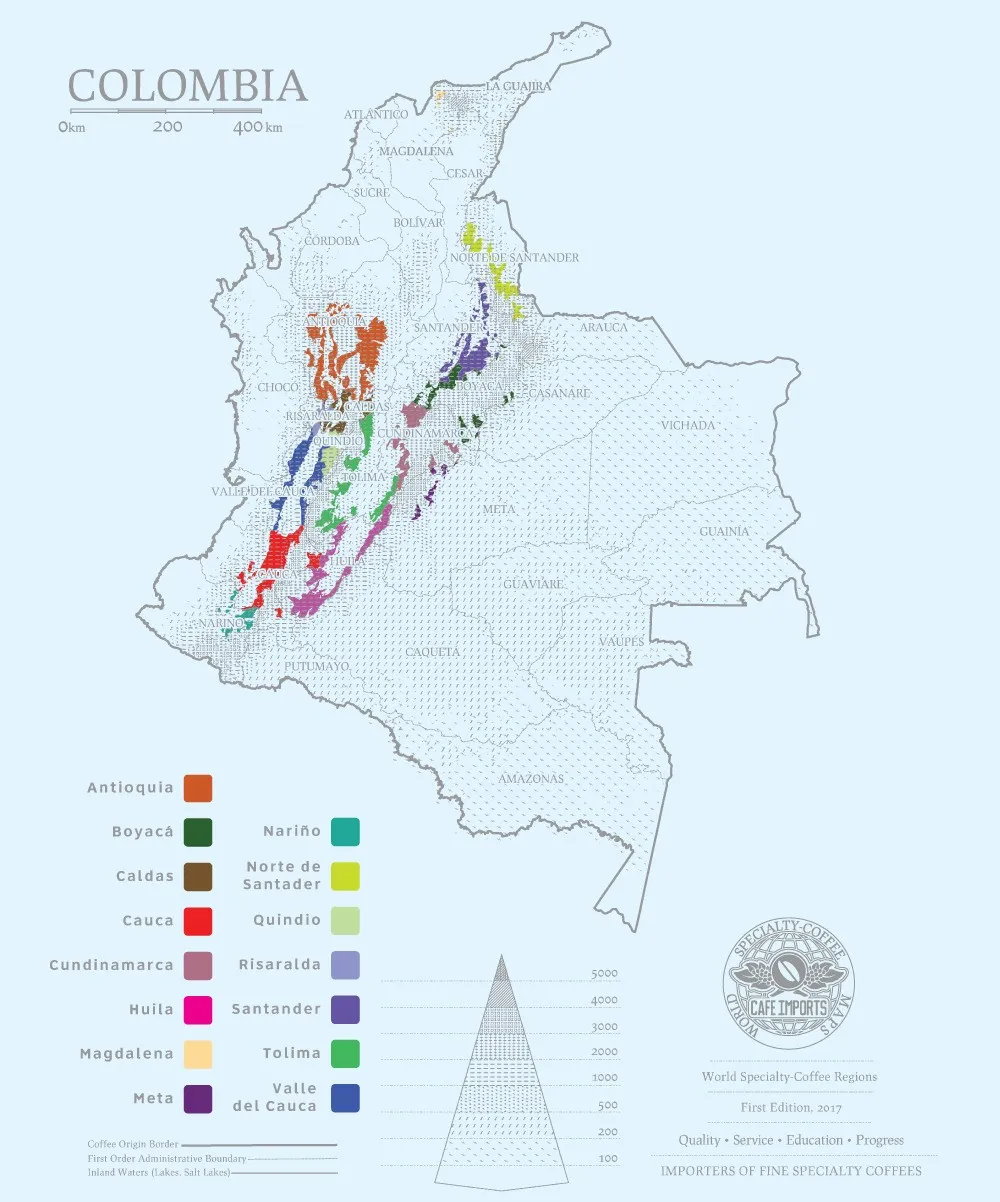
Huila Province lies in southern Colombia, at the southern end of the Central Mountain Range where the Central and Eastern Andes meet, with most of its land in the Magdalena River Valley. It is Colombia's most famous specialty coffee region — a landscape of hills ringed by mountains, with coffee grown at 1,200-1,800 meters and temperatures typically between 17°C and 23°C. Combined with abundant water and a unique climate, Huila coffee shows a clean, balanced, smooth profile. FrontStreet Coffee offers a washed Huila as an entry-level specialty selection: delicate, soft fruit acidity with nutty, dark chocolate, and caramel flavors, overall balance, and noticeable sweetness.
Finca El Diviso
Among Huila's well-known estates is Finca El Diviso, a small farm of just 14 hectares with a 27-year coffee production history. Founded by Jose Uribe Lasso in 1996, it is now run mainly by his grandson Nestor Lasso, with a staff made up almost entirely of family and friends. Young and energetic, Nestor keeps pushing for excellence in cultivation and processing. Alongside varieties such as Bourbon, Caturra, and Geisha, he has also planted rare ones including Pink Bourbon, Sidra, and Castillo.
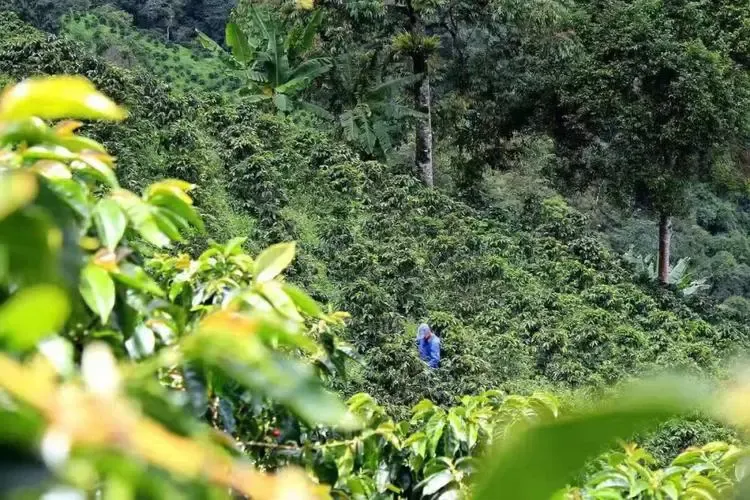
At the 2022 World Barista Championship (WBC), Australia's Anthony Douglas used Finca El Diviso Sidra in his routine and took the championship title, thrusting both the estate and the Sidra variety into the international spotlight.
The Sidra Variety
Sidra — called Sydra or Bourbon Sidra by some farmers — means "apple juice" or "cider" in Spanish. It is widely considered a hybrid of Typica and Bourbon, though genetic testing later revealed similarities to Ethiopian Heirloom. According to some accounts, Sidra is an experimental variety from a coffee breeding center Nestlé established in Ecuador's northern Pichincha province, whose mission was to cross Ethiopian heirlooms with local Typica or Bourbon. The center closed years ago, but Sidra is believed to have been among its "unreleased varieties."
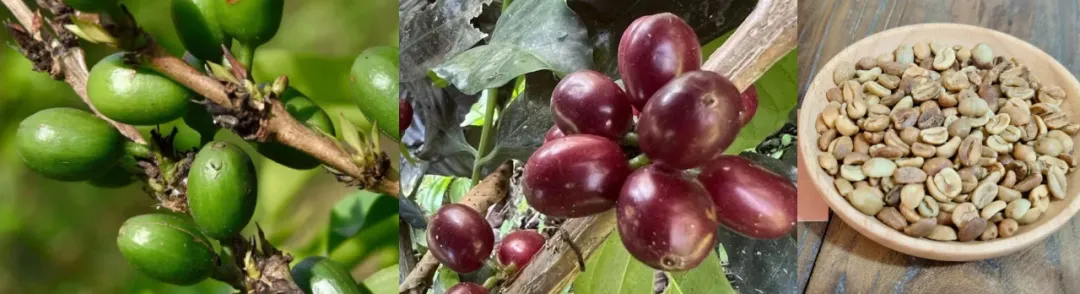
The Sidra plant has long, narrow leaves and five-petaled flowers, bears dense fruit clusters with relatively large, round cherries, and produces elongated green beans. The trees grow tall — up to 4 meters — and need appropriate shade when cultivated. The variety resists several pests well but is susceptible to leaf rust and coffee berry disease.
FrontStreet Coffee's Colombia Finca El Diviso Sidra
Region: Huila
Estate/Processing Station: Finca El Diviso
Altitude: 1,700-1,850 meters
Variety: Sidra
Processing: Double Anaerobic Natural
Flavor Profile: grape, passion fruit, dried apricot, citrus, fermented notes
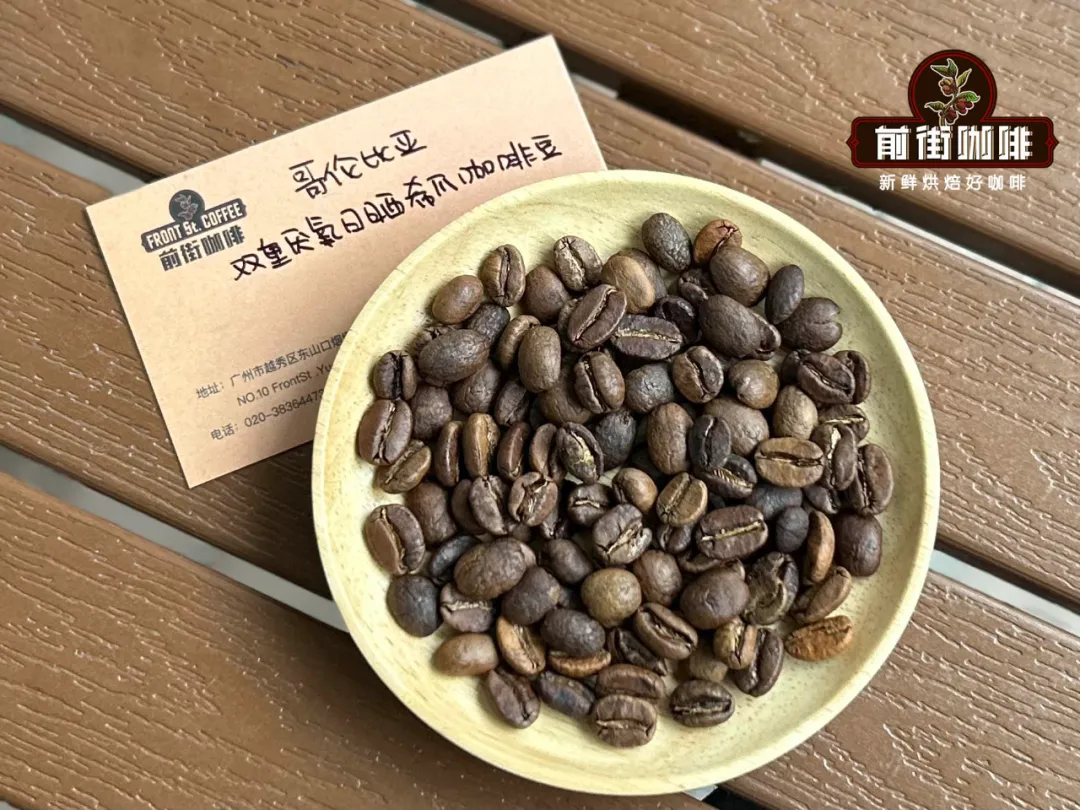
FrontStreet Coffee's Finca El Diviso Sidra undergoes double anaerobic natural processing and a medium-light roast. We brew it on a V60 at a 1:15 ratio with 92°C water. The cup opens with fermented wine-like aromas, carries grape, passion fruit, and dried apricot fruit flavors, and finishes with citrus-like acidity and a smooth mouthfeel.
FrontStreet Coffee Recommendation
If the fruity, experimental character of the El Diviso Sidra is your thing, it also pairs beautifully in blends — and for that, Brazilian beans are the classic partner. FrontStreet Coffee's espresso blends lean on Brazil for good reason: the country's low-acid, balanced, nutty-sweet coffee stabilizes extraction and adds chocolate and cream notes. The FrontStreet Signature Blend pairs Brazil Cerrado with Colombia Huila beans for the classic almond, dark chocolate, and caramel espresso taste our stores have poured for nearly a decade.
Prefer single-origin? Try the FrontStreet Brazil Cerrado Red Bourbon, a pulped-natural classic showing cream, peanut, toasted bread, caramel, and hazelnut with a round, gentle body — or step up to the FrontStreet Brazil Queen Estate Yellow Bourbon, whose rare Yellow Bourbon lot adds sugarcane-like sweetness and clean fruit tones over its nutty, chocolatey base, whether brewed as pour-over, moka pot, or machine coffee.
Important Notice :
FrontStreet Coffee is a long-established specialty coffee roaster in Guangzhou China, selling freshly roasted beans from its own farm in Yunnan as well as dozens of carefully selected single-origin beans from around the world for both pour-over and espresso. The products deliver consistently excellent quality and great value, with shipping within 24 hours. Guangzhou's FrontStreet Coffee shop is recommended by many coffee lovers, and the beans are now available online at the Tmall 。
FrontStreet Coffee has moved to a new address:
FrontStreet Coffee Address: 315,Donghua East Road,GuangZhou
Tel:020 38364473
 Scan and follow the En Gafei WeChat official account. Please indicate that the reprint comes from "En Gafei".