Washed vs Natural Coffee Beans: Flavor Profile Differences and Tasting Notes
At FrontStreet Coffee we have a tradition: brew a coffee and let everyone guess what it is — country of origin, then specific region, then processing method, layer by layer. But can you really identify the processing method just by tasting?

First, What Processing Methods Are
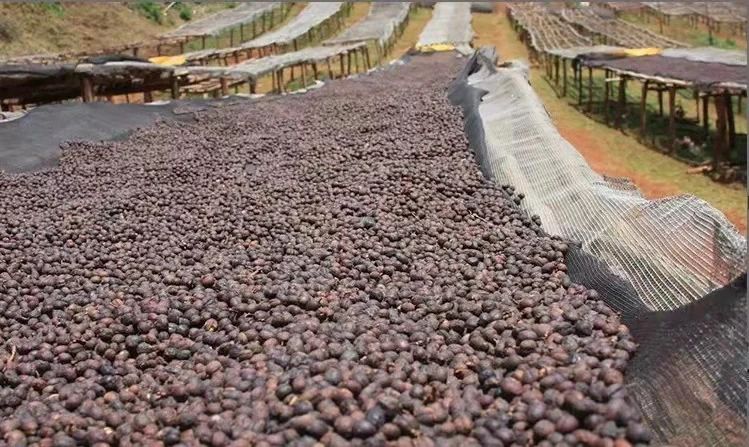
When coffee cherries ripen they are picked, but what we want is only the bean (the seed) wrapped inside pulp and skin. The ancients devised the most straightforward method: dry the whole cherries in the sun. As they dry, skin and pulp harden with moisture loss, and the beans can then be shaken free by simple crushing without sticking to your hands. That is the natural process.
In the 18th century, the Dutch tried a different approach: they first removed the skin and pulp, leaving sticky beans behind.
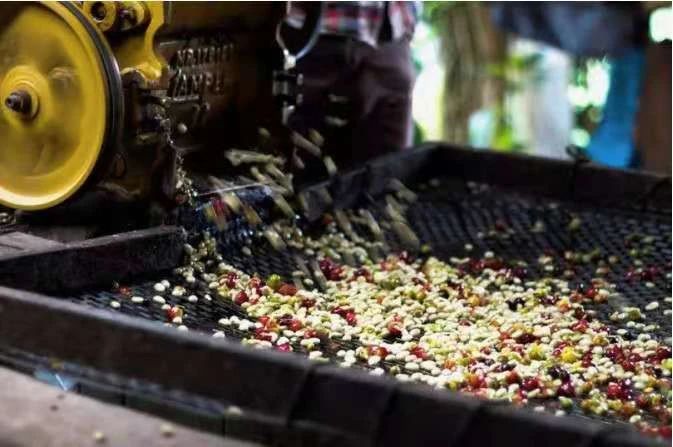
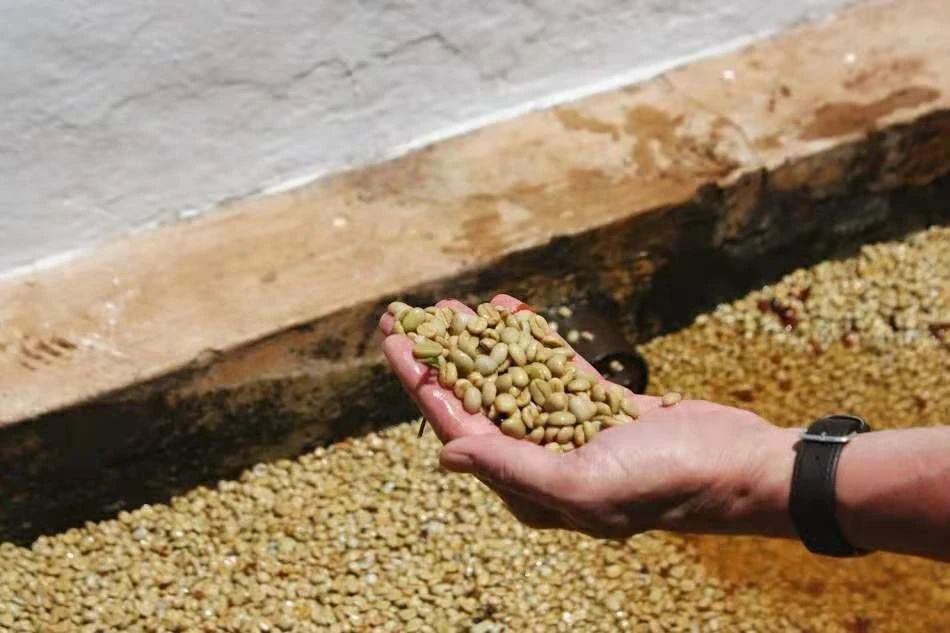
That sticky substance is the mucilage layer. To remove it, the Dutch soaked the beans in water pools for 1-2 days; once the mucilage separated, they rinsed the beans thoroughly with plenty of clean water. The final step, of course, was drying. That is the washed process.
Natural vs. Washed: Which Is Better?
Natural processing came first, and washed processing was invented to fix its weaknesses. What are those weaknesses? Weather dependence, chiefly. Drying whole cherries takes a long time — generally about two weeks — so any sudden weather change can ruin the batch. During drying, some fruit may split, attracting insects and making quality hard to guarantee.
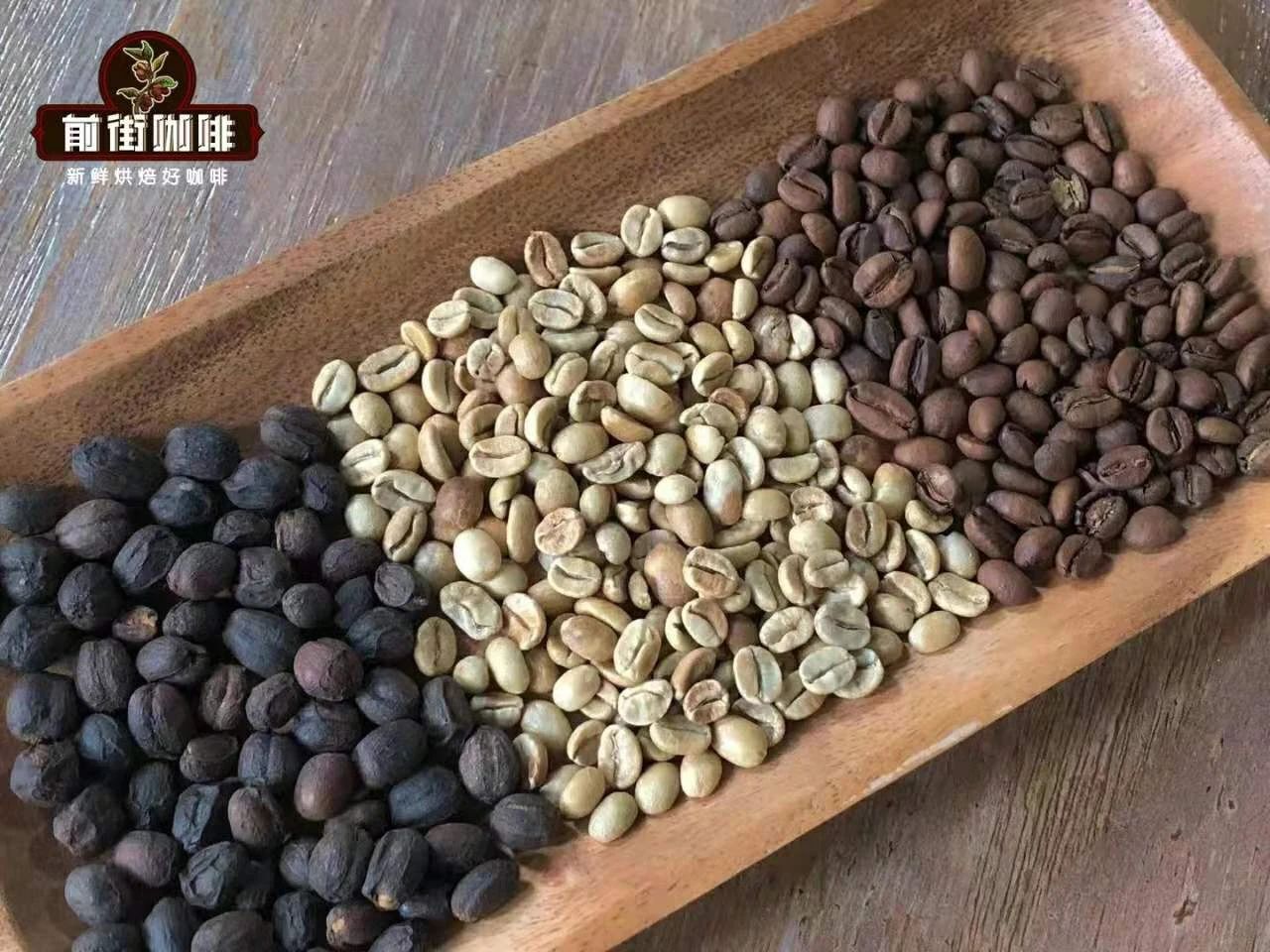
Washed processing solves these problems at the source. Without pulp and mucilage, insects stay away, and the beans dry faster. Removing the unpredictable element of pulp fermentation also gives washed beans a better appearance.
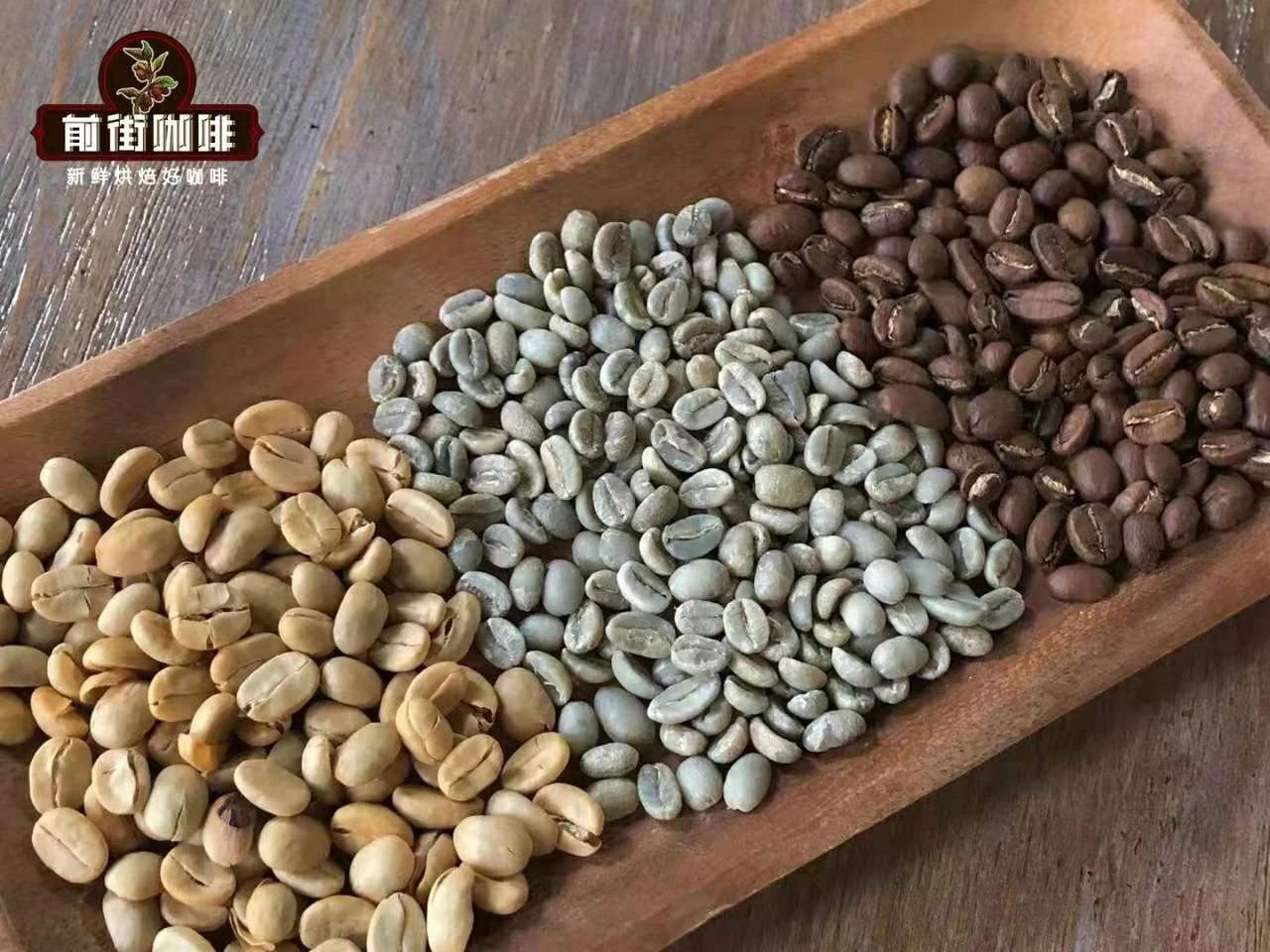
Of course, all of this was long ago. Washed processing has kept evolving, and natural processing has kept improving too. The Red Cherry Project, for instance, advocates using only fully red cherries for naturals, and growing regions now dry on African raised beds — all refinements aimed at quality. Naturals have also branched into "craft" styles such as refined natural, slow natural, and wine-style natural!
Can You Identify the Process Just by Tasting?
At FrontStreet Coffee, customers often have clear preferences — some love washed coffee, others swear by naturals. The washed fans describe their ideal as clear, clean, and comfortable; the natural fans as sweet, delicious, and full-bodied.
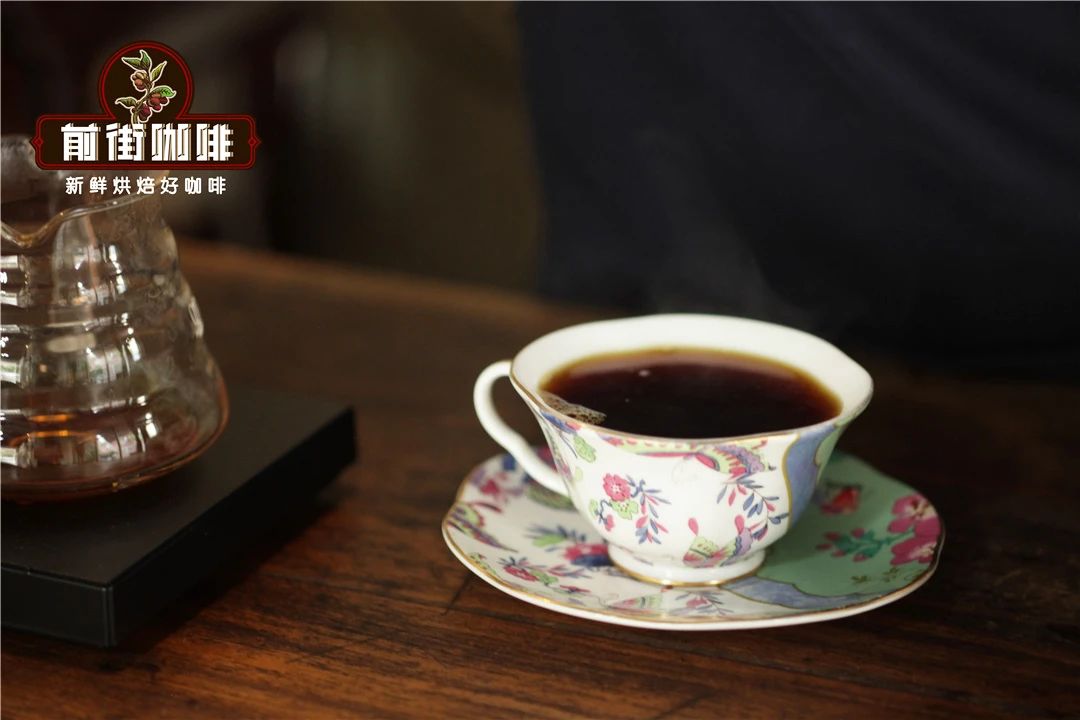
FrontStreet Coffee frequently runs side-by-side comparisons of processing methods using Yirgacheffe, Geisha from Hacienda La Esmeralda, and Jamaica Blue Mountain No. 1. Two reasons: first, all three are famous, representative coffees; second, we stock both the washed and natural versions of each, which makes the comparison especially clear.
Yirgacheffe: Both share citrus acidity and a tea-like aftertaste. The natural shows fermented fruit aroma, leaning toward berry-like sweet-tart notes. The washed is clear and clean, with distinct floral and tea character, overall lighter. The contrast is quite obvious.
Esmeralda Special Blue Label Geisha: Both share white florals, citrus, and honey. The natural is rich and juice-like, with pronounced sweet-tart fruit and layered body. The washed carries oolong tea notes and, as it cools, a distinct sweet-potato aroma — the overall experience light and comfortable.
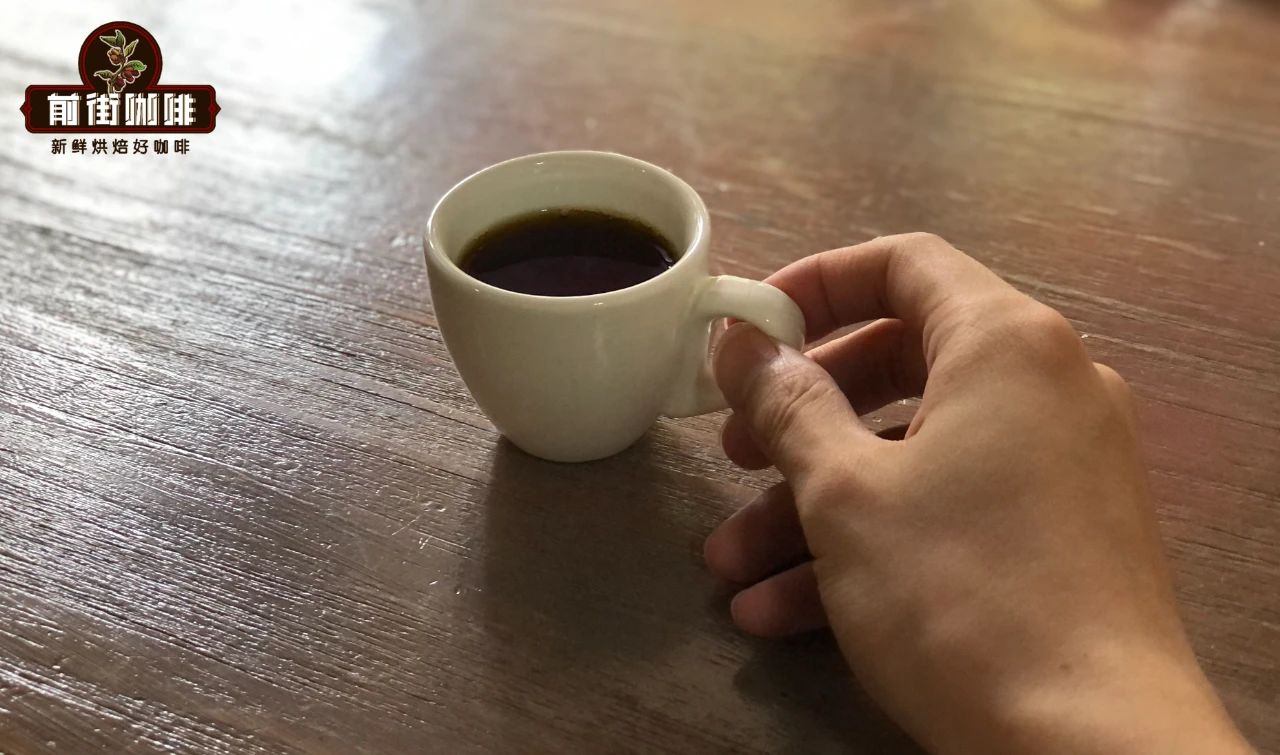
Blue Mountain No. 1: Both share dark chocolate and richness. The washed highlights the balance of sweet, sour, and bitter — the classic Blue Mountain profile. The natural shows distinct brown-sugar sweetness.
From this it is easy to see the pattern: natural coffees generally deliver more sweetness and richer layers, while washed coffees excel in cleanliness and flavor stability.
So how do you identify the process by tasting alone? "No special secret — I'm just experienced." Drink more!!!
FrontStreet Coffee Recommendation
To taste washed processing at its best, start with FrontStreet Coffee's washed Yirgacheffe Guodingding Cooperative lot. Smallholder farmers send their cherries to the Guodingding cooperative for unified processing, and the team's skilled washing work lets the coffee show jasmine florals and bright citrus acidity at their clearest — after a medium-light roast, notes of green tea and honey emerge, and the coffee shines as a pour-over, a cold brew, or even an espresso.
For washed coffee taken to the extreme, FrontStreet Coffee's Kenya Cherry Tomato is a benchmark: Kenya is a master of double washed fermentation, washing, soaking, and drying its beans repeatedly to push juiciness to the limit. Expect cherry tomato, dried plum, snow pear, black plum, and golden-sugar aromas in a sweet-tart, fruit-juice-like cup. And if balance is what you prize, the washed Jamaica Blue Mountain No. 1 — born of the island's short sunshine and the need for fast, clean drying — delivers hazelnut, cream, chocolate, and caramel with nothing out of place.
Important Notice :
FrontStreet Coffee is a long-established specialty coffee roaster in Guangzhou China, selling freshly roasted beans from its own farm in Yunnan as well as dozens of carefully selected single-origin beans from around the world for both pour-over and espresso. The products deliver consistently excellent quality and great value, with shipping within 24 hours. Guangzhou's FrontStreet Coffee shop is recommended by many coffee lovers, and the beans are now available online at the Tmall 。
FrontStreet Coffee has moved to a new address:
FrontStreet Coffee Address: 315,Donghua East Road,GuangZhou
Tel:020 38364473
 Scan and follow the En Gafei WeChat official account. Please indicate that the reprint comes from "En Gafei".