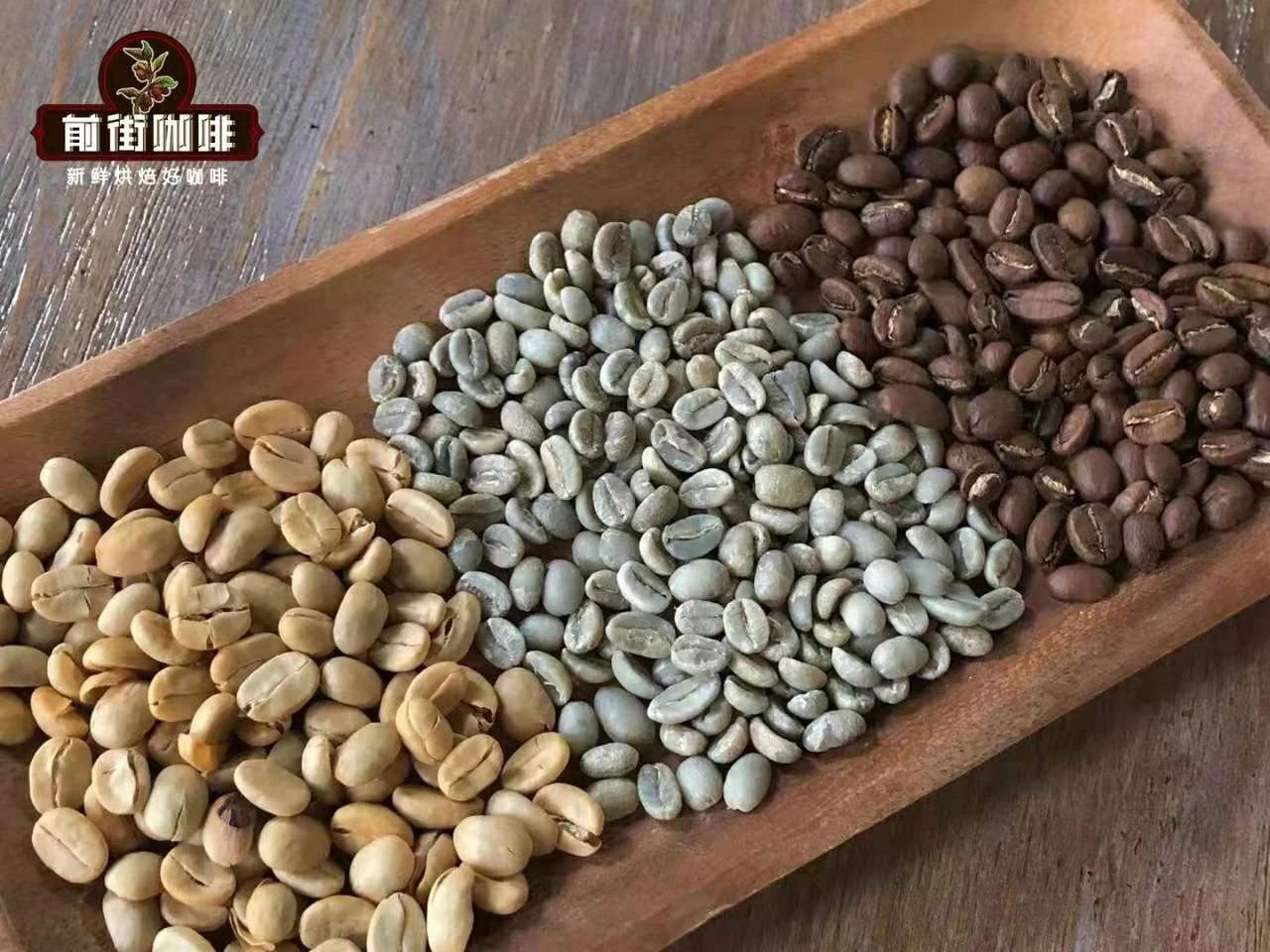
Is Cold Brew Coffee Delicious? Which Coffee Beans Are Best for Ice Water Brewing - Cold Pour-Over Coffee Tutorial

We have previously shared Japanese-style iced pour-over coffee, essentially hot coffee cooled down with ice. This time, however, FrontStreet Coffee introduces true ice-water-brewed pour-over coffee. Don't blink!

Can Coffee Be Brewed with Ice Water?
A regular pour-over finishes in just 2-3 minutes, and only high-temperature water can pull the flavor compounds out of coffee that fast. Brewing with ice water seems impractical, cold drip and cold brew methods need hours.
But this time we are going to dig into the principles of coffee extraction. The pour-over model we all use is really a brew built from accumulated theory and practice: someone tells you that at this water temperature, with this grind size and this pouring technique, you will brew delicious coffee, and indeed you do.
But if you analyze the relationships within, grind size versus water temperature, how each pouring technique shapes the flavor, understanding them thoroughly reveals other delicious ways to brew (there is more than one path to success).
Back to brewing with ice water. Yes, its extraction efficiency is far below hot water's, but anyone who understands how the extraction variables interact knows that hotter is not always better, and finer is not always better, everything has an optimal point.
FrontStreet Coffee's Ice Water Brewing Method and Analysis
The goal: brew a refreshing, delicious pour-over entirely with ice water. For the bean, FrontStreet Coffee chose its Costa Rica Strawberry Candy. This bean has performed excellently in previous iced pour-overs and cold brews, light rose florals and strawberry-candy sweetness that feel wonderfully comfortable and delicious.

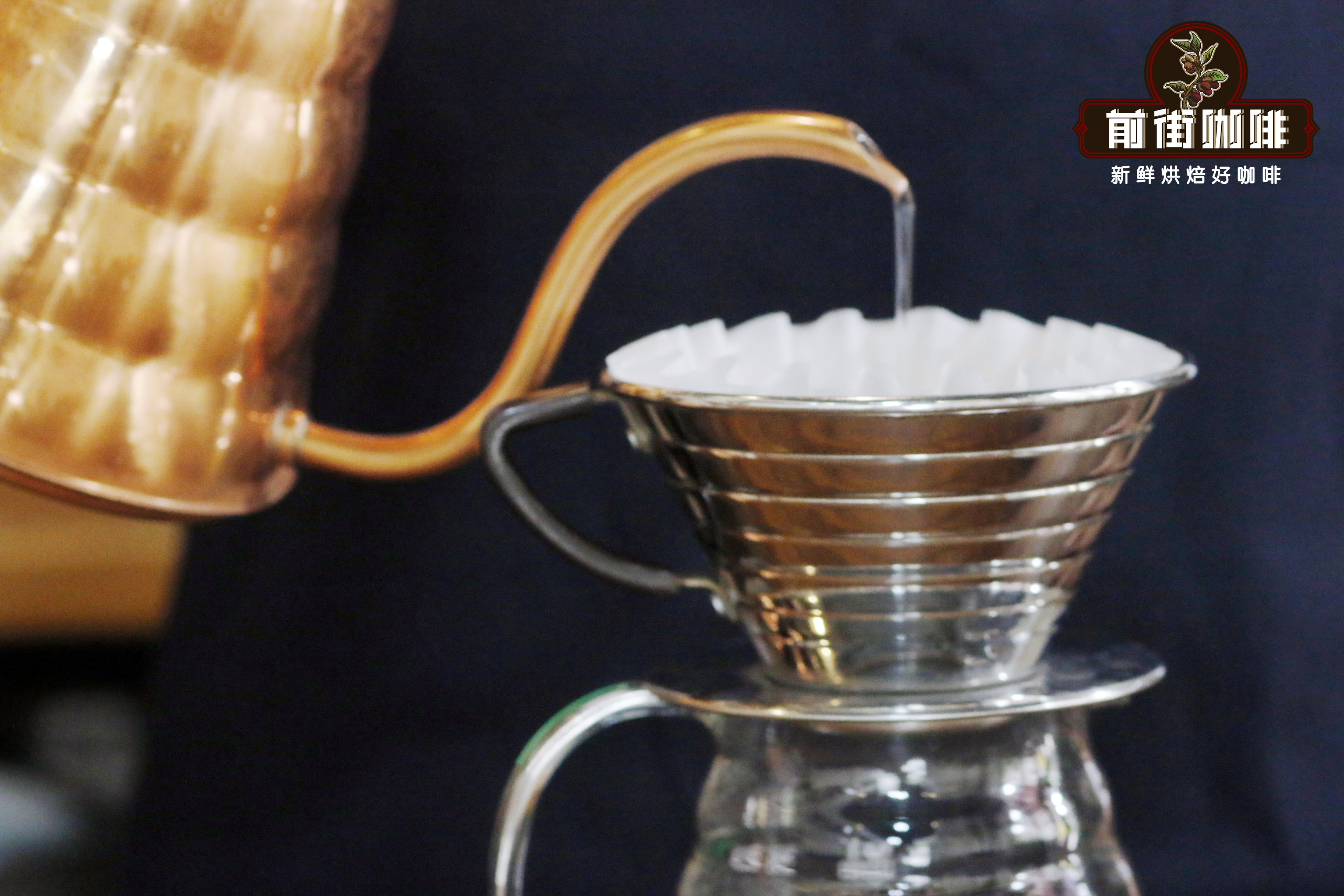
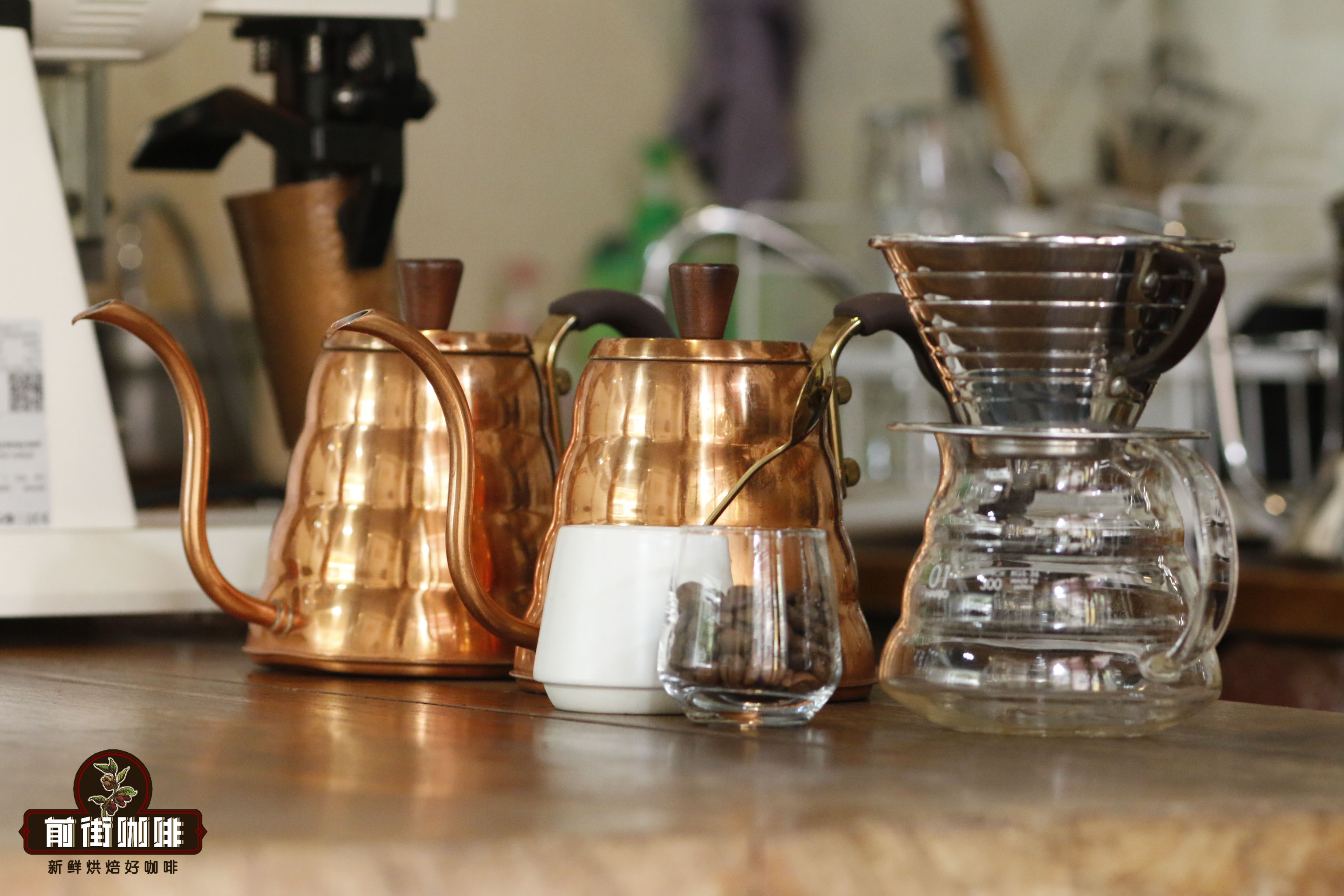
Next, the dripper. Because ice water extracts slowly and grounds tend to accumulate, FrontStreet Coffee chose the Kalita Wave flat-bottom 3-hole cake dripper. Flat-bottom beats cone here because it cannot seal off the drainage holes, and this dripper drains slowly by design, exactly what we need.
Then the grind, chosen with two factors in mind: whether it will clog, and whether it will under-extract. After repeated tests and adjustments, FrontStreet Coffee settled on a grind where 90% passes through a #20 sieve, equivalent to an EK43s setting of 7.
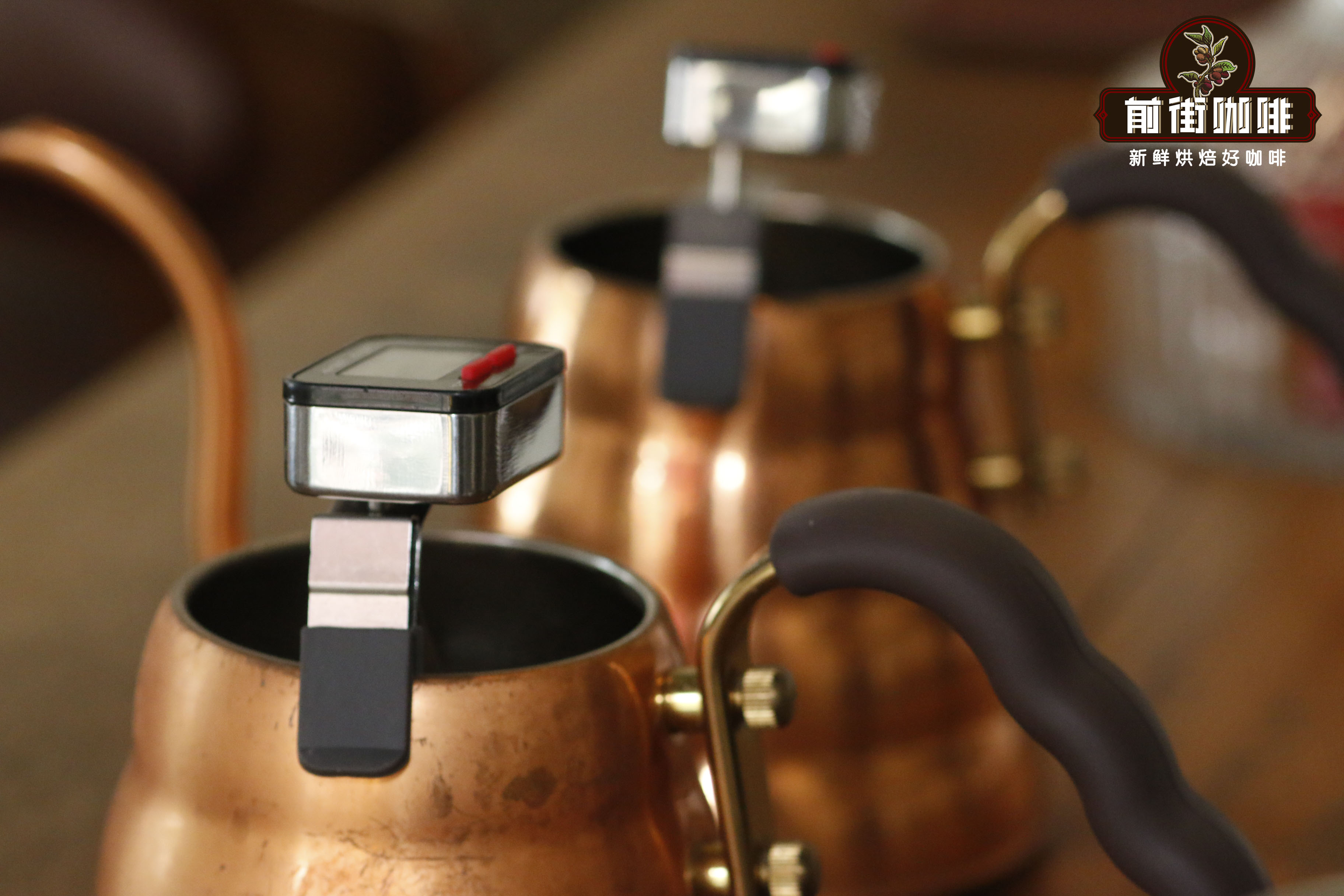
To brew, you also need two pour-over kettles (one with hot water, one with an ice-water mix) and a spoon for stirring (to prevent blockage).
Brewing Steps
1. Place the filter paper, add 20g of coffee, and pour 35ml of 96°C hot water to wet all the grounds. Bloom for 1 minute 30 seconds.
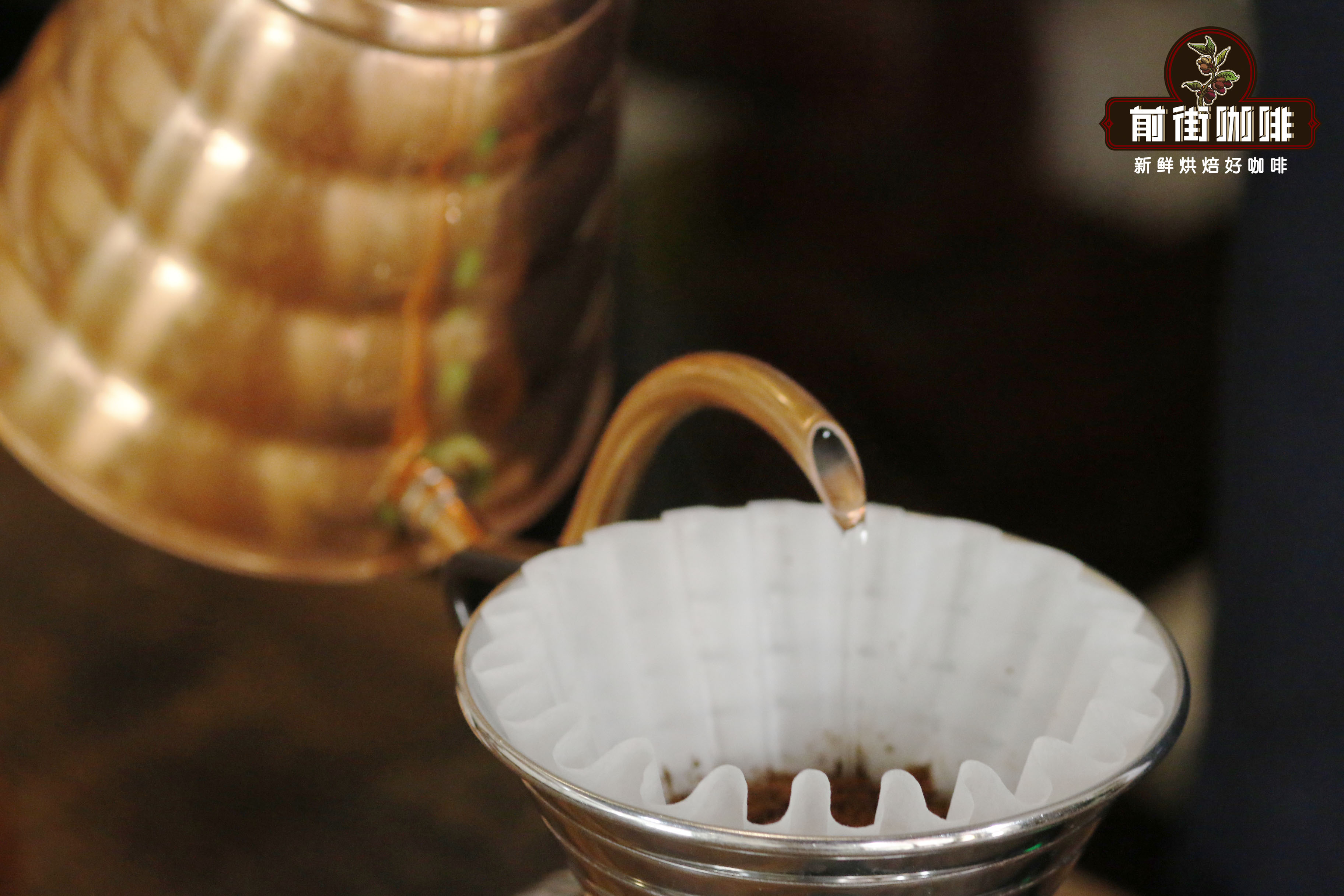
Repeated testing showed 35ml is just enough to wet all the grounds while minimizing dripping into the lower pot, and the longer bloom is meant to boost subsequent extraction efficiency.
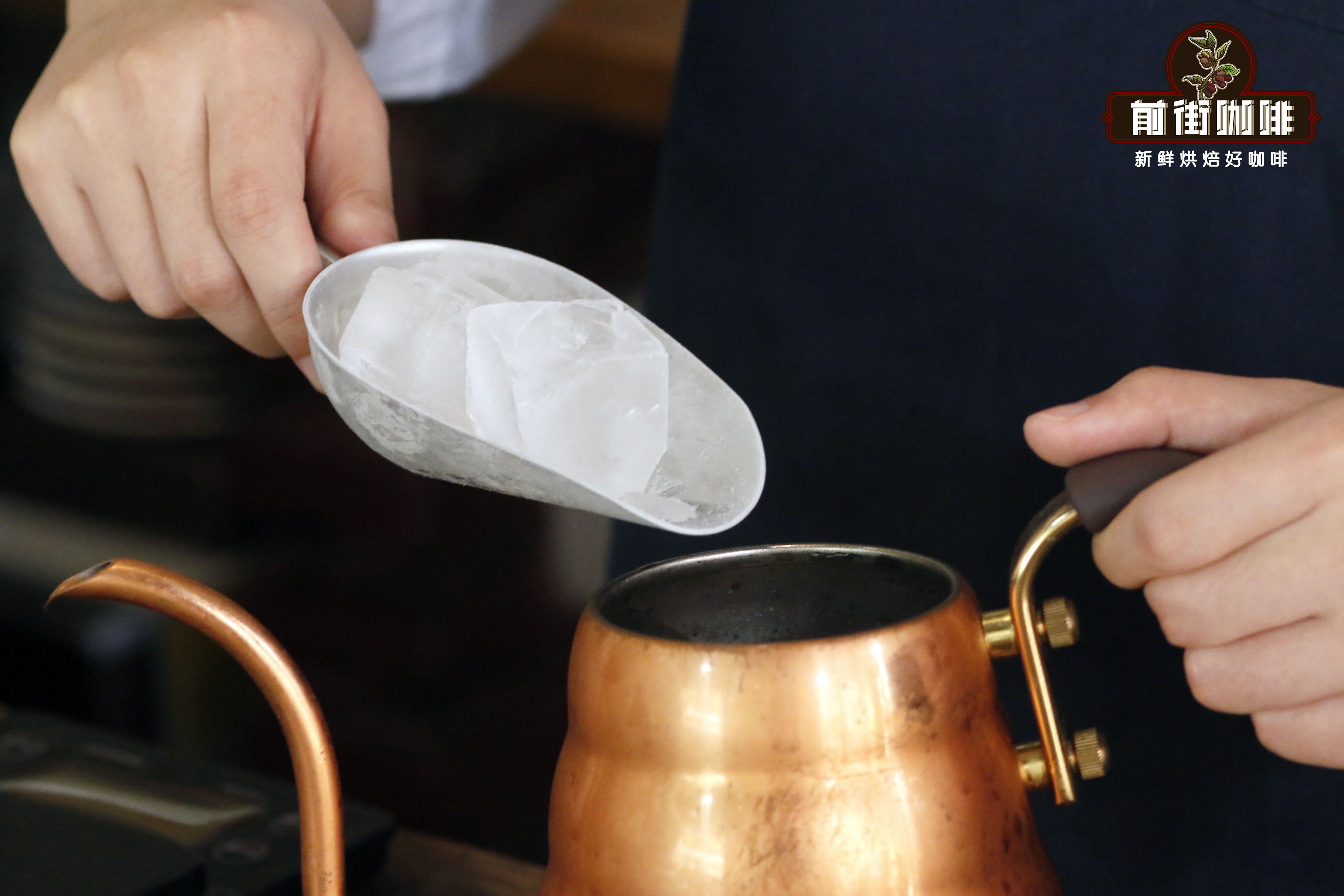
2. Switch to the ice-water kettle and pour 100ml of ice water in large, circular motions, using the force of the stream to agitate the coffee bed.
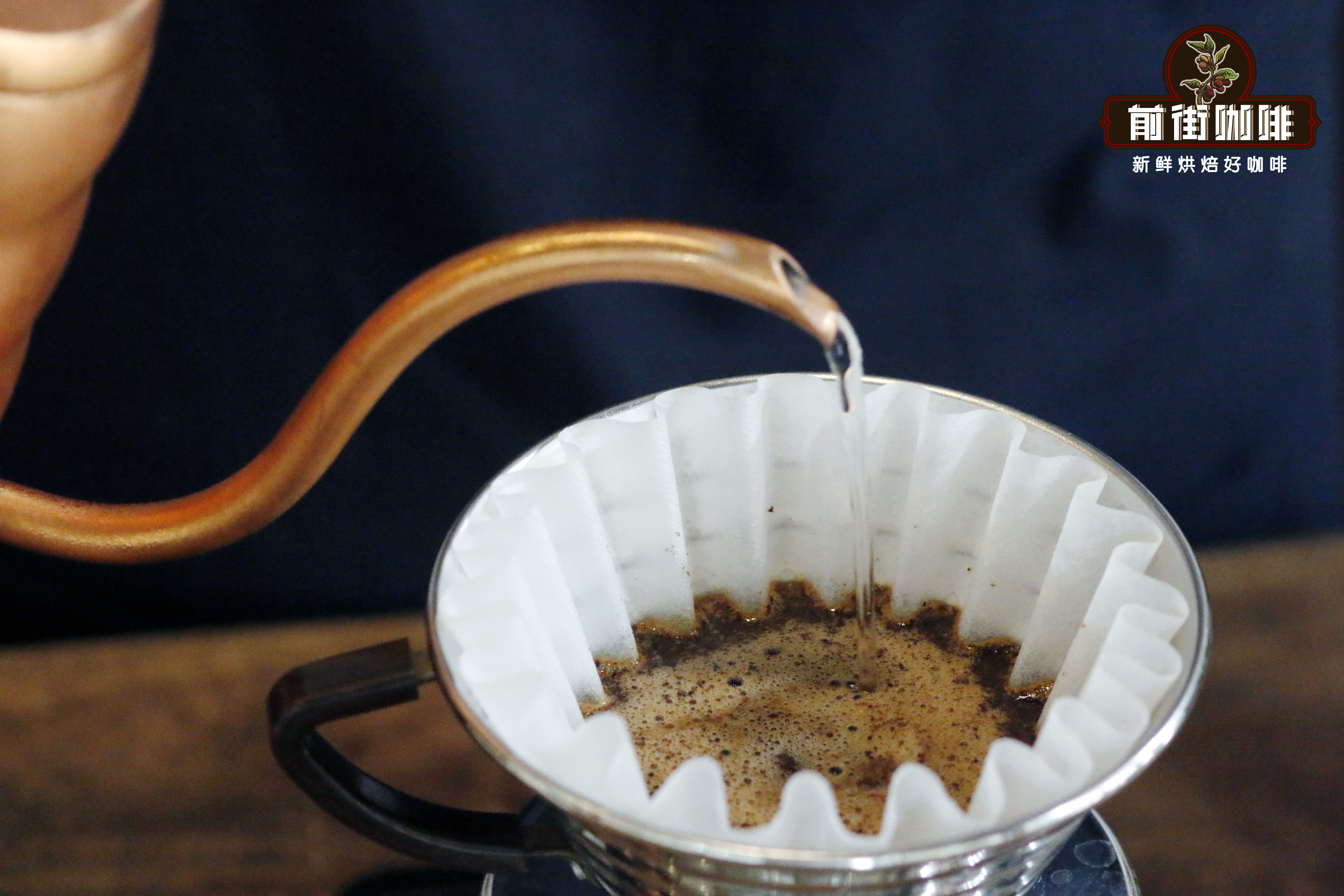
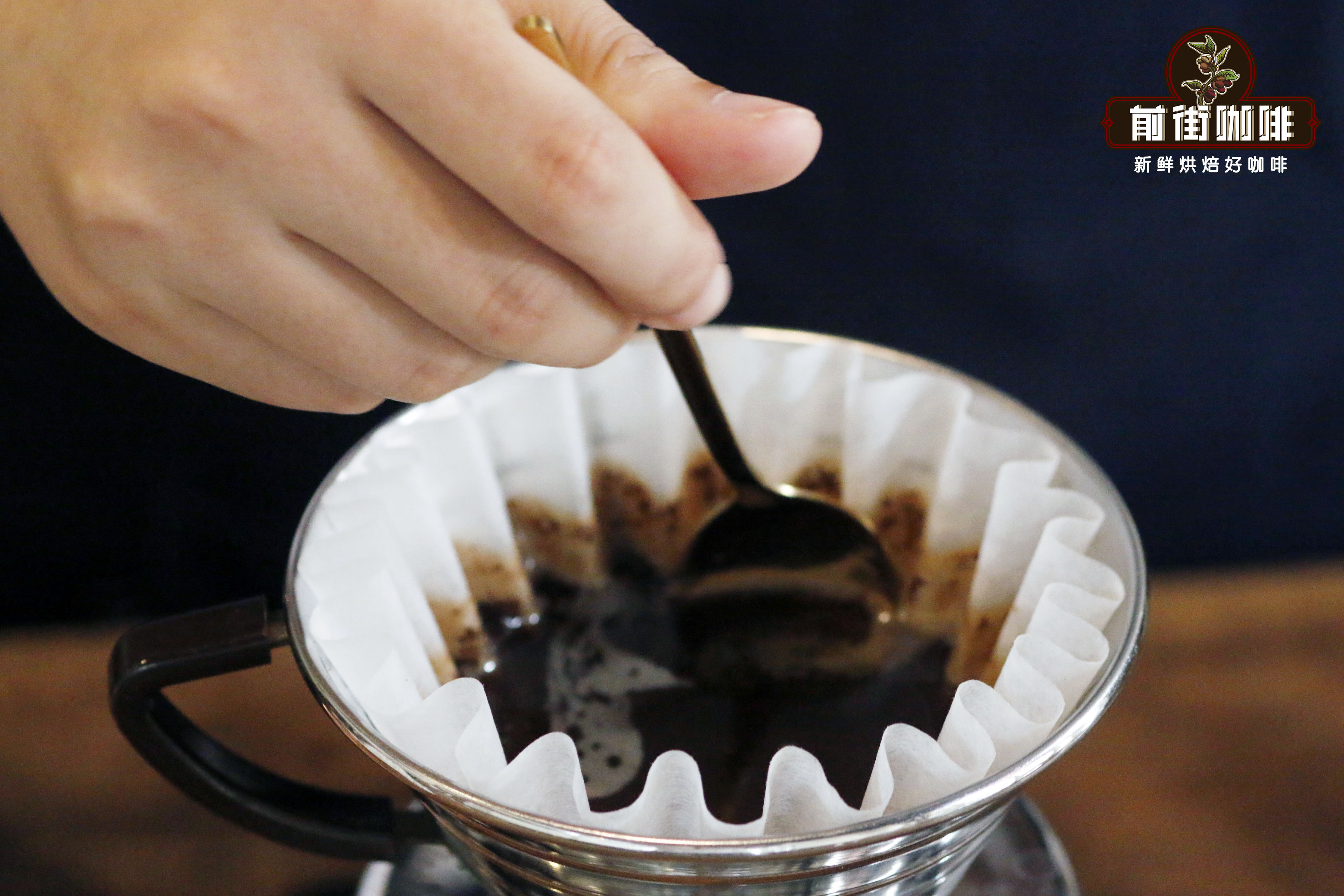
3. When the water level drops to halfway, pour another 100ml, then stir the coffee bed gently with a small spoon so fines cannot block the drainage holes. End extraction when all the coffee has flowed into the lower pot, total time 4 minutes 20 seconds.
The freshly brewed coffee is very cold. On tasting, the blueberry fruit character is rich, the mouthfeel full, with no watery thinness. Extremely refreshing on a summer day.
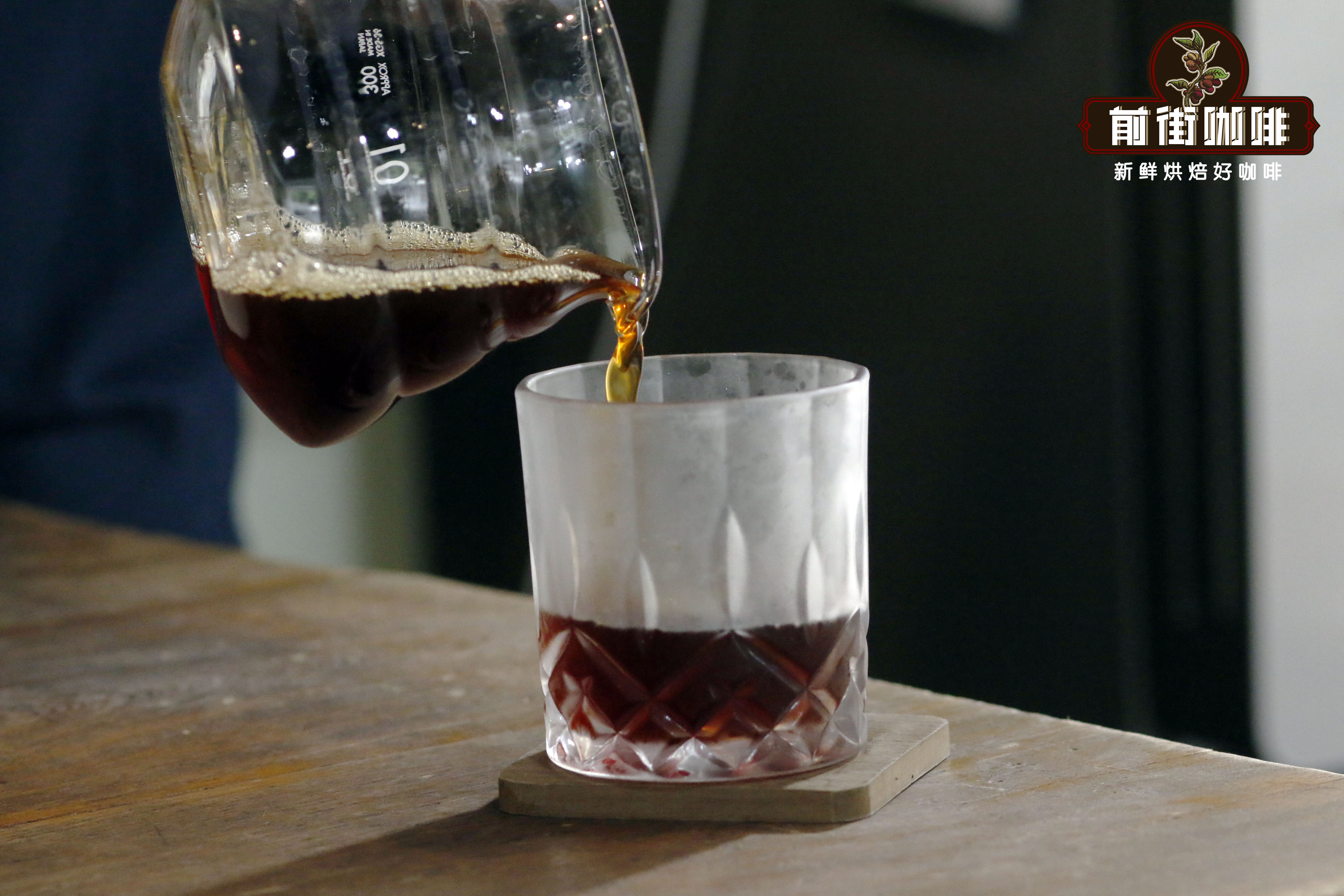
Can You Brew Coffee with Soda Water?
The ever-adventurous team at FrontStreet Coffee decided not to waste the opportunity, and used soda water as the ice-water source to see what would happen.
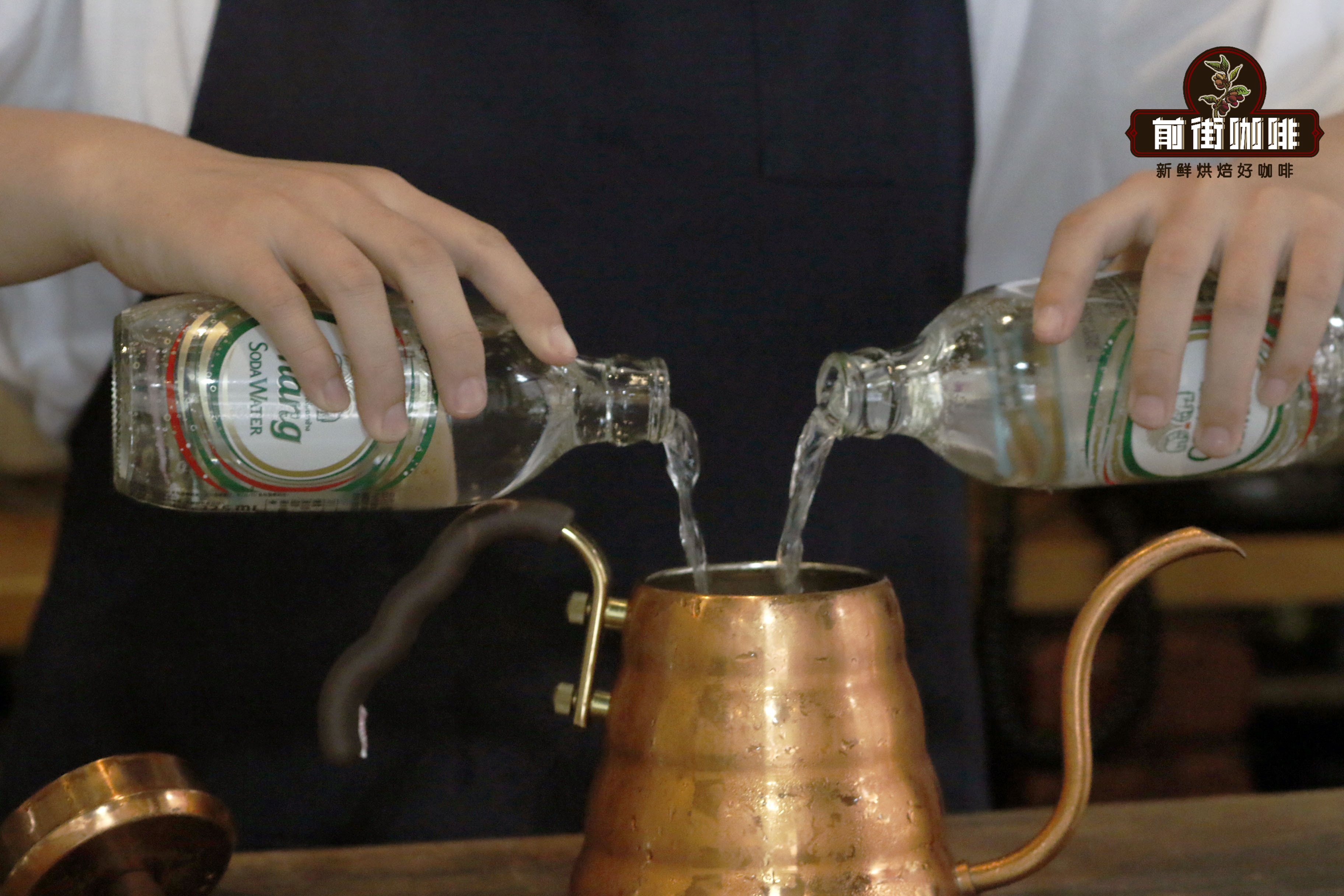
Double the happiness for baristas
The method and parameters are the same as above, with the ice water replaced by iced soda water; the bloom still uses regular hot water. Nothing unusual happened until the bloom ended, but the moment the soda water hit the coffee, a huge amount of bubbles surged out.
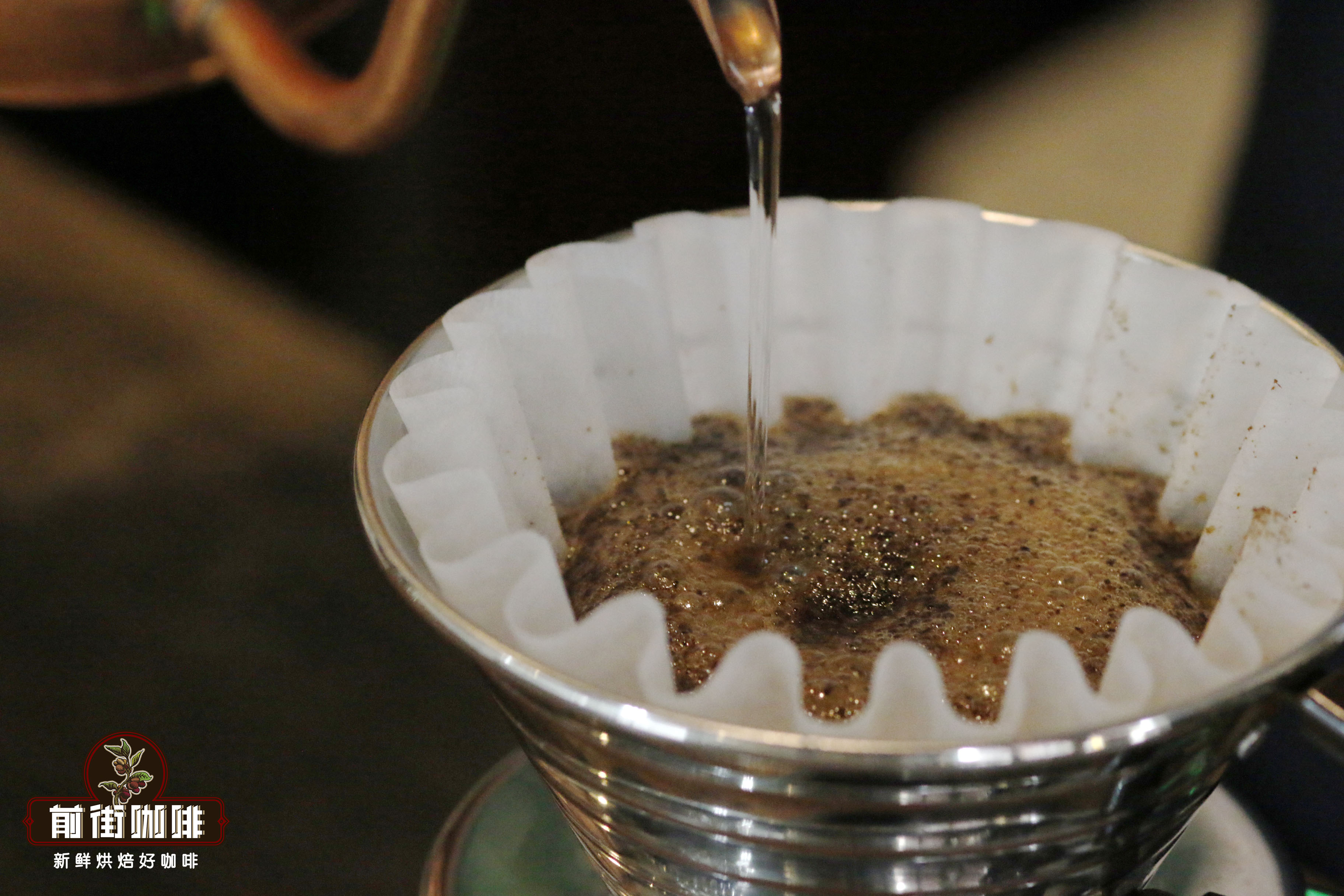
The coffee bed rose higher than usual, and the grounds became very loose from the carbonation. Finally, when the liquid drained into the lower pot, the bed lost its support and collapsed.
Coffee brewed with soda water picks up a soda-like bitterness, and since the bubbles all dissipate during brewing, you will not taste any carbonation in the cup.
FrontStreet Coffee Recommendation
Cold and iced brewing amplifies floral and fruity tones while muting woody and roast flavors, so light-to-medium roasts are the natural choice, and few beans suit them better than the Strawberry Candy used in this experiment. The blend pairs Panama Gesha, world-famous for its classic florals and fresh fruit acidity, with a honey-processed Costa Rica coffee: the Gesha contributes delicate rose and orange, the honey lot brings grape, dried blueberry, and strawberry-gummy sweetness. As cold brew it is sweet-tart and lively, and if you let it ferment and settle briefly, it even takes on a wine-like character.
If you prefer florals over fruit, FrontStreet Coffee's natural Huakui from Ethiopia, coffee's birthplace, is the pick: dried inside the cherry, the beans absorb abundant sweet compounds, and brewed cold it shows magnolia, cream strawberry, dried mango, guava, and black tea notes. For a full-on juice experience, the Kenya cherry-tomato lot from Thika (SL28 and SL34, K72 double-washed) pours out cherry tomato, snow pear, black plum, and dark plum at low temperature, low bitterness, full acidity, wonderfully refreshing over ice. And since cold brew consumes more coffee than hot pour-over, FrontStreet Coffee offers a value trick: blend the prized Colombia Sidra with a more affordable Costa Rica Tarrazu at a 1:2 ratio, and you keep the Sidra's floral-fruit character and the Tarrazu's crisp citrus acidity at a fraction of the cost.
Important Notice :
FrontStreet Coffee is a long-established specialty coffee roaster in Guangzhou China, selling freshly roasted beans from its own farm in Yunnan as well as dozens of carefully selected single-origin beans from around the world for both pour-over and espresso. The products deliver consistently excellent quality and great value, with shipping within 24 hours. Guangzhou's FrontStreet Coffee shop is recommended by many coffee lovers, and the beans are now available online at the Tmall 。
FrontStreet Coffee has moved to a new address:
FrontStreet Coffee Address: 315,Donghua East Road,GuangZhou
Tel:020 38364473
 Scan and follow the En Gafei WeChat official account. Please indicate that the reprint comes from "En Gafei".