Complete Guide to Coffee Brewing Methods: What is Drip Coffee? What are the Characteristics of Drip Coffee?
The Diversity of Coffee Brewing Methods
Coffee comes in many forms: some people reach for instant, others love pour-over, and some swear by cold brew. Different brewing methods produce coffee with very different characters — some offer layered flavors and prominent aromas, while others prioritize convenience. Each can be chosen to suit personal taste.
Pour-over is one kind of drip brewing. Drip brewing is actually quite common in offices and homes because it's typically straightforward. Coffee is one of the world's most popular beverages, and "coffee" encompasses every drink made from roasted beans — including espresso and cold brew.

Today, the most common drip method is pour-over. It tends to showcase coffee's delicate, refined flavors best, which is why people usually reach for it to enjoy single-origin black coffee. FrontStreet Coffee believes pour-over expresses coffee's terroir most faithfully. Unlike espresso, drip coffee has lower strength and concentration, no crema layering, and a pure taste of consistent quality. Without pressure's influence, the hot water absorbs the coffee's oils and aromatic compounds more fully, yielding a smoother cup.
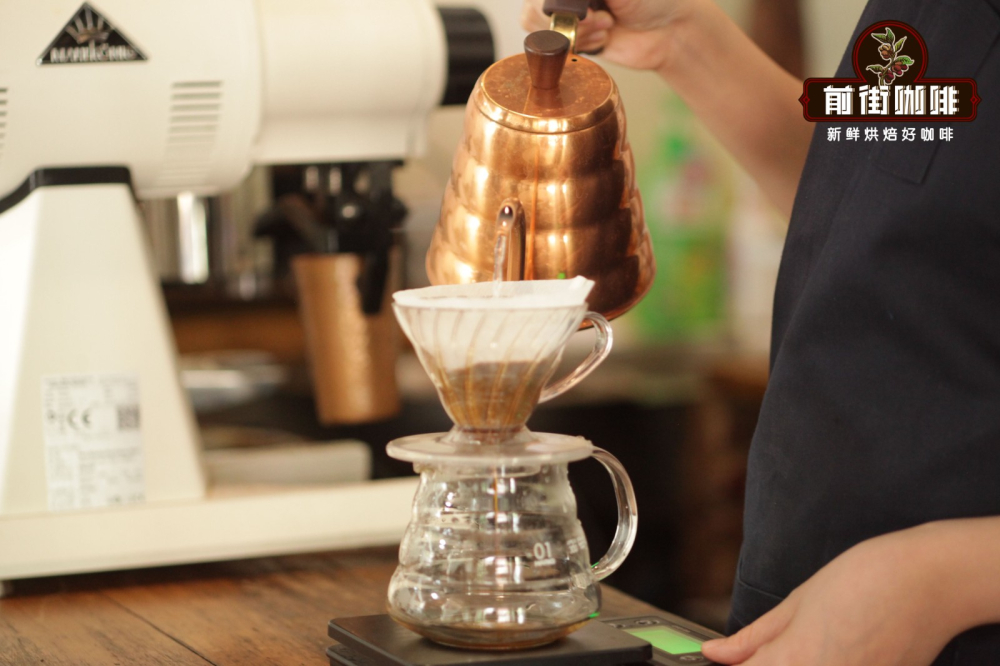
The difference between drip coffee and pour-over lies in concept, brewing method, and taste. Drip coffee includes pour-over but is not limited to it, while pour-over is one method within the drip family — that's the conceptual distinction. Drip coffee is typically machine-made, while pour-over is brewed by hand. In the cup, drip coffee delivers more consistent flavors, while pour-over varies with the brewer's technique.
Understanding Coffee Extraction
Extraction means grinding the beans and using water to draw out their soluble compounds. The common extraction methods are drip, espresso, immersion, and boiling.
Drip Coffee
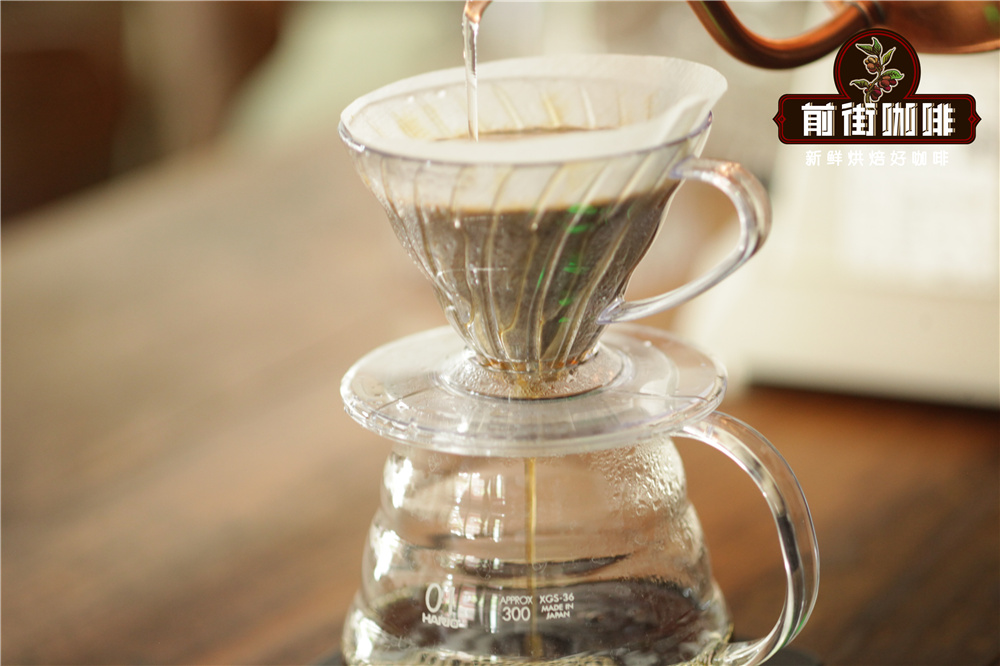
Under normal atmospheric pressure, hot water passes through a bed of grounds, extracting the aromatics. Coffee made this way is also called pour-over. Common pour-over tools include Melitta filter cones, Chemex, V60 drippers, and KONO cones.
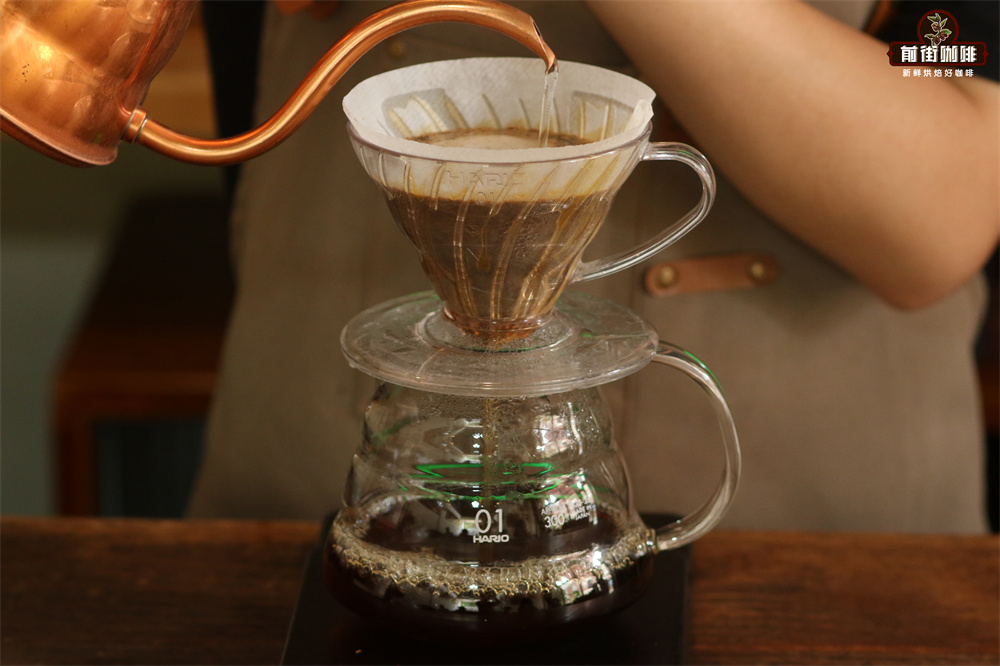
Pour-over is a gentle, natural extraction method that presents the bean's flavor spectrum faithfully. Because filter paper traps the oils, the brew has a very clear, typically dark reddish color. Pour-over is arguably the most cost-effective personal brewing setup: no need to spend heavily on machines or leave home — you can experience the rich aromatics of specialty coffee while keeping full control of every brewing variable. Different approaches do produce different characters, though: some emphasize body and richness, others a clean, crisp cup.
Americans invented electric drip brewers based on pour-over principles — the familiar "American coffee maker." So what an American coffee maker produces is not an Americano but drip coffee.
Espresso
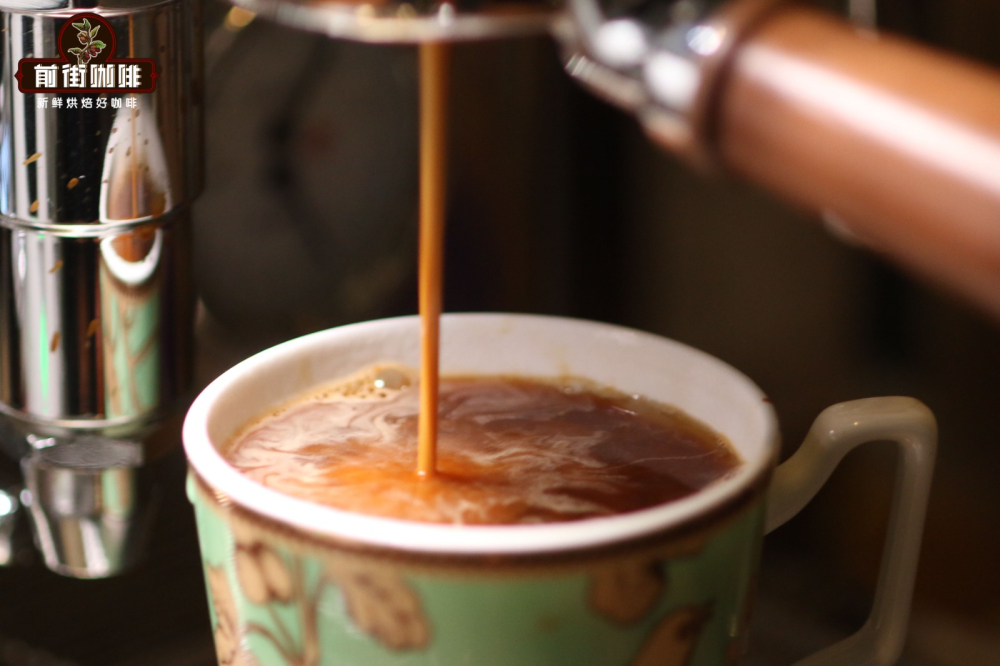
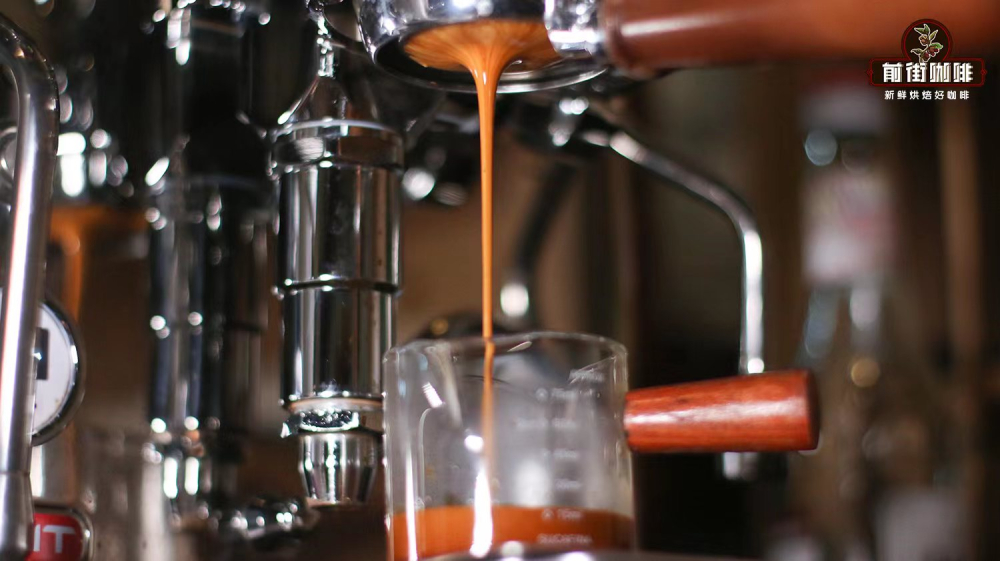
Espresso machines pressurize hot water to 9 atmospheres and force it through finely ground coffee, instantly extracting the soluble components into a small, intense shot.

If drip coffee's signature is clean and clear, espresso's is intensity and richness. The lipids in the beans are emulsified under pressure, producing caramel-like aromas. Another hallmark is the thick blanket of foam on top — the crema. Crema results from carbon dioxide acting together with pressure changes: under the machine's high pressure, CO2 from the beans dissolves heavily into the water, but once the liquid returns to normal atmospheric pressure it can no longer hold those gas molecules, so countless tiny bubbles rise and remain on the surface as foam. Crema is an important gauge of bean freshness — the longer since roasting, the less CO2 remains, and the thinner the foam.
Immersion Coffee
Unlike drip and espresso, where water flows through the grounds, immersion devices steep grounds and water together for more even extraction. Coffee made this way retains more oils, offering a richer, fuller body.
Boiled Coffee
This method puts the equipment on a heat source for continuous heating. Representative tools include Turkish coffee pots and moka pots. Because the water temperature can easily skyrocket, these tools often produce very strong, bitter coffee.
People occasionally call moka pot coffee "espresso." Strictly speaking, it's just a home brewing method Italians favor — not true espresso.
Those are the more common extraction methods. Beyond them, the portable, versatile AeroPress and the visually captivating siphon brewer are also popular.
Five Main Coffee Brewing Categories
Based on how water contacts the coffee and the grind size involved, brewing falls into five categories: "infusion," "pressure," "gravity," "immersion," and "cold brew."
Infusion Method
The simplest approach is to put grounds in a cup, add hot water, and let it cool as the grounds settle — an old technique still used in parts of Indonesia. Just be careful not to drink the grounds at the bottom. Turkish coffee is an early recipe still popular across the Middle East, North Africa, East Africa, Turkey, Greece, and the Balkans: ultra-fine grounds are boiled with water in small pots, typically sweetened with sugar and cardamom, and served strong with foam on top and sludge at the bottom. "Cowboy coffee" — boiling grounds directly in a pot and drinking it all — sounds like a makeshift solution under rough conditions, yet some people genuinely prefer it. Finland and Sweden, the countries with the highest per-capita coffee consumption, still use traditional boiled methods.
Pressure Method
Espresso is made by forcing 80-96°C water through compacted grounds at 8-9 atmospheres, typically yielding only 30ml per cup. It's the strongest of the common coffees, yet it carries unique aromas and a floating layer of crema. It can be drunk straight or turned into countless other drinks. Because it brews quickly, is highly concentrated, and contains relatively little caffeine per cup, many chain cafés and flavored-coffee drinks rely on it.
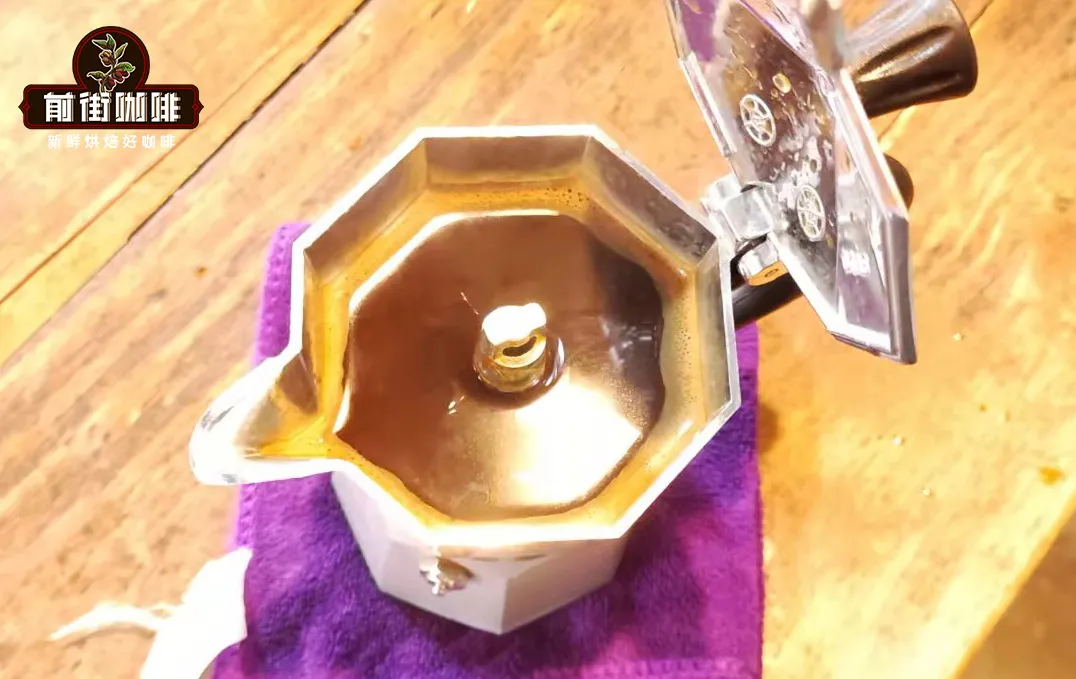
The moka pot, or "Italian coffee pot," is a three-layer stove-top device. Boiling water in the bottom chamber is driven by vapor pressure up through the middle layer of grounds into the top chamber, producing a concentration comparable to espresso, though without surface crema — unless you fit a pressure-relief pad at the outlet, which can produce golden crema. The moka pot shares its structure with a semi-automatic espresso machine, just with the water flow reversed. After about 30-40cc of coffee has emerged, remove the pot from the heat quickly and wipe the bottom with a cold towel (never rinse it with water)!
Gravity Method
Drip coffee or pour-over puts the grounds on filter paper or a metal filter, with hot water flowing top to bottom. Strength depends on the water ratio and grind size, but is generally lower than espresso.
Percolator-style drip makers were ubiquitous in America before the 1970s. Unlike the moka pot, boiling water enters at the top, flows down through the grounds back into the heating chamber, and cycles through several times. Precisely because the hot water passes through the coffee repeatedly, the taste can suffer.
Immersion Method
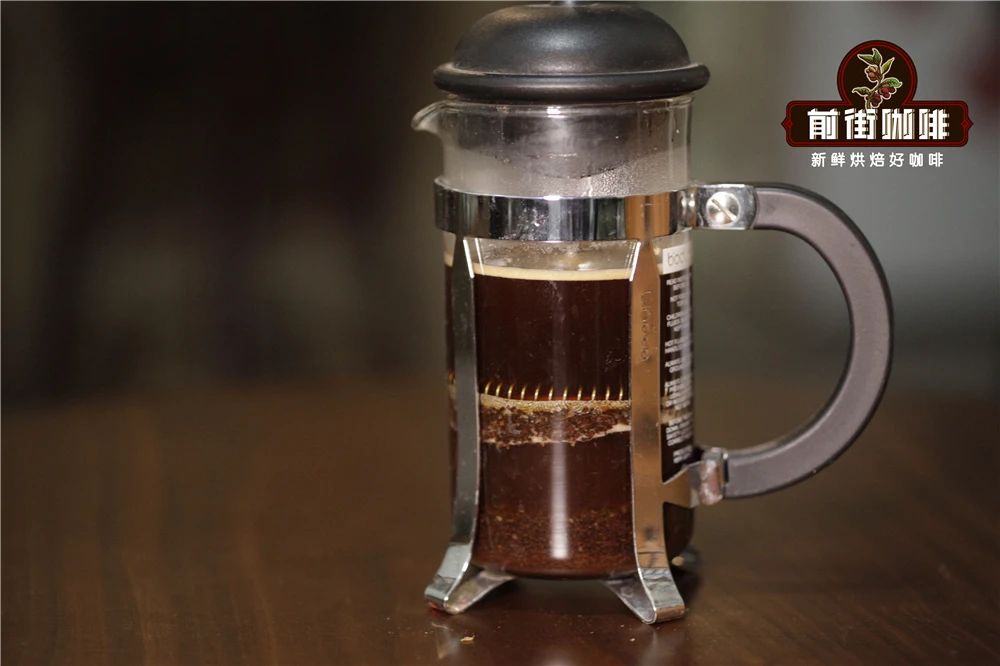
The French press is a tall, slender cylinder with a plunger filter. Hot water and grounds steep together for four to seven minutes, then the plunger presses the grounds to the bottom so the coffee above can be poured. Many experts consider this "full immersion" the ideal home brewing method — you taste the coffee's complete flavor profile.
Cold Brew Method
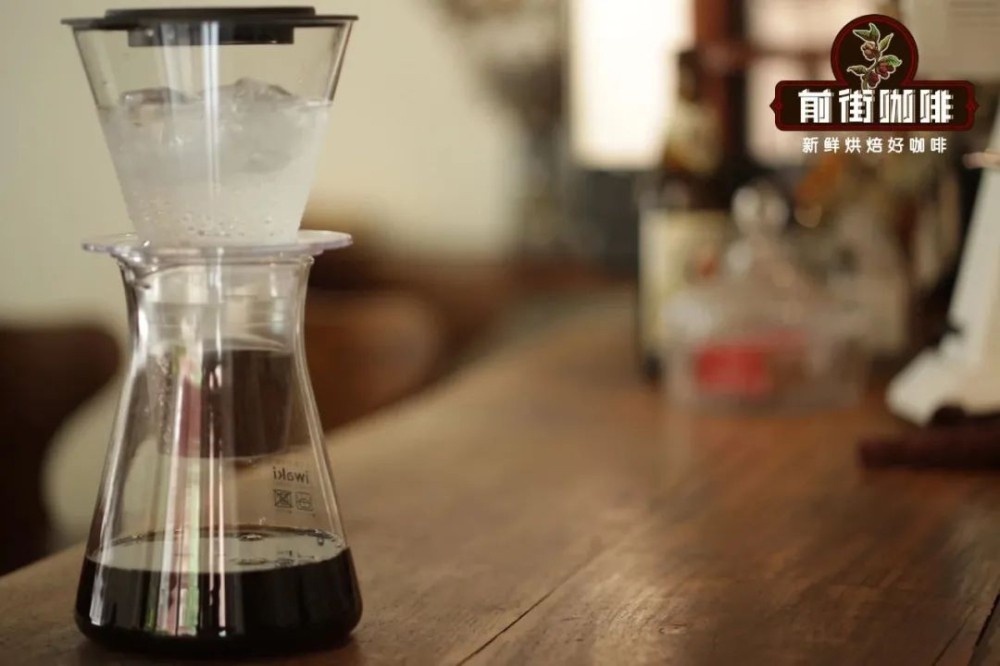
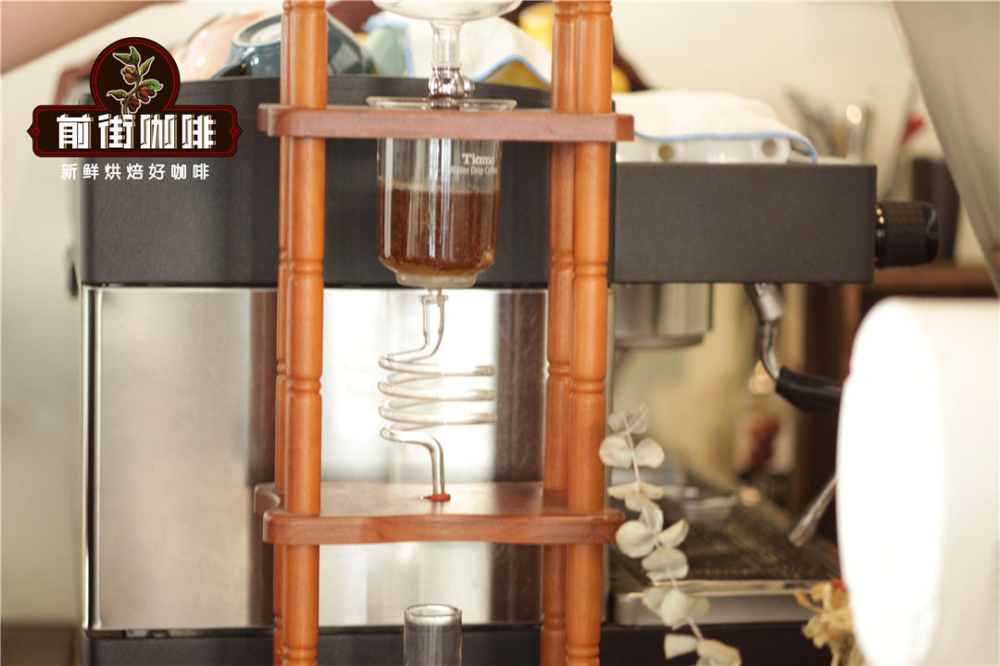
Cold brew, also known as cold drip, differs most from the other four methods in that it uses no hot water at all — instead, ice-cold water from slowly melting ice drips through a filter of grounds. The process is extremely slow, which makes each cup more expensive but delivers exceptionally distinctive flavors.
Drip coffee as we know it was invented by a German — Melitta filter papers are sold in supermarkets everywhere, and that's her brand. Simply put, drip coffee means grinding beans, placing them in a funnel, and pouring hot water over them; gravity pulls the coffee out the bottom (making coffee this way in zero gravity would be trickier). Most commercial coffee makers use the same method, only heating the water electrically. Those electric machines have a weakness, though: most lack sufficient power, and the water never reaches the ideal brewing temperature, often producing sour, astringent coffee.
The ideal brewing temperature for most coffee lies between 88-92°C. Different origins, varieties, and roast levels may each prefer a slightly different temperature, but they generally fall within that range. Too low, and the coffee under-extracts and turns sour; too high, and it over-extracts into bitterness.
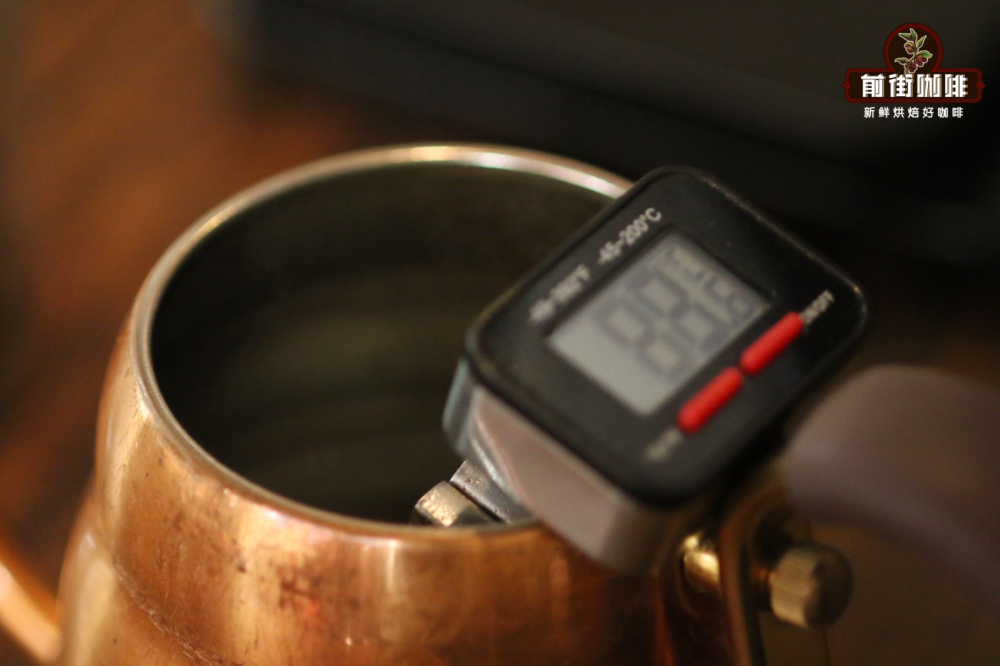
FrontStreet Coffee uses 88°C water for medium-dark roasts and 91°C for medium-light roasts.
With that principle in mind, if you're using a low-powered electric coffee maker, choose lower-acidity, darker roasted beans for best results.
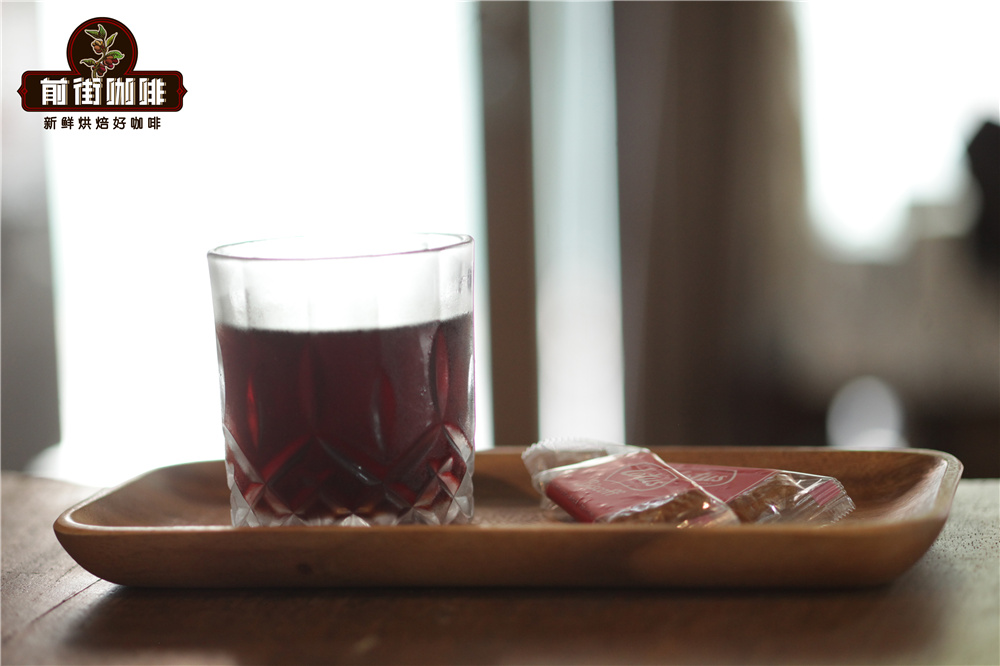
Manual pour-over is simple and inexpensive too. A decent grinder produces reasonably uniform grounds, any kettle boils water, and all you need is something to filter the brew. Filters come in many types — some use paper, some don't. Filter paper is a matter of debate: some say paper-filtered coffee tastes cleaner, while mesh filters let grounds into the cup, which is unpleasant; others argue that paper strips away flavorful oils and adds a papery taste. These debates are purely a matter of personal preference.
Drip brewing's defining feature is continuous extraction through pouring. Beyond timing, the pour size, pour height, and more all influence the taste.
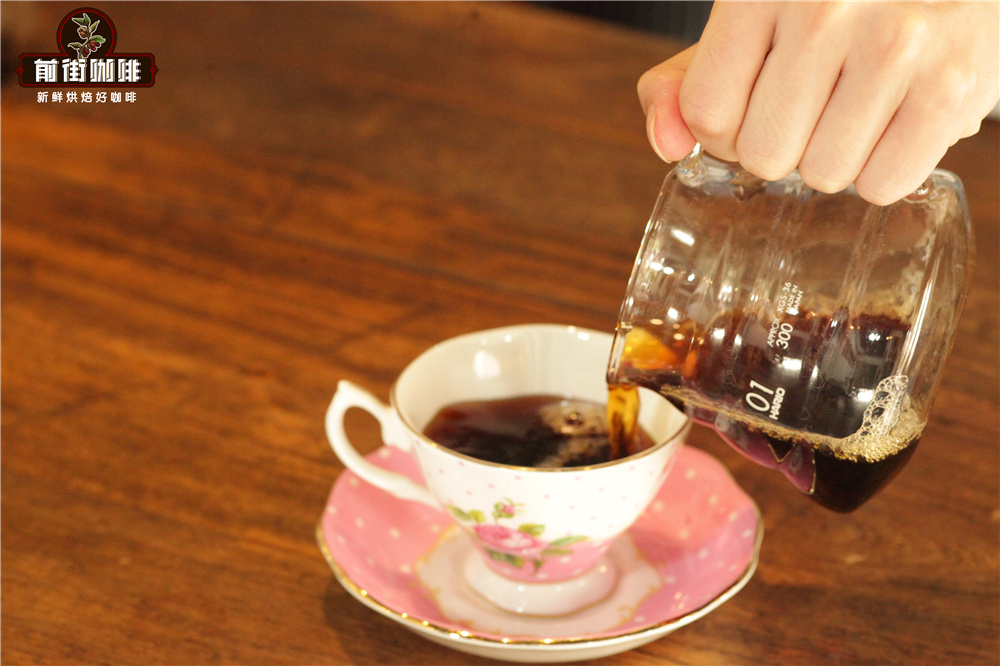
Drip coffee was what most of the world drank before espresso took over — everywhere except the Arab regions and the Balkan Peninsula. It tastes far gentler than espresso and is perhaps more approachable for beginners. Since espresso is so technically demanding, few people truly master it; so although espresso seems globally dominant, more people still drink drip. Especially at home, drip remains the most traditional and easiest way to brew — a pure taste of consistent quality, no crema layering, with hot water absorbing oils and aromatics fully for a smoother cup.
Perhaps that gentler profile is exactly why drip coffee welcomes beginners so readily, and why it remains a staple of home brewing. Of course, choosing between these styles is personal — some love the silky texture of milk drinks, while others prefer drip coffee's pure taste.
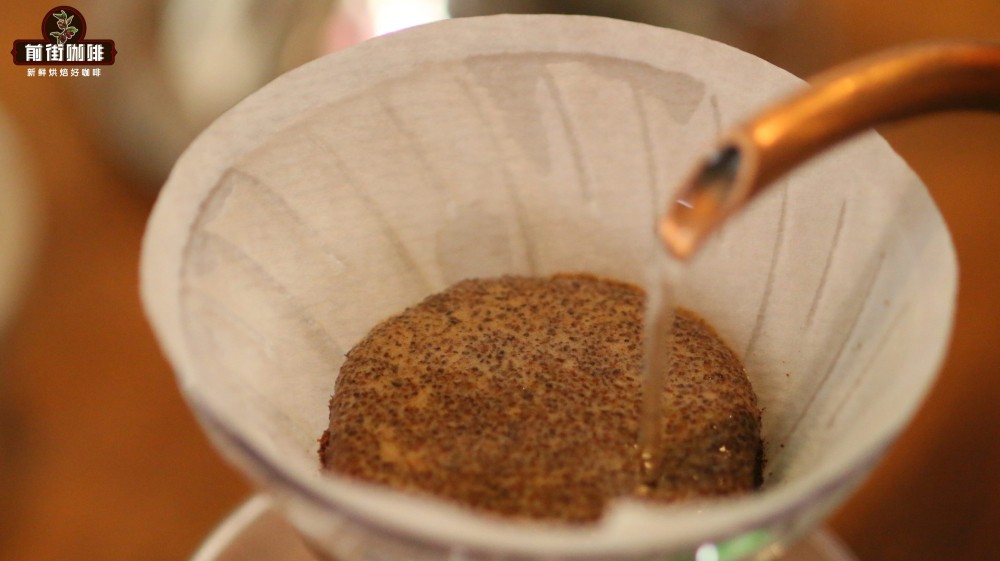
For example, FrontStreet Coffee reaches most often for two drippers: the V60 and the KONO cone.
The V60 suits coffees where you want acidity and florals forward. Despite the paper filter, it still retains considerable oils and preserves a rich body. Think: Ethiopian coffee, Kenyan coffee, Panamanian Gesha coffee, and so on.
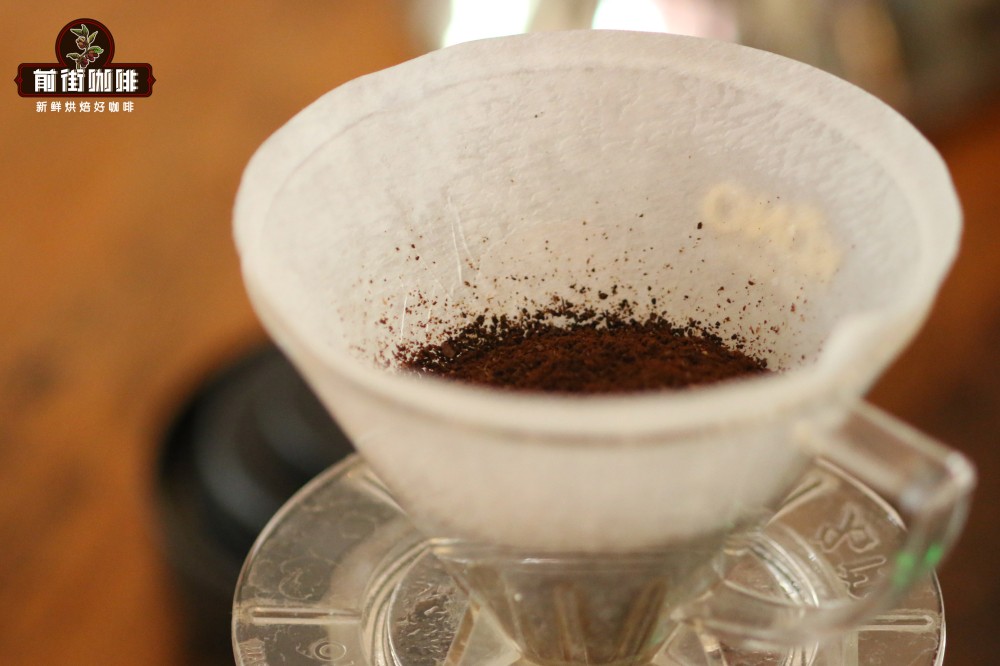
KONO cones suit medium-dark roasts, highlighting their rich, smooth, mellow character. Think: Blue Mountain, Mandheling, Colombian Huila, and so on.
FrontStreet Coffee's Brewing Recommendations
Whatever the brewing style, freshness is crucial. FrontStreet Coffee has always believed that bean freshness has an outsized effect on flavor, so every bag shipped is roasted within 5 days. Our roasting philosophy is "Freshly Roasted Quality Coffee," ensuring every customer receives beans at their freshest. Coffee's degassing period runs about 4-7 days, so beans arrive right at their flavor peak.
A gentle reminder for those who buy pre-ground: once beans are ground, no further degassing is needed — the CO2 pressure inside the packaging during transit actually helps mellow the flavors, so you can brew immediately on arrival. But ground coffee should be brewed promptly, since it oxidizes quickly in open air and its flavors dissipate fast, diminishing quality. That's why FrontStreet Coffee recommends buying whole beans and grinding fresh before each brew to get the fullest expression of flavor.
For professional coffee knowledge exchange and more coffee bean information, follow our coffee community.
FrontStreet Coffee Recommendation
Because cold brew amplifies floral and fruity tones while muting woody and roasted notes, light-to-medium roasts are the natural choice — and FrontStreet Coffee's cold-brew roster delivers exactly that. The FrontStreet Strawberry Sugar Gesha blend pairs Panama Gesha's rose and orange character with Costa Rican honey-processed coffee's grape, dried blueberry, and strawberry-candy sweetness; fermented briefly after brewing, it even takes on a wine-like character. The sun-dried FrontStreet Flower Champion brings magnolia, creamy strawberry, dried mango, guava, and black tea notes, while the Kenya Cherry Tomato — SL28 and SL34 varieties from Thika grown at 1550-1750 meters and processed by the local K72 double-washed fermentation — yields a juice-packed, low-bitterness brew of cherry tomato, snow pear, black plum, and dark plum. For an economical daily option, the washed Yirgacheffe Gedeb Worka Cooperative lot produces sweet berry, honey, and layered flavors in cold brew — or blend one part Colombia Pink Bourbon (passion fruit, grape, apricot, dried fruit) with two parts Costa Rica Tarrazu to combine floral-fruit perfume with crisp citrus acidity without breaking the budget.
Important Notice :
FrontStreet Coffee is a long-established specialty coffee roaster in Guangzhou China, selling freshly roasted beans from its own farm in Yunnan as well as dozens of carefully selected single-origin beans from around the world for both pour-over and espresso. The products deliver consistently excellent quality and great value, with shipping within 24 hours. Guangzhou's FrontStreet Coffee shop is recommended by many coffee lovers, and the beans are now available online at the Tmall 。
FrontStreet Coffee has moved to a new address:
FrontStreet Coffee Address: 315,Donghua East Road,GuangZhou
Tel:020 38364473
 Scan and follow the En Gafei WeChat official account. Please indicate that the reprint comes from "En Gafei".