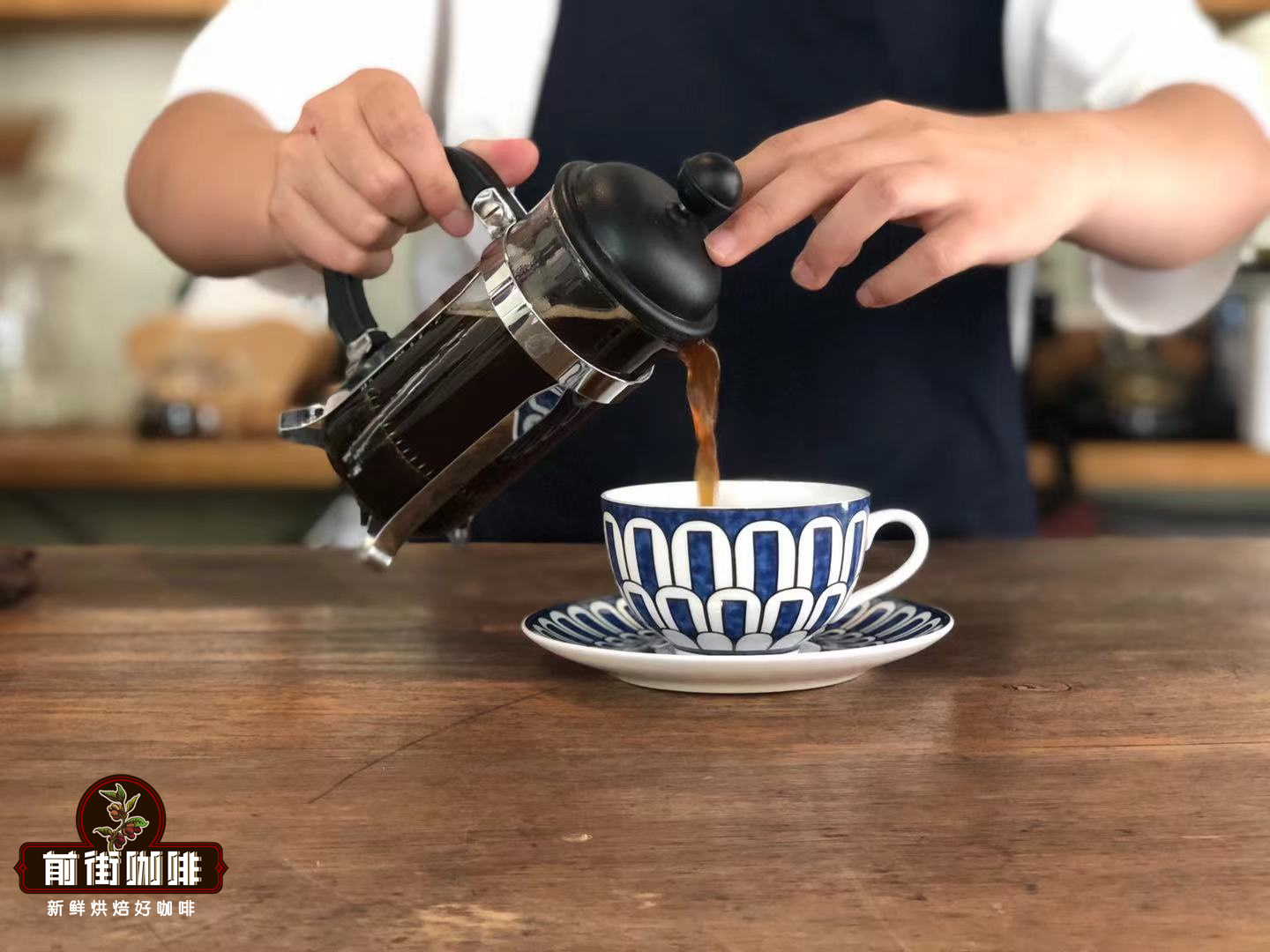
What's the Difference in Flavor and Taste Between Sun-Dried and Washed Coffee Beans? How to Identify Coffee Processing Methods
FrontStreet Coffee has a tradition: brew a pot of coffee and invite everyone to guess what it is, country of origin, specific region, then processing method. A layered guessing game! Which raises the question: can you really identify a coffee's processing method just by tasting it?

First, What Processing Methods Actually Are
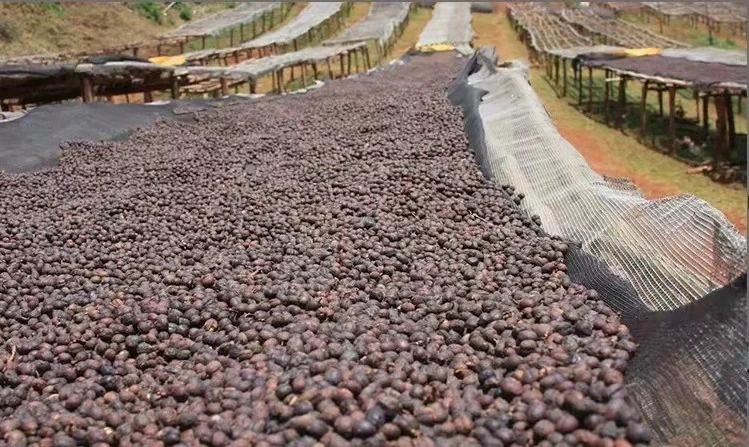
When coffee cherries ripen, they are harvested, but what we want is only the bean (the seed) wrapped inside skin and pulp. The ancients came up with the simplest solution: lay the cherries out in the sun. As the skin and pulp lose moisture they dry and harden, and the beans can then be shaken free by simple crushing without sticking. That is the natural (sun-dried) processing method.
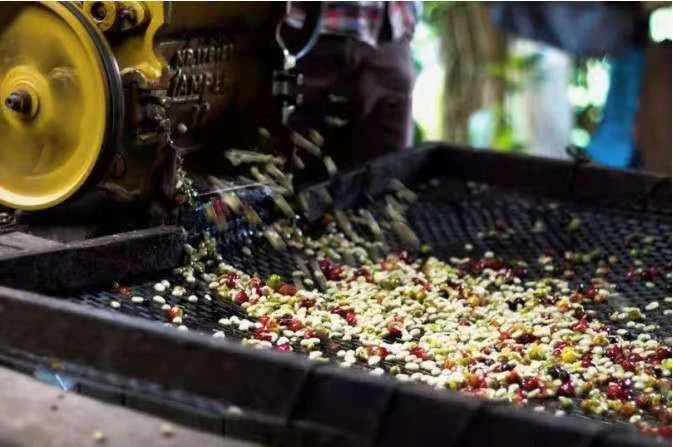
In the 18th century, the Dutch developed an alternative. They first removed the skin and pulp from the cherries, leaving behind sticky beans.
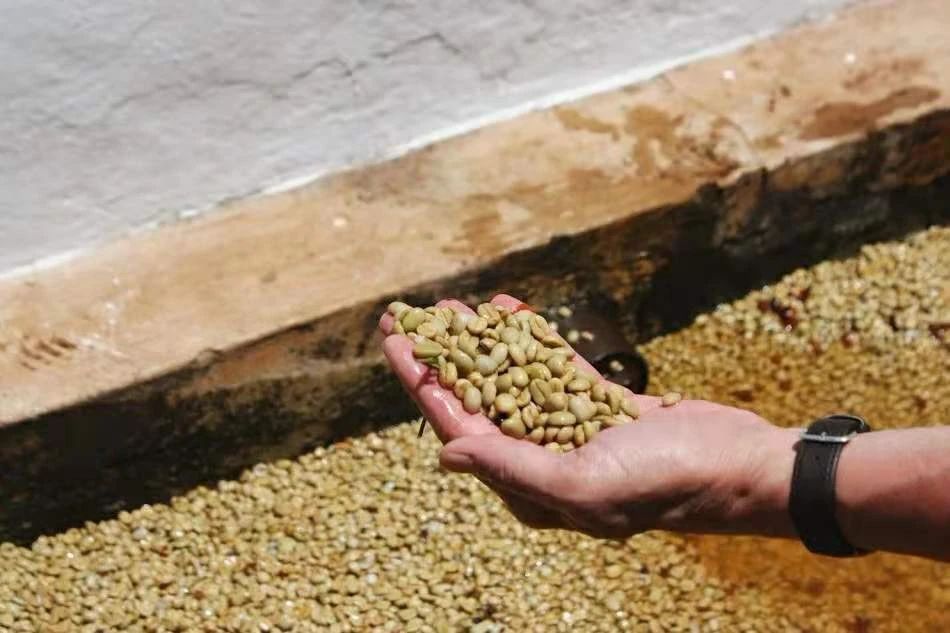
That sticky coating is the coffee's mucilage layer. To remove it, the Dutch soaked the beans in water tanks for 1-2 days; once the mucilage separated, they rinsed the beans thoroughly with large amounts of clean water. The final step, of course, was drying. That is the washed processing method.
Which Is Better: Natural or Washed?
Natural processing came first; washed processing was invented as an improvement on its weaknesses. What are those weaknesses? Weather dependency. Drying whole cherries takes a long time, typically about two weeks, and a sudden change in weather can ruin an entire batch. During drying, the pulp can also crack, attracting insects and making quality hard to guarantee.
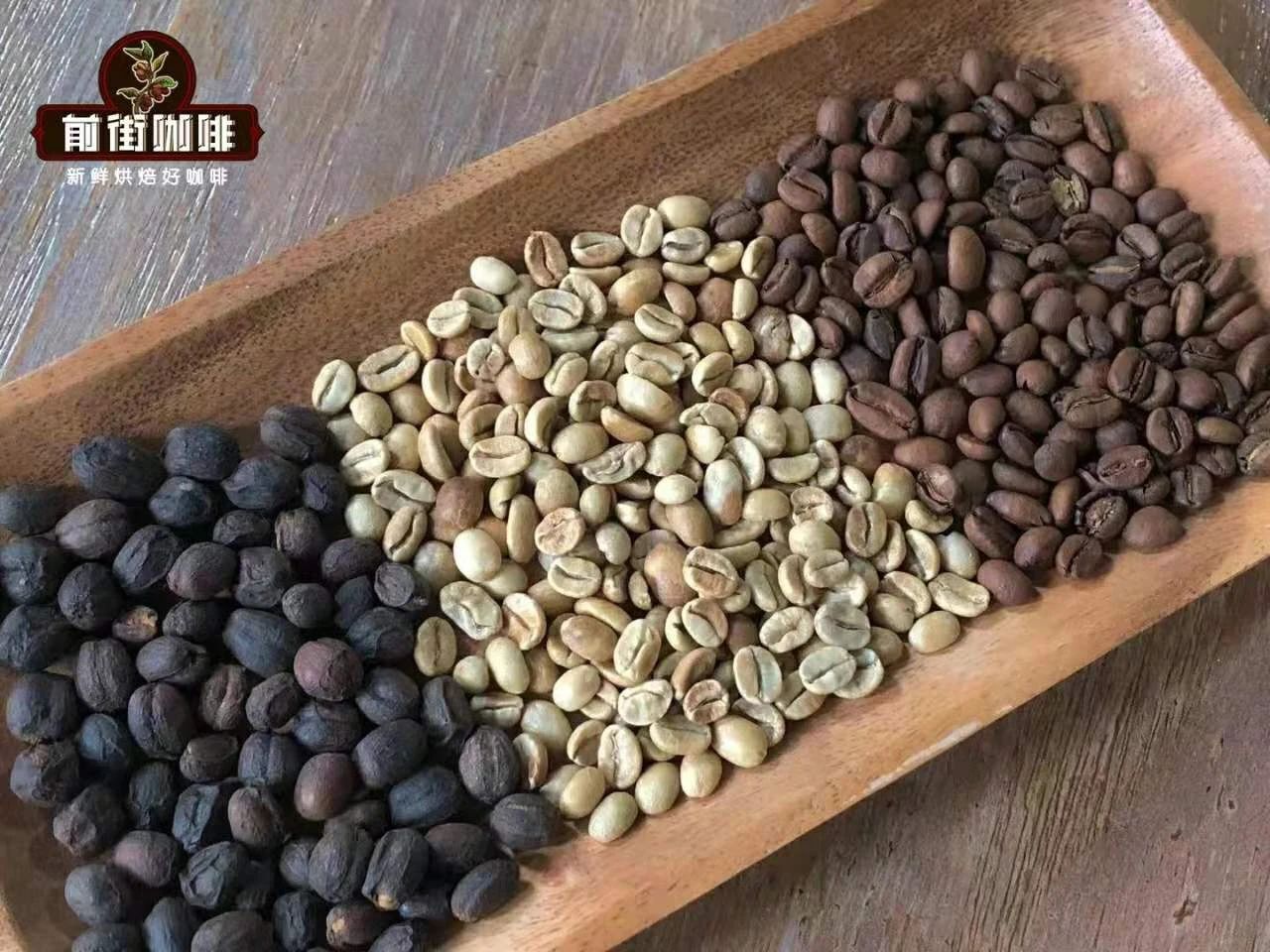
Washed processing solves these problems at the source. With no pulp or mucilage, there is nothing to attract insects. The beans dry faster, and removing the unpredictability of pulp fermentation gives washed coffee a better, more uniform bean appearance.
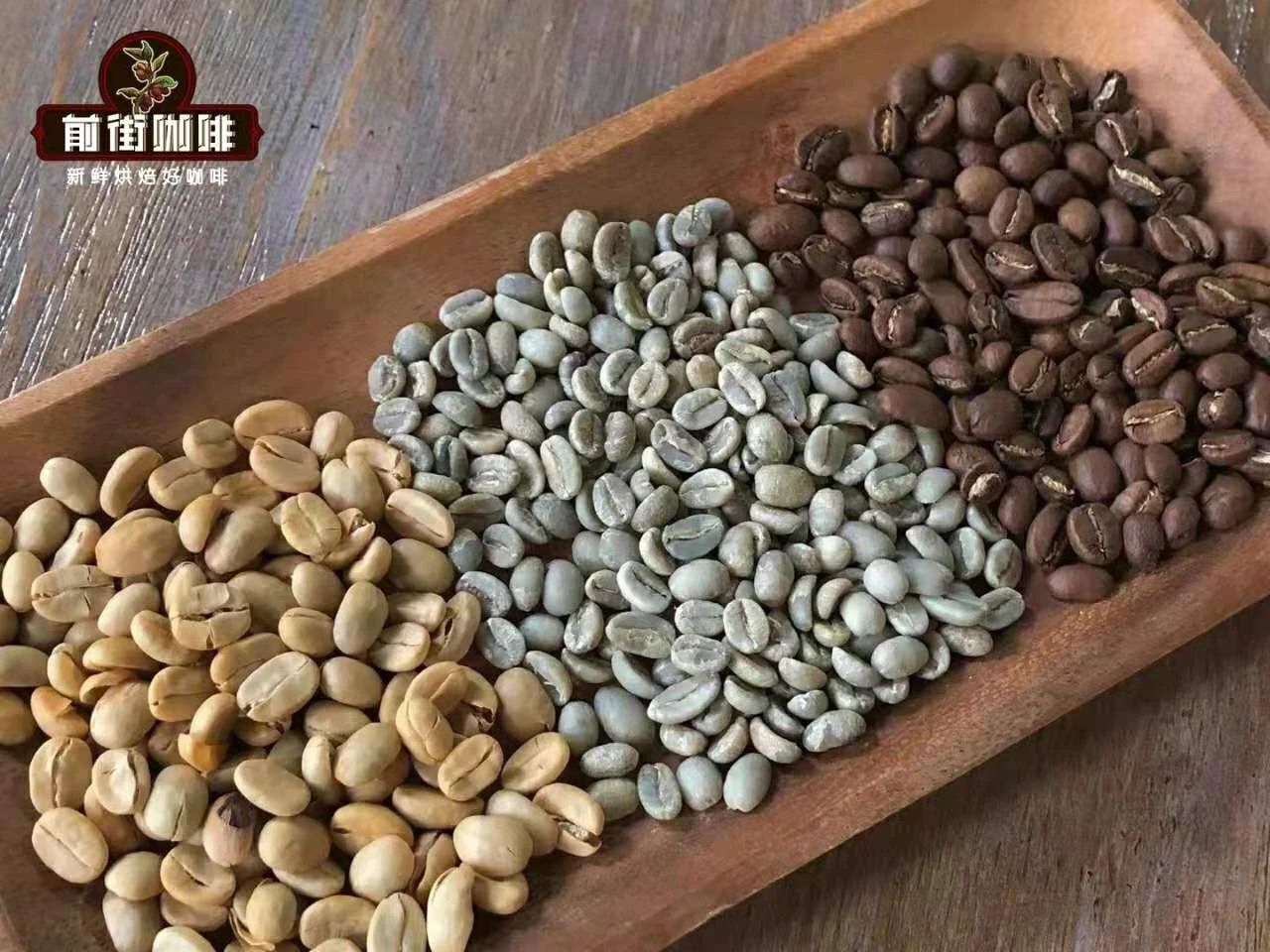
Of course, all of this happened long ago. Washed processing has kept evolving, and natural processing has been steadily refined too. The Red Cherry Project, for instance, uses only fully ripe cherries for natural processing, and regions now dry on African raised beds, all measures that raise quality. Natural processing has also branched into specialized "artisanal" styles such as refined natural, slow natural, and wine-processed lots.
Can You Identify the Processing Method by Taste?
FrontStreet Coffee serves all kinds of customers. Some prefer washed coffee; others swear by natural. The washed camp describes their preference as clear, clean, and comfortable; the natural camp calls theirs sweet, delicious, and full-bodied.
FrontStreet Coffee often uses Yirgacheffe, the Geisha of Hacienda La Esmeralda, and Jamaica Blue Mountain No. 1 to compare processing methods, for two reasons: first, all three are famous, representative coffees; second, each is processed both naturally and washed in-house, which makes the comparison clean.
Yirgacheffe: their shared traits are citrus acidity and a tea-like aftertaste. The natural version carries fermented fruit aromas, leaning toward berry-like sweet-tart sensations; the washed version is clear and clean, with prominent florals and tea notes, overall lighter in character. The two are easy to tell apart.
Hacienda La Esmeralda Blue Label Geisha: their shared traits are white florals, citrus, and honey. The natural version is juicy, with obvious fruit sweetness and acidity, presenting full-bodied layers; the washed version carries oolong tea notes, and when it cools a distinct sweet-potato aroma emerges. The overall impression leans light and comfortable.
Blue Mountain No. 1: their shared traits are dark chocolate and richness. Washing highlights the classic Blue Mountain balance of sweet, sour, and bitter; the natural version shows obvious brown-sugar sweetness.
From this it is not hard to see the pattern: naturally processed coffees generally express more sweetness and richer layering, while washed coffees are defined by excellent clarity and more stable flavors.
So how do you identify a processing method by taste alone? As the old saying goes: "I have no other secret but long practice." Keep tasting!
FrontStreet Coffee Recommendation
To hear the washed side of this comparison at its best, FrontStreet Coffee recommends starting with a washed specialty classic: its washed Yirgacheffe Cheding (Gedeb) cooperative coffee. The Cheding team, from Gedeb village in the Worka area at Yirgacheffe's southeastern edge, processes every lot with the most traditional washed method, the reason this coffee is called one of Yirgacheffe's last pure lands. It has none of the conventional bitterness: just fresh, bright citrus and lemon acidity wrapped in jasmine fragrance, and at a medium-light roast it unfolds further into green tea and honey tones. It suits pour-over, cold brew, and espresso alike, and its clean, floral cup is exactly what washed processing promises.
Then, for contrast, try Kenya, washed processing's other showpiece. Kenya excels at double fermentation washed processing, running the beans through a second wash-and-soak cycle: floating, soaking, scrubbing off residual mucilage, soaking again, drying, and hulling. All that rinsing drives the fruit-juice character to its extreme, FrontStreet Coffee's Kenya cherry-tomato lot tastes of cherry tomato, dark plum, snow pear, black plum, and yellow sugar, sweet-sour and juicy. Tasted against the natural-processed coffees described above, these washed classics make the difference vivid: clarity and brightness on one side, fermented sweetness and body on the other.
Important Notice :
FrontStreet Coffee is a long-established specialty coffee roaster in Guangzhou China, selling freshly roasted beans from its own farm in Yunnan as well as dozens of carefully selected single-origin beans from around the world for both pour-over and espresso. The products deliver consistently excellent quality and great value, with shipping within 24 hours. Guangzhou's FrontStreet Coffee shop is recommended by many coffee lovers, and the beans are now available online at the Tmall 。
FrontStreet Coffee has moved to a new address:
FrontStreet Coffee Address: 315,Donghua East Road,GuangZhou
Tel:020 38364473
 Scan and follow the En Gafei WeChat official account. Please indicate that the reprint comes from "En Gafei".