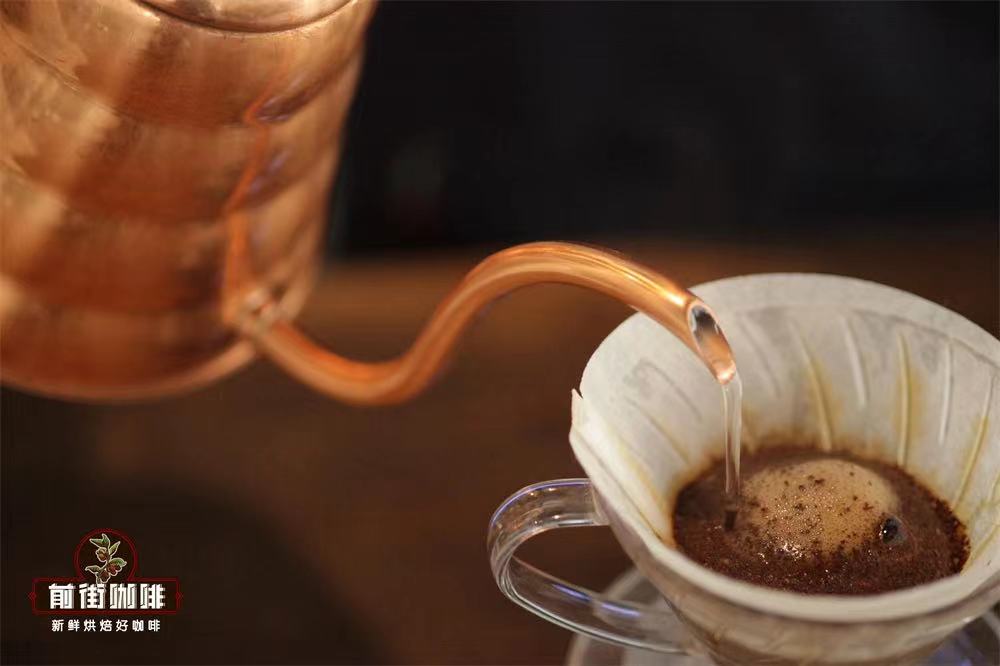
How Much Water Should You Pour for Pour-Over Coffee? What's the Ideal Coffee-to-Water Ratio for Great Taste?
The Importance of Water Amount in Pour-Over Coffee

Pour-over coffee carries a certain ritual, and that sense of ceremony is grounded in reality. Every detail counts: the precise weight of the coffee, an accurate water temperature, and yes - even the total amount of water you pour deserves careful attention.
Why Such Emphasis on Water Amount?
Pour-over coffee works by drip filtration. We pour water over the coffee bed again and again, and as the water travels through the grounds it dissolves soluble compounds and carries them into the server below. In other words, the more water you pour, the more coffee material ends up in the cup.
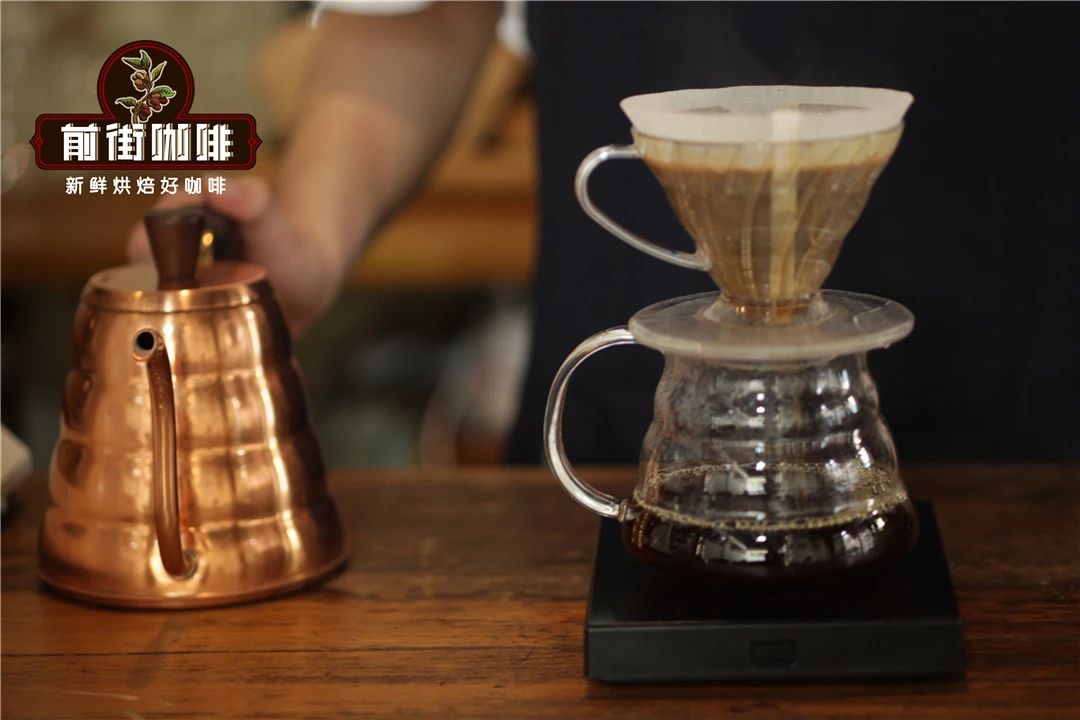
But unlike tea leaves, which can be steeped multiple times, more dissolved material is not automatically better. According to the SCA (Specialty Coffee Association), the most authoritative body in the coffee world, roughly 30% of a coffee bean's mass is water-soluble, and only the 18-22% extraction range is considered palatable to most drinkers. Push beyond that window and the cup will likely turn unpleasant.
There is a second reason to watch your water: extraction efficiency declines over the course of a brew. If you watch closely, you will notice the first drips run dark while the later ones grow progressively paler - hot water extracts less and less as time goes on. So controlling the water amount is really a way of controlling strength: less water means a more concentrated cup, more water a thinner one.
How Much Water is Needed for Brewing Coffee?
To balance the strength of the brew against a sensible set of extracted flavors, the total water amount matters enormously. So how much water actually makes coffee taste good?
Take pour-over as an example. The water you pour depends on how much coffee you use and your coffee-to-water ratio. FrontStreet Coffee typically brews with 15g of coffee at a 1:15 ratio, which means 225ml of water. Through repeated testing with light roasts, FrontStreet Coffee found that a 1:15 ratio produces a strength of roughly 1.35-1.42% TDS, corresponding to an extraction yield of 17.79%-18.73% - comfortably inside the ideal drinking window.
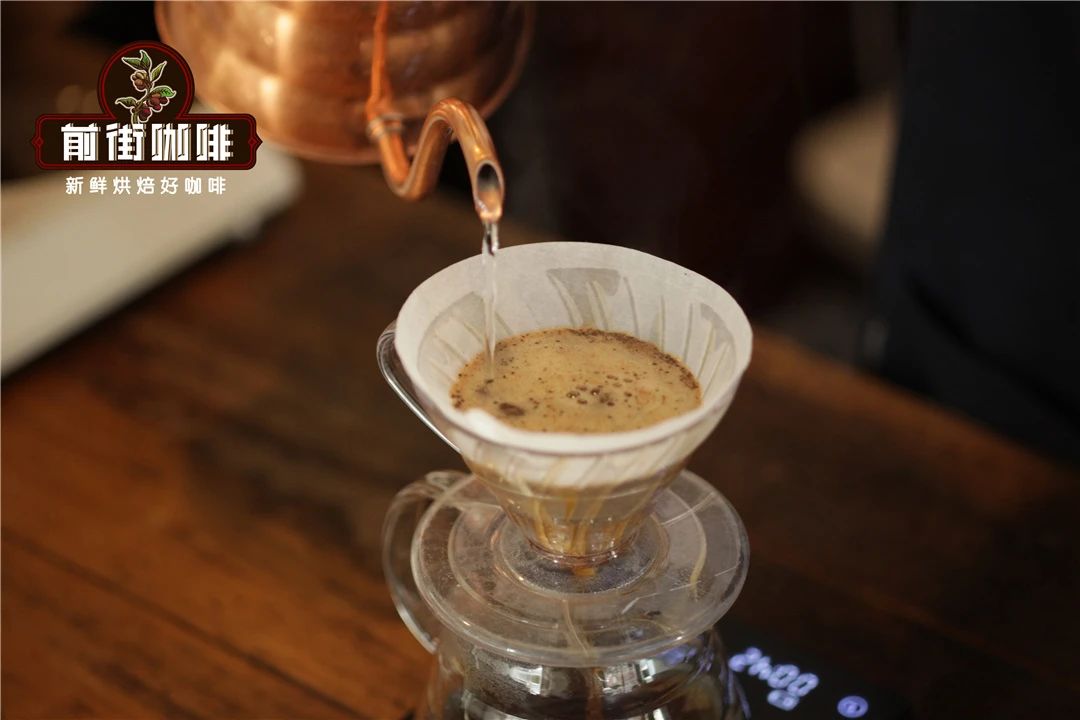
What about brewing 20g or 25g of coffee? Simply keep the same fixed ratio. Twenty grams of coffee calls for 300ml of water, while 25g calls for 375ml.
Does Adding Too Much or Too Little Water Significantly Affect Coffee?
The 1:15 ratio FrontStreet Coffee recommends is a guideline, not a law - coffee brewed at other ratios will not automatically taste bad. Fans of a bolder cup, for instance, often brew between 1:10 and 1:13 for a fuller, more intense mouthfeel, while some baristas stretch to 1:16 or 1:17 to highlight delicate flavors and suit drinkers who prefer a lighter body.

That said, the ratio has to work in harmony with every other brewing variable to deliver great flavor. Based on FrontStreet Coffee's own brewing parameters, anything between 1:15 and 1:16 can showcase a coffee beautifully and counts as a reasonable range. Drop below 1:15 and the cup may come out rich but unbalanced; go past 1:16 and it turns thin and watery.
FrontStreet Coffee's Mandheling Brewing Guide
To put all of this into practice, here is a detailed walkthrough - from parameters to technique - of how FrontStreet Coffee draws out the rich flavors of Mandheling at home.
What Are Mandheling Flavors?
Indonesia still occupies an irreplaceable position in the global coffee market. Most of its coffee acreage is planted with hybrid varieties or Robusta - commonly used for espresso blends or instant coffee - but Mandheling represents the minority Arabica side of the country's production, and it has earned wide recognition among specialty coffee drinkers thanks to its distinctive flavor profile.

FrontStreet Coffee often points out that unlike coffees named after a variety or a growing region, the name Mandheling traces back to a World War II story. During the Japanese occupation of Indonesia, a Japanese soldier was served a remarkably fragrant cup of coffee at a café. When he asked the owner what the coffee was called, the owner misunderstood and thought he was being asked where he was from, so he answered: "Mandailing." After the war the soldier remembered the coffee he had drunk in Indonesia as "Mandheling," and the name stuck - people have referred to Arabica beans from Sumatra as Mandheling ever since.
Before introducing any new coffee, FrontStreet Coffee always runs cupping sessions to evaluate it. Cupping is a standardized assessment of bean quality and flavor, and its uniform criteria make it easier to objectively identify a coffee's strengths, weaknesses, and defining characteristics. After cupping its Lindong Mandheling everyday bean, FrontStreet Coffee noted rich nutty and dark chocolate notes, a hint of caramel in the finish, and, as the cup cools, herbal plant-like flavors emerging over a full body and solid aroma.

To bring out that rich aroma, FrontStreet Coffee considers freshly roasted beans the non-negotiable first step. A coffee's aroma shifts with its storage environment and time, and once past peak flavor the cup deteriorates quickly. Because FrontStreet Coffee takes freshness that seriously, every batch of beans is roasted within 5 days of shipping, so they arrive ready to brew.
Since Mandheling leans toward nut and chocolate notes, FrontStreet Coffee's roaster takes it to a medium-dark level. The darker the roast, the more porous the bean structure becomes and the easier it extracts - so FrontStreet Coffee compensates with a lower water temperature to avoid the harsh bitterness of over-extraction.

Brewing Parameters:
Dripper: KONO dripper
Water Temperature: 87°C
Coffee Amount: 15 grams
Coffee-to-Water Ratio: 1:15
Grind Size: Medium-coarse (70% pass-through rate with China standard #20 sieve)

Brewing Steps:
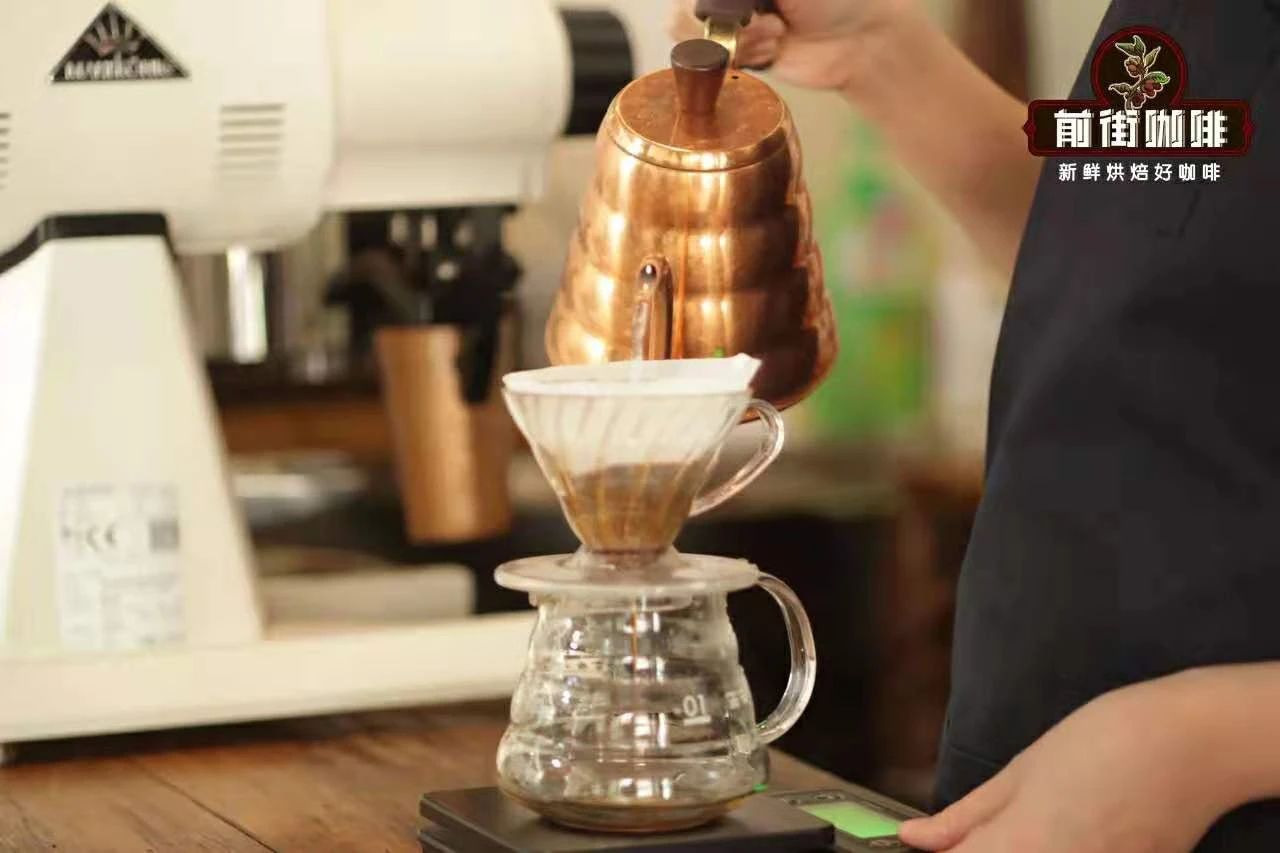
Pre-wet the KONO dripper so the filter paper sits snugly against the walls, then discard the water from the server and add 15g of ground coffee. Bloom with 30g of water for 30 seconds, then start pouring in small circles from the center outward until the scale reads 125g, and pause. Once the coffee bed drops to half the height of the dripper, begin the second pour using the same motion until you reach 225g. When the dripping stops completely, remove the dripper.

Brewed this way, FrontStreet Coffee's Golden Mandheling opens with woody and caramel aromas. Served hot it delivers a very rich mouthfeel - dark chocolate, spices, cream, pine, and caramel with almost no perceptible acidity. As the cup cools, the initial bitterness softens into a distinct sweet aftertaste, not unlike aged Pu-erh tea, with a finish that lingers.
FrontStreet Coffee Recommendation
If the deep, chocolatey profile above is your style, try FrontStreet's PWN Indonesian Golden Mandheling. Roasted medium-dark for low acidity, it pours a thick, lingering cup full of herbal and dark chocolate notes with a faint earthy undertone - layered, satisfying, and a favorite among drinkers who prefer their coffee bold and never sour.
Important Notice :
FrontStreet Coffee is a long-established specialty coffee roaster in Guangzhou China, selling freshly roasted beans from its own farm in Yunnan as well as dozens of carefully selected single-origin beans from around the world for both pour-over and espresso. The products deliver consistently excellent quality and great value, with shipping within 24 hours. Guangzhou's FrontStreet Coffee shop is recommended by many coffee lovers, and the beans are now available online at the Tmall 。
FrontStreet Coffee has moved to a new address:
FrontStreet Coffee Address: 315,Donghua East Road,GuangZhou
Tel:020 38364473
 Scan and follow the En Gafei WeChat official account. Please indicate that the reprint comes from "En Gafei".