Why Do Freshly Roasted Coffee Beans Need Degassing? How to Brew Under-Rested Pour-Over Coffee for Better Taste?
Whenever a FrontStreet Coffee delivery arrives, some coffee lovers can't wait to unbox the beans and brew a cup to satisfy their cravings. Then they check the roast date and realize the beans were roasted just a couple of days ago. They haven't rested yet. But the urge to drink them right now is overwhelming. What to do?

Why do fresh coffee beans need resting?
FrontStreet Coffee knows how it goes: many eager drinkers, upon receiving beans roasted within the past couple of days, brew a cup immediately only to find the coffee lacks distinct flavor and instead has a heated, dry sensation, leaving a feeling like smoke stuck in the throat. Let it rest two or three days, however, and the cup becomes far rounder, with flavors far more pronounced.

The reason is that coffee beans generate large amounts of carbon dioxide during roasting, and those molecules remain highly active in the period right after roasting. During brewing, the carbon dioxide blocks water from penetrating the fiber structure to dissolve flavor compounds. The more carbon dioxide present, the stronger this blocking effect, which prevents flavors from properly infusing into the water and results in uneven extraction.

The main purpose of the "bloom" during brewing is to release carbon dioxide, reducing the chance of uneven extraction caused by water channels continuously shifting as gas escapes from the grounds. FrontStreet Coffee recommends a bloom time of 30 seconds, which is the suggested time for properly rested beans. Very fresh beans, however, hold more carbon dioxide than properly rested ones, so within the same timeframe they cannot effectively release it.
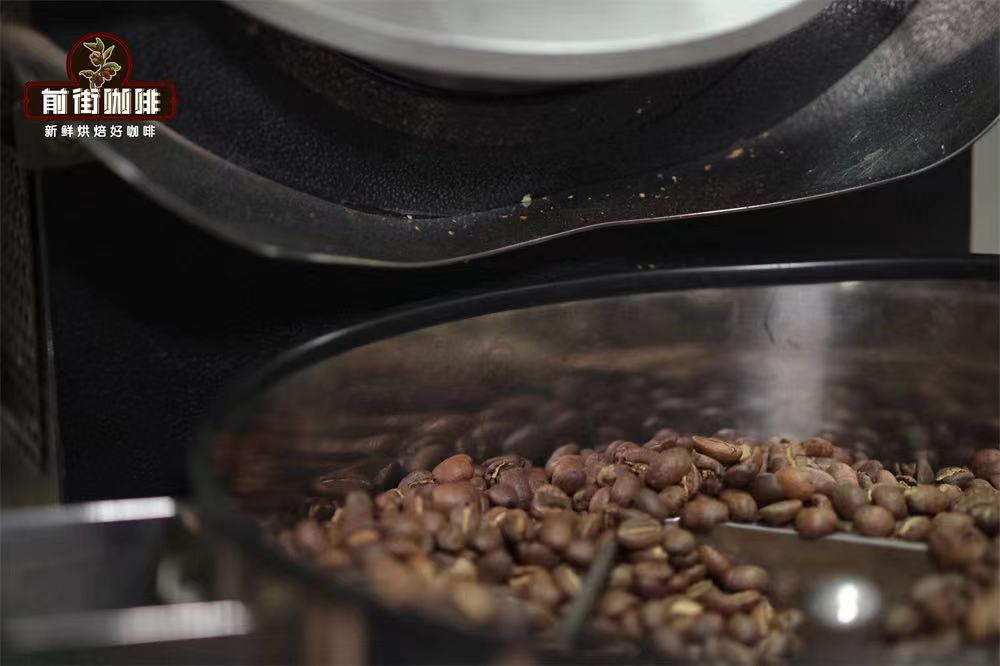
The heated sensation often comes from residual smoky flavors left after high-temperature roasting. These smoky flavors need time to dissipate along with the carbon dioxide. So compared with freshly roasted beans, those sealed and left to rest for several days taste cleaner, with more prominent flavors.
How to rest freshly roasted coffee beans
Quite simple. No need to open the package or refrigerate: just keep it in its original packaging in a cool, dry place. FrontStreet Coffee's bean packaging features a one-way degassing valve, which lets carbon dioxide push the valve open once pressure inside the bag reaches a certain point. Because it only opens one way, you don't need to worry about external air and moisture getting in.
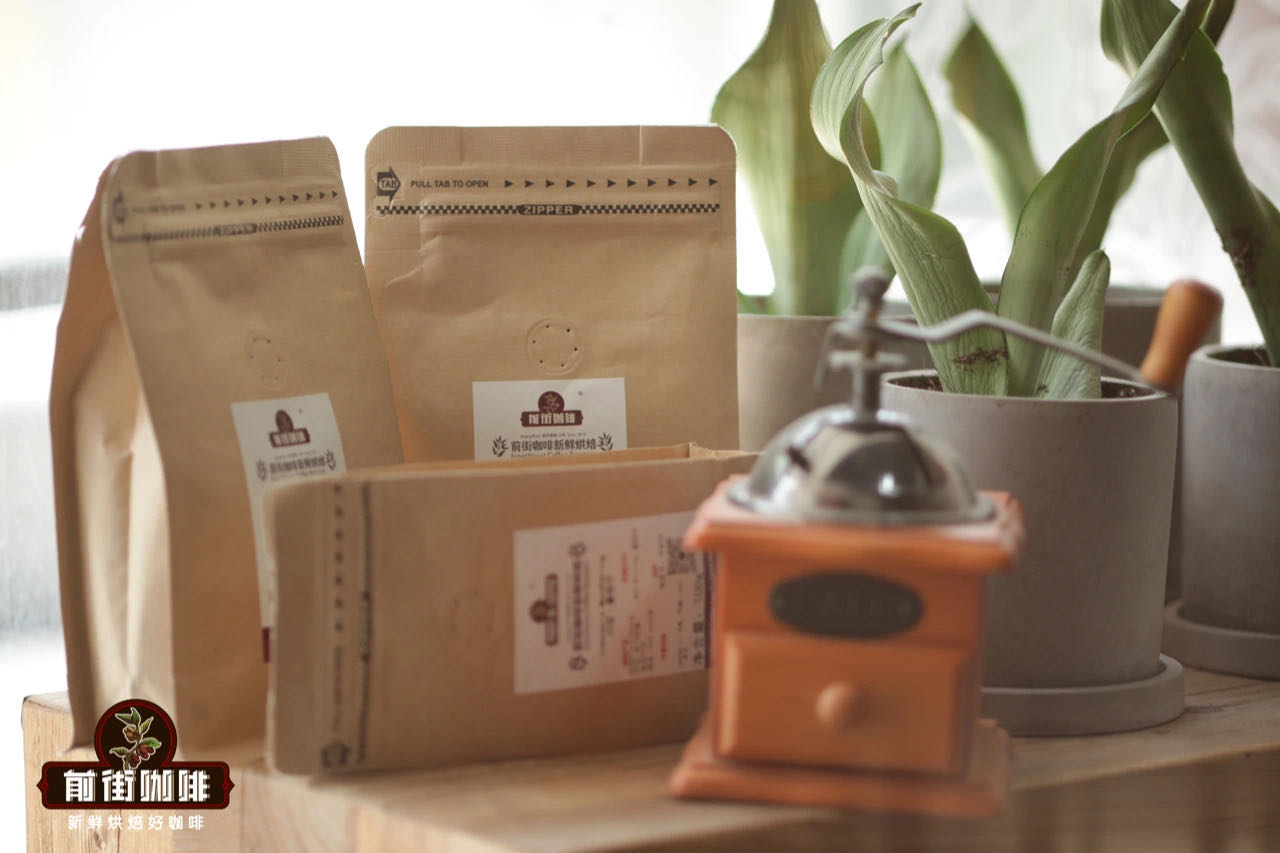
Take the beans sold by FrontStreet Coffee as an example: every package is marked with a roast date. Generally, light to medium roast pour-over beans need about 4-7 days of resting, medium to dark roast pour-over beans need about 7 days, and espresso beans are best rested for about 10 days.
Impatient and want to drink it right away?
Is there a way to reduce the dryness of fresh beans and bring out their flavors?
Method 1: Let the ground coffee rest for 30 seconds to 1 minute
When beans are ground into particles, carbon dioxide releases more quickly. So if you are truly eager to brew a pour-over, let the ground coffee rest for 30 seconds to 1 minute after grinding.

Mind you, while this releases most of the carbon dioxide, the coffee's aroma escapes along with it. So although this method reduces the dryness of fresh beans, the aroma may be less noticeable.
Method 2: Extend the blooming time
Blooming has an exhaust effect because when water touches the grounds, the soluble and volatile substances accelerate as they heat, speeding up the release of carbon dioxide.

As mentioned above, FrontStreet Coffee normally recommends a 30-second bloom for properly rested beans. If the beans have not rested enough and still hold a lot of carbon dioxide, we can extend the bloom by 10-20 seconds, meaning 40-50 seconds of blooming, giving the gas more time to escape. This method of brewing fresh beans does extract their flavors, but some dryness will remain.
Final Thoughts
Although very fresh beans can be brewed using the two methods above, the resulting coffee will still fall short. FrontStreet Coffee therefore still recommends waiting patiently, letting the beans rest so they present their best selves.
FrontStreet Coffee Recommendation
Once your beans have rested and you are ready to brew, the dripper matters as much as the rest time. If you are new to pour-over, the Hario V60 is the tool most experts hand a beginner: designed by Hario of Tokyo, the 60-degree cone and single large hole produce a faster extraction that shows off layered aromas and lively acidity, which is exactly what flatters floral, fruity coffees. FrontStreet Coffee's Gidding with its classic Yirgacheffe character, the tropical-fruit Huakui, the Geisha-style Strawberry Candy, and the raisin-toned Mozart are all well suited to the V60.
For a light-roast start, FrontStreet Coffee's Yirgacheffe Gidding is one of the most approachable specialty coffees: bright citrus, berry, and floral notes with a green-tea finish, and an acidity that is soft and bright rather than sharp. The Ethiopia Huakui is another favorite, its tropical fruit aromas of strawberry, passion fruit, jackfruit, and lychee pairing with clear sweetness and almost no bitterness, a smooth, juicy cup that converts people who think they dislike coffee.
Important Notice :
FrontStreet Coffee is a long-established specialty coffee roaster in Guangzhou China, selling freshly roasted beans from its own farm in Yunnan as well as dozens of carefully selected single-origin beans from around the world for both pour-over and espresso. The products deliver consistently excellent quality and great value, with shipping within 24 hours. Guangzhou's FrontStreet Coffee shop is recommended by many coffee lovers, and the beans are now available online at the Tmall 。
FrontStreet Coffee has moved to a new address:
FrontStreet Coffee Address: 315,Donghua East Road,GuangZhou
Tel:020 38364473
 Scan and follow the En Gafei WeChat official account. Please indicate that the reprint comes from "En Gafei".