Pour-Over Coffee Basics: Is Coffee Body the Same as Coffee Concentration? Factors Affecting Coffee Body
Yes! Coffee body is not the same as coffee concentration. To be precise, they are not on the same page. But since so many people misunderstand their relationship, there is certainly a reason for it.

(Tongue: In the end, it's still because of me)
What Is Coffee Body?
Body belongs to the tactile sensation in the mouth, not a taste bud experience. Body is reflected in the "tongue-pressing sensation." Here is an example: when tasting skim milk, whole fresh milk, and cream, our tongues have distinctly different sensations. When skim milk enters the mouth, our tongue does not feel much burden, with an overall watery feeling; when whole fresh milk enters the mouth, our tongue feels a full sensation, overall smooth and rich; when cream enters the mouth, our tongue feels wrapped, with an overall thick and smooth texture.
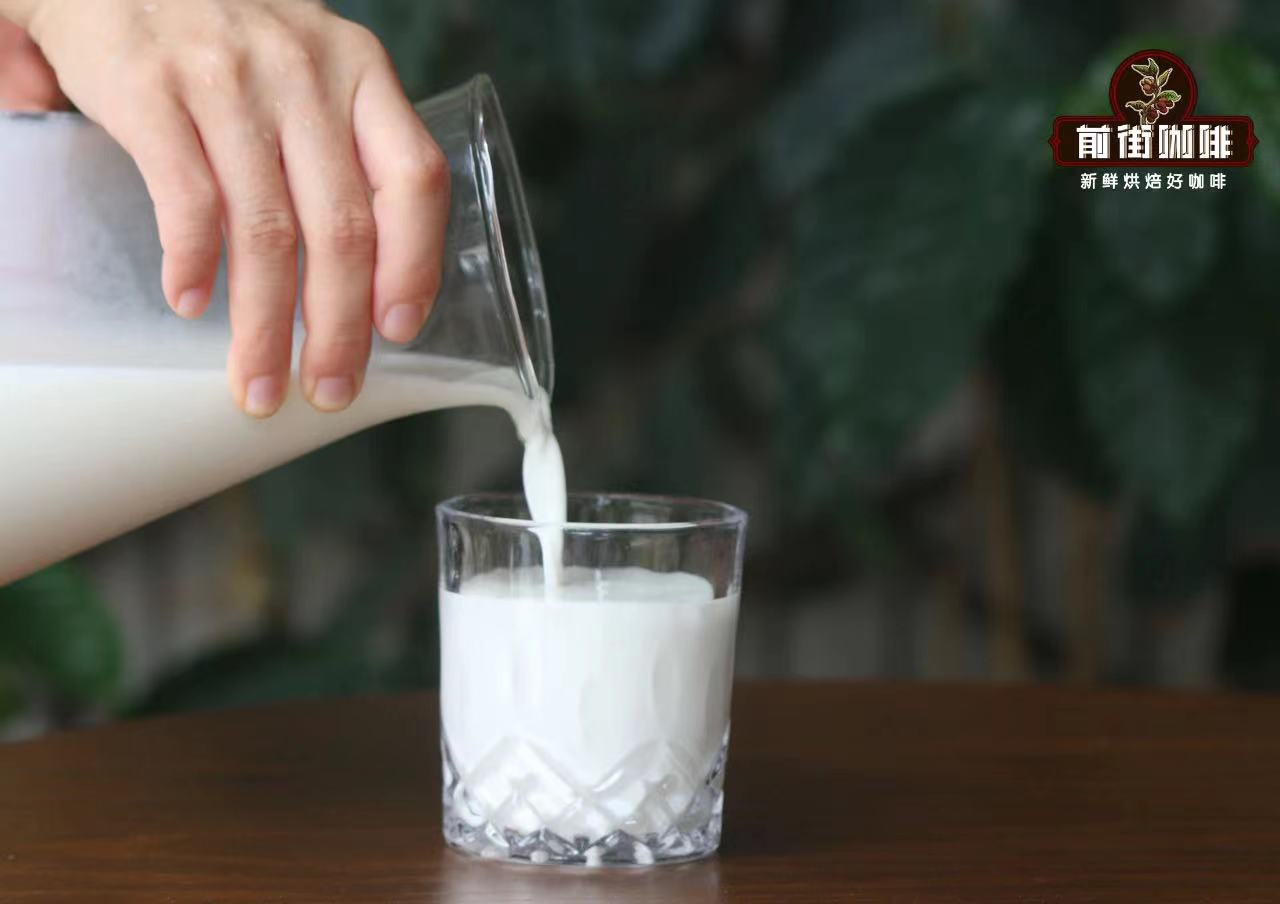
At this point, it is not difficult to see that the change in milk body is related to fats, and the same applies to coffee body. During the coffee extraction process, substances in the coffee grounds are divided into soluble and insoluble. The soluble substances manifest in taste, while the insoluble ones manifest in mouthfeel. Most (not all) insoluble substances are coffee fibers and oils. The former affects the cleanliness of the coffee, while the latter affects the coffee's body.
What Is Coffee Concentration?
Concentration belongs to the taste bud experience, expressed in the proportion of soluble substances dissolved in liquid. Here is an example: in three cups of 100ml hot water, add 5g, 10g, and 20g of white sugar respectively and stir until completely dissolved. The hot water with 5g added will show a slight sweetness, overall leaning towards light; the hot water with 10g added will show a just-right sweetness; the hot water with 20g added will show cloying sweetness and begin to have a throat-coating sensation.
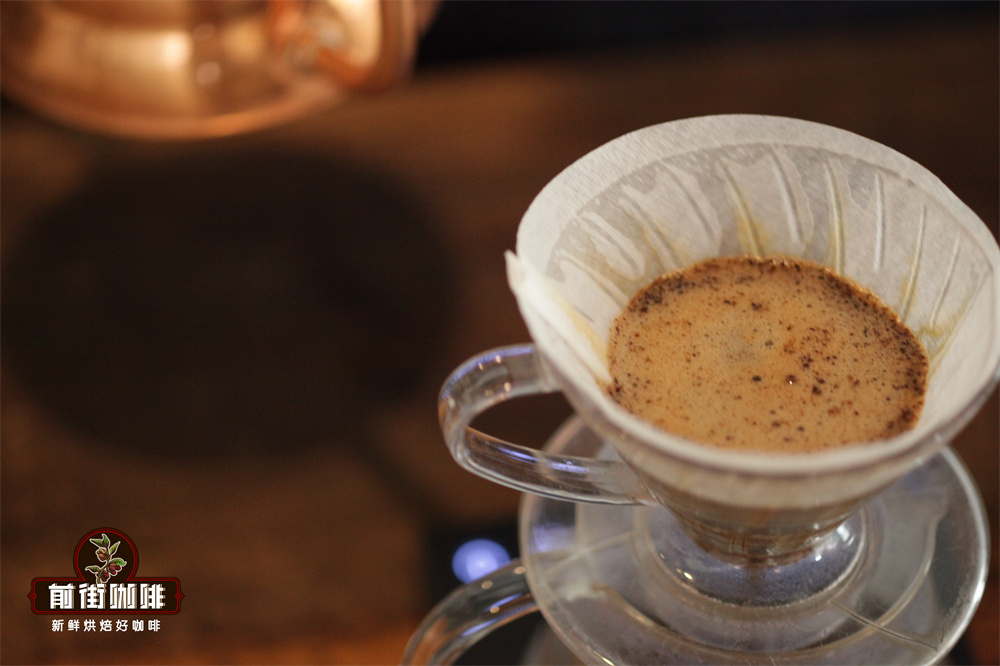
The same applies to coffee concentration. Coffee concentration is expressed in how many soluble substances are released into the water when it passes through the coffee grounds. Taking a pour-over coffee as an example, a pour-over with concentration above 1.45% is considered high concentration, manifesting in exceptionally concentrated flavors to the point of appearing sour, astringent, and bitter; a pour-over with concentration below 1.15% is considered low concentration, manifesting in tasteless and bland coffee.
The Relationship Between Coffee Body and Concentration
Although body belongs to mouthfeel and concentration belongs to taste, FrontStreet Coffee found during actual brewing that low-concentration coffee indeed has poor body, while coffee with good body will not have low concentration (under normal circumstances). Under the same coffee-to-water ratio, high-concentration coffee makes the coffee flavors overly concentrated, producing unpleasant tastes and sensations such as sourness, astringency, and bitterness. The appearance of astringency can directly knock out the body's expression in the mouth.
What Affects the Expression of Coffee Body?
The variety of coffee beans, processing method, roasting method, and brewing method all affect the expression of coffee body.
- Coffee Bean Varieties -
Different coffee varieties naturally have different body expressions. For example, when FrontStreet Coffee cup-tests Bourbon variety coffee beans, its body manifests in drupe fruits (like cocoa, nuts, etc.), while also carrying the fullness of red fruit pulp juice, and the mouth can feel a round and full body; when cup-testing Geisha variety coffee beans, its body manifests in a tea-like sensation, with a delicate body that carries a sweet aftertaste.
- Coffee Bean Processing Methods -
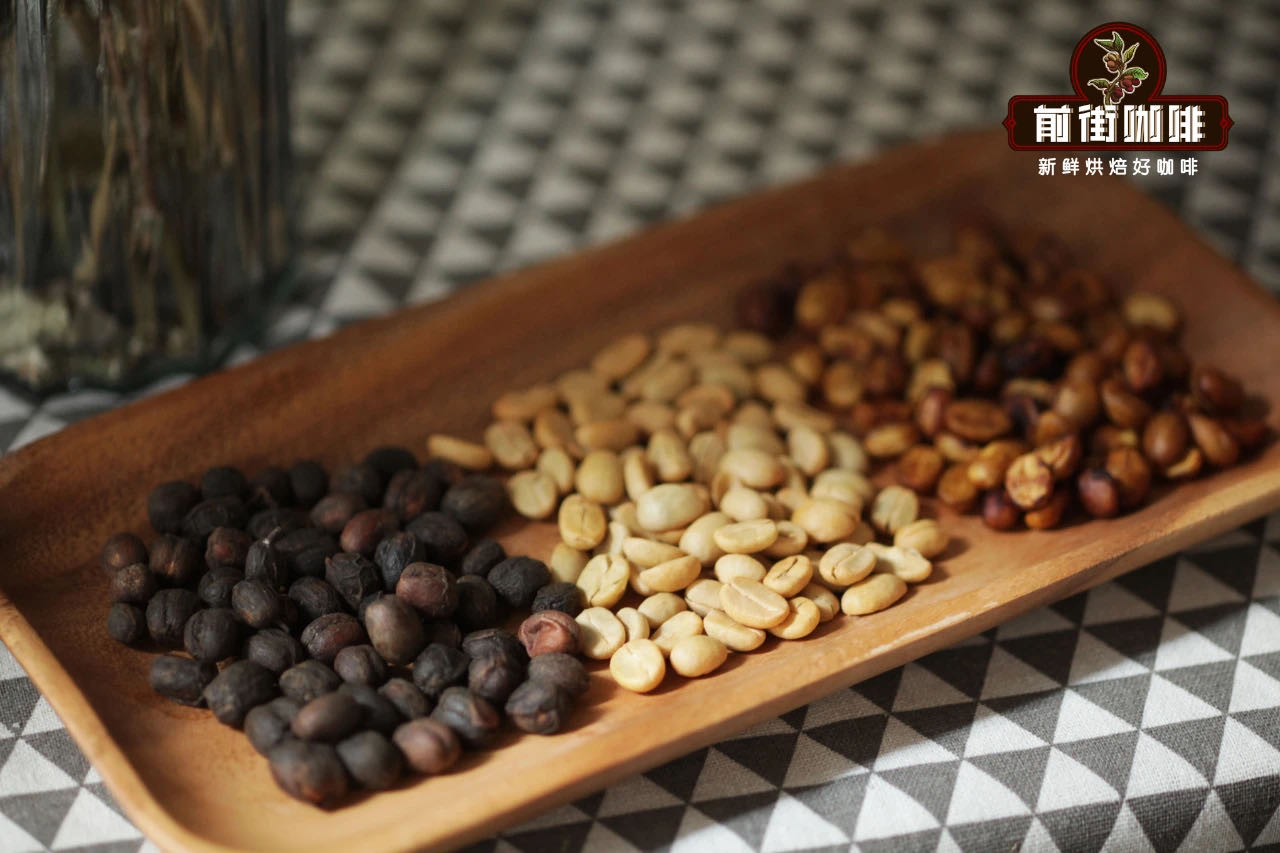
Taking traditional processing methods as an example, washed processed coffee beans will show a delicate body, with clearer and more transparent coffee flavor expression; while natural and honey processed coffee beans will better express a full body, with more obvious sweetness and fermentation sensations in the coffee.
- Coffee Bean Roasting -
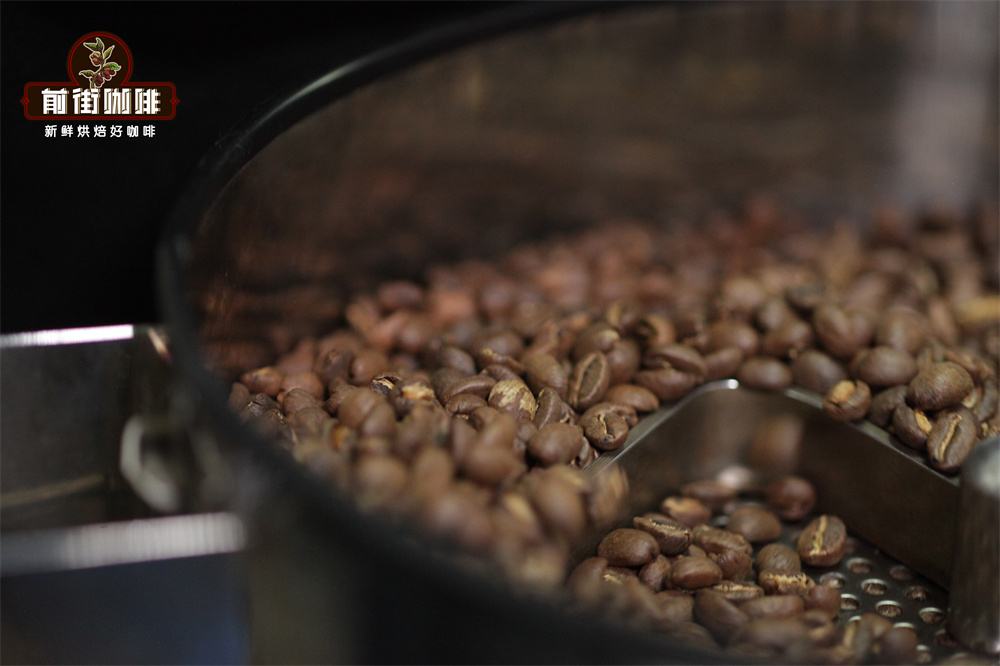
The deeper the roast level, the higher the body of the coffee beans (of course, this has limits; not the deeper the better, as overly deep roasting can be counterproductive). FrontStreet Coffee believes that coffee body can be altered by controlling the development time between first crack and second crack. The fullness of coffee in the mouth is related to human perception of carbohydrates. The more carbohydrates in coffee beans are released during the development time between first and second crack, the better the coffee body will be.
- Coffee Brewing Methods -
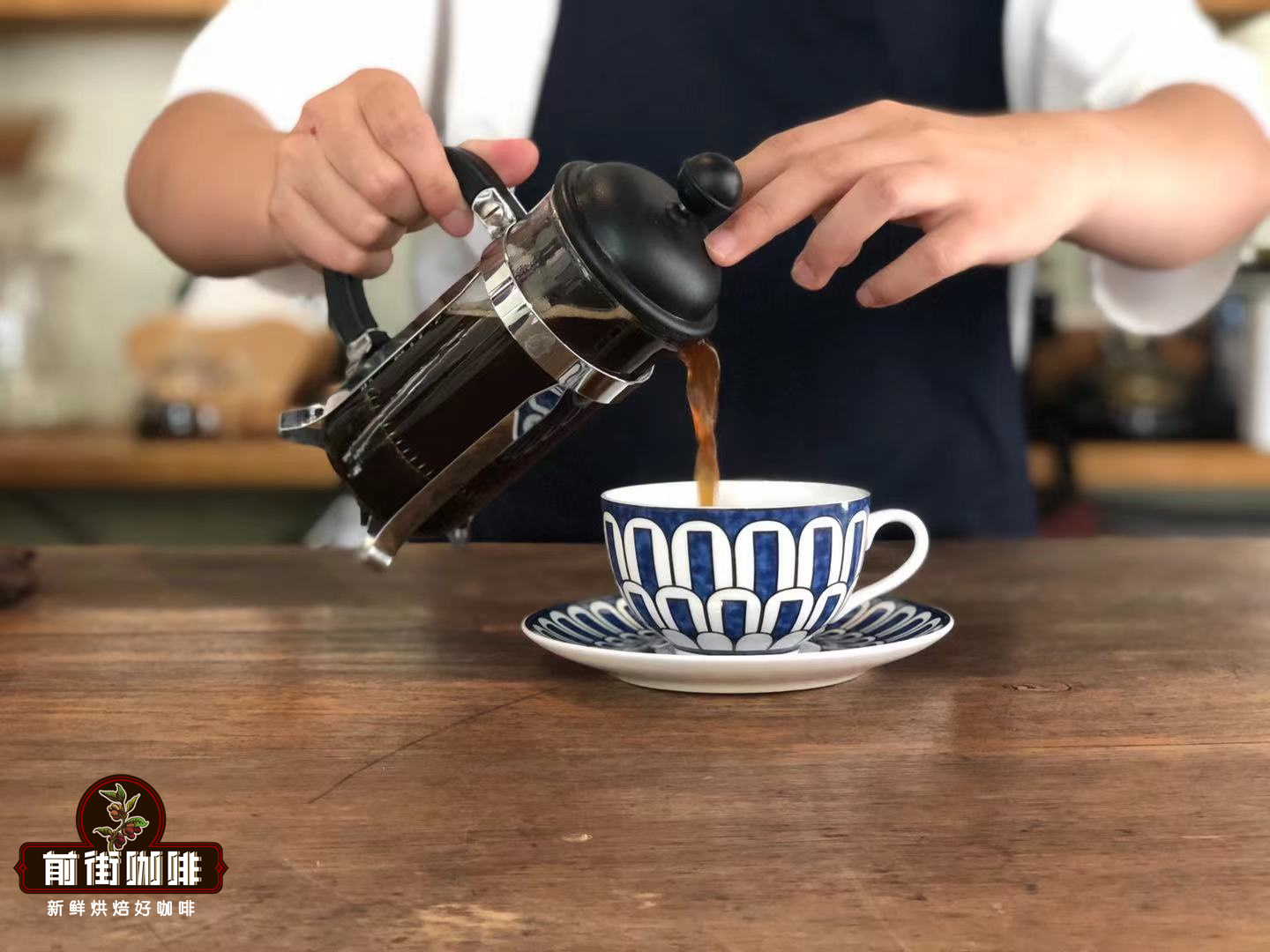
As mentioned above, FrontStreet Coffee said that coffee body is related to oils. The more coffee oils are retained, the higher the coffee body will be. Coffee brewing equipment and filter paper affect the amount of coffee oils in the final extracted coffee. Some equipment allows us to get a coffee with high body but poor cleanliness (such as a French press), while others extract high-concentration coffee while retaining a large amount of oils through sealed pressurization (such as espresso machines).
FrontStreet Coffee Recommendation
To feel body and clarity side by side, try cupping two FrontStreet coffees that sit at opposite ends of the spectrum. FrontStreet's washed Gedeb cooperative coffee, an Ethiopian lot, shows a delicate, tea-like body with clear, transparent flavor and a mellow sweetness, making it an easy first specialty bean for pour-over.
For a fuller body with more tropical fruit and juice, FrontStreet's Hambela is a natural-processed Ethiopian coffee whose fruit-forward character coats the palate more heavily. And for a Geisha-style cup with a fine, floral body, FrontStreet's Strawberry Candy blend brings berry and floral lift while staying approachable.
Whatever the bean, a V60 with its 60° cone and single large hole lets you control the flow and draw out either clarity or richness, which is why FrontStreet keeps reaching for this dripper in its body-versus-concentration experiments.
Important Notice :
FrontStreet Coffee is a long-established specialty coffee roaster in Guangzhou China, selling freshly roasted beans from its own farm in Yunnan as well as dozens of carefully selected single-origin beans from around the world for both pour-over and espresso. The products deliver consistently excellent quality and great value, with shipping within 24 hours. Guangzhou's FrontStreet Coffee shop is recommended by many coffee lovers, and the beans are now available online at the Tmall 。
FrontStreet Coffee has moved to a new address:
FrontStreet Coffee Address: 315,Donghua East Road,GuangZhou
Tel:020 38364473
 Scan and follow the En Gafei WeChat official account. Please indicate that the reprint comes from "En Gafei".