Coffee Lists
-
Coffee Basics: Pour-Over Brewing Time & Typical Extraction Duration
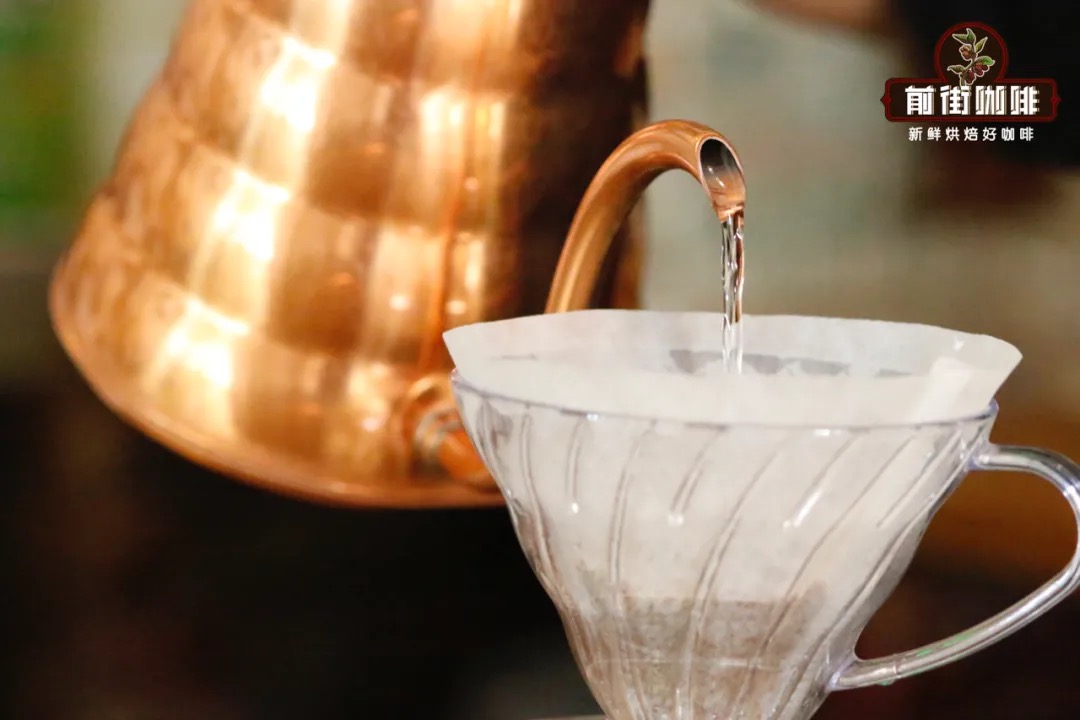
FrontStreet Coffee has noticed that many beginners when first starting with pour-over coffee pay great attention to brew amount, coffee-to-water ratio, water temperature, technique, and grind size, but take a casual approach to extraction time—this won't do! Extraction time is extremely important! Why is extraction time so crucial? Only 30% of a coffee bean consists of soluble flavor compounds, while the remaining 70% is woody fiber,
2021-09-28 coffee basics knowledge pour-over brewing time typical extraction duration -
How Delicious is Colombian Coffee? What's the Story and Origin of Sakura Coffee Beans and Their Characteristics?
Colombian Sakura Country of Origin: Colombia Region: Cauca Variety: Castillo Elevation: 2050m Roast Level: Medium Light Roast Processing Method: Double Anaerobic Washed According to SCA recommendations for pour-over coffee, use 15g of coffee grounds with 225ml of water at 90°C to 91°C, achieving a 1:15 coffee-to-water ratio. The flavor profile exhibits: the sweetness of strawberry jam and chamomile aroma. Upon tasting, notes of...
2021-09-27 coffee beans Colombia sakura heaven estate double anaerobic washed medium light -
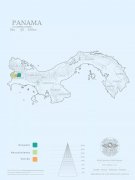
Panama Reserve Coffee Beans, The Secret of Green Label Geisha Variety, Why is Geisha So Special?
Hacienda La Esmeralda Green Label Geisha - Country of Origin: Panama, Region: Boquete, Hacienda La Esmeralda, Variety: Panama Geisha, Processing: Natural Process, Altitude: 1600-1800 meters. Recommended brewing according to SCA guidelines: 15g coffee grounds with 90-91°C water to 225ml, water-to-coffee ratio 1:15. Flavor notes include rich jasmine aroma, high sweetness, citrus, berries, juicy sensation, creamy
2021-09-26 coffee beans Panama Esmeralda estate green label Geisha specialty coffee premium high-end -
How to Brew Hacienda La Esmeralda Gesha? Panama Coffee Bean Guide & The Prestige of Gesha Coffee
Hacienda La Esmeralda Blue Label Gesha Origin: Hacienda La Esmeralda Variety: Panama Gesha Processing: Washed method Altitude: 1,500 meters Roast Level: Medium roast Following SCA recommendations for pour-over coffee: Use 15g coffee grounds with 90-91°C (194-196°F) water for 225ml, with a water-to-coffee ratio of 1:15. Flavor Profile: Floral aroma, fruit fragrance, lemon and citrus notes with citrus acidity, and rose tea finish.
2021-09-26 coffee beans Panama Esmeralda estate green label Gesha pour over specialty coffee premium -
What Grade is Panama Hacienda La Esmeralda Red Label Geisha? What's the Taste of Premium Geisha?
Hacienda La Esmeralda Red Label Geisha Origin: Panama Region: Hacienda La Esmeralda Variety: Panama Geisha Elevation: 1500-1900 meters Roast Level: Medium roast Recommended brewing: According to SCA recommendations for pour-over coffee - 15g coffee grounds, 90-91°C water, 225ml total volume, water-to-coffee ratio 1:15. Flavor notes include lychee, peach, Earl Grey tea, passion fruit, sweet with multi-layered tropical fruit characteristics
2021-09-26 coffee beans Panama Hacienda La Esmeralda red label geisha specialty coffee premium coffee high-end coffee -
Is Blue Mountain Coffee Bad to Drink? The Origin Story of Jamaican Coffee and Why Blue Mountain Beans Are So Expensive
Jamaica Blue Mountain No. 1 - Origin: Jamaica, Estate: Clifton Farm, Processing: Washed Method, Variety: Typica, Roast Level: Medium-Dark, Altitude: 2000 meters. According to SCA recommendations for hand-pour coffee: use 15g of coffee grounds with 90-91°C water for 225ml, with a water-to-coffee ratio of 1:15. The history of Jamaican coffee can be traced back to the 18th century, when in 1717 the French king Louis...
2021-09-26 coffee beans Jamaica specialty hand-pour Blue Mountain coffee washed processing medium-dark roast -
What Grade are Volcanic Coffee Beans and How Did Hawaii's KONA Coffee Come to Be?
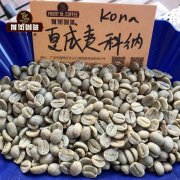
Hawaii KONA - Origin: Hawaii, Processing Method: Wet-hulled, Variety: Typica, Altitude: 800m-1100m, Roast Level: Medium-dark roast. According to SCA recommendations, pour-over coffee should use 15g of coffee grounds with 90-91°C hot water (225ml), creating a water-to-coffee ratio of 1:15. The coffee beans used in Hawaii's Kona coffee are grown in volcanic terrain. Simultaneously featuring high...
2021-09-26 coffee beans Hawaii Kona imported specialty washed roast characteristics -
How to Brew the Finest Papua New Guinea Coffee Beans for the Best Taste? What Grade is the Paradise Bird Coffee?
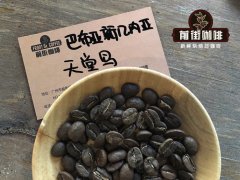
Papua New Guinea Paradise Bird Origin: Papua New Guinea Altitude: 1500m Variety: Typica Processing Method: Washed Processing Roast Level: Medium Roast Recommended by SCA: 15g coffee grounds with 90-91°C hot water (225ml), water-to-coffee ratio 1:15. Its flavor profile includes cream, nuts, and chocolate, with a rich and balanced taste.
2021-09-26 coffee beans Papua New Guinea Paradise Bird washed specialty light roast characteristics -
Coffee Fundamentals: Coffee Bean Processing Methods and Flavor Differences in Single-Origin Beans
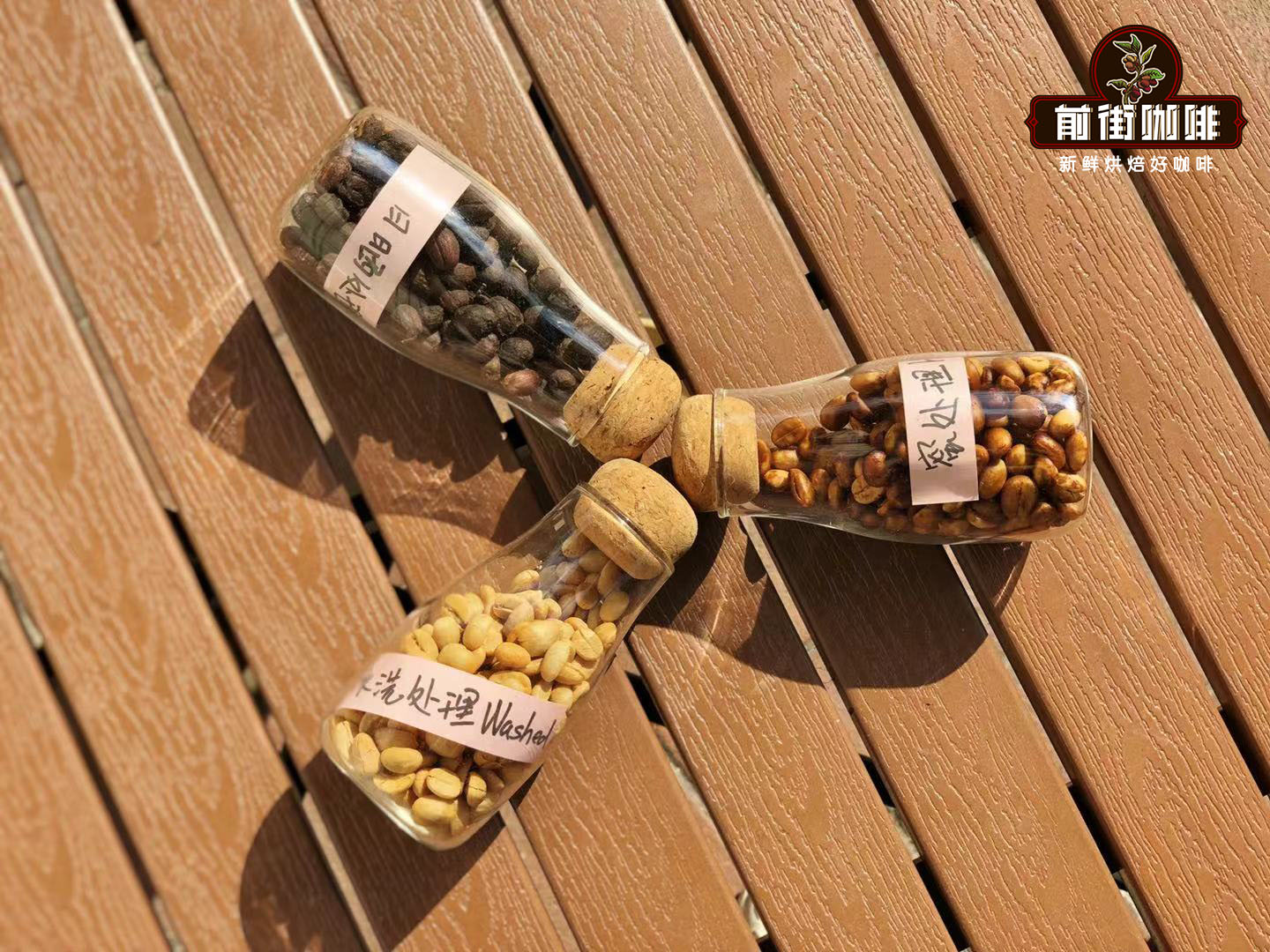
"Is washed processing just about washing coffee beans?" "Is natural processing simply about drying coffee beans in the sun?" "Is honey processing made by adding honey to coffee beans?" The purpose of coffee bean processing methods is to remove the pulp and mucilage from coffee cherries while minimizing damage to the coffee beans themselves.
2021-09-25 coffee beginner essential processing pour-over single-origin coffee beans washed natural honey differences -
What varieties are in Ethiopian Flower Queen coffee beans? Are these champion pour-over coffee beans delicious?
Sidamo Flower Queen Small Bean Origin: Ethiopia Region: Arsi Processing: Natural Varietal: Heirloom Altitude: 2200 meters Roast Level: Medium-Light Flower Queen coffee beans get their name from their origin in the Guji Hambela region of the Sidamo coffee zone, which is also part of the same Sidamo area as Yirgacheffe. The renowned specialty coffee Flower Queen beans come from
2021-09-25 coffee beans Ethiopia special selection small bean Flower Queen light roast premium specialty -
Coffee Beans—Characteristics of Ethiopia COE Auction Natural Light Roast Premium Beans
2020 Ethiopia's First COE Auction Bean #22 Country of Origin: Ethiopia Coffee Region: Arsi Growing Altitude: 2050m Processing Method: Washed Coffee Variety: Typica Roast Level: Medium-Light Roast According to SCA's recommended pour-over coffee brewing ratio of 15g coffee grounds with 90-91°C hot water for 225ml, water-to-coffee ratio 1:15. This coffee bean in the 2020 Ethiopia COE
2021-09-25 premium coffee beans Ethiopia COE auction 2020 -
What is the Best Pour-Over Coffee Powder-to-Water Ratio? How Much Water is Needed for 20g of Coffee Grounds?
Often, when we brew coffee, we rely on the Gold Cup Theory, which, under specific conditions, helps us understand the relationship between powder-to-water ratio, concentration, and extraction rate. This allows us to determine the optimal powder-to-water ratio for brewing coffee. Powder-to-Water Ratio What is the appropriate pour-over powder-to-water ratio? 1:15 is likely the most commonly heard answer. The 1:15 powder-to-water ratio seems to exist as an undeniable truth. FrontStreet Coffee often uses this ratio in many pour-over brewing methods.
2021-09-24 pour-over coffee grounds ratio best taste coffee 20g brewing -
Coffee Basics: Detailed Guide to Making Espresso-based Mocha Coffee (Illustrated)
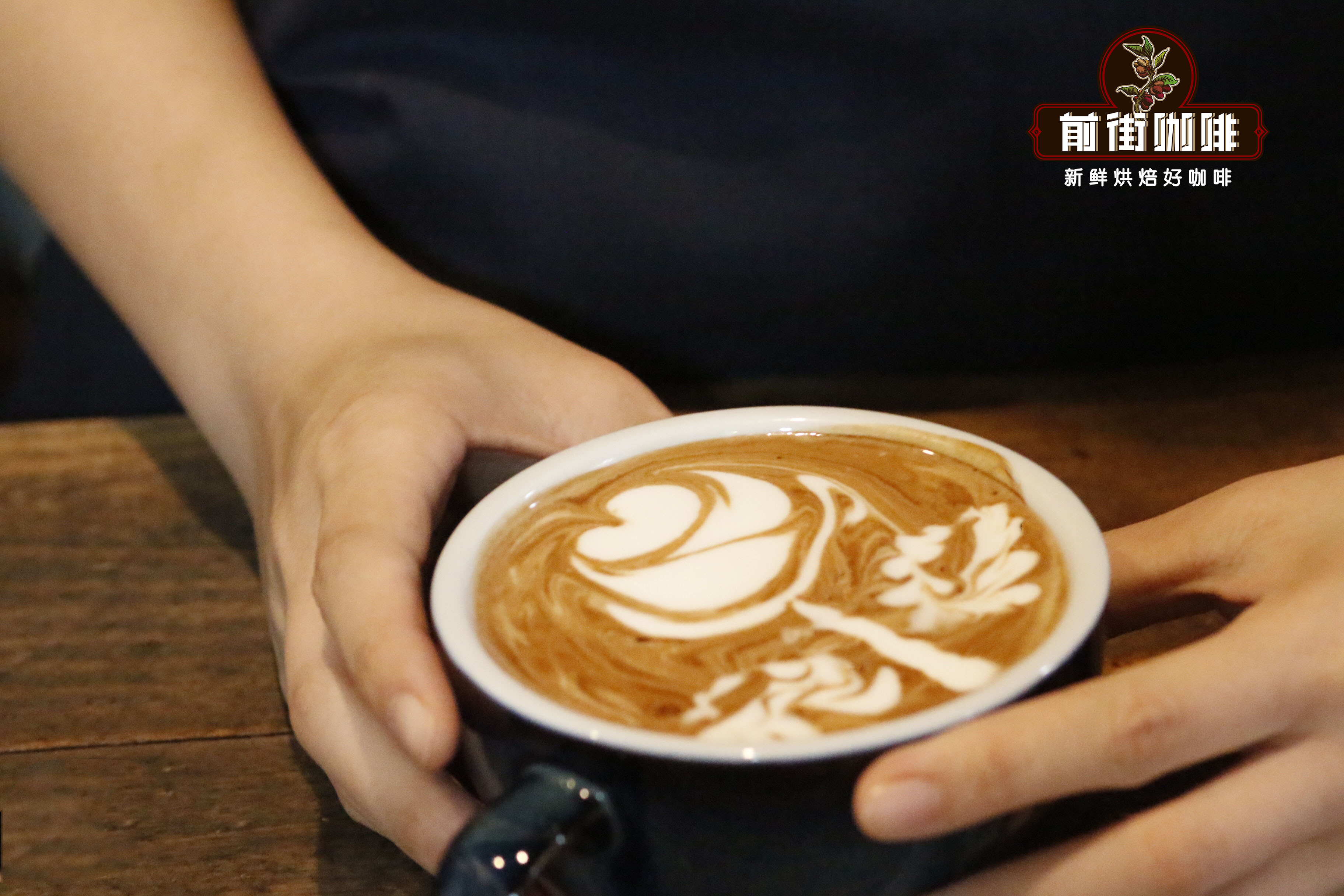
Autumn, a season that can heal the soul~Morning in hand with a rich mellow cup of mocha coffee, watching the blue sky and falling leaves outside the window, the breeze swaying the curtains, the sun warming the heart, everything is calm, charming yet understated. The Origin of Mocha Coffee The term "mocha" originates from the port of Mocha in Yemen. As the first country in the world to cultivate and produce coffee beans on a large scale,
2021-09-23 coffee basics knowledge espresso concentrated beverage mocha preparation method detailed guide -
Is Coffee Better When It's More Sour or Bitter? Recommendations for Flavorful, Non-Acidity Coffee Beans
When ordering coffee at a café, customers might struggle with whether to choose a sour or bitter brew. For those who understand their own preferences, choosing between sour and bitter isn't actually that difficult—as long as it suits personal taste. At FrontStreet Coffee, if you enjoy sour coffee, you can choose Ethiopian Yirgacheffe beans or Kenyan coffee.
2021-09-23 coffee sour bitter non-acidity flavorful delicious coffee beans recommendation visit -
Tanzanian Coffee Estates Flavor Profile of Karatu Coffee Estate Beans
Coffee was introduced to Tanzania in the 16th century from modern-day Ethiopia. The region did not actually produce coffee but used it as a stimulant. According to oral traditions from the area, the Haya tribe in modern-day Kagera region of northwestern Tanzania was the only recorded tribe to use beans. The tribe would boil robusta beans and steam them with various herbs, then chew the mixture.
2021-09-23 Tanzania coffee estate Karatu coffee beans flavor profile world -
Simple Cappuccino Recipe How to Make Cappuccino Coffee at Home Using a French Press
If you want to drink a perfect cappuccino or flat white coffee, the best choice every time is to select a café from our FrontStreet Coffee or website, letting professional baristas make it. However, sometimes when you want to try making coffee yourself, then it's necessary to understand the coffee-making methods. Therefore, there is a simple method that doesn't require starting from scratch to build
2021-09-23 cappuccino simple recipe how at home using french press make coffee -
The Perfect Espresso Grind: How to Dial In Your Extraction Like a Professional
Every coffee shop is busy with preparation work before opening, and one of the most important tasks is dialing in the espresso. Some friends have asked before: how fine should the coffee grounds be for an espresso machine? The issue of espresso grind size. For drip coffees like pour-over and cold drip, the grind particles are naturally coarser, and we can use screens to distinguish them. But espresso
2021-09-23 espresso coffee grind fineness extraction correct making tutorial daily preparation -
Low-Acidity Coffee Beans: Recommendations for Smooth, Non-Acidic Varieties
We know that coffee beans from different countries and regions offer distinct flavor profiles and characteristics, with processing methods being another influencing factor. For example, coffee from Ethiopia's Yirgacheffe region is renowned for its bright acidity. When it comes to low-acidity coffees, FrontStreet Coffee primarily recommends beans from Brazil. Brazil is not only the world's largest coffee
2021-09-22 acidity coffee beans varieties flavor profile low acid recommendations -
How to Make the Best Coffee: Key Factors That Influence Coffee Flavor
Coffee has become an indispensable lifestyle choice for most people. From instant coffee and espresso to the various popular brewing methods like pour-over coffee, specialty coffee has become the darling of modern coffee beverages. However, no matter how coffee is presented, its quality cannot be overlooked. To
2021-09-22 best coffee brewing factors influence flavor quality essential elements -
Types of Coffee Beans: Introduction to the Best Tasting Coffee Bean Varieties and Top Choices for Brewing
When we buy a bag of coffee from the supermarket, we notice that there's more than one variety of coffee beans. But how many types of coffee beans are there? If you care about what type of coffee you're drinking, you might find all the mixed information about coffee types overwhelming. The labels on coffee bags don't help much either. So let FrontStreet Coffee help solve this problem for you. Arabica coffee is the most common.
2021-09-22 coffee beans varieties best tasting recommendations introduction brewing top choices supermarkets