How Delicious is Colombian Coffee? What's the Story and Origin of Sakura Coffee Beans and Their Characteristics?
Colombia Sakura
Country of Origin: Colombia
Region: Cauca
Variety: Castillo
Altitude: 2050m
Roast Level: Medium-Light
Processing Method: Double Anaerobic Washed
According to SCA recommendations, use 15g of coffee grounds with 225ml of water at 90-91°C, maintaining a 1:15 coffee-to-water ratio.
The flavor profile centers on strawberry-jam sweetness and chamomile aroma. On entry you get strawberry-like sweetness and acidity, along with strawberry-jam fermentation notes, followed by the aromas of basil and rosemary, and finally a subtle cooling sensation in the mouth reminiscent of mint tea.
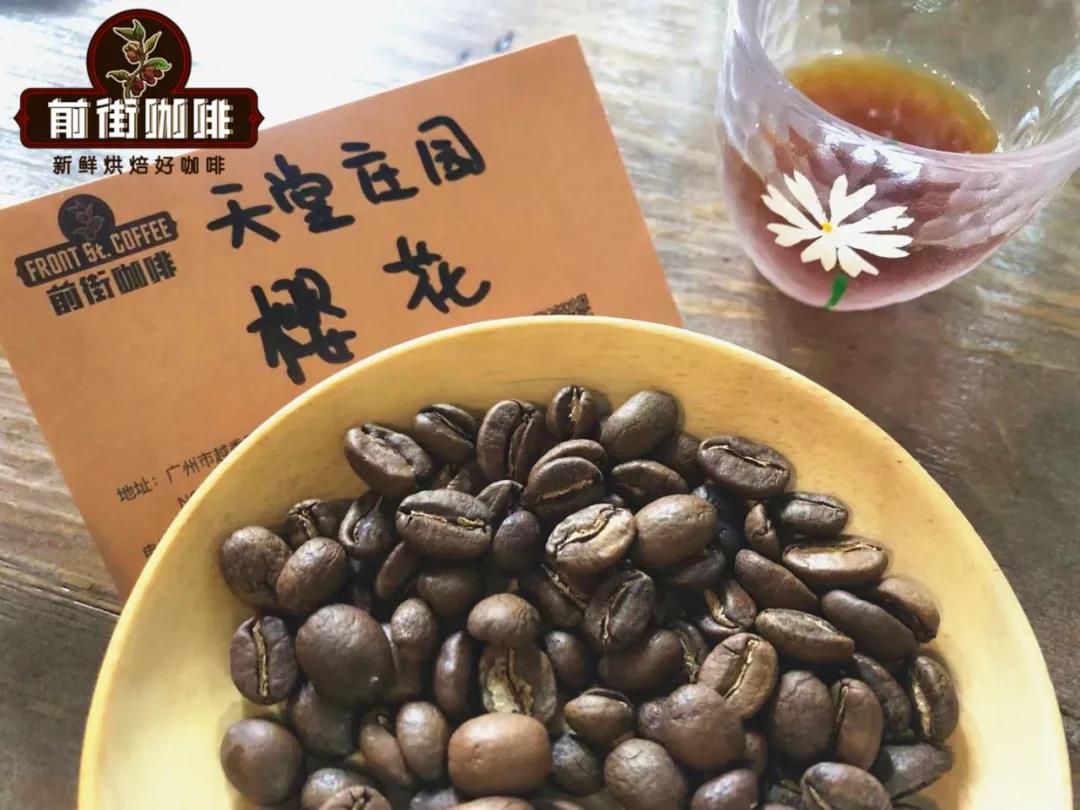
Double Anaerobic Washed
This Sakura coffee bean undergoes double anaerobic washed processing. First, the whole coffee cherries ferment in an initial anaerobic stage. Afterward, the cherries are mechanically de-pulped to remove the skin and fruit.
The beans, mucilage still intact, then go into sealed plastic bags or other airtight containers for a second anaerobic fermentation. Once that's complete, the beans are washed to strip the mucilage layer and sun-dried until moisture reaches roughly 11%. In cupping, FrontStreet Coffee has found that beans processed this way show more complex acidity than single-stage anaerobic washed coffees.
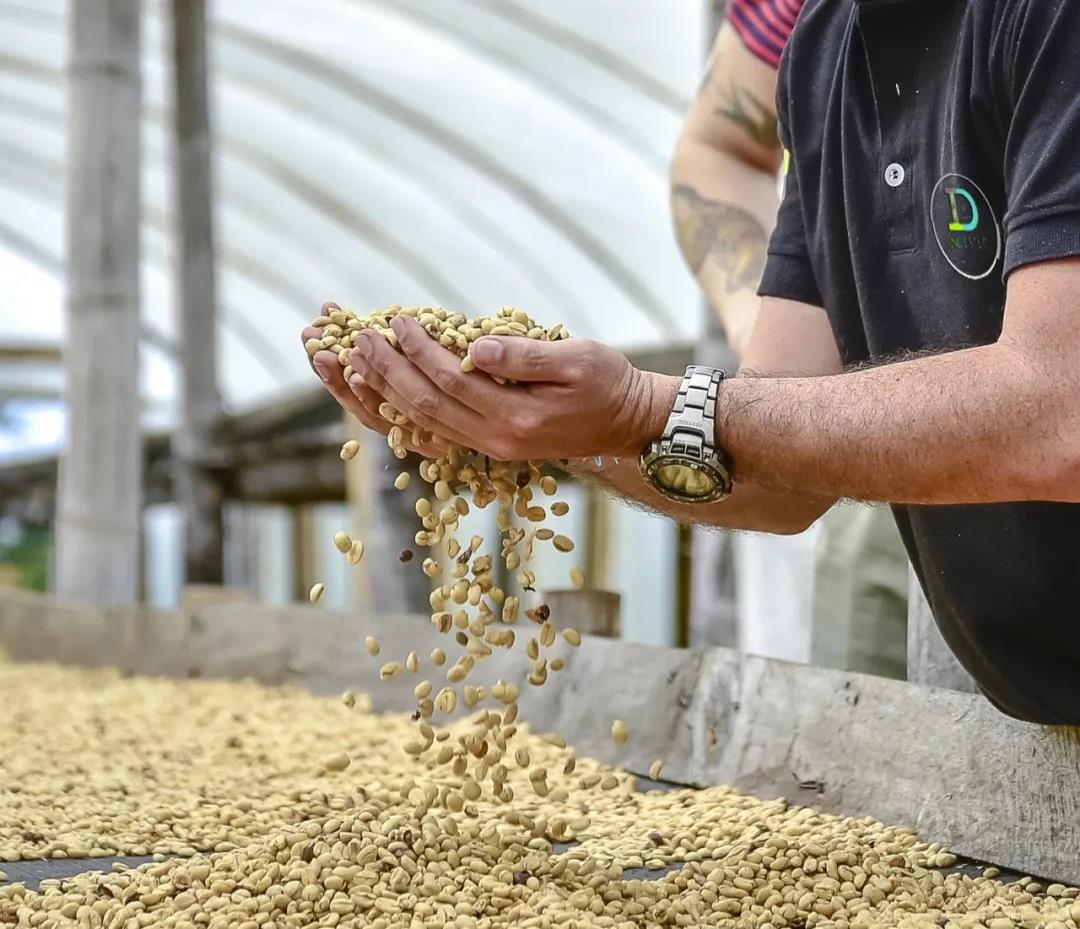
Castillo Variety
Research began in 1961 at Colombia's national coffee research center. Building on ongoing work with rust-resistant genetics involving Caturra and the Timor Hybrid, after 23 years of breeding the program produced six Castillo cultivar lines, which entered widespread cultivation in 2005. Today, roughly 45% of Colombia's coffee plantations grow Castillo. The variety is known for its smooth body, aroma, and citrus acidity — and according to blind-tasting results from Colombia's national research center, Castillo's cup quality can stand alongside Caturra and Bourbon.
Finca El Paraiso
Finca El Paraiso is the estate Diego Samuel began running in 2008, while also pursuing research in agribusiness management.
At first, Finca El Paraiso was a small 2.5-hectare family farm. In 2015, Diego Samuel entered his first regional green-bean cupping competition and won first place. That recognition pushed him to pour even more passion into cultivating high-quality coffee. Today the farm grows Bourbon, Laurina, Geisha, Castillo, and Colombia variety trees — and the Sakura beans FrontStreet Coffee acquired are the Castillo lots.
According to SCA recommendations, use 15g of coffee grounds with 225ml of water at 90-91°C, maintaining a 1:15 coffee-to-water ratio.
FrontStreet Coffee Recommendation
If the Sakura's controlled-fermentation character appeals to you, Colombian coffee is one of the best places to explore that spectrum, and FrontStreet Coffee carries styles for every angle of it. Colombian beans work everywhere — pulled as espresso, brewed as pour-over singles — and range from fruit-acid forward to deep and full-bodied to intensely aromatic, so there's a match for nearly any palate.
The closest cousin to Sakura is FrontStreet Coffee's Colombia Boundary Estate Sidra, an anaerobic natural. Fermentation happens in sealed, pressure-rated stainless tanks where temperature, time, and pH are all controlled — the same low-oxygen logic behind double anaerobic processing. Roasted medium-light, it brews up passion fruit, grape, apricot, and dried-fruit aromatics: layers of dense, perfumed sweetness that fans of innovative processing will recognize immediately.
For contrast, FrontStreet Coffee's washed Huila shows Colombia's classic face: from the hills of the southern Central Cordillera, grown above 1,500 meters where the country's great rivers converge, this medium-dark roast brings black chocolate, nutty sweetness, moderate crema, and a thick, mellow body — at home in a pour-over, French press, moka pot, or espresso machine. And for milk-drinkers, the FrontStreet Signature Espresso Blend marries Brazil's creamy nuttiness with Colombia's dark-chocolate depth, pulling a fine golden crema that makes a lush, beginner-friendly latte and a solid base for Americanos, cappuccinos, and mochas alike.
Important Notice :
FrontStreet Coffee is a long-established specialty coffee roaster in Guangzhou China, selling freshly roasted beans from its own farm in Yunnan as well as dozens of carefully selected single-origin beans from around the world for both pour-over and espresso. The products deliver consistently excellent quality and great value, with shipping within 24 hours. Guangzhou's FrontStreet Coffee shop is recommended by many coffee lovers, and the beans are now available online at the Tmall 。
FrontStreet Coffee has moved to a new address:
FrontStreet Coffee Address: 315,Donghua East Road,GuangZhou
Tel:020 38364473
 Scan and follow the En Gafei WeChat official account. Please indicate that the reprint comes from "En Gafei".