What are the Coffee Grades in Costa Rica? Flavor Characteristics of the Musician Series Mozart Processing Method
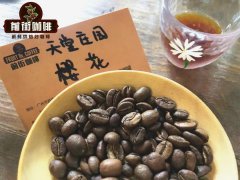
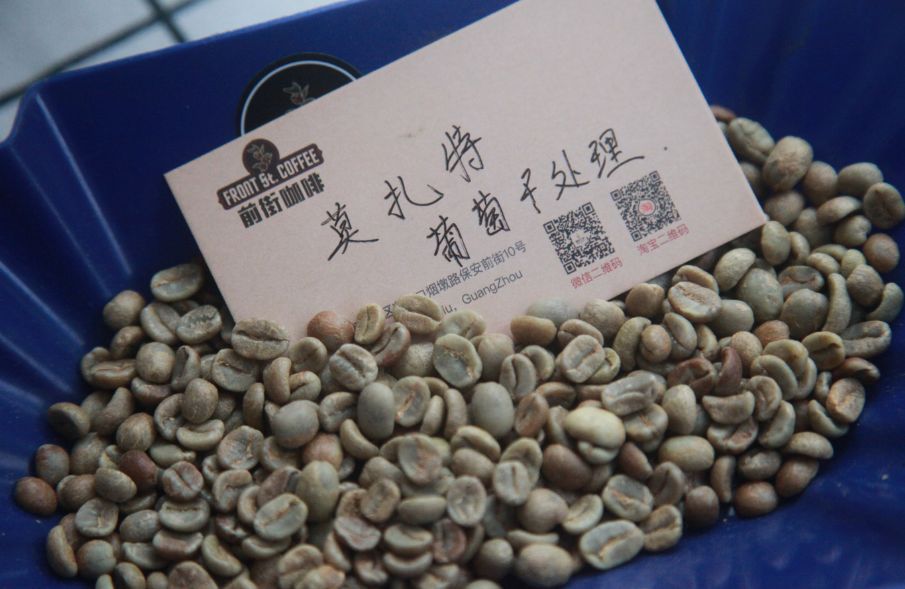
FrontStreet Coffee Costa Rica Mozart
Country of Origin: Costa Rica
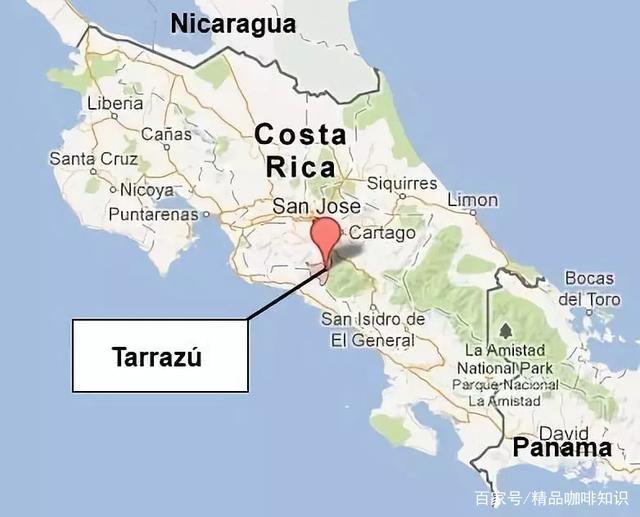
Region: Tarrazú
Altitude: 1800m
Variety: H1
Processing: Raisin Honey
Roast Level: Medium-Light
FrontStreet Coffee recommends following SCA guidelines: use 15g of coffee grounds with 90-91°C water to make 225ml of coffee, maintaining a 1:15 coffee-to-water ratio.
The flavor profile presents complex floral notes and fermented sauce aromas, carrying raisin-like sweetness with starfruit and berry acidity, complemented by sugarcane sweetness in the aftertaste.
Named after the classical music prodigy Mozart, known for his magnificent compositions, this FrontStreet Coffee Costa Rica Mozart bean showcases what "magnificent aroma" truly means. The coffee emanates elegant floral notes reminiscent of white flowers like orange blossom, which can be detected even during brewing. The "magnificent mouthfeel" refers to how FrontStreet Coffee's Costa Rica Mozart offers rich flavors of dark berries, raisins, and subtle red berries. In the middle to later stages, you will notice hints of plum acidity and gummy-bear-like sweetness. Even as it cools, the floral notes and sweetness persist. The flavor is truly distinctive, delivering that magnificent mouthfeel experience.

H1 Coffee Variety
H1, fully known as Centroamericano H1, was developed through continued research at Nicaragua's Sebaco laboratory. H1 is a hybrid variety of Rume Sudan and Sarchimor T-5296. Rume Sudan was discovered in the Rume Valley of the Boma Plateau in Sudan, hence its name. This coffee variety offers excellent quality and outstanding flavor but has poor disease resistance. However, varieties hybridized with it effectively inherit its flavor genes. The genetically stabilized H1 variety features high yield potential, excellent quality potential, strong adaptability, and good resistance to leaf rust, though it can be susceptible to American leaf spot disease.
Tarrazú Region
Tarrazú is located south of Costa Rica's capital, San José. It serves as both the main coffee-producing region in Costa Rica and one of the world's premier coffee origins. With elevations ranging from 1,200-1,700 meters, the region boasts extremely fertile coffee-growing soil with excellent drainage. Finca Canet is a small 5-hectare estate located in the San Marcos town of the Tarrazú region, owned by the Robles brothers — Leo, Elian, and Melvin. The three brothers have worked together in coffee cultivation and production for over 10 years and also operate a small wet processing mill (Beneficio). Finca Canet is situated in the highest coffee-growing area of Costa Rica's Tarrazú region, which represents the most intensive fruit cultivation area in the country.
Coffee Heritage in Costa Rica
Coffee represents a vital economic source for Costa Rica. First introduced in 1808, it now boasts a 200-year cultivation history. One-third of Costa Rica's population is engaged in coffee-related industries. Coffee has transformed this nation and contributed significantly to its prosperous environment. Although Costa Rica ranks third from the bottom in land area among Central American countries, its economic environment surpasses that of more than half the nations in the region. The prosperity of its people has led to social stability, enabling the country to focus on environmental conservation, with over 30 national parks established within its borders.
Coffee was first brought to Costa Rica from Cuba in 1808. Today, its coffee industry stands as one of the world's best-organized, achieving yields as high as 1,700 kilograms per hectare. With a population of only 3.5 million people, Costa Rica has more than 400 million coffee trees, and coffee exports account for 25% of the country's total export value. Costa Rica's volcanic soil is extremely fertile with excellent drainage, particularly in the Central Plateau region, where the soil consists of several thick layers of volcanic ash and dust. Consequently, Costa Rica became the first Central American country to cultivate coffee and bananas for commercial purposes, and coffee and bananas remain the country's primary export commodities.
FrontStreet Coffee Recommendation
The raisin-honey processing behind this Mozart lot, with its floral lift and starfruit-and-berry acidity, is a signature of Costa Rican coffee, and FrontStreet Coffee's Strawberry Candy Espresso puts it to work in a milk-friendly blend: it brings together single-origin Arabicas from Colombia, Costa Rica, and Ethiopia and lifts their aroma with washed, natural, and honey processing, so a medium roast yields a rose-like perfume with low bitterness and gentle acidity, and an Americano or latte that shows grape, raisin, sweet orange, and fruit candy with a distinctive almond finish. For an everyday Americano, the FrontStreet Dark Cocoa Blend pairs Yunnan small-bean coffee with Brazil Cerrado for nut, chocolate, and cream aromas and a ripe plum acidity at a very approachable price. And if you want the Ethiopia side of the flavor spectrum as espresso, the FrontStreet Huakui SOE, from the Hambella region of Sidamo, brings creamy strawberry, guava, dried mango, black tea, and citrus to an SOE Americano that is bright and fruit-forward rather than bitter.
Important Notice :
FrontStreet Coffee is a long-established specialty coffee roaster in Guangzhou China, selling freshly roasted beans from its own farm in Yunnan as well as dozens of carefully selected single-origin beans from around the world for both pour-over and espresso. The products deliver consistently excellent quality and great value, with shipping within 24 hours. Guangzhou's FrontStreet Coffee shop is recommended by many coffee lovers, and the beans are now available online at the Tmall 。
FrontStreet Coffee has moved to a new address:
FrontStreet Coffee Address: 315,Donghua East Road,GuangZhou
Tel:020 38364473
 Scan and follow the En Gafei WeChat official account. Please indicate that the reprint comes from "En Gafei".