Costa Rican Bahia vs Mozart Coffee Beans: A Comparison of Flavor and Taste Characteristics
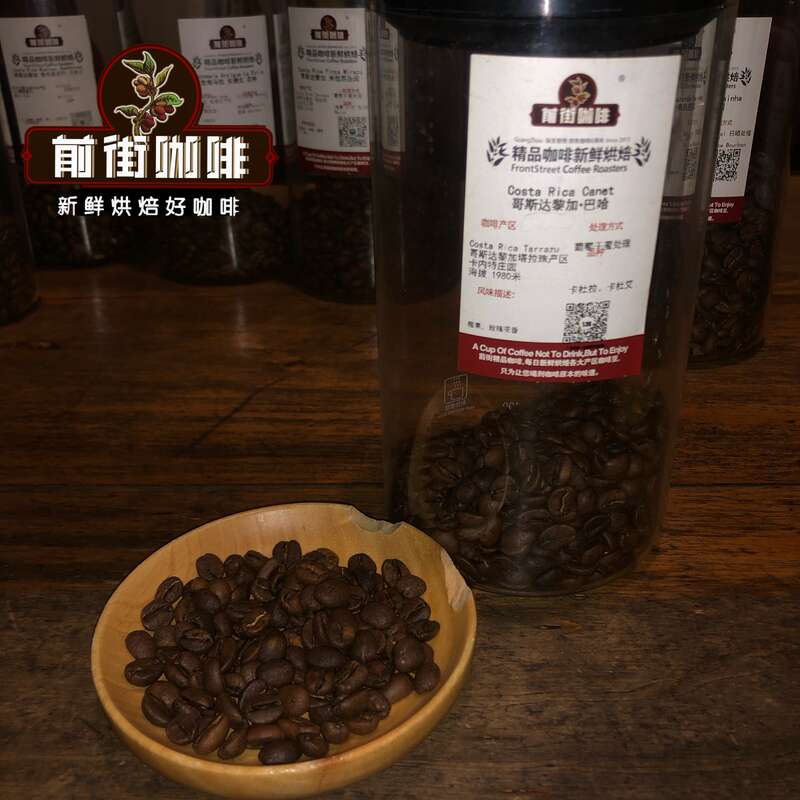
FrontStreet Coffee Costa Rica Bahia
Origin: Costa Rica
Region: Canet Estate, Tarrazú
Altitude: 1900m
Variety: F1
Processing: Raisin Honey
Roast Level: Medium-Light
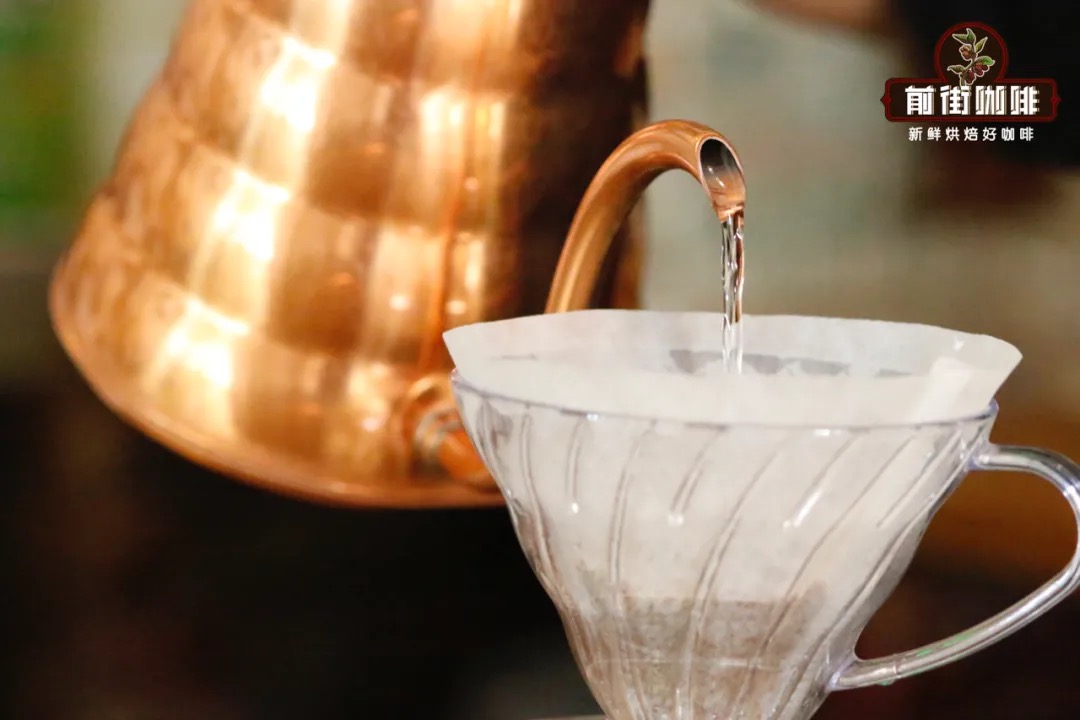
According to SCA recommendations, pour-over coffee should use 15g of coffee grounds with 225ml of water at 90-91°C, maintaining a 1:15 coffee-to-water ratio.
The specific flavor profile presents mature berry-like fermentation notes, with rose floral aromatics, blueberry sweetness and acidity, creamy smoothness, and a caramel-like aftertaste.
Bahia is exquisite and rich in layers, yet clear and well structured. The dry aroma of these beans carries fruity notes of strawberry, blackberry, and raisin, with wafts of fruit fragrance during brewing.
When freshly brewed, distinct floral and fruit aromas emerge. On entry you experience rich fruit fragrance and sweet acidity, with subtle wine notes in the mid-to-late section, much like red wine.
As it cools, it reveals candied-fruit sweetness, with the wine aroma becoming more pronounced and even expressing plum liqueur notes. Such an exquisite taste experience truly lives up to the name of a fine composition.
Coffee Bean Variety
Today we see the commercial results of the F1 variety, a project planned as early as the 1990s. In 1970, coffee leaf rust swept across the Americas. The genetic uniformity of American coffee made it unable to resist leaf rust, leading to complete devastation once infected. Against this backdrop, an F1 project aimed at cultivating a new generation of coffee varieties was born, led by the French Agricultural Research Center for International Development (CIRAD) and the Central American Coffee Organization (PROMECAFE), with assistance from the Agronomic Institute of the Americas (IAC) and the Costa Rica Tropical Research and Education Center (CATIE). They believed that Catuai and Catuai Amarillo, widely cultivated in South America, had very weak disease resistance, so they sought to breed a new generation that balanced flavor and vitality through hybridization.
The Costa Rica Tropical Research and Education Center selected from hundreds of coffee varieties for cross-pollination: Catuai, Catuai Amarillo, Catimor, Sarchimor T-5296 (a hybrid of Villa Sarchi and Timor), and wild varieties. After five years of effort, 100 different F1 varieties were produced, from which 20 superior ones were selected for propagation and cultivation. These first-generation F1 hybrids exhibit stronger disease resistance, drought tolerance, and higher yields. The cultivated varieties also require genetic stability (the trait must be heritable), thus requiring continued cultivation of first and second generations, with genetic stability expected to be confirmed by the eighth generation. This is why F1 hybrid varieties have appeared on the market in recent years.
Raisin Honey Processing Method
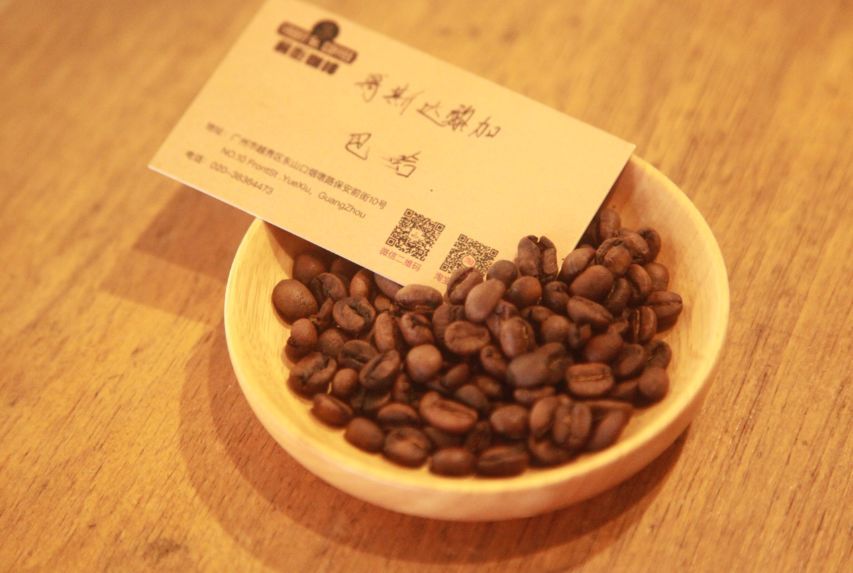
This method retains 100% mucilage with a zero-water process.
That increases the difficulty of honey processing, requiring strict control of timing. On the day of harvest, the coffee cherries are poured into large water tanks. Mature, full fruits sink to the bottom, while underdeveloped or overripe fruits float to the surface. These floating beans must be removed. The selected fruits are then placed on raised beds to dry for at least three days, after which the cherry skin is removed while preserving the mucilage before further drying. During this stage, climate factors are key to the success of honey processing.
During drying, these coffee cherries must be turned continuously to ensure even drying, but the turning frequency has to be carefully controlled. Slow drying ensures proper fermentation, but it cannot be so slow that over-fermentation occurs.
Canet Estate
Canet Estate (Finca Canet) is a small 5-hectare farm located in the town of San Marcos in the Tarrazú region, owned by the Robles brothers Leo, Elian, and Melvin. They have worked together cultivating and producing for over 10 years and also share a small wet processing mill (Beneficio).
Canet Estate sits in the highest-altitude coffee growing area of Costa Rica's Tarrazú region, the country's most intensive fruit-growing zone. The estate owners primarily grow passion fruit, so the coffee quantities are quite scarce; only a specific area is dedicated to coffee, receiving special care, with only mature red cherries harvested.
FrontStreet Coffee Recommendation
The raisin-honey processing described here is exactly what gives this Costa Rican coffee its wine-like richness, and FrontStreet Coffee's raisin-forward lots are a natural next step. The FrontStreet Mozart is built around that same grape-and-raisin character, with a floral-fruit profile that suits the V60 very well and stays vivid whether you brew it hot as a pour-over, as a cold brew, or in a moka pot.
If you are drawn to the candied, jammy sweetness in Bahia's cooling cup, the FrontStreet Strawberry Candy brings a similar floral lift with a Geisha-like elegance. Both respond to the medium-light roast and 1:15 ratio that this article recommends, letting the berry and rose aromatics come through cleanly.
Important Notice :
FrontStreet Coffee is a long-established specialty coffee roaster in Guangzhou China, selling freshly roasted beans from its own farm in Yunnan as well as dozens of carefully selected single-origin beans from around the world for both pour-over and espresso. The products deliver consistently excellent quality and great value, with shipping within 24 hours. Guangzhou's FrontStreet Coffee shop is recommended by many coffee lovers, and the beans are now available online at the Tmall 。
FrontStreet Coffee has moved to a new address:
FrontStreet Coffee Address: 315,Donghua East Road,GuangZhou
Tel:020 38364473
 Scan and follow the En Gafei WeChat official account. Please indicate that the reprint comes from "En Gafei".