Coffee Basics: Pour-Over Brewing Time & Typical Extraction Duration
FrontStreet Coffee has noticed that many pour-over beginners obsess over parameters like coffee dose, water-to-coffee ratio, water temperature, pouring technique, and grind size—yet treat extraction time with a casual "close enough" attitude. That simply won't do! Extraction time matters enormously.

Why Is Extraction Time So Important?
Only 30% of a coffee bean consists of soluble flavor compounds; the remaining 70% is woody fiber. Coffee flavor, in other words, is not infinitely extractable—and of that 30%, we only want to extract 18%-22% to hit optimal flavor.
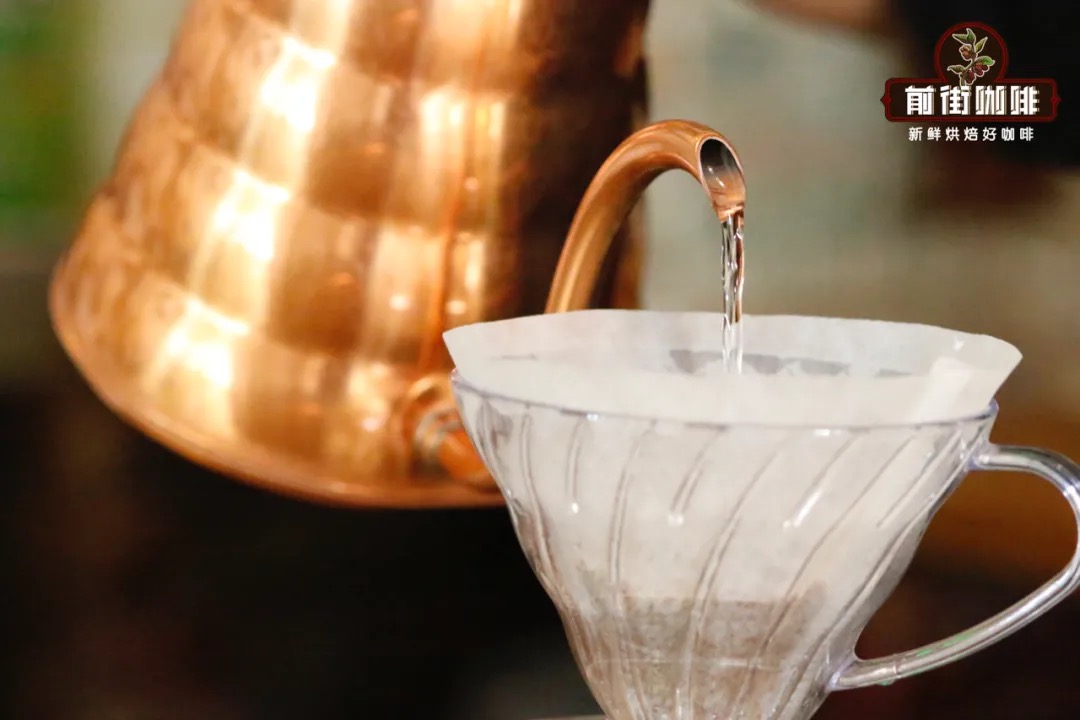
Early in the extraction, small-molecular flavor compounds—acidity and sweetness—dissolve from the coffee particles at the highest rate, shaping the coffee's taste and aroma. Later, large-molecular compounds—bitterness—begin to dissolve. Released in the right measure, these heavier compounds add body and richness; released in excess, they drag bitterness and astringency into the cup.
So with all other parameters fixed, the longer the extraction runs, the higher the concentration climbs and the more tail-end large-molecular compounds end up in the cup—coffee that tastes intense and charred-bitter overall. Too short an extraction leaves the concentration low, capturing only the small-molecular compounds: a coffee that is acidic, sweet, and thin.
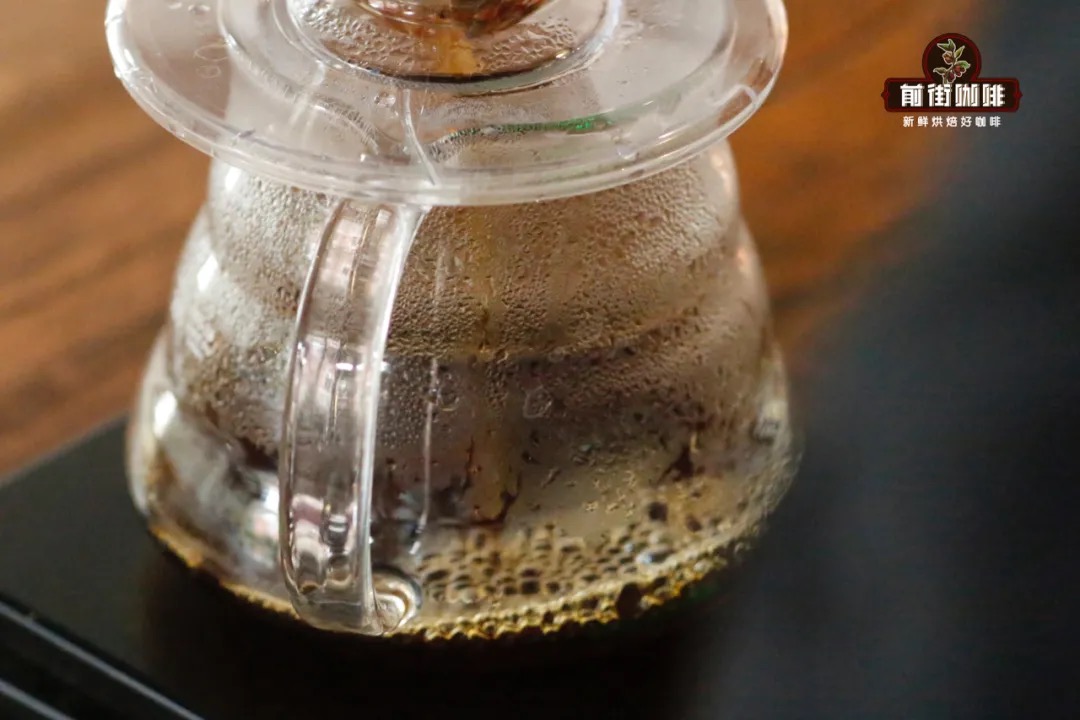
Every factor in pour-over coffee interacts with the others, so there's no single fixed extraction time—but there is an optimal range. From FrontStreet Coffee's brewing experience, a perfectly balanced cup (under normal circumstances) needs a total extraction time of 1 minute 50 seconds to 2 minutes 20 seconds for 15g of grounds.
Should the Timer Start Before or After the Bloom?
The optimal total extraction time FrontStreet Coffee describes begins the moment water touches the grounds. Take freshly roasted, properly rested beans: after grinding to the right coarseness, inject twice the coffee's weight in water (for 15g of grounds, 30g of water). The ideal bloom lasts 30 seconds, counted from the start of pouring—not after it.
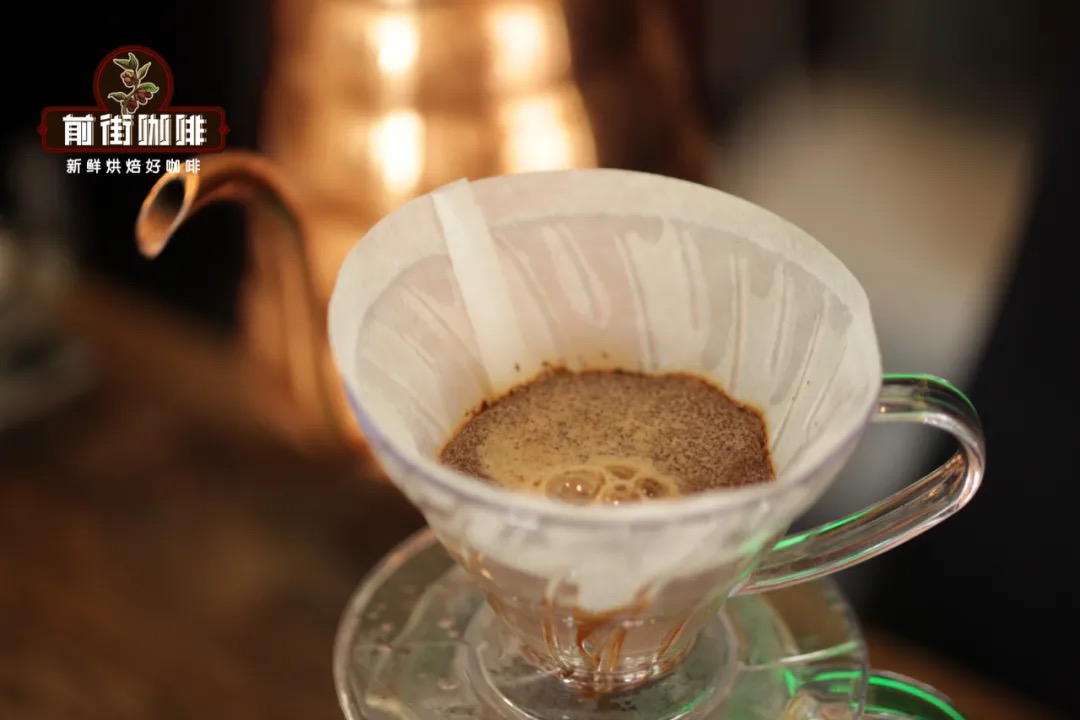
During those 30 seconds, the grounds release a large amount of carbon dioxide along with acidic and sweet flavor compounds. If you only start timing once the pour is finished, you're actually stretching the bloom—because pouring 30g of water typically takes 8-10 seconds. With light roast beans, that 10-second slip is often enough to push the coffee into astringency!
What Factors Affect Extraction Time?
/ The Dripper
The angles, ribs, and overall shape of a dripper all influence how fast water passes through the coffee bed, speeding up or slowing down the extraction. The V60, with its spiral long-rib design and large bottom aperture, lets water flow through the bed relatively quickly, so its extraction time runs somewhat shorter.
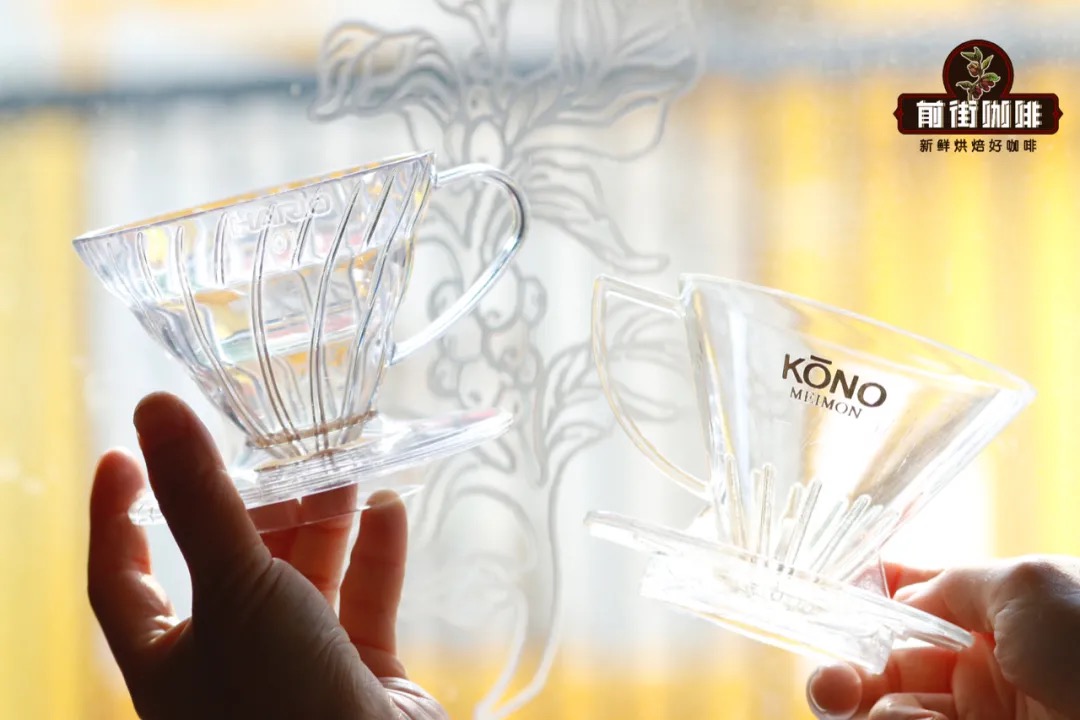
The Kono dripper, by contrast, has short ribs that reach only a third of the way up. The ribless section can form a seal against the filter paper, slowing the water's passage and extending extraction time.
/ Grind Size
Grind finer and the gaps between particles tighten, water slows, and extraction time stretches. Extraction that runs too long over-dissolves flavor compounds, producing an intense, heavy cup.
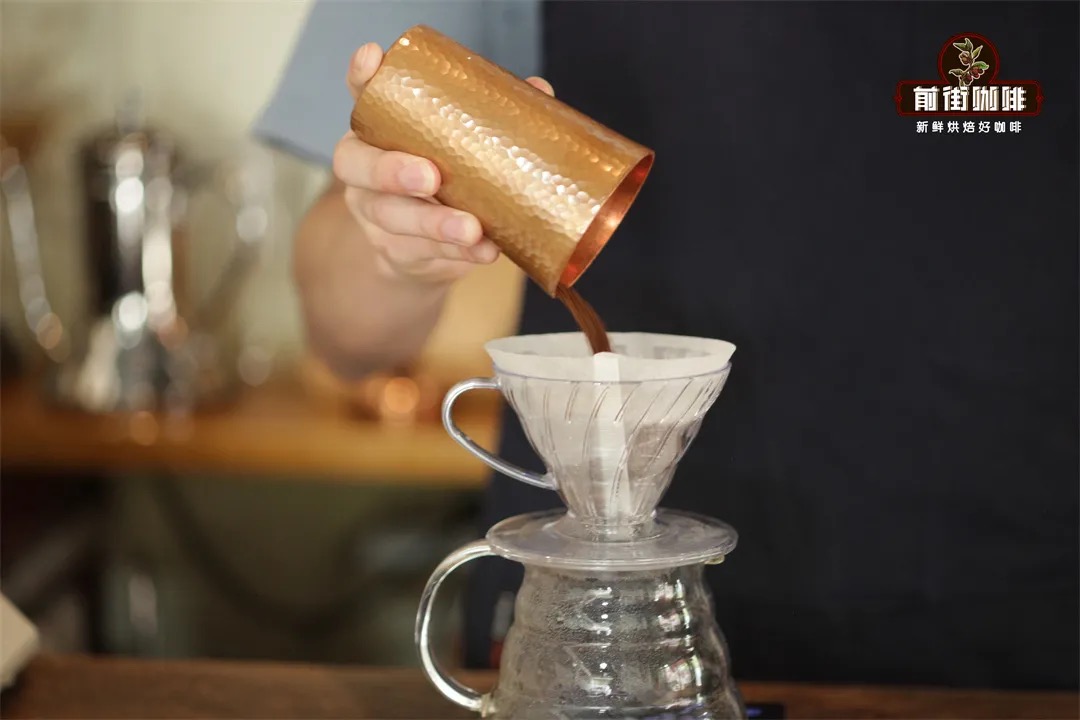
Grind coarser and the gaps widen, water rushes through, and extraction time shrinks. Too short, and the flavor compounds never fully dissolve—the coffee comes out bland.
/ Coffee Bed Thickness
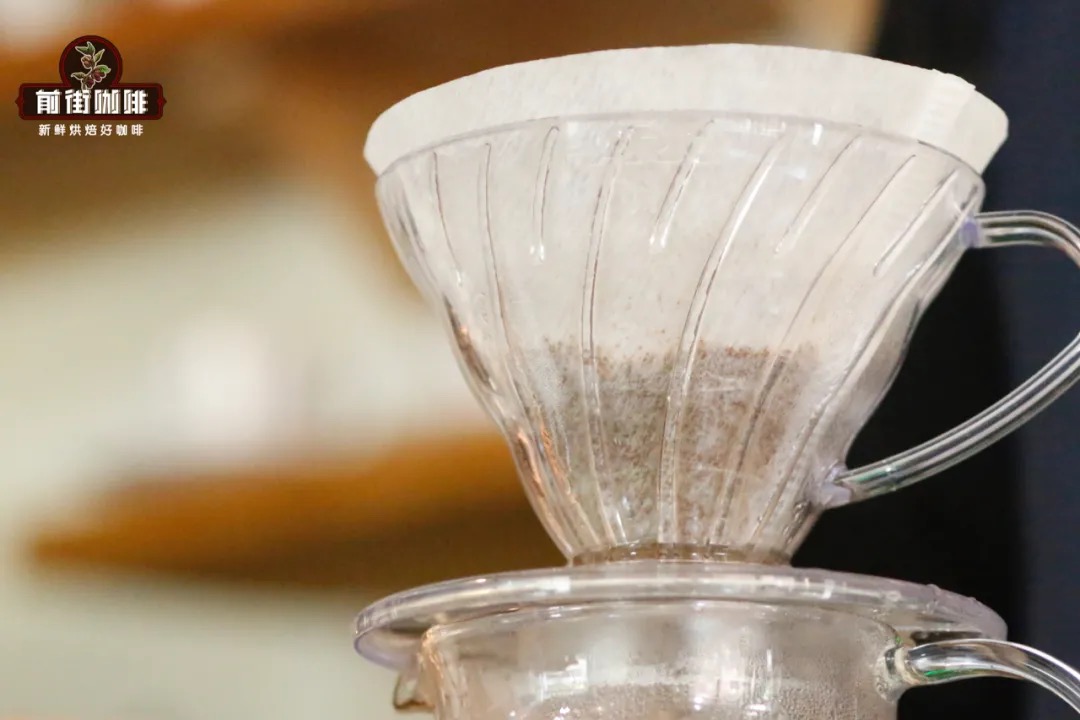
Take the V60: the 01 size suits 15-20g of grounds, while the 02 size suits 20-30g. (Same beans, same grind.) Overfill the 01 and the bed grows thick, resisting water flow and lengthening extraction; underfill the 02 and the bed turns thin, dropping resistance and shortening extraction.
/ Pouring Method / Technique
The number of pour stages and the flow rate both affect extraction time. Compare the single-pour method with three-stage pouring: the more segmented the pouring, the longer the extraction runs.
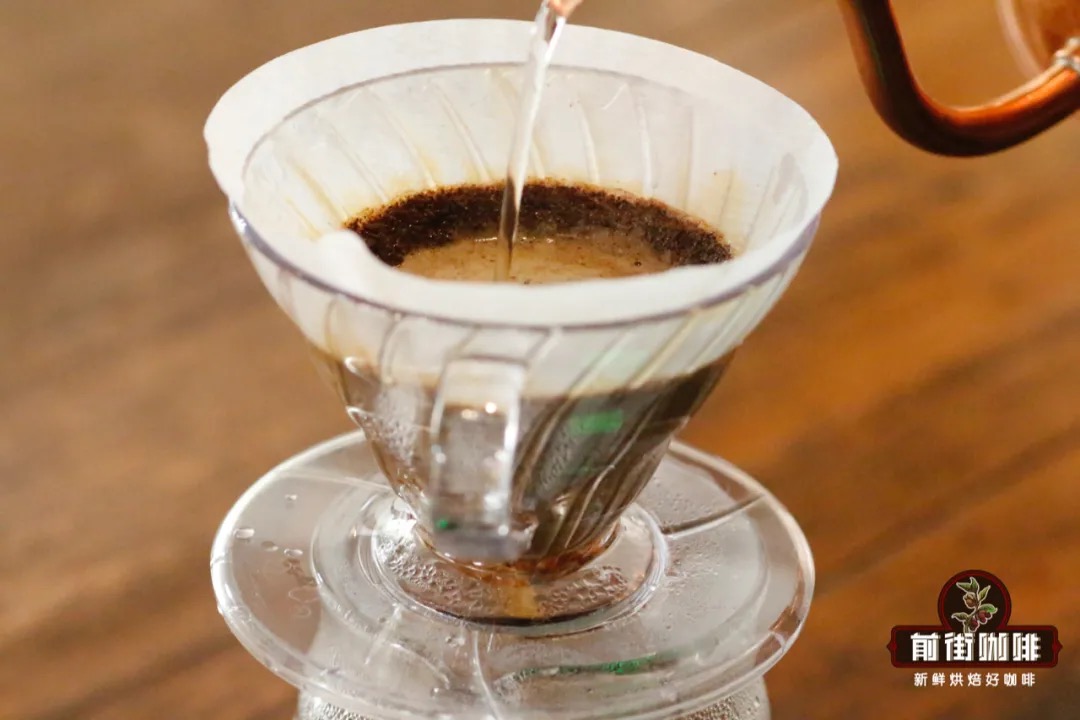
A small water flow never raises the liquid level much, leaving a thicker coffee bed clinging to the dripper's walls and extending extraction; a large flow floods the dripper, thinning the bed along the walls and shortening it.
FrontStreet Coffee Recommendation
Since so much here revolves around the V60, a word on the brewer itself: Hario, the Tokyo glassware maker founded in 1921, redesigned the V60's prototype in 2004 and released it the following year, named for its distinctive 60° cone angle and "V" shape. The cone and angle force water to drain through the center, extending contact between water and grounds for fuller extraction, while the signature single large aperture leaves flow entirely in the brewer's hands. Its quick, lively extraction is exactly what shows off floral, fruity coffees: the classic Yirgacheffe character of FrontStreet's Worka (Guodingding) Cooperative lot, the tropical fruit of the FrontStreet Natural Huakui, the Geisha perfume of the Strawberry Candy blend, and the raisin note of the Mozart lot all shine through a V60.
Timing your brew matters, too: keep total extraction for 15g of coffee between 1'50" and 2'20", starting the clock the moment water first touches the grounds, with a 30-second bloom using twice the coffee's weight in water. Nail that, and whether you brew the delicate, gentle-acidity Yirgacheffe Worka or a deeper, nuttier cup, the flavor lands right where it should.
Important Notice :
FrontStreet Coffee is a long-established specialty coffee roaster in Guangzhou China, selling freshly roasted beans from its own farm in Yunnan as well as dozens of carefully selected single-origin beans from around the world for both pour-over and espresso. The products deliver consistently excellent quality and great value, with shipping within 24 hours. Guangzhou's FrontStreet Coffee shop is recommended by many coffee lovers, and the beans are now available online at the Tmall 。
FrontStreet Coffee has moved to a new address:
FrontStreet Coffee Address: 315,Donghua East Road,GuangZhou
Tel:020 38364473
 Scan and follow the En Gafei WeChat official account. Please indicate that the reprint comes from "En Gafei".