Roast Level of Golden Mandheling, What are the Flavor Characteristics of Mandheling Coffee? How to Brew Mandheling
FrontStreet Coffee · Indonesia PWN Golden Mandheling
Origin: Indonesia
Region: Gayo
Variety: Timtim/Ateng
Altitude: 1600 meters
Processing: Wet-Hulled Method
Roast Level: Medium-Dark Roast
The flavor profile presents sweet herbal notes, cinnamon-like spices, citrus peel aromatics, rich and intense sweetness, and creamy walnut chocolate. The fruit acidity is restrained and gentle, and the aroma carries a rich cantaloupe fragrance. As the temperature decreases, herbal notes emerge with light spices, creating a rich sweetness with herbal undertones.
Special Processing Method: Wet-Hulled Method
Most Mandheling coffee adopts the unique Sumatran coffee bean processing method, the wet-hulled method. This is due to the local weather, which is predominantly rainy with constant typhoons, making it impossible to achieve the good weather required for sun-drying. Additionally, the local economy was not prosperous enough to afford the more expensive washed processing method, and thus the locally distinctive wet-hulled method arose. Today, Indonesian coffee development has surpassed its former poverty-stricken state, and there are many estates and companies with the means to use the washed method. However, the wet-hulled method has not been abandoned. FrontStreet Coffee believes that the wet-hulled method is what enabled Mandheling coffee to reach global recognition. Whenever Mandheling coffee is mentioned, the wet-hulled method comes to mind, so the two have become complementary to each other.
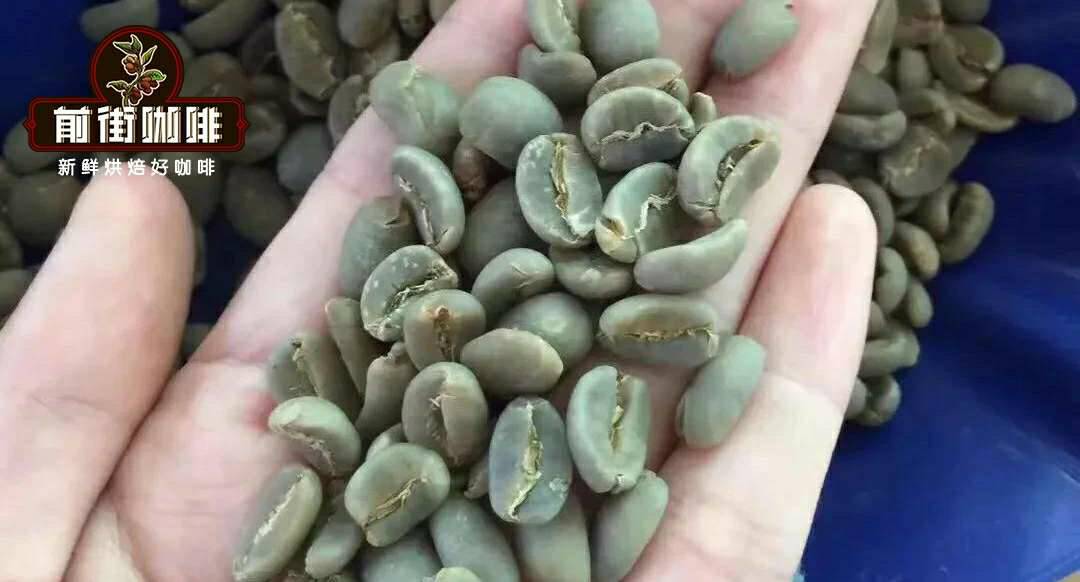
The specific steps of the wet-hulled method can be divided into two stages:
First stage: Using a wooden pulper to remove the peel and pulp, followed by 3 hours of fermentation, then sun-drying to reduce the moisture content to 30-50%, reaching a semi-dry, semi-wet state.
Second stage: Removing the mucilage and parchment layer, continuing with the final drying process, which takes 2-4 days until the moisture content reaches 12-13%.
In addition to the conventional wet-hulled method, there is also an aged wet-hulled method. Coffee beans first undergo ordinary wet-hulled processing, then are sealed in warehouses for 2-3 years. The warehouse environment must be cool and ventilated, with regular turning of the beans to prevent mold and decay. During this period, the acidity of the coffee beans gradually diminishes and converts to sugar content, and the color becomes deeper, mostly yellowish-brown or dark brown. The Mandheling coffee beans on FrontStreet Coffee's menu that use this processing method are called FrontStreet Aged Mandheling Coffee Beans. The wet-hulled method creates the unique flavor of FrontStreet Mandheling coffee. We can say that Mandheling and the wet-hulled method have a bound relationship, but today's coffee market is no longer satisfied with the status quo. Even though wet-hulling is Mandheling's specialty, other processing methods are being tried. As mentioned earlier, FrontStreet Wahana Estate Natural Mandheling Coffee Beans use the natural processing method.
What are Golden Mandheling Coffee Beans?
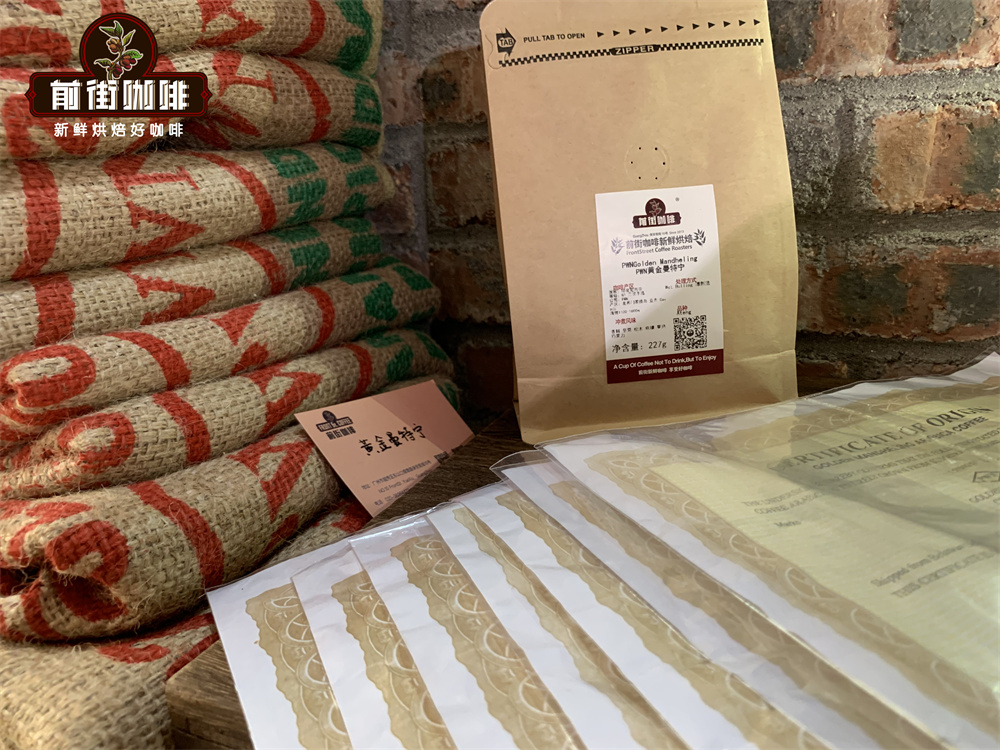
FrontStreet Coffee's Golden Mandheling is a selected coffee from Indonesia's green bean company Pawani. It is said that due to strict screening standards — one machine density color screening and four manual hand selections — the coffee beans ultimately present uniform color and consistent bean shape. When processing green beans, the Mandheling beans emit a brilliant golden luster under sunlight, hence the name "Golden Mandheling."
PWN is the abbreviation of the famous Indonesian green bean supplier Pwani Coffee Company, and "Golden Mandheling" was registered as a trademark by PWN Company early on. The name "Golden Mandheling" became exclusive to PWN. Many Golden Mandheling coffees on the market not labeled as PWN Golden Mandheling only reference PWN Green Bean Company's screening standards for Golden Mandheling coffee beans, but still have not achieved the meticulous "five passes and six defeats" selection that PWN Green Bean Company performs.
Everyone knows that Indonesian coffee green beans use the wet-hulled processing method. Because semi-hard, semi-soft moist green beans are easily damaged when the mucilage and parchment layers are hulled, the beans get injured and crack like sheep hooves, commonly known as "sheep hoof beans." Although these sheep hoof beans are not defective beans, in PWN Company's view they do not look appealing, so they need to be screened out to give everyone a sense of neatness and order.
You might think that coffee beans above 18 mesh with no more than 3 defective beans in 300g of green coffee beans, plus selecting out sheep hoof beans, is already very strict, but PWN Company can achieve even more extreme strictness. After four manual screenings, they uniformly put the beans through density color screening machines, finally presenting FrontStreet Mandheling Coffee Beans with uniform color and consistent bean shape. This means PWN Green Bean Company performs 5 screenings to ensure the excellence of their Golden Mandheling.
Many Golden Mandheling coffees on the market are sold by green bean suppliers at higher prices, selecting Mandheling coffee beans above 18 mesh from the same G1 grade Mandheling coffee beans. Some even perform three selections to ensure the appearance closely resembles PWN Golden Mandheling coffee. The appearance can indeed pass for the real thing, but what about the taste? FrontStreet Coffee has acquired several coffees also called Golden Mandheling for blind testing, and all participating baristas in the cupping could identify FrontStreet PWN Golden Mandheling, because the cleanliness is something that counterfeit Golden Mandheling cannot imitate.
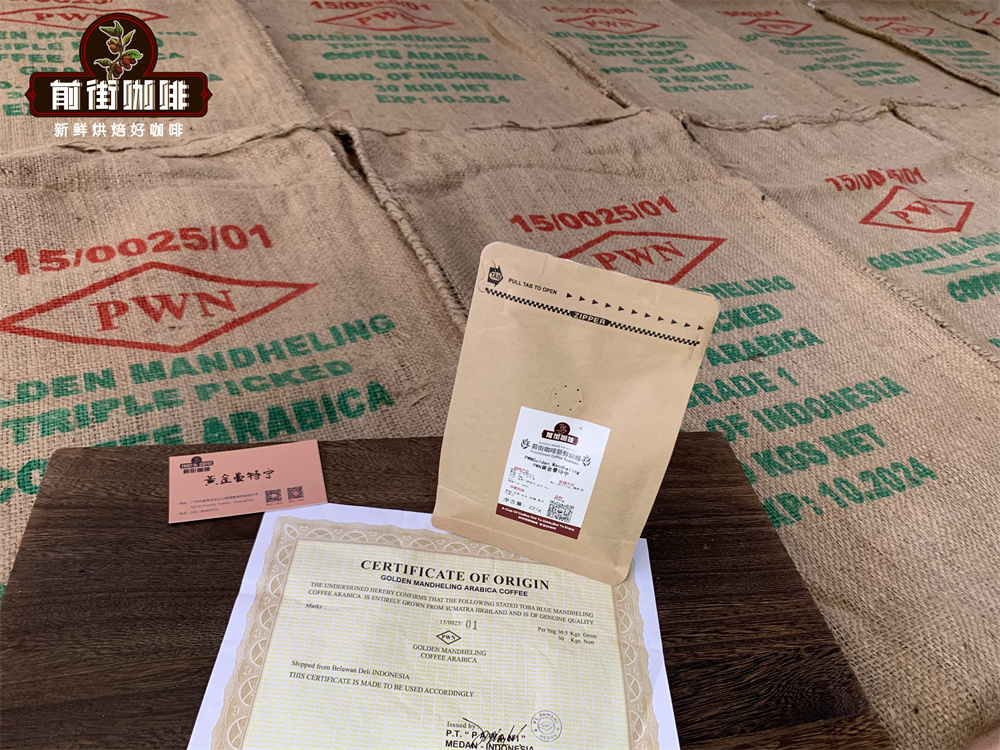
The Name Mandheling
Mandheling originally refers to the name of a tribe in Indonesia. After Japanese soldiers returned to Japan following Indonesian colonization, they could not forget the delicious local coffee. So through trading friends, they asked locals to help collect high-quality coffee beans, including this Mandheling. The Japanese people loved this coffee bean and asked the shop owner about it. The owner thought they were asking where he was from and casually said "Mandailing." However, due to the Japanese pronunciation error, "Mandailing" became the current "Mandheling." Thus, Mandheling accidentally became a coffee bean name. This local person was actually the owner of the Indonesian PWN Company (Pwani Coffee Company) mentioned below. This company was also the first to export Golden Mandheling coffee beans to Japan. FrontStreet Coffee has been purchasing FrontStreet PWN Golden Mandheling for many years, and PWN also changed from 60kg bags to 30kg bags, with the production region also changing from Lintong to GAYO Mountain.
FrontStreet Coffee Recommendation
The FrontStreet PWN Golden Mandheling described here is the definitive expression of this flavor: wet-hulled, grown at 1,600 meters in Gayo, and roasted medium-dark, it pours out sweet herbal notes, cinnamon-like spice, citrus peel, creamy walnut chocolate, and a rich cantaloupe aroma with restrained fruit acidity. If you want to compare it against the classic Lintong style, the FrontStreet Lintong Mandheling is also a medium-dark roast and leans into black chocolate and caramel with the wild herbal character that wet-hulling creates, at low acidity and with a thick body. For a rarer, deeper variation, the FrontStreet Aged Mandheling rests for 2-3 years in a cool, ventilated warehouse so its acidity converts to sugar and the beans darken to yellowish-brown. And to see the same terroir without wet-hulling, the FrontStreet Wahana Estate Natural Mandheling uses the natural process. Whichever you choose, brew it as a pour-over at 87-88°C with 15g of coffee at a 1:15 ratio and a coarse-sugar grind, splitting the water into three pours for maximum body and caramel sweetness.
Important Notice :
FrontStreet Coffee is a long-established specialty coffee roaster in Guangzhou China, selling freshly roasted beans from its own farm in Yunnan as well as dozens of carefully selected single-origin beans from around the world for both pour-over and espresso. The products deliver consistently excellent quality and great value, with shipping within 24 hours. Guangzhou's FrontStreet Coffee shop is recommended by many coffee lovers, and the beans are now available online at the Tmall 。
FrontStreet Coffee has moved to a new address:
FrontStreet Coffee Address: 315,Donghua East Road,GuangZhou
Tel:020 38364473
 Scan and follow the En Gafei WeChat official account. Please indicate that the reprint comes from "En Gafei".