What is Mandailing Tiger Coffee? Introduction to the Flavor Profile of Indonesian Tiger Mandailing Coffee Beans
Indonesia Tiger Mandheling
Country: Indonesia
Region: Sumatra
Altitude: 1500 meters
Varieties: Caturra, Typica, Sidikalong
Processing Method: Wet-Hulled
Roast Level: Medium-Dark
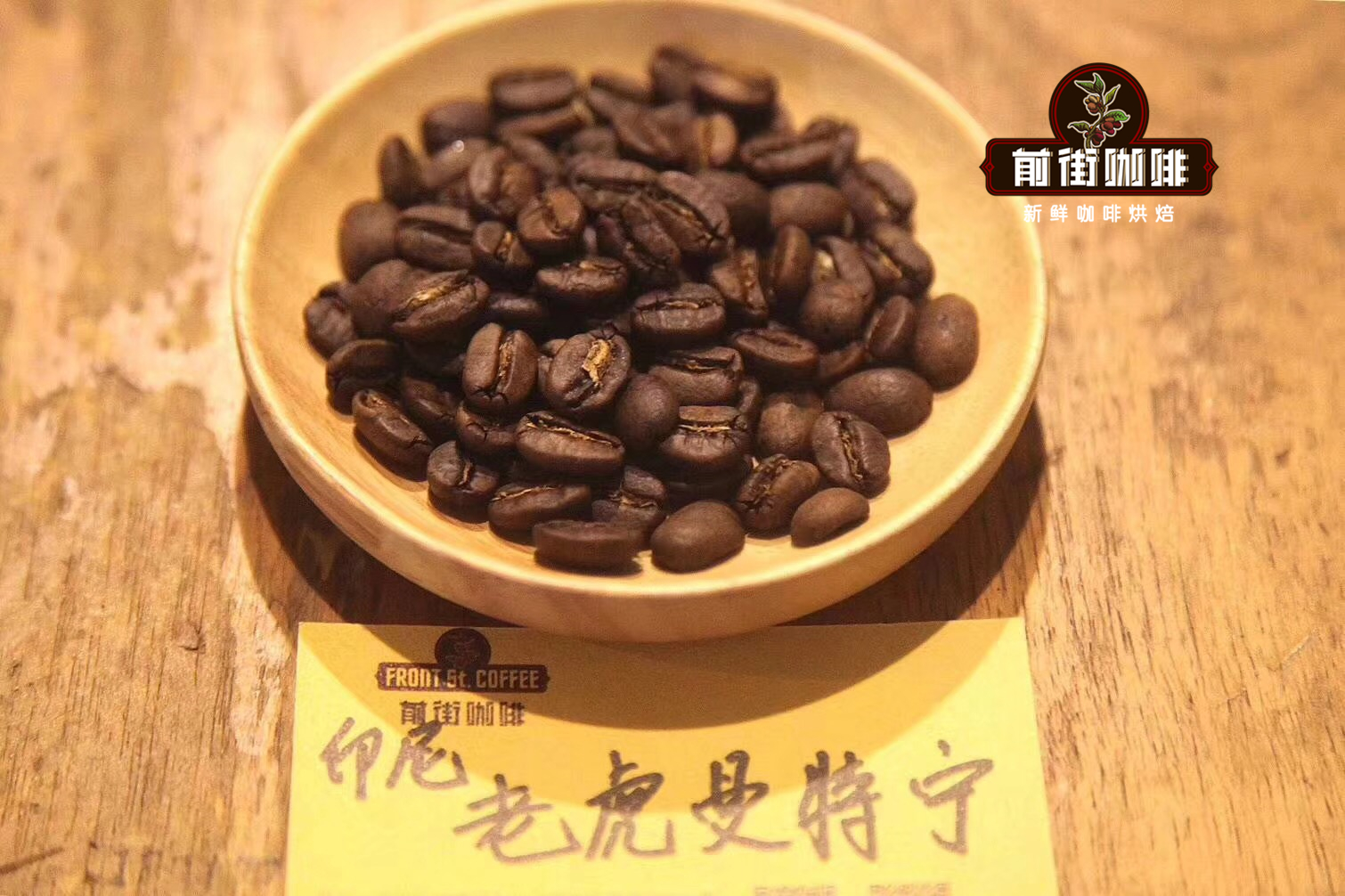
It opens with pine and spice aromas and a fairly balanced mouthfeel, showing distinct cream, dark chocolate, and nutty flavors.
FrontStreet Coffee recommends following SCA guidelines for pour-over: 15g of ground coffee with 225ml of water at 86-88°C, keeping a 1:15 coffee-to-water ratio.
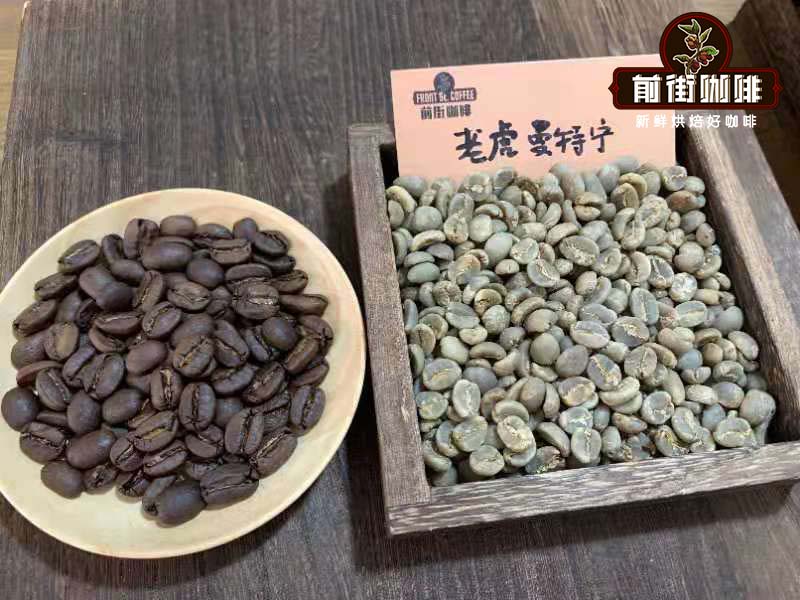
Tiger Mandheling grows in Indonesia, with its main production areas spread across the islands of Sumatra, Java, and Sulawesi. It is produced at Tiger Estate, which is why it's also called "Mandheling Tiger" or "Sumatra Tiger Mandheling." The northern part of Sumatra has relatively high terrain, and the two main Arabica regions are North Sumatra around Lake Toba and Aceh Province, home to Lake Tawa.
Lake Tawa sits in the Gayo Highlands of northern Aceh Province, Sumatra. Indonesia straddles the equator and has a humid tropical rainforest climate, with abundant rainfall and fertile volcanic soil that feeds the coffee plants richly. Because the area is remote and transport is inconvenient, however, coffee cultivation there only began in 1924, and most of it follows traditional shade-grown, pesticide-free organic methods.
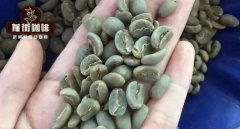
Because Indonesia's humidity stays between 70-90% year-round, with annual rainfall reaching up to 2000mm and typhoons rolling through continuously, farmers look for faster returns and use the wet-hulled method. A variation on standard washed processing, it dries the beans with the parchment still on for 2-3 days until moisture content reaches 20-24%, then strips the parchment away. That leaves the beans more prone to compression damage, forming small cracks. These are the beans we commonly call "horsehoof" or "goat hoof," and they carry a higher defect rate—but they also produce a rich, strong, highly distinctive flavor.
Coffee Varieties
The varieties of Indonesian Tiger Mandheling are Caturra, Typica, and Sidikalong.
Caturra shows lemon or citrus acidity on the palate. In terms of sweetness, it doesn't match Typica or Bourbon, since Caturra's sweetness depends on how often and how heavily the grower fertilizes. It has high yield potential, but sustaining that potential requires continuous fertilization and pruning, which produces short trees with many branches. Even though yields rise, the harvest cycle takes 2 years and the upkeep is costly, so production stays somewhat limited.
Typica is the variety closest to the original species. Its beans are slightly elongated, like a stretched egg, and it is called Arabigo or Criollo in Central America. It has clean lemon acidity and a sweet aftertaste. Its low resistance to leaf rust makes it hard to care for, the tree yields little, and combined with a long harvest cycle (once every 2 years), production stays low.
The Name Mandheling
Mandheling originally referred to an Indonesian tribal name. After Japanese soldiers colonized Indonesia and returned home, they couldn't forget the delicious local coffee. Through trading friends, they asked locals to help gather high-quality beans, including this Mandheling variety. The Japanese grew very fond of the beans and asked the shopkeeper about them. The shopkeeper thought they were asking about his ethnicity and casually answered "Mandailing." Due to Japanese pronunciation, "Mandailing" became today's "Mandheling." And so Mandheling accidentally became the name of a coffee variety. That local man was actually the owner of the Indonesian PWN company (Pwani Coffee Company) mentioned above—the same company that first exported Golden Mandheling beans to Japan. FrontStreet Coffee has used PWN Golden Mandheling for many years. PWN also shifted from 60kg bags to 30kg bags, and its production area moved from Lintong to GAYO Mountain.
FrontStreet Coffee Recommendation
Tiger Mandheling's pine, spice, and dark chocolate profile is the wild side of Sumatra at its most direct. To taste it at its cleanest, FrontStreet Coffee points you to PWN Golden Mandheling. It's triple hand-sorted and graded G1, wet-hulled, and grown between 1100m and 1600m. Because PWN selects only beans of 18 mesh or larger and holds defects to fewer than 3 per 300g sample, the cup comes out unusually clean for a wet-hulled Sumatra—full-bodied and caramel-sweet, with a smooth, lingering finish.
If you prefer the more rustic, traditional expression, FrontStreet Coffee's Lintong Mandheling—grown around Lake Toba at roughly 900 meters—is the earthy original, with clove, wood, and spice notes and a deep, lasting sweetness. Both are roasted medium-dark to tame the acidity and let that signature Mandheling heft come through.
Serve either one with 88°C water at a 1:15 ratio and 15 grams of coffee, ground to a coarse-sugar consistency. A Kono dripper suits them especially well. Pour in three stages—30 ml for the bloom, then 100 ml, then a gentle 95 ml down the center—to draw out the thick, syrupy body along with caramel, chocolate, and nut. For a milk drink like a latte or a Dirty, FrontStreet's classic blend pairs a medium-dark Mandheling with creamy Brazilian beans, adding butter, roasted chestnut, and caramel on top of Mandheling's sandalwood, herbal, and spice character.
Important Notice :
FrontStreet Coffee is a long-established specialty coffee roaster in Guangzhou China, selling freshly roasted beans from its own farm in Yunnan as well as dozens of carefully selected single-origin beans from around the world for both pour-over and espresso. The products deliver consistently excellent quality and great value, with shipping within 24 hours. Guangzhou's FrontStreet Coffee shop is recommended by many coffee lovers, and the beans are now available online at the Tmall 。
FrontStreet Coffee has moved to a new address:
FrontStreet Coffee Address: 315,Donghua East Road,GuangZhou
Tel:020 38364473
 Scan and follow the En Gafei WeChat official account. Please indicate that the reprint comes from "En Gafei".