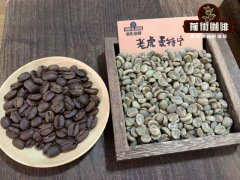
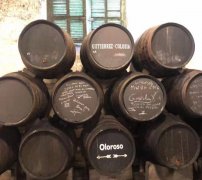
What's the Difference Between Aged Mandheling and Regular Mandheling, and How Does Aged Mandheling Come About?
Indonesia Aged Mandheling
Origin: Indonesia
Region: Sumatra
Bean Variety: Ateng
Altitude: 1500 meters
Processing Method: Wet-hulled
Roast Level: Dark roast
FrontStreet Coffee recommends following SCA standards: 15g of coffee to 225ml of water at 86-88°C, holding a 1:15 coffee-to-water ratio.
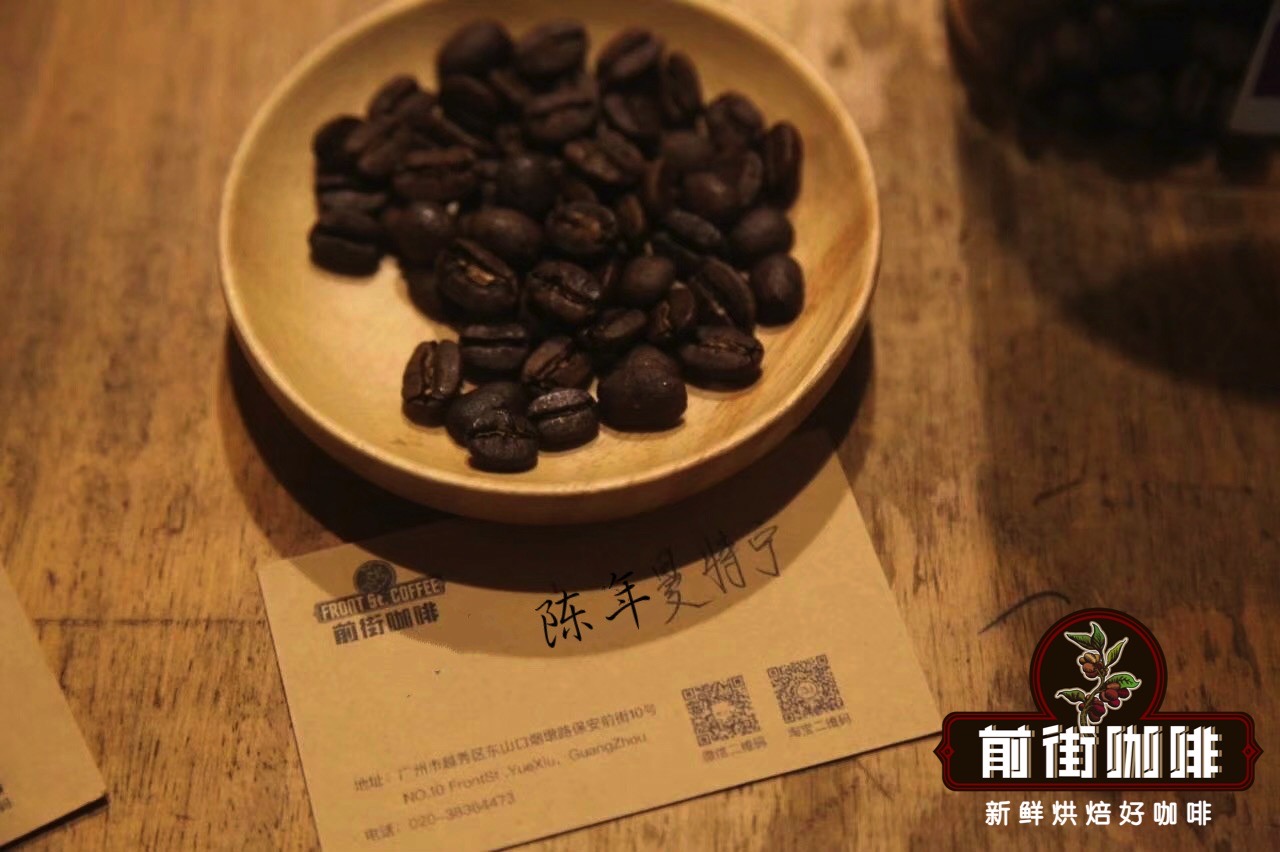
The flavor profile opens with aromas of wood, malt, and caramel. Compared with traditional Mandheling it offers less wildness and more richness and subtlety, with a mature, composed character. Acidity is lower, and the cup carries ripe Pu-erh tea, caramel, herbs, and chocolate, delivering an intensely sweet experience.
The Aging Process
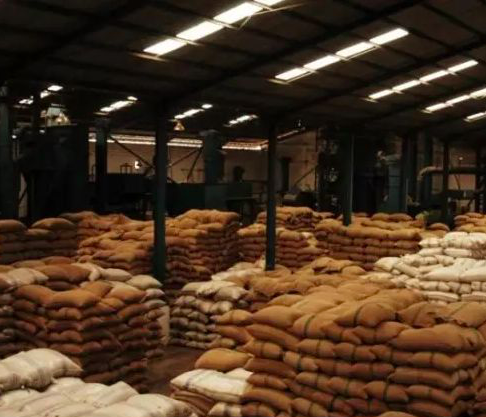
Aged coffee beans are not simply raw beans left to deteriorate over time — that will not do, since old green beans still spoil, turning from fresh green to white and then to yellow, going bland, and potentially attracting insects. Like aged wine, the raw beans have to go through proper processing and long-term storage before they can honestly be called "aged coffee." They must be checked regularly, with the burlap bags of beans turned completely so that every side gets even air contact, moisture levels stay consistent, and mold and spoilage are kept away.
Through extended aging, Mandheling's fruity acidity turns gentle and mellow, while its body and distinctive flavors become strikingly expressive in the mouth — that is the charm of aged Mandheling. Farmers select premium raw beans and put them through strict monitoring standards for 24 months of quiet maturation. During that wait, they regularly turn the raw beans in the storage tanks to keep moisture and mold at bay. This labor-intensive process yields the especially aromatic, enduring aged Mandheling.
Where the Name "Mandheling" Comes From
Mandheling originally refers to a tribal name in Indonesia. After Japanese soldiers returned home from Indonesia following the colonial period, they could not forget the delicious local coffee. Through trading connections, they asked locals to help gather premium beans, this Mandheling variety among them. The Japanese loved the coffee so much that they asked the shop owner about it. The owner, thinking they were asking about his ethnicity, casually answered "Mandailing." Thanks to Japanese pronunciation, "Mandailing" became "Mandheling," and so the variety was named by happy accident.
That local man was in fact the owner of the Indonesian PWN company (Pwani Coffee Company), which comes up again later. PWN was also the first to export Golden Mandheling beans to Japan. FrontStreet Coffee has used PWN Golden Mandheling for many years, and PWN has moved from 60kg bags to 30kg bags, while the production area has shifted from Lindu to GAYO Mountain.
FrontStreet Coffee Recommendation
Aged Mandheling is the mellow, patient side of the wet-hulled style, and if you want to taste Sumatra's wilder side, FrontStreet Coffee's Lindong Mandheling and PWN Golden Mandheling are the two to know. Both come from Sumatra — Lindong from the Lindong region and PWN from Aceh — and both are medium-dark roasted to bring out dark chocolate and caramel while keeping the varietal's wild herbal edge. Lindong is full-bodied with a bittersweet, intense entry, clove, and woody aromatics; as a medium-dark roast it has low acidity, a spicy and minty note, and a long, thick sweetness.
For the highest grade, FrontStreet Coffee's PWN Golden Mandheling comes from PWN, which holds extremely strict standards: beans of 18 screen size or larger, with fewer than 3 defective beans per 300g green sample to meet the top G1 standard, then three rounds of hand sorting to remove defects completely and lift the cup's cleanliness and sweetness. It brews into a clean, full-bodied black coffee that suits anyone who dislikes acidity. Hand pour is where it shines: 87-88°C water, 15g of coffee, a 1:15 ratio, and a coarse granulated-sugar grind, poured in three stages — a 30ml bloom to wet the grounds and release gas, then 100ml to bring up the golden crema and raise the bed, and a final soft 95ml poured down the center to lift sweetness, giving a thick body with caramel sweetness and chocolate and nut notes.
Important Notice :
FrontStreet Coffee is a long-established specialty coffee roaster in Guangzhou China, selling freshly roasted beans from its own farm in Yunnan as well as dozens of carefully selected single-origin beans from around the world for both pour-over and espresso. The products deliver consistently excellent quality and great value, with shipping within 24 hours. Guangzhou's FrontStreet Coffee shop is recommended by many coffee lovers, and the beans are now available online at the Tmall 。
FrontStreet Coffee has moved to a new address:
FrontStreet Coffee Address: 315,Donghua East Road,GuangZhou
Tel:020 38364473
 Scan and follow the En Gafei WeChat official account. Please indicate that the reprint comes from "En Gafei".