Coffee Fundamentals: Coffee Bean Processing Methods and Flavor Differences in Single-Origin Beans
Is washed processing just about washing coffee beans?
Is natural processing just about drying coffee beans in the sun?
Does honey processing involve adding honey to coffee beans?

The Significance of Coffee Bean Processing Methods
Coffee beans are the seeds inside coffee cherries. The purpose of processing is to remove the skin, pulp, and mucilage from the cherries while minimizing damage to the beans, then to sun-dry or machine-dry the green coffee so it can be stored for extended periods. It is not simply a matter of washing, sun-drying, or adding honey.
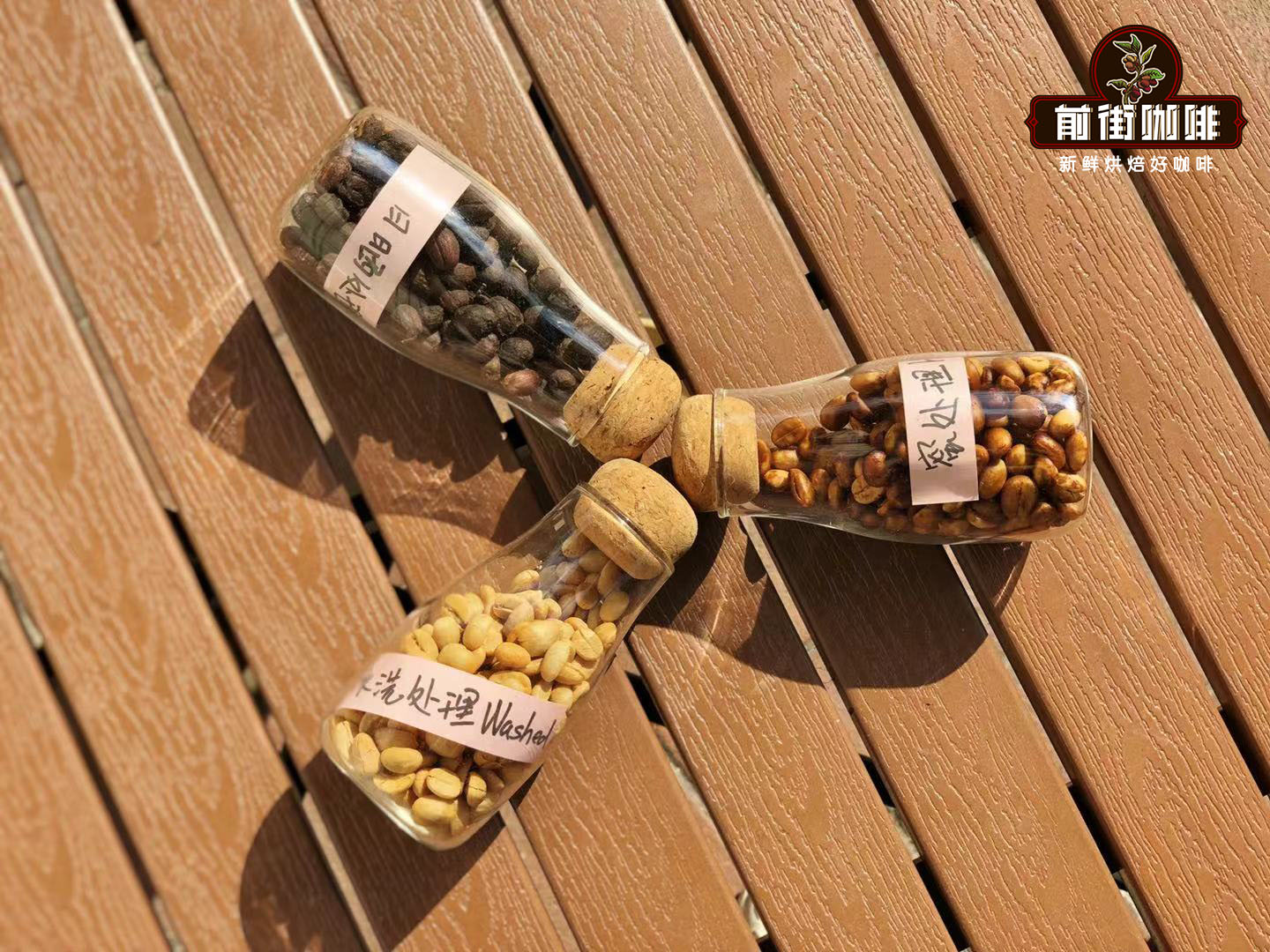
A Brief Overview of Washed, Natural, and Honey Processing Steps
Washed Processing Method
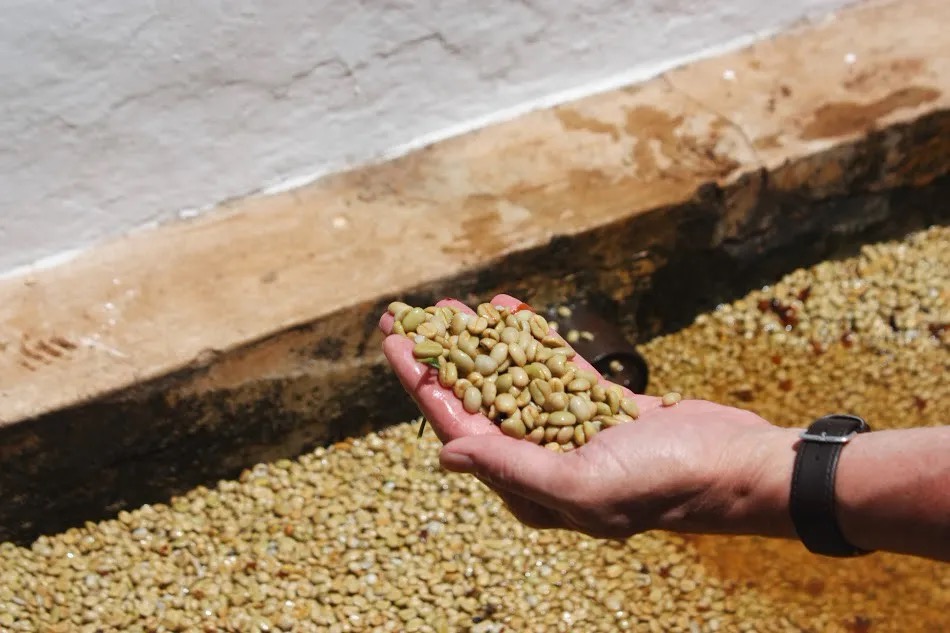
After harvest, ripe cherries are selected and passed through machines that remove skin and pulp. The beans, still coated in mucilage, go into fermentation tanks filled with clean water. After 12-36 hours, microorganisms multiply in the tanks and break down the mucilage. Once decomposition is complete, the beans are rinsed thoroughly and sun-dried to a moisture content of 10%-13%, after which they can be stored.
Natural Processing Method
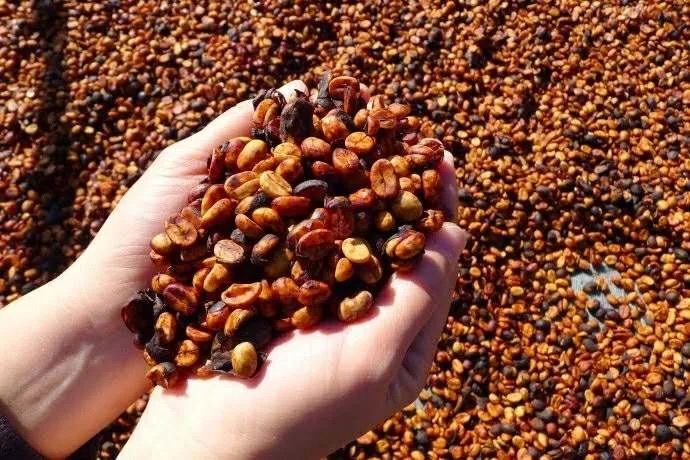
After harvest, ripe cherries are selected and dried directly in the sun, turned constantly to ensure even drying. The process typically takes 3-4 weeks. When the cherries develop hard, dark red-black shells and the moisture content reaches 10%-13%, the shells can be milled off and the beans stored.
Honey Processing Method
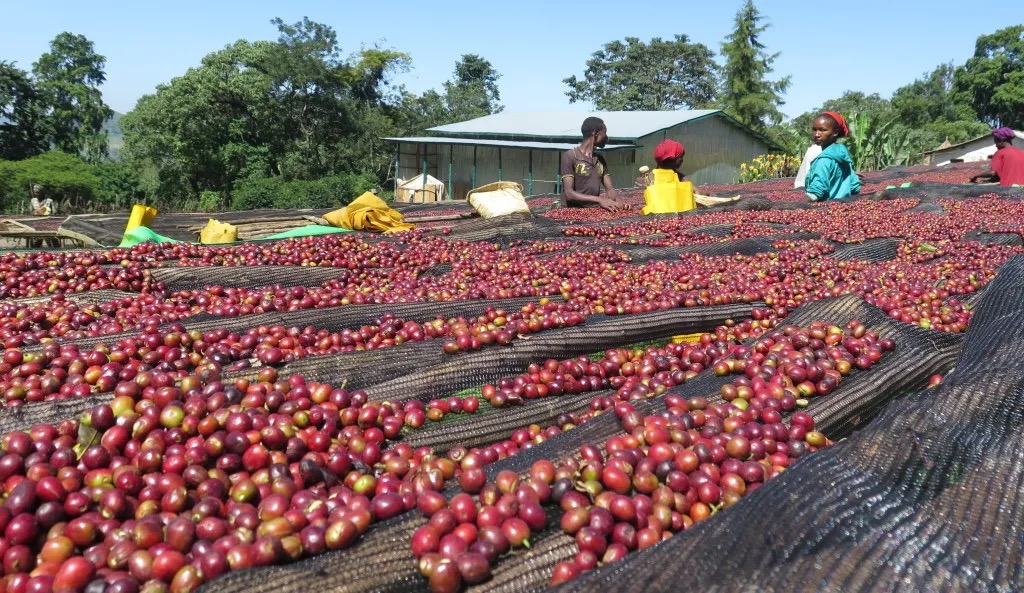
After harvest, ripe cherries are selected and passed through machines that remove skin and pulp while retaining varying amounts of mucilage — black honey retains all of it, red honey 70%-80%, yellow honey 40%-60%, and white honey 30%. The beans are then sun-dried or shade-dried, with drying time varying by mucilage content. Finally, at 10%-13% moisture, the beans can be stored.
Distinguishing Processing Methods by Raw Bean Color and Flavor
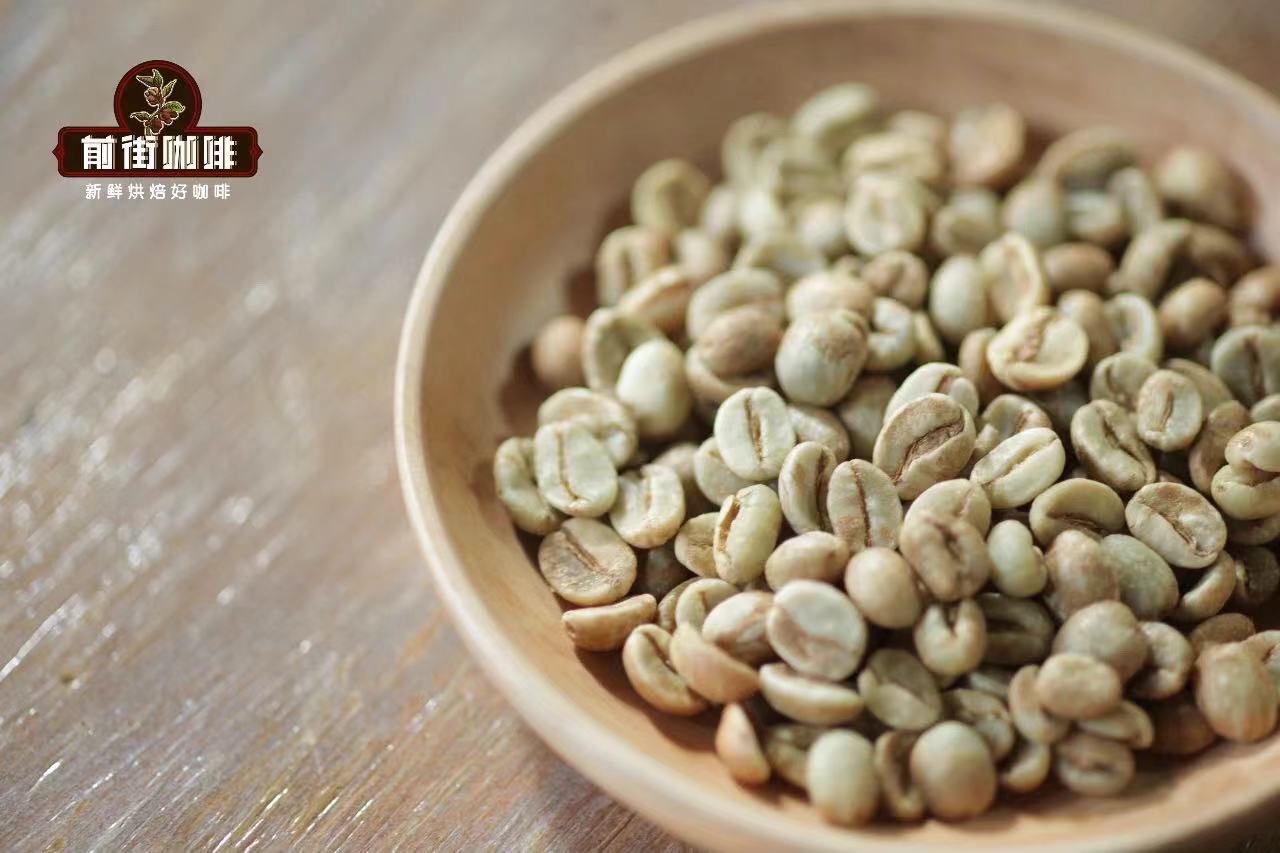
Washed Processed Raw Coffee Beans
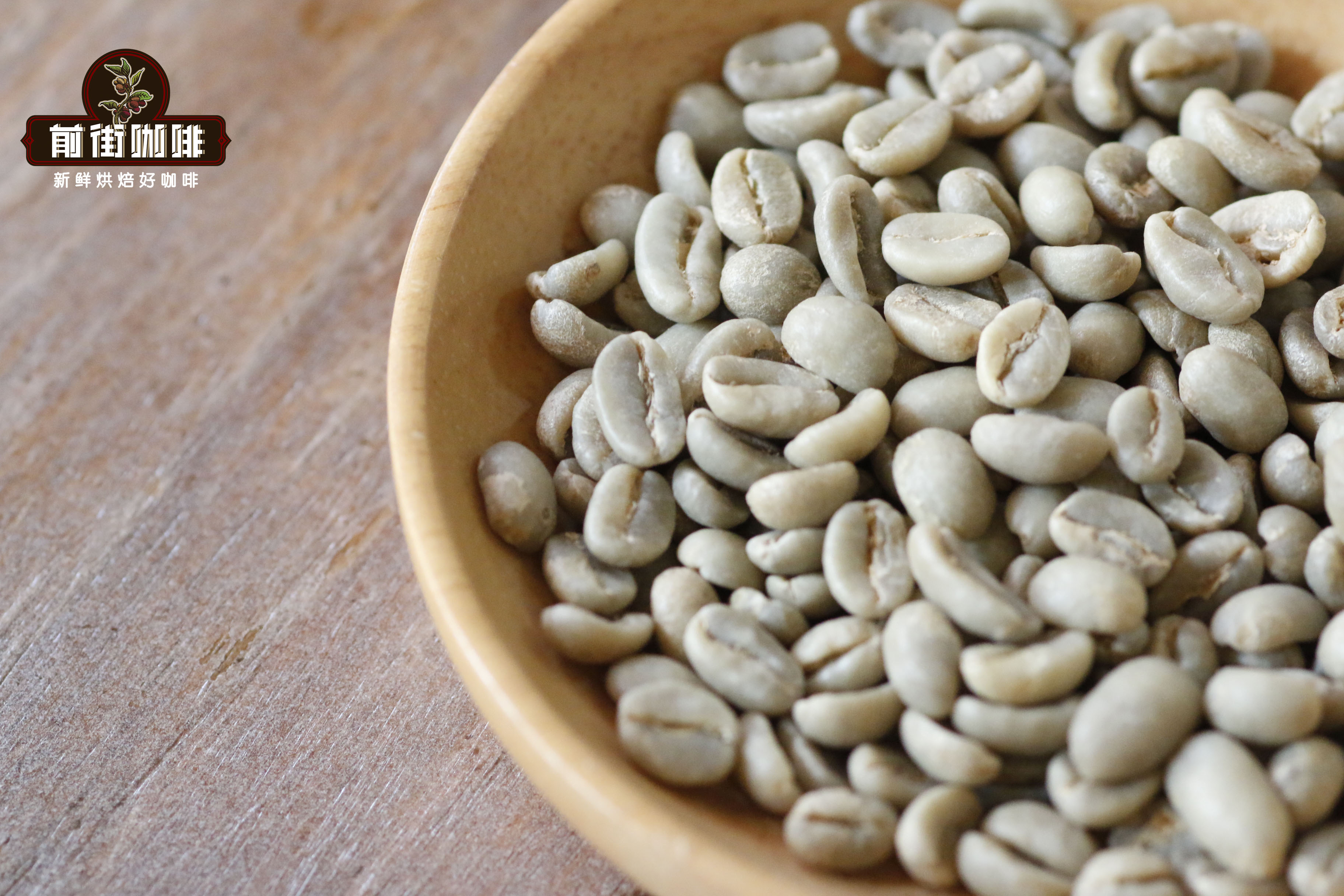
Washed green beans are bluish-green with an incomplete silverskin, smelling of citrus-like acidity and fresh grass.
Natural Processed Raw Coffee Beans
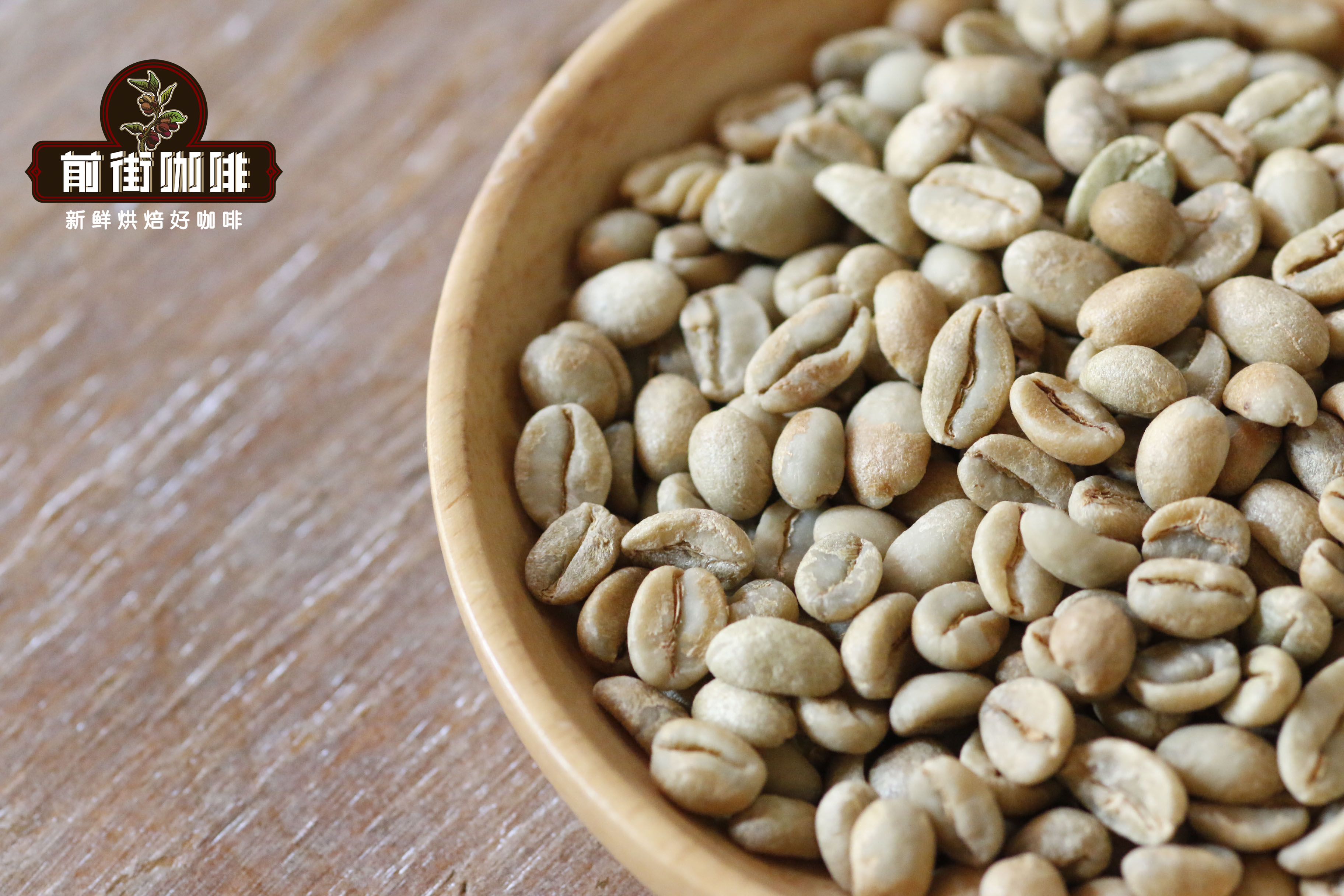
Natural green beans are yellowish-green with a complete silverskin, carrying slight fermentation aromas, berry-like sweetness, and fresh grass notes.
Honey Processed Raw Coffee Beans
Honey green beans are uneven in color — the sugars of the mucilage infiltrate the bean. Depending on how much mucilage was retained, they range from brown (most mucilage) to light yellow (partial) to bluish-green (minimal), with an incomplete silverskin. The more mucilage retained, the stronger the fermentation aroma, with gummy sweetness and fresh grass notes.
Distinguishing Processing Methods by Roasted Bean Appearance
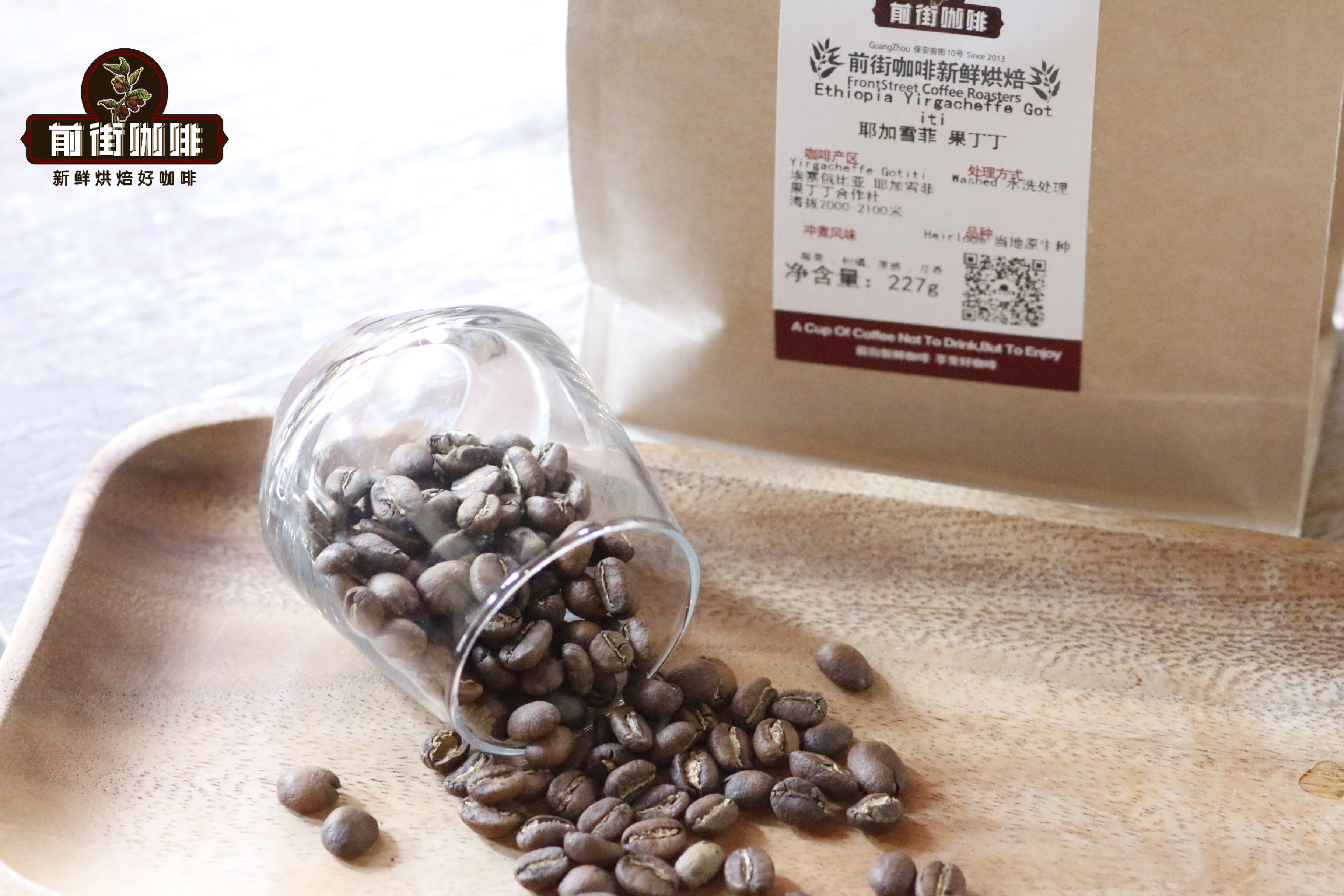
Washed Processed Roasted Coffee Beans
When roasted, the silverskin of washed beans doesn't detach completely, leaving silverskin residue in the central crevice of the bean as white lines.
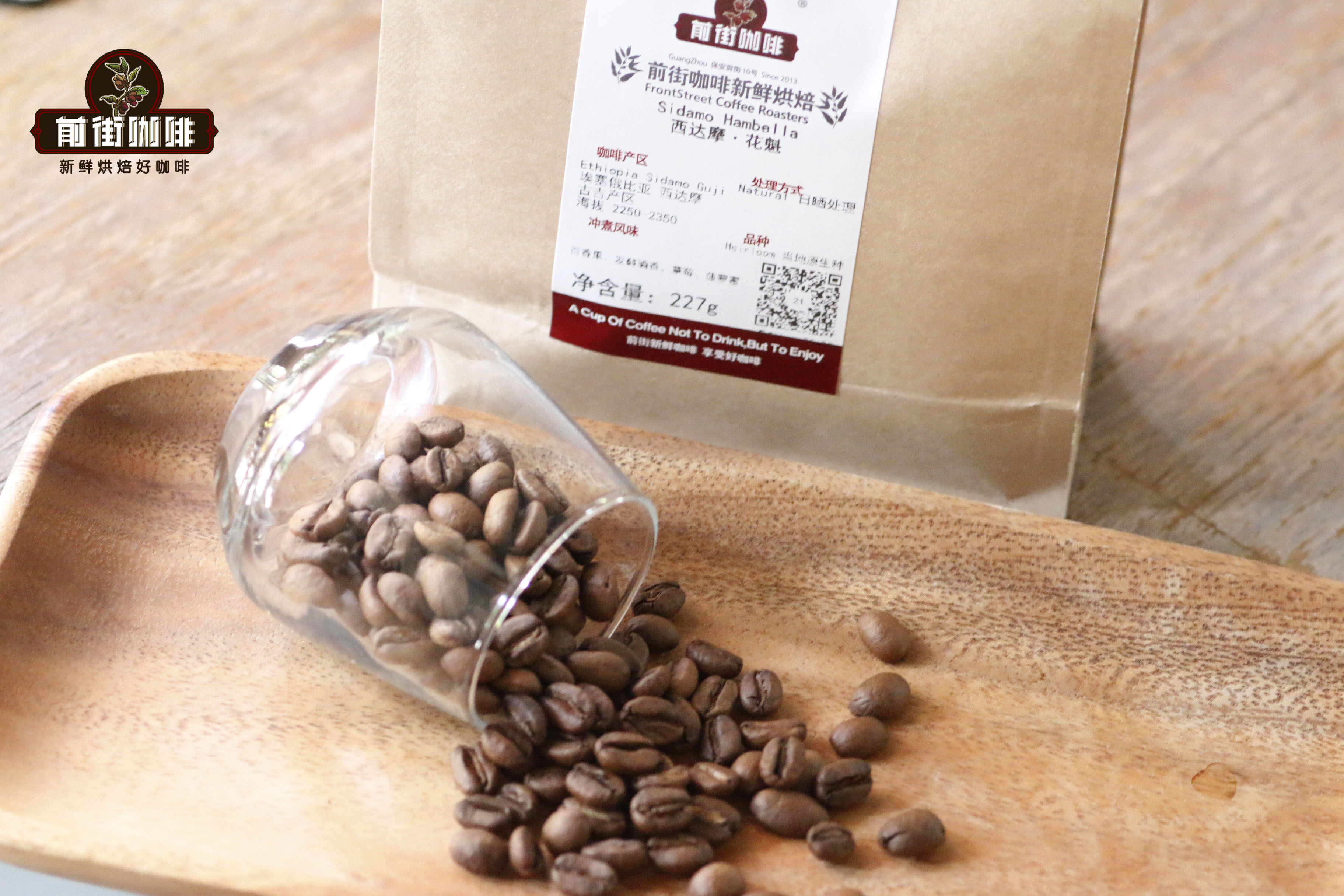
Natural Processed Roasted Coffee Beans
When roasted, the silverskin of natural beans detaches completely, so most beans show no silverskin residue in the crevice — and no white lines.
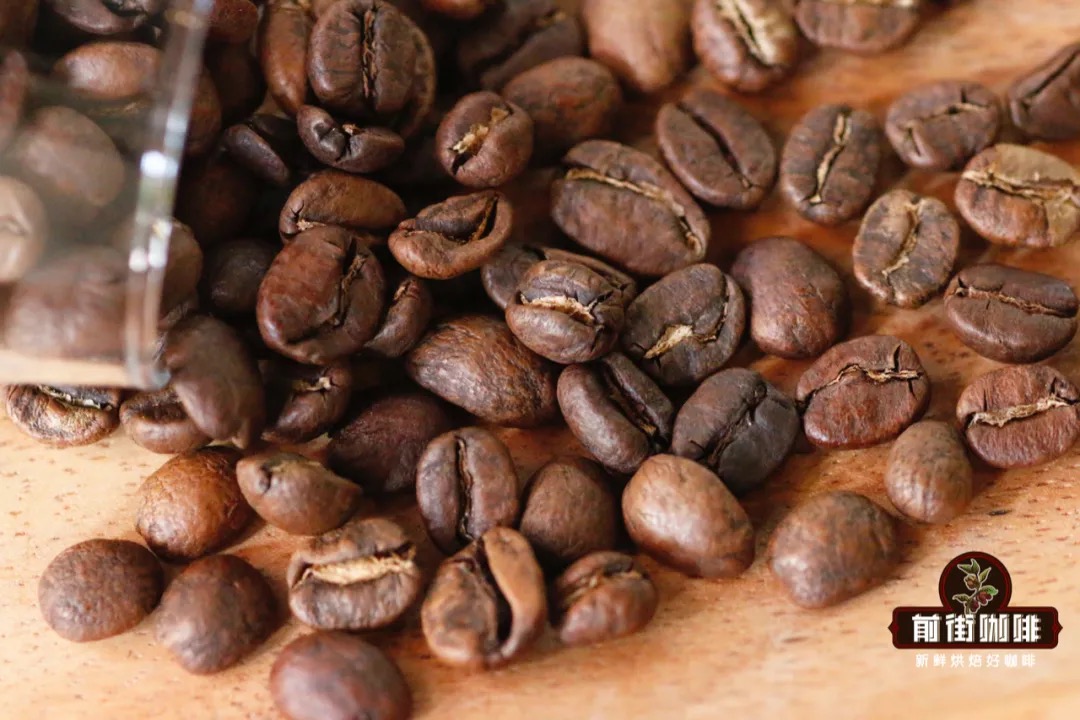
Honey Processed Roasted Coffee Beans
The silverskin of honey beans also doesn't detach fully when roasted, so white lines appear. Uneven sugar infiltration from differing mucilage content leads to inconsistent "coloring" during roasting, so some honey beans roast to an uneven color.
Distinguishing Processing Methods by Flavor Profile
Flavor Profile of Washed Processed Coffee Beans
Fermentation in washed processing builds more acidity, giving brighter, clearer acidity and more complex layers. And because the bean isn't "modified" by fruit sugars, FrontStreet Coffee believes washed processing best reveals a bean's essential cleanliness.
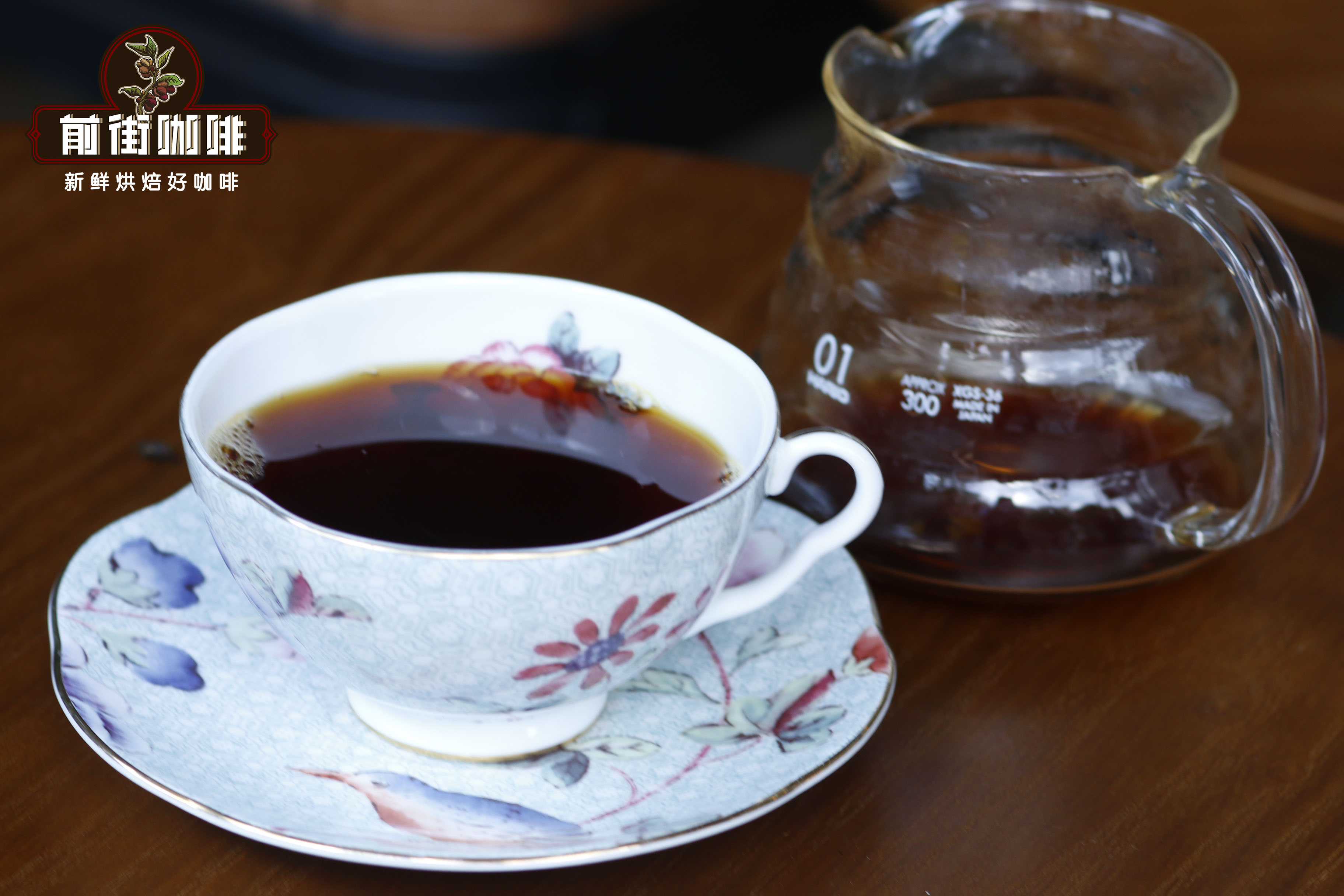
Flavor Profile of Natural Processed Coffee Beans
Natural processing dries the whole fruit, letting sugars from pulp and mucilage transfer into the beans, while sugar decomposition produces gentle fermentation flavors and soft sweet-sour notes. FrontStreet Coffee finds natural coffee fuller-bodied than washed, yet cleaner than honey.
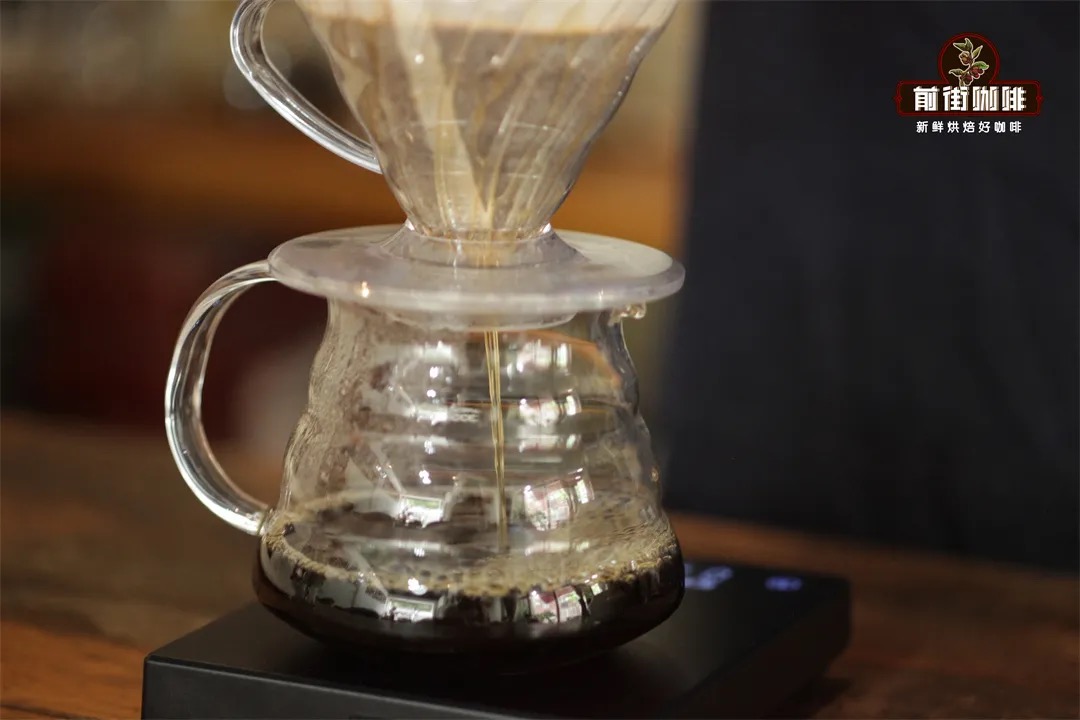
Flavor Profile of Honey Processed Coffee Beans
In honey processing, direct sunlight on pulp and mucilage drives sugars deep into the beans and generates rich fermentation sensations — distinct fruit-fermentation aromas and higher sweetness than natural. FrontStreet Coffee finds honey coffee richer, fuller, and more mellow in body, though its concentrated flavors lack the complexity of the other methods.
FrontStreet Coffee Recommendation
Honey processing grew out of Brazil's pulped natural method — remove the skin, dry with some or all of the mucilage — which shortens drying time and avoids the off-flavors of uncontrolled fermentation. FrontStreet's Brazil Cerrado is a classic of that style: cream, peanut, nuts, and chocolate. Costa Rica borrowed the idea and refined it, controlling mucilage retention and drying time to create yellow, red, black, and white honey.
FrontStreet Coffee's Costa Rica Blackberry is a black honey: almost no mucilage removed, dried at least 2 weeks under shade covers so the sugars fully develop, with regular turning to prevent uneven heating and over-fermentation. Medium-light roasted, it's intensely floral when ground, with grape, berry, and ripe blackberry flavors.
For the pinnacle of the method, FrontStreet Coffee's Costa Rica Mozart uses raisin honey processing: whole cherries pre-dried on raised beds for at least 3 days before skin and pulp are removed, then finished with 100% mucilage retained — tighter timing demands than even black honey. The payoff is richer dried-fruit sweetness: osmanthus, pineapple, and raisin aromas whether you brew it as a pour-over, cold brew, or moka pot.
Important Notice :
FrontStreet Coffee is a long-established specialty coffee roaster in Guangzhou China, selling freshly roasted beans from its own farm in Yunnan as well as dozens of carefully selected single-origin beans from around the world for both pour-over and espresso. The products deliver consistently excellent quality and great value, with shipping within 24 hours. Guangzhou's FrontStreet Coffee shop is recommended by many coffee lovers, and the beans are now available online at the Tmall 。
FrontStreet Coffee has moved to a new address:
FrontStreet Coffee Address: 315,Donghua East Road,GuangZhou
Tel:020 38364473
 Scan and follow the En Gafei WeChat official account. Please indicate that the reprint comes from "En Gafei".