Are Kenyan Coffee Beans Good? Evaluation of Kenyan Origin Coffee and Pour-Over Brewing
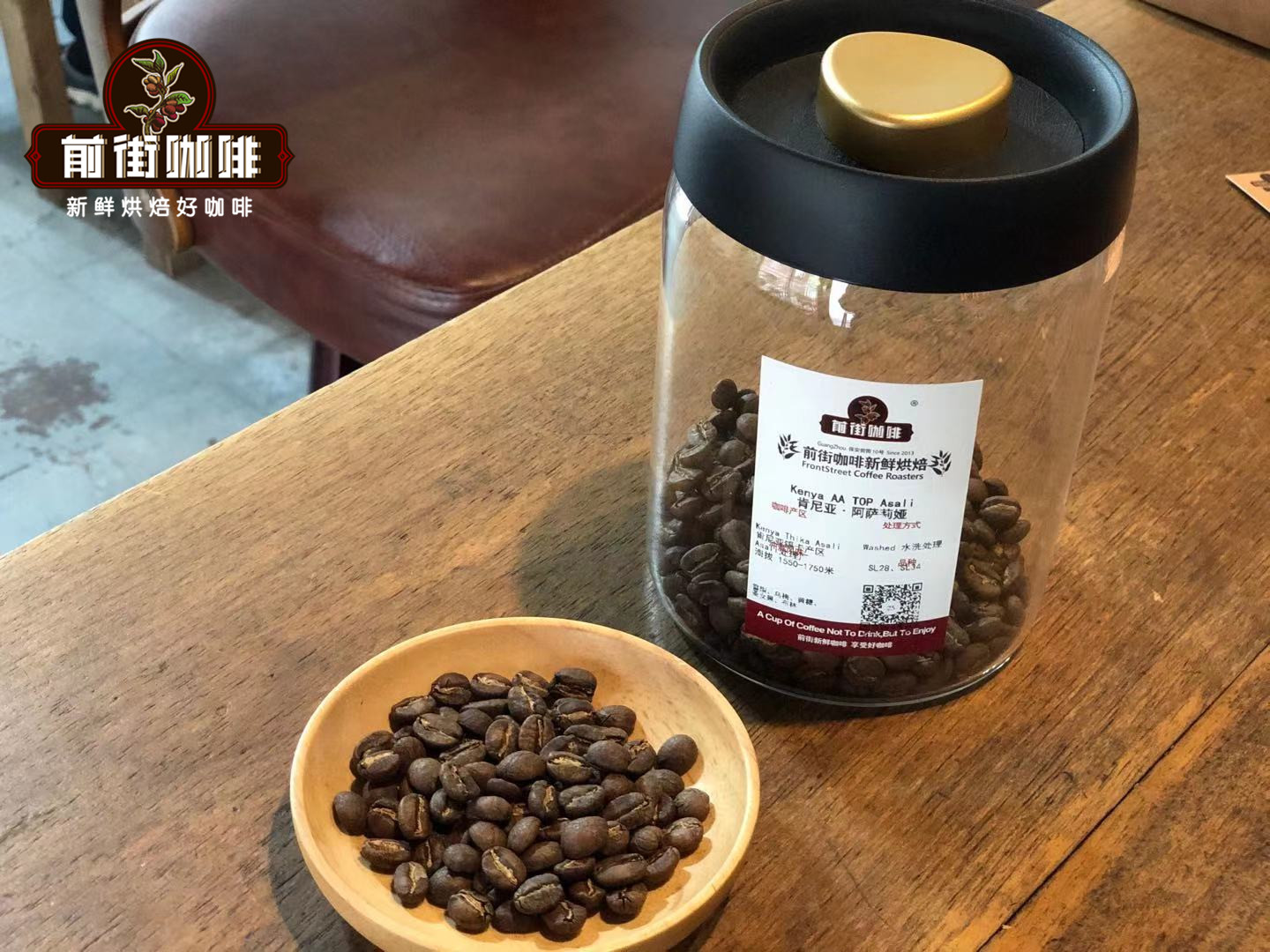
FrontStreet Coffee Kenya Small Tomato Asalia Coffee Beans
Country of Origin: Kenya
Region: Thika Asali (Honey Processing Station)
Processing Method: K72
Variety: SL28, SL34
Altitude: 1,400-2,000 meters
Roast Level: Medium-light roast
FrontStreet Coffee recommends following SCA guidelines for pour-over coffee: 15 g of grounds, 90-91°C water, 225 ml total volume, at a water-to-coffee ratio of 1:15.
FrontStreet Coffee's Kenya coffee overall flavor profile includes plum, cherry tomato and caramel. In cupping it reveals surprising floral and lemon aromas.
Kenya K72 Processing Method
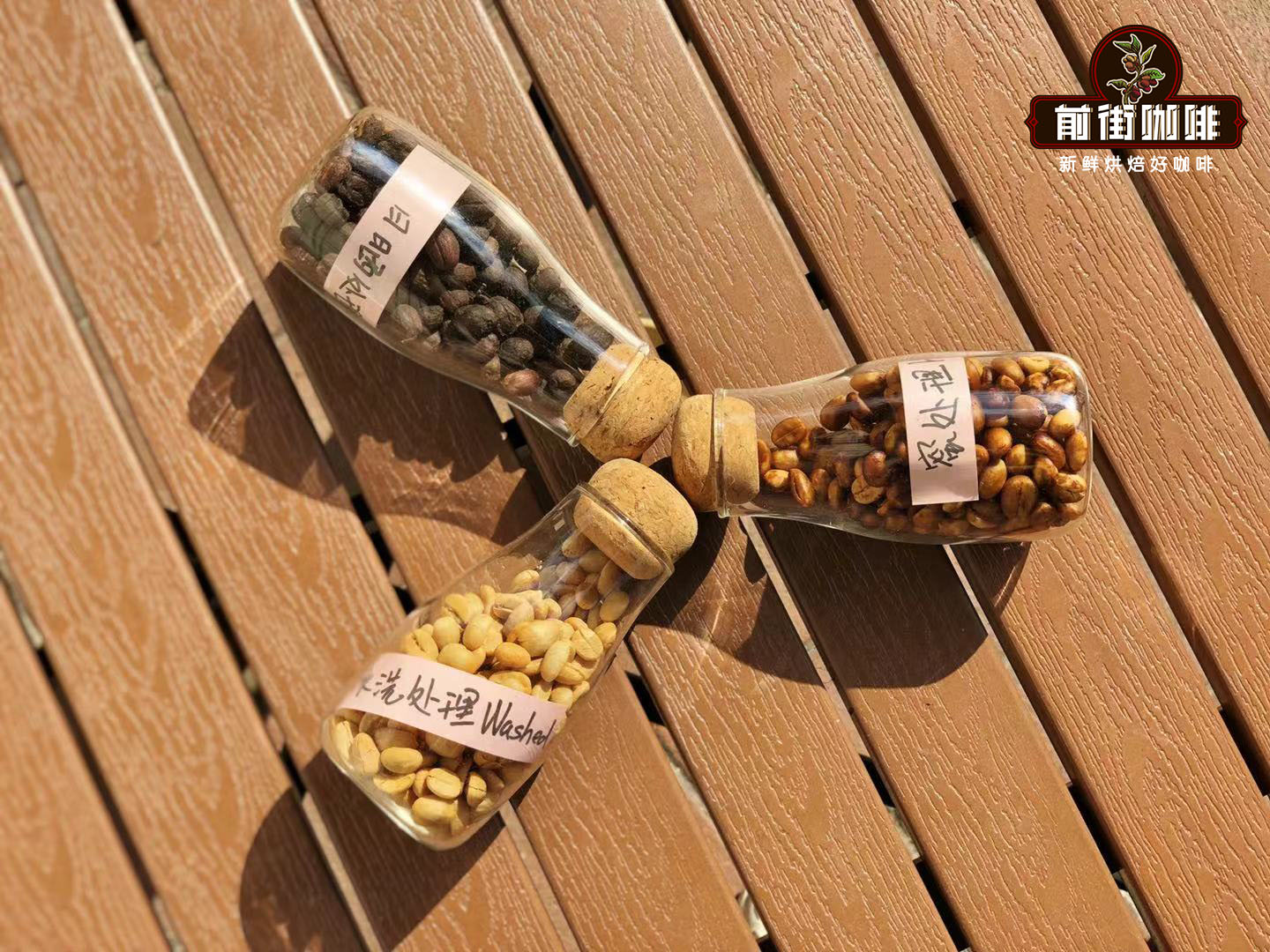
While coffee beans are typically fermented in washing tanks for no more than 36 hours, Kenya's fermentation runs to 72 hours — what is commonly called 72-hour washing or double washing. After fermenting for 30-48 hours, the surface mucilage is removed, followed by an additional 24-hour soak in clean water. This extra soaking immediately draws out the coffee's bright, clean flavors.
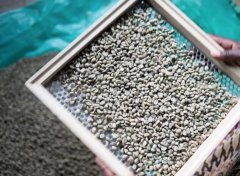
The drying is meticulous too. The beans are laid on specially designed ventilated racks that allow air to circulate from both top and bottom. This keeps moisture in check and ensures even drying while avoiding the earthy off-flavors that come from contact with the ground.
K72 Fermentation Washing Process Flow:
① First Washing and Fermentation
After harvesting, the cherries first undergo water density sorting, using differences in the beans' own density and quality: high-density (heavier) beans sink while low-density beans float. Ripe, high-quality cherries have high density and are set aside for further processing. Once premium, fully ripe cherries are selected, the skin is removed and the beans are washed and soaked so the mucilage left on them ferments. This mucilage contains natural sugars and alcohols that are crucial to developing the coffee's sweetness, acidity and overall flavor. Fermentation lasts up to 24 hours, removing 80-90% of the mucilage while preserving the flavors within the beans.
② Second Washing and Fermentation
Next comes the second washing and fermentation. After the beans from the first stage are cleaned, they are soaked again in water for 24-48 hours. This raises the level of proteins and amino acids, creating complex, delicate layers of acidity. Finally any remaining mucilage is removed and the beans are moved to raised racks for sun-drying. The drying time depends on the weather, typically taking 5-10 days. FrontStreet Coffee believes that its Kenya beans, taken through Kenya's 72-hour fermentation washing process with a long, low-temperature fermentation and finished only after sun-drying and dehydration, end up brighter and cleaner yet fuller in flavor.
History of Kenyan Coffee
In 1878 the British introduced coffee to Africa. In the 19th century coffee plantations were established in Kenya, with Ethiopian coffee beverages imported into the country via South Yemen at the time. It was not until the early 20th century, however, that Bourbon coffee trees were introduced to Kenya by the St. Austin Mission.
Located in East Africa, Kenya is one of the major coffee-producing countries, with roughly six million people nationwide working in the coffee industry, mostly as smallholders and cooperatives. Kenya's coffee trees are mostly grown at 1,400-2,000 meters, in regions including Ruiri, Thika, Kirinyaga, Mt. Kenya West, Nyeri, Kiambu and Muranga, primarily on the foothills of Mt. Kenya and the Aberdare range.
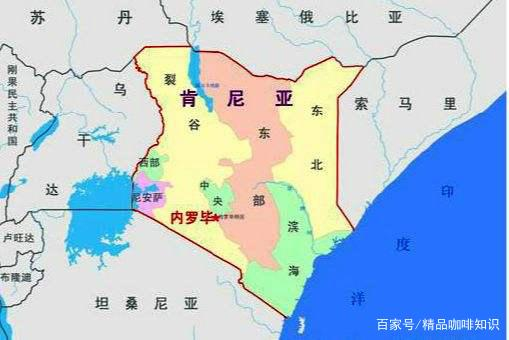
Most Kenyan coffee grows at 1,500-2,100 meters, with two harvests a year. Its main characteristic is a distinct fruit aroma, commonly citrus. FrontStreet Coffee's Kenya coffee offers multi-layered flavors and juice-like acidity, with perfect grapefruit and wine notes and a moderate body, making it a favorite single origin among many coffee professionals. Kenyan coffee gained further fame through the Hollywood film "Out of Africa."
The central Kirinyaga Peak (Mount Kenya) rises to 5,199 meters, with Thika ASALI TOP AA grown on the eastern slopes of the Kenya highlands at 1,550-1,750 meters in Meru-Embu County. The red soil of this region nurtures Kenya's finest coffee; agriculture matters enormously here, with coffee as the primary crop. Cooperatives of small farmers are more common than large estates. TOP AA seasonal coffee typically features the higher-quality Bourbon varieties SL-28 and SL-34. SL-28 and SL-34 are two of 40 experimental varieties developed by a research program led by Guy Gibson of Scott Laboratories. These Bourbon varieties have consistently been champions at professional cuppings and Nairobi auctions.
FrontStreet Coffee's Kenya cupping profile presents intense dry and wet aromas of lemon and plum. When lightly roasted, it reveals surprising floral and lemon aromas on sipping — green apple, berries, caramel and coffee-cherry sweetness, bright and juicy, crisp and sweet, with plum juice and a honeyed sweet-and-sour sensation and caramel in the finish.
FrontStreet Coffee Recommendation
Kenya's K72 double-washed beans are famous for their bright, juicy acidity and distinct fruit — and FrontStreet's flagship Kenyan lot is a perfect match for this article. FrontStreet Kenya Little Tomato is a Kenyan specialty washed bean built around vivid cherry tomato, smoked plum and a full, juicy body, ideal for anyone who loves bright fruit acidity and complex flavor. It comes from Kenya's Sika region at 1,550-1,750 meters, grown from the classic SL28 and SL34 varieties with plump, rounded beans, and processed with Kenya's signature 72-hour double washed fermentation to draw out the fruit while keeping the cup clean and pure. FrontStreet roasts it light to preserve the lively acidity and layered fruit as fully as possible. On the nose the dry aroma already shows rich dried cherry tomato and florals; in the cup there are clear cherry tomato and smoked plum notes with bright, solid acidity as full as fresh-pressed juice, striking mid-palate sweetness with fresh pear and black plum, and a clean, long finish of yellow-sugar sweetness and a faint green-tea note — beautifully balanced and highly distinctive.
Important Notice :
FrontStreet Coffee is a long-established specialty coffee roaster in Guangzhou China, selling freshly roasted beans from its own farm in Yunnan as well as dozens of carefully selected single-origin beans from around the world for both pour-over and espresso. The products deliver consistently excellent quality and great value, with shipping within 24 hours. Guangzhou's FrontStreet Coffee shop is recommended by many coffee lovers, and the beans are now available online at the Tmall 。
FrontStreet Coffee has moved to a new address:
FrontStreet Coffee Address: 315,Donghua East Road,GuangZhou
Tel:020 38364473
 Scan and follow the En Gafei WeChat official account. Please indicate that the reprint comes from "En Gafei".